Central US Braces for Wintry Mix: Cold, Snow, and Freezing Drizzle Expected
Central US Braces for Wintry Mix: Cold, Snow, and Freezing Drizzle Expected
As December 11th unfolds across the vast expanse of the Central United States, residents are waking up to a diverse array of weather conditions. From the crisp, cold air of the Northern Plains to the milder, partly sunny skies of the Mountain West, this Wednesday promises a dynamic day. While no severe weather alerts are currently in effect, a significant portion of the region will contend with freezing temperatures, scattered snow showers, and even some tricky freezing drizzle, demanding vigilance and preparation from all. Understanding these localized patterns is key to navigating the day safely and efficiently, whether you're commuting, managing a farm, or simply planning your day.
The central corridor of the nation often serves as a battleground for competing air masses during the winter months, and today is no exception. A cold front has settled over the northern and eastern parts of the region, bringing wintry precipitation and biting winds, while the western and southwestern areas enjoy a brief reprieve with more moderate temperatures. This stark contrast underscores the importance of staying informed about conditions specific to your immediate vicinity, as a short drive can lead you into an entirely different weather scenario.
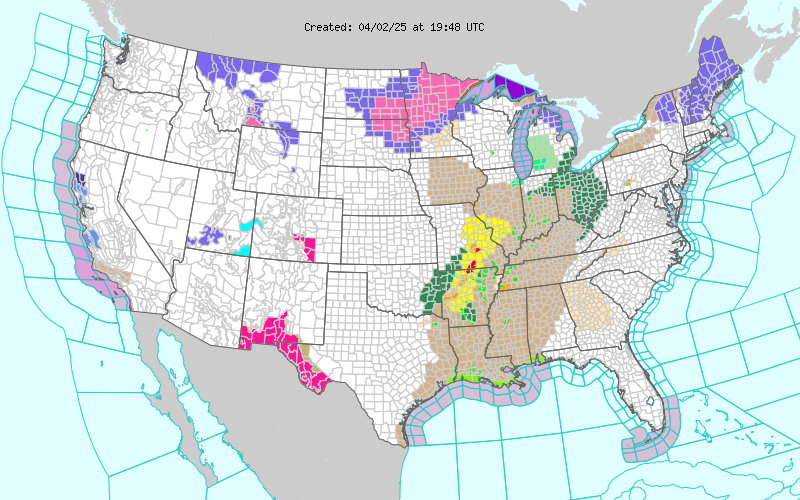
The image is a live image for the National Weather Service server. It gets updated on Real time.
A Tale of Two Winters: Morning Conditions Across the Heartland
The morning hours of December 11th paint a vivid picture of winter's grip on the Central US. The coldest air is firmly entrenched across the Northern Plains and Upper Midwest, where temperatures are struggling to climb out of the single digits and teens. In Fargo, North Dakota, it's a frigid 8°F with a slight chance of light snow, demanding heavy layers for anyone venturing outdoors. Nearby, Minneapolis, Minnesota, is experiencing 15°F with a chance of snow showers, making for a truly wintry start to the day. Further south, Sioux Falls, South Dakota, is at 17°F with a chance of light snow, and Des Moines, Iowa, registers 18°F under cloudy skies.
Moving eastward into the Great Lakes region, the cold persists. Milwaukee, Wisconsin, begins the day at 16°F but with the promise of sunshine, offering a brief visual respite from the chill. Detroit, Michigan, is colder at 24°F with isolated snow showers, potentially affecting morning commutes. Down in the heartland, Chicago, Illinois, is at 26°F with partly sunny conditions, while Indianapolis, Indiana, faces a more concerning 28°F with patchy freezing drizzle, a phenomenon that can quickly turn roads into treacherous ice rinks. Louisville, Kentucky, is slightly warmer at 30°F with partly sunny skies, and St. Louis, Missouri, sits at 27°F under mostly cloudy conditions.
Contrastingly, the western and southwestern reaches of the Central Zone are experiencing a significantly milder morning. Denver, Colorado, enjoys a comfortable 47°F with partly sunny skies, a stark difference from its eastern counterparts. Colorado Springs, Colorado, is also mild at 41°F under partly cloudy conditions. In the central plains, Omaha, Nebraska, is at 26°F with partly sunny weather, while Kansas City, Missouri, registers 31°F with similar partly sunny skies. Further south, Wichita, Kansas, is relatively mild at 39°F, basking in mostly sunny conditions. These regional disparities highlight the vast geographical and climatological diversity of the Central US, even on a single winter day.
Evening Outlook: Snow Chances Increase for Many
As the day progresses into the evening hours of December 11th, the weather patterns across the Central US will continue to evolve, with some areas seeing a slight moderation in temperatures while others brace for increased chances of winter precipitation. For the Northern Plains, the deep freeze will remain a dominant factor, though temperatures may climb a few degrees. Fargo, North Dakota, will reach 14°F under cloudy skies, while Minneapolis, Minnesota, sees 17°F, also cloudy. Sioux Falls, South Dakota, will hit 24°F with a chance of snow showers, and Des Moines, Iowa, will be 27°F with a slight chance of light snow, indicating that travel might become more challenging.
The Midwest is where the most significant changes in precipitation are anticipated. In Indianapolis, Indiana, the patchy freezing drizzle of the morning is expected to transition to snow, with temperatures around 29°F, making for potentially slick and accumulating conditions. Louisville, Kentucky, also faces a strong likelihood of snow, with temperatures hovering around 32°F, suggesting wet, heavy snow is possible. Chicago, Illinois, has a slight chance of snow at 27°F, and Detroit, Michigan, will be mostly cloudy at 23°F. Milwaukee, Wisconsin, will be mostly cloudy at 18°F, and St. Louis, Missouri, will be cloudy at 35°F.
Meanwhile, the western and southwestern parts of the Central Zone will continue their trend of milder, drier conditions. Denver, Colorado, is forecast to reach a pleasant 57°F in the evening under partly cloudy skies, a remarkable warmth for mid-December. Colorado Springs, Colorado, will also see 57°F with partly sunny conditions. These temperatures are well above average for this time of year, offering a stark contrast to the wintry scenes further east. Omaha, Nebraska, will warm to 38°F with partly cloudy conditions, and Kansas City, Missouri, will be a relatively mild 46°F under partly cloudy skies. Wichita, Kansas, will enjoy a mostly clear evening at 54°F. Winds across the zone will generally remain light to moderate, typically below 10 mph, which is good news for travel, but the focus remains on the precipitation type and its impact.
Agricultural Vigilance: Protecting Livelihoods in Winter
The Central US is the breadbasket of the nation, and winter weather, even without severe alerts, plays a critical role in agricultural cycles and farmer livelihoods. While today's forecast doesn't include extreme blizzards, the combination of freezing temperatures, light snow, and especially freezing drizzle presents unique challenges and considerations for the agricultural sector. Winter wheat, a staple crop in states like Kansas, Nebraska, and Missouri, is typically dormant by December. However, prolonged periods of extreme cold without adequate snow cover can leave the plants vulnerable to winterkill. Light snow, as predicted for areas like Sioux Falls and Des Moines, can actually be beneficial, providing an insulating blanket that protects the delicate wheat crowns from bitter temperatures and wind desiccation.
Livestock, particularly cattle, also require careful management during cold snaps. Farmers must ensure animals have access to shelter, adequate feed, and unfrozen water sources. The energy demands of livestock increase significantly in cold weather, necessitating adjustments to feeding regimes. For dairy operations in states like Wisconsin and Minnesota, maintaining barn temperatures and preventing pipes from freezing is paramount to ensure continuous production and animal welfare. The patchy freezing drizzle forecast for Indianapolis, and potential for ice in other areas, could also create hazardous conditions for moving equipment or livestock, increasing the risk of slips and falls for both animals and farm workers. Even seemingly minor weather events can have ripple effects, impacting feed costs, labor, and overall farm productivity. Historically, Central US winters have taught generations of farmers the importance of proactive planning and robust infrastructure to weather the colder months successfully.
Navigating Winter Roads: Travel Advisories and Safety
Despite the absence of formal weather alerts, the forecast for December 11th across the Central US necessitates heightened awareness for travelers. The primary concern revolves around the potential for icy conditions and reduced visibility, particularly in areas expecting freezing drizzle and light snow. The patchy freezing drizzle in Indianapolis, Indiana, is a significant hazard. This type of precipitation can create a thin, invisible layer of ice, often referred to as "black ice," which is extremely difficult to detect and makes roads incredibly slick. Drivers in Indianapolis and surrounding areas should exercise extreme caution, reduce speeds drastically, and increase following distances.
Similarly, cities like Louisville, Kentucky, and Detroit, Michigan, with snow chances, along with the Northern Plains cities like Sioux Falls, South Dakota, and Des Moines, Iowa, where light snow is expected, will see varying degrees of impact on road conditions. Even a slight accumulation of snow can reduce traction and extend braking distances. Bridges and overpasses are particularly prone to freezing first, as they are exposed to cold air from above and below. For those planning travel, whether by car or air, it is crucial to check the latest local road conditions before departing. Websites like state Department of Transportation sites (e.g., CoTrip for Colorado, GettingAroundIllinois) provide real-time updates. Air travelers should anticipate potential delays or cancellations at airports in affected areas due to de-icing procedures or reduced visibility, especially at hubs like Chicago O'Hare or Detroit Metro.
General winter driving tips remain essential: ensure your vehicle's tires are properly inflated and have good tread, keep your headlights on, and avoid sudden braking or steering maneuvers. A full tank of gas is also advisable, as is an emergency kit containing blankets, a flashlight, food, water, and a charged cell phone. The mild conditions in Denver and Colorado Springs offer a pleasant contrast, but drivers heading east from these areas should be prepared for rapidly changing conditions as they move into the colder, wetter parts of the Central Zone.
Essential Winter Preparedness: Staying Safe and Warm
With a significant portion of the Central US facing freezing temperatures and wintry precipitation, proactive preparedness is paramount for personal safety and home protection. Even without severe storm warnings, the cumulative effects of cold and ice can lead to dangerous situations. Homeowners should ensure their heating systems are in good working order and that carbon monoxide detectors are functional, especially if using alternative heating sources. Insulating pipes, particularly those in unheated areas like basements or crawl spaces, can prevent costly bursts. Keeping an emergency kit stocked with non-perishable food, bottled water, blankets, a battery-powered radio, and flashlights with extra batteries is always a wise decision during winter.
For personal safety, dressing in layers is crucial when venturing outdoors. Opt for warm, moisture-wicking base layers, insulating middle layers, and a waterproof or water-resistant outer shell. Protect extremities with hats, gloves, and warm, waterproof footwear. Avoid prolonged exposure to the cold to prevent frostbite and hypothermia, which can set in more quickly than one might expect, especially in windy conditions. If you must shovel snow or engage in strenuous outdoor activity, take frequent breaks and stay hydrated.
Vehicle preparedness is equally vital. Beyond the emergency kit mentioned for travel, ensure your car's battery is strong, antifreeze levels are adequate, and windshield wiper fluid is topped off and rated for freezing temperatures. Check your tire pressure regularly, as cold weather can cause it to drop. For pet owners, remember that if it's too cold for you, it's too cold for them. Bring pets indoors, limit their time outside, and ensure they have warm, dry shelter if they must be outdoors for short periods. Finally, take a moment to check on elderly neighbors or those who may be vulnerable to the cold, offering assistance if needed. Community vigilance is a powerful tool in ensuring everyone stays safe and warm.
Climate Context: December's Typical Climate in the Central US
December in the Central United States is a month characterized by its dynamic and often unpredictable weather patterns, making today's forecast a fairly representative snapshot of what the region can experience. Historically, December marks the full onset of winter across much of the heartland, with average temperatures steadily dropping and the likelihood of snow increasing. The vast geographical expanse of the Central US, stretching from the high plains of Colorado to the Great Lakes, means that "typical" December weather varies significantly from west to east and north to south.
In the northern tier, including states like North Dakota, Minnesota, and Wisconsin, December is reliably cold, often seeing average daily temperatures well below freezing. Snowfall is common, and deep freezes are not unusual. Moving south into states like Missouri, Kansas, and Kentucky, temperatures tend to be milder, but winter storms bringing a mix of rain, freezing rain, sleet, and snow are frequent occurrences. The western edge of the Central Zone, particularly Colorado, experiences more varied conditions, with cold snaps in the mountains but often milder, sunnier days on the plains, influenced by phenomena like Chinook winds. Today's forecast, with its stark contrast between the single-digit temperatures in Fargo and the near 60-degree warmth in Denver, perfectly illustrates this climatological diversity.
While this forecast doesn't point to any record-breaking events, it serves as a timely reminder of winter's capabilities. The scattered light snow and freezing drizzle are common December hazards, and the persistent cold in the north is entirely in line with seasonal expectations. Understanding these historical patterns helps residents appreciate the nuances of the daily forecast and reinforces the importance of being prepared for a range of winter conditions, from a pleasant, sunny day to a treacherous icy commute.
In summary, December 11th presents a classic Central US winter day with significant regional variations. While the western plains and Mountain West enjoy a mild and relatively clear day, the northern and eastern parts of the zone will contend with freezing temperatures, scattered snow, and the particularly dangerous threat of freezing drizzle. Staying informed through local weather updates and adhering to preparedness guidelines will ensure a safe and smooth day for everyone across the heartland.
This post is created using the public data provided by the National Weather Service. Please check the Original source for more information.

Comments
Post a Comment
Please leave a comment.