Eastern Zone Weather Forecast: Brace for a Chilly December Day
Eastern Zone Weather Forecast: Brace for a Chilly December Day Across the Northeast
As we head into December 11, 2025, residents across the Eastern Zone of the United States are waking up to a distinctly wintery feel. A significant shift in atmospheric patterns is ushering in colder temperatures, brisk winds, and for some inland areas, the possibility of light snow showers. From the bustling streets of New York City to the rugged coastlines of Maine and the historic towns of Massachusetts, preparedness and awareness will be key throughout the day. This comprehensive forecast will delve into the specifics, offering insights into current conditions, what to expect hour-by-hour, and crucial advice for staying safe and comfortable.
This forecast covers a broad swath of the Eastern Zone, including major metropolitan areas and their surrounding communities. The overarching theme for Wednesday, December 11th, is a notable drop in temperatures from morning to afternoon, accompanied by increasing wind speeds that will make the already cold air feel even more biting. While widespread heavy precipitation is not anticipated, localized snow showers could create slick spots, particularly in higher elevations and farther inland.
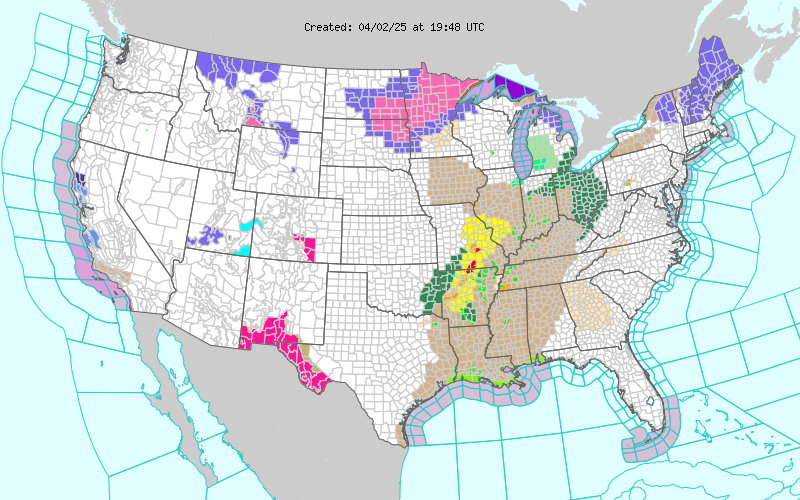
The image is a live image for the National Weather Service server. It gets updated on Real time.
Current Conditions & Morning Overview (Early December 11th)
The early hours of December 11th reveal a varied but generally cool landscape across the Eastern Zone. Many areas are experiencing mostly cloudy skies, with some regions like Wilmington, DE, and Baltimore, MD, enjoying mostly clear conditions. Temperatures are hovering in the mid to high 30s Fahrenheit for much of the mid-Atlantic and southern New England, while northern New England and western New York are considerably colder.
- New York City & Surrounding Areas (Newark, Jersey City, New Haven): Expect temperatures around 39-40°F with mostly cloudy to partly cloudy skies. Winds are moderate, generally 12-14 mph, making for a cool start but without significant wind chill yet.
- Southern New England (Boston, Providence, Hartford, Bridgeport): Similar conditions prevail here, with temperatures ranging from 36-39°F. Mostly cloudy conditions dominate, though Bridgeport sees partly cloudy skies. Wind speeds are generally between 9-15 mph.
- Inland Massachusetts (Worcester, Springfield): Temperatures are a bit cooler at 35°F, with mostly cloudy to cloudy skies. Winds are lighter in the morning, around 12-14 mph.
- Northern New England (Portland, Bangor, ME): Portland starts at 38°F with mostly cloudy skies and 15 mph winds. Bangor is colder at 33°F with lighter 6 mph winds and isolated rain showers – a hint of the colder air to come.
- Western New York (Buffalo): Buffalo is the coldest spot in the zone, registering a brisk 21°F with slight chances of snow showers and 16 mph winds. This area is already feeling the full force of the winter air mass.
- Mid-Atlantic (Baltimore, Wilmington): These cities are enjoying the clearest skies in the zone, with temperatures around 35-38°F and moderate winds of 14-15 mph.
Overall, the morning commute will be chilly but largely dry for most, with the exception of light precipitation in Buffalo and Bangor. Road surfaces should generally be clear, but drivers should remain vigilant for localized damp spots that could freeze, especially on untreated secondary roads or bridges as temperatures continue to fall.
Detailed Forecast: Afternoon & Evening Outlook (Later December 11th)
As the day progresses, the Eastern Zone will experience a noticeable drop in temperatures, accompanied by an increase in wind speeds across the board. This will lead to significantly colder wind chill values, making it feel much colder than the actual air temperature. Skies are expected to clear for many areas, transitioning from cloudy mornings to partly or mostly sunny afternoons, though the sunshine will offer little warmth.
- New York City & Surrounding Areas: Afternoon temperatures will drop to around 33-34°F. Winds will pick up significantly, reaching 18-22 mph, making the afternoon feel quite raw. Mostly sunny conditions are expected, but don't let the sunshine deceive you about the cold.
- Southern New England: Boston will see temperatures fall to 31°F with winds gusting to 22 mph, under mostly sunny skies. Providence drops to 29°F with 17 mph winds, also mostly sunny. Hartford and New Haven will be around 30-33°F with 16-18 mph winds and mostly to partly sunny conditions. Bridgeport will be 33°F with 18 mph winds and mostly sunny.
- Inland Massachusetts: Worcester will plummet to 25°F with strong 21 mph winds and a slight chance of snow showers. Springfield will be 28°F, also with 21 mph winds and a slight chance of snow showers. These areas will experience the coldest conditions outside of Buffalo.
- Northern New England: Portland, ME, will see temperatures drop to 28°F with strong 20 mph winds under sunny skies. Bangor will also be 28°F with 18 mph winds and partly sunny conditions. The wind chill will be a major factor here.
- Western New York: Buffalo remains cold at 26°F in the afternoon, with 15 mph winds and a chance of snow showers. Travelers in this region should anticipate winter driving conditions.
- Mid-Atlantic: Baltimore and Wilmington will hold relatively steady at 35-37°F, but winds will increase to 15-16 mph. Both cities are expected to be sunny or partly sunny, offering a crisp, clear, but cold afternoon.
The combination of dropping temperatures and rising wind speeds means that wind chill values could dip into the teens or even single digits across much of the Eastern Zone, particularly in exposed areas. This is a critical factor for anyone planning to spend time outdoors.
Understanding the Weather Dynamics: The Arctic Influence
The cold snap gripping the Eastern Zone is primarily driven by a significant push of arctic air descending from Canada. This type of weather pattern is common during the winter months in the Northeast but always warrants attention due to its potential impacts. A high-pressure system building in the wake of a departing low-pressure system is effectively drawing in this colder, drier air mass. The increase in wind speeds observed in the afternoon is often associated with the tightening pressure gradient as this cold air settles in, creating a noticeable difference in how the air feels.
Historically, the Eastern Zone is no stranger to such cold outbreaks in December. Early winter cold fronts can be quite potent, sometimes bringing record-low temperatures or early-season snowfalls. While this particular forecast doesn't indicate extreme conditions in terms of snow accumulation for most areas, the sheer cold and wind are significant. These cold air masses can also interact with residual moisture over the Great Lakes, leading to lake-effect snow, which is precisely what Buffalo is experiencing. For inland Massachusetts, the slight chance of snow showers suggests some localized atmospheric lift or lingering moisture interacting with the colder air.
The coastal regions, while still very cold, often benefit from the moderating influence of the Atlantic Ocean, which can keep temperatures a few degrees warmer than inland areas. However, the strong winds negate much of this effect, making coastal areas feel just as frigid due to the enhanced wind chill.
Potential Impacts & Advisories
While no formal weather alerts (like Winter Storm Warnings or Advisories) are currently in effect for most of the Eastern Zone, the forecast conditions present several potential impacts that residents should be aware of.
- Travel Conditions: For areas with a chance of snow showers, such as Buffalo, Worcester, and Springfield, roads could become slick. Drivers should exercise caution, reduce speed, and maintain greater following distances. Even in areas without snow, strong crosswinds could affect high-profile vehicles on highways. Bridge decks and overpasses are always the first to freeze, so be mindful when crossing them.
- Agricultural Concerns: For the agricultural sector, these cold temperatures are a reminder of winter's grip. While most field crops are dormant, livestock require extra care and shelter. Farmers should ensure adequate water supply (preventing freezing) and provide additional feed to help animals maintain body heat. Any exposed irrigation equipment or water lines should be properly drained or insulated to prevent freezing and bursting.
- Health Risks: The combination of cold temperatures and strong winds significantly increases the risk of hypothermia and frostbite. Exposed skin can freeze rapidly in single-digit wind chills. It's crucial for anyone spending time outdoors to dress in layers, cover all exposed skin, and limit time outside. Pay particular attention to children and the elderly, who are more vulnerable to cold-related illnesses.
- Energy Consumption: Expect a noticeable increase in heating demands across the region. Homeowners should ensure their heating systems are functioning efficiently and consider setting thermostats a few degrees lower if possible to conserve energy. Power outages are not expected due to this weather, but it's always wise to have an emergency kit ready.
- Infrastructure: Freezing temperatures can strain infrastructure. Water pipes, especially those in unheated basements, crawl spaces, or exterior walls, are susceptible to freezing and bursting. Property owners should take preventative measures, such as insulating pipes and allowing faucets to drip slightly during peak cold periods.
Essential Preparedness Tips for a Cold Day
Being prepared for cold weather is paramount, especially in the Eastern Zone where winter can be unpredictable. Here are some actionable tips to ensure your safety and comfort:
Personal Preparedness:
- Dress in Layers: Wear multiple layers of loose, warm clothing. Start with a moisture-wicking base layer, add insulating middle layers (fleece, wool), and finish with a waterproof and windproof outer layer.
- Protect Extremities: Wear a warm hat, gloves or mittens, and insulated, waterproof boots. Your head, hands, and feet are most susceptible to heat loss and frostbite.
- Limit Outdoor Exposure: Minimize time spent outdoors, especially during the coldest parts of the day or when winds are strongest. If you must go outside, take frequent breaks in a warm environment.
- Stay Hydrated and Nourished: Drink plenty of fluids (non-alcoholic) and eat regular, warm meals to help your body maintain its core temperature.
- Check on Vulnerable Individuals: Reach out to elderly neighbors, friends, or family members who might be more susceptible to the cold. Ensure they have adequate heating and are safe.
Home Preparedness:
- Insulate Pipes: Wrap exposed water pipes in unheated areas (basements, crawl spaces, garages) with insulation or heat tape.
- Seal Drafts: Check for drafts around windows and doors and seal them with weatherstripping or caulk to keep warm air in and cold air out.
- Maintain Heating Systems: Ensure your furnace or heating system has been recently serviced and is in good working order. Change air filters regularly.
- Fire Safety: If using supplemental heating sources like space heaters, ensure they are placed away from flammable materials and are never left unattended. Test smoke and carbon monoxide detectors.
- Emergency Kit: Have a well-stocked emergency kit that includes blankets, flashlights, extra batteries, a first-aid kit, and enough non-perishable food and water for at least 72 hours.
Vehicle Preparedness:
- Winterize Your Car: Check antifreeze levels, tire pressure (which drops in cold weather), battery strength, and wiper fluid. Ensure your tires have adequate tread for winter conditions.
- Emergency Car Kit: Keep a kit in your vehicle with jumper cables, a flashlight, blankets, a shovel, a bag of sand or cat litter for traction, and extra warm clothing.
- Slow Down and Drive Carefully: If you encounter icy or snowy conditions, reduce your speed, increase your following distance, and avoid sudden braking or steering maneuvers.
Looking Beyond Today: What's Next?
While this forecast focuses on December 11th, the pattern of colder-than-average temperatures is likely to persist for at least the next few days across the Eastern Zone. Residents should continue to monitor local forecasts for updates, especially regarding any potential for more significant winter weather systems that could develop later in the week or into the weekend. The initial cold blast sets the stage for a true winter feel, and while the sun may make an appearance, the frigid air will be a constant companion.
Staying informed through reliable weather sources, such as the National Weather Service, is always the best course of action. Prepare now to mitigate any potential discomfort or hazards associated with this cold snap. Enjoy the crisp, winter air responsibly, and prioritize safety above all else.
This post is created using the public data provided by the National Weather Service. Please check the Original source for more information.

Comments
Post a Comment
Please leave a comment.