Central US Braces for Frigid December: Snow Chances & Cold Snap
Central US Braces for Frigid December: Snow Chances & Cold Snap
As the calendar pages turn towards the heart of winter, the vast expanse of the Central United States is preparing for a significant cold snap, with temperatures plummeting across the region this December 7th and 8th, 2025. From the Rocky Mountains to the Great Lakes, residents can anticipate a diverse range of conditions, from crisp, sunny skies in the west to biting winds and snow showers in the north and east. While no widespread severe weather alerts are currently in effect, the sheer breadth of cold air demands attention and preparation from all.
This detailed forecast will guide you through the expected conditions, highlight potential impacts on daily life, travel, and agriculture, and provide crucial safety advice to navigate the coming days. Understanding these patterns is key to staying safe and comfortable as winter truly takes hold.
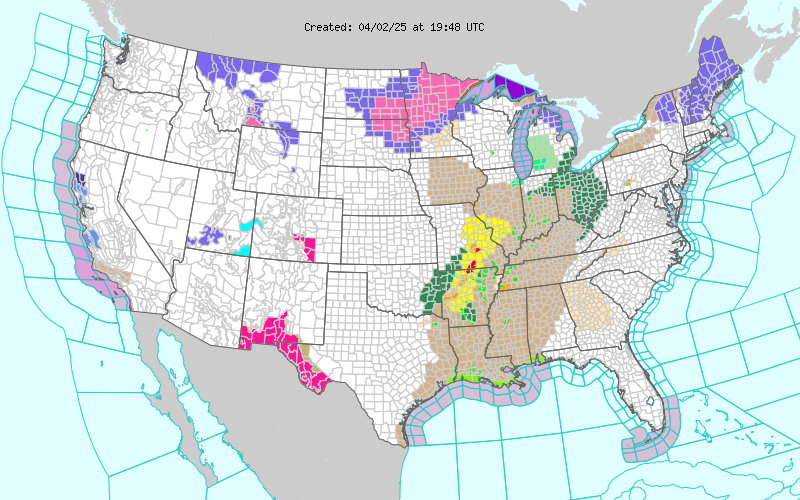
The image is a live image for the National Weather Service server. It gets updated on Real time.
Current Conditions Across the Central Zone: December 7th
Today, December 7th, presents a stark contrast across the Central Zone. The western plains and foothills of Colorado are enjoying some of the milder conditions, relatively speaking. In Denver, CO, residents are experiencing mostly sunny skies with a daytime high around 46°F, accompanied by light winds at 6 mph. Similarly, Colorado Springs, CO, is basking in full sunshine, also reaching a pleasant 46°F, with gentle breezes at 5 mph. These conditions, while cool, offer a brief respite before the deeper cold settles in.
Moving eastward into the heart of the Great Plains, temperatures begin to fall more noticeably. Wichita, KS, sees partly sunny skies and a high of 35°F, with winds picking up to 12 mph. Further north, Omaha, NE, is colder at 21°F under partly sunny conditions, with lighter winds at 3 mph. Des Moines, IA, is even chillier, reaching only 15°F, though enjoying sunny skies and 8 mph winds. The northernmost reaches of this zone are already entrenched in arctic air. Fargo, ND, is bracing for an intensely cold day with a high of just 3°F under mostly cloudy skies and 5 mph winds, making outdoor activities particularly challenging. Minneapolis, MN, is similarly frigid at 8°F, also mostly cloudy with 5 mph winds. Sioux Falls, SD, is experiencing a very cold 9°F with a chance of snow showers and 5 mph winds, signaling the potential for light accumulation.
Towards the Great Lakes and Ohio Valley, a mix of clouds and cold dominates. Chicago, IL, is notable for its blustery conditions, with a high of 25°F, strong winds gusting up to 20 mph, and patchy blowing snow. This combination significantly reduces visibility and creates hazardous driving conditions. Milwaukee, WI, is a bit clearer with sunny skies and 18°F, but winds are still brisk at 10 mph. Detroit, MI, reports partly sunny conditions and 28°F, with 9 mph winds. Further south, Indianapolis, IN, is cloudy with a high of 34°F and 9 mph winds, while Louisville, KY, is the warmest in this sector at 42°F under mostly cloudy skies and very light 2 mph winds. Finally, St. Louis, MO, is cloudy with a high of 34°F and 12 mph winds, and Kansas City, MO, is also cloudy, reaching 30°F with 8 mph winds.
Looking Ahead: The Overnight Forecast (December 7th into 8th)
As evening descends and we transition from December 7th into the early hours of December 8th, the entire Central Zone will experience a significant drop in temperatures, with most areas falling well below freezing. For many, the overnight lows will be the coldest experienced thus far this season, demanding extra vigilance for personal safety and property protection.
In the western part of the zone, Denver, CO, will cool down to 26°F under partly cloudy skies, with winds increasing slightly to 8 mph. Colorado Springs, CO, will see similar conditions, dropping to 25°F with partly cloudy skies and 10 mph winds. While these temperatures are cold, they are typical for a Colorado winter night, but still require proper heating and insulation.
The central plains will become decidedly colder. Wichita, KS, will dip to 26°F and become mostly clear with very light 2 mph winds, which might lead to localized patchy frost. Omaha, NE, will see lows around 18°F under mostly cloudy skies and 6 mph winds. Des Moines, IA, will plummet to 10°F, with a chance of snow showers and light 2 mph winds, potentially creating slick spots on roads. Kansas City, MO, will reach 22°F under mostly cloudy conditions, with light 3 mph winds. The northern tier remains locked in a deep freeze; Fargo, ND, will actually see a slight "warming" to 5°F overnight, with winds picking up to 10 mph under mostly cloudy skies. Minneapolis, MN, will hover around 7°F, mostly cloudy with 5 mph winds. Sioux Falls, SD, also experiences a slight overnight temperature increase to 15°F, with an ongoing chance of snow showers and 10 mph winds. These slight temperature increases overnight in the northernmost areas are due to changes in air mass or cloud cover, but the conditions remain dangerously cold.
In the Great Lakes and Ohio Valley, the cold air mass will fully settle in. Chicago, IL, will remain cold at 23°F, with winds easing to 10 mph under mostly cloudy skies, but residual blowing snow could still be a factor. Milwaukee, WI, will drop to 17°F, mostly cloudy with 5 mph winds. Detroit, MI, will fall to a brisk 16°F, mostly cloudy with 6 mph winds. Indianapolis, IN, will cool significantly to 21°F, mostly cloudy with 10 mph winds. Louisville, KY, will see a sharp drop to 30°F, bringing the chance of light snow and 8 mph winds, making for a potentially slick morning commute. St. Louis, MO, will reach 25°F, mostly cloudy with 6 mph winds.
Winter Weather Outlook and Potential Impacts
While the compact data indicates no major widespread winter storm alerts, the presence of "Chance Snow Showers" in Sioux Falls and Des Moines, and "Chance Light Snow" in Louisville, coupled with "Patchy Blowing Snow" in Chicago, warrants attention. Even light snowfall, especially when combined with freezing temperatures, can lead to hazardous conditions. In areas like Chicago, the 20 mph winds during the day on December 7th, combined with any existing snow cover, could create significant whiteout conditions due to blowing snow, severely impacting visibility for travelers. The overnight easing of winds to 10 mph will help, but residual effects could linger.
The primary concern across the entire Central Zone is the pervasive cold. Temperatures well below freezing will lead to icy patches on roads, especially bridges and overpasses, even without active precipitation. Any moisture on surfaces will quickly freeze. This creates an elevated risk for slips, falls, and vehicle accidents. Residents should be mindful of wind chill values, particularly in the northern states where actual air temperatures are in the single digits or even below zero. Wind chill can make exposed skin susceptible to frostbite in a matter of minutes.
The lack of widespread heavy snow is a small silver lining, but the localized chances for snow, even light amounts, mean that those in Sioux Falls, Des Moines, and Louisville should be prepared for slick conditions and allow extra time for travel. It is always wise to check local forecasts and road conditions before heading out, especially during these transitions to colder weather.
Travel Advisories and Road Conditions
Given the widespread freezing temperatures and localized snow chances, travel across the Central Zone will require extra caution. For drivers, the primary concerns are black ice and reduced visibility. Black ice, often invisible, forms on roadways when temperatures drop below freezing, making surfaces extremely slick. Bridges, overpasses, and shaded areas are particularly prone to black ice formation. Drivers should reduce speed, increase following distance, and avoid sudden braking or steering maneuvers.
In areas like Chicago, where patchy blowing snow is forecast, visibility can rapidly decrease, sometimes to near zero. This is a critical hazard, especially on open stretches of highway. Drivers in these conditions should turn on their headlights, use fog lights if available, and consider delaying non-essential travel until conditions improve. Even where snow is not actively falling, wind-driven snow from fields or already accumulated snow can create significant visibility issues.
For those traveling by air, while weather conditions might not cause widespread cancellations, delays are possible due to de-icing procedures at airports in colder regions, particularly in Minneapolis, Milwaukee, and Detroit. Always check with your airline for the latest flight status before heading to the airport.
Pedestrians should also exercise extreme caution, as sidewalks and pathways can become icy. Wearing appropriate footwear with good traction is essential to prevent falls. Remember to give snowplows and emergency vehicles plenty of space on the roads.
Agricultural Considerations in a Freezing Environment
The arrival of such deep cold in early December has significant implications for the agricultural sector across the Central Zone. Livestock producers, particularly those with cattle, hogs, and poultry, must ensure adequate shelter, bedding, and access to unfrozen water. Animals require more energy to maintain body heat in extreme cold, so adjustments to feed rations may be necessary. Water troughs will need frequent checking to prevent freezing, and heated waterers should be in good working order.
For row crops, most fields would have been harvested by this time, but any remaining standing crops or unharvested portions could be further impacted by the deep freeze. For winter wheat, which is typically dormant this time of year, the cold temperatures are generally beneficial for vernalization, but extreme cold without adequate snow cover could pose a risk of winterkill, especially for younger or less established stands. Farmers should monitor local conditions closely, particularly if temperatures drop significantly below zero for extended periods with minimal insulation from snow.
Equipment maintenance is another critical aspect. Farmers need to ensure that fuel lines are treated to prevent gelling, engine fluids are at appropriate winter viscosities, and batteries are fully charged. Exposed irrigation systems or other water-carrying infrastructure should be drained or properly winterized to prevent burst pipes and costly repairs. The deep cold also impacts soil conditions, potentially leading to deeper frost penetration, which can affect spring planting preparations. Proactive measures now can save considerable time and resources later in the season.
Health and Safety: Staying Warm and Prepared
With temperatures plummeting across the Central Zone, personal health and safety become paramount. The risk of hypothermia and frostbite is significant, especially for those spending extended periods outdoors. Layering clothing is crucial; wear several loose, warm layers rather than one heavy one. Ensure outer layers are waterproof and windproof. Protect extremities with hats, gloves or mittens, and insulated footwear.
Indoors, ensure your heating system is functioning correctly and safely. Carbon monoxide poisoning is a silent killer during winter; always have working carbon monoxide detectors on every level of your home. Never use a gas oven or range top to heat your home, and ensure that portable heaters are used according to manufacturer instructions, kept away from flammable materials, and never left unattended. Inspect fireplaces and chimneys for blockages before use. Keep emergency supplies on hand, including extra blankets, non-perishable food, water, and a battery-powered radio or NOAA weather radio.
Don't forget about your pets. Bring outdoor pets indoors or ensure they have a warm, dry shelter with plenty of food and unfrozen water. Check on elderly neighbors or those who may be vulnerable to the cold to ensure they are safe and warm. This collective vigilance helps ensure everyone navigates the cold safely.
Historical Context: Winter in the Central US
The Central United States is no stranger to harsh winters, and the current cold snap, while significant, fits within the historical patterns of this region. From the blizzards of the Great Plains to the lake-effect snows of the Great Lakes, winter weather here can be formidable. Past decades have seen legendary cold outbreaks, such as the infamous "Polar Vortex" events that brought record-low temperatures and widespread disruptions. These historical events serve as a stark reminder of winter's power and the importance of preparedness.
While the current forecast doesn't suggest a multi-day blizzard, the sustained cold is a hallmark of a typical Central US winter. The region's geography, with its open plains, allows cold arctic air masses to sweep unimpeded from Canada, often leading to rapid temperature drops. Understanding this historical context helps us appreciate the resilience required to live in this part of the country and reinforces the need for robust winter preparedness strategies. Every winter is a test, and being informed and ready is the best defense.
Conclusion and What to Watch For
The next 24 to 36 hours will bring a true taste of winter to the Central Zone. While the western parts of Colorado will see relatively milder daytime conditions, the entire region will experience a significant cold snap, with overnight lows dipping well below freezing. Residents in the northern plains, particularly Fargo, Minneapolis, and Sioux Falls, will endure dangerously cold temperatures, while those in Chicago should remain wary of blowing snow and strong winds.
The key takeaway is preparedness. Check your heating systems, insulate your homes, dress in layers, and be mindful of icy road conditions. Stay informed by monitoring local weather updates, especially if you plan to travel. While no major winter storm is currently on the horizon, the pervasive cold and localized snow chances demand respect and careful planning. Stay safe and warm, Central US!
This post is created using the public data provided by the National Weather Service. Please check the Original source for more information.

Comments
Post a Comment
Please leave a comment.