Central US Braces for Widespread Winter Chill: Snow Chances & Frigid Temperatures Ahead
Central US Braces for Widespread Winter Chill: Snow Chances & Frigid Temperatures Ahead
As winter truly settles in, the heartland of America, from the high plains of Colorado to the Great Lakes, is preparing for a significant plunge in temperatures and scattered winter precipitation. Residents across the Central Zone, encompassing a vast and diverse geographical area, will experience a stark reminder that December is a month of serious winter weather. Tonight and into tomorrow morning, a broad swath of the region will contend with conditions ranging from crisp, clear cold to accumulating snow, demanding vigilance and preparation from all. Whether you're in the bustling urban centers or the quiet rural landscapes, understanding the nuances of this forecast is crucial for safety and daily planning.
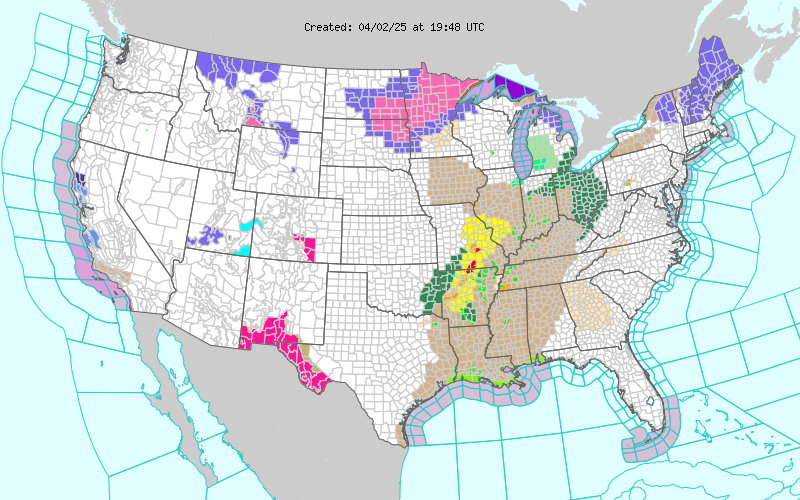
The image is a live image for the National Weather Service server. It gets updated on Real time.
Current Conditions Across the Central Plains and Midwest
The Central Zone is currently under the influence of a sprawling cold air mass, though its intensity varies considerably from west to east and north to south. As of this evening, the northern reaches are experiencing truly frigid conditions. Cities like Fargo, North Dakota, are already registering temperatures well below zero, with a bone-chilling -7°F tonight, dropping further to -13°F by tomorrow morning. Nearby Minneapolis, Minnesota, is only slightly warmer at -2°F tonight, dipping to -4°F with isolated snow showers. This deep freeze is a characteristic hallmark of a continental winter, driven by arctic air masses descending from Canada.
Moving south into the Upper Midwest, the cold remains potent, accompanied by more active weather. Sioux Falls, South Dakota, will see temperatures around 6°F tonight, falling to 5°F by morning, with snow likely. Omaha, Nebraska, and Des Moines, Iowa, are also firmly in winter's grip, with temperatures in the high teens tonight and dropping into the single digits by morning. Des Moines, in particular, has a chance of snow showers tonight, intensifying to snow tomorrow morning, while Omaha expects a chance of light snow. These conditions highlight the dynamic nature of winter weather systems in this part of the country, where even a slight shift in a low-pressure track can mean the difference between flurries and significant accumulation.
Further east, the Great Lakes region is bracing for its own share of winter weather. Milwaukee, Wisconsin, and Chicago, Illinois, are experiencing temperatures in the mid-20s tonight, but a dramatic drop is expected, with Milwaukee plummeting to a frigid 1°F and Chicago to 9°F by tomorrow morning, both with chances of snow. Detroit, Michigan, will see a chilly 26°F tonight, reaching 20°F tomorrow, mostly cloudy. These areas are particularly susceptible to lake-effect snow, though the immediate forecast points to more general snowfall associated with the broader cold front.
The central and southern parts of the zone, including much of Missouri, Kansas, Indiana, and Kentucky, will experience cold, but less extreme, conditions. Kansas City, Missouri, and St. Louis, Missouri, will hover in the low 30s tonight, falling to the mid-20s by morning, under mostly cloudy skies. Wichita, Kansas, will be slightly milder at 36°F tonight, dropping to 30°F tomorrow, with partly cloudy conditions. Indianapolis, Indiana, and Louisville, Kentucky, will also see temperatures in the low 30s tonight, dipping into the 20s by morning, with a chance of light snow for Indianapolis.
Out west, in the High Plains of Colorado, the weather presents a stark contrast. Denver, Colorado, the primary city for this zone, will enjoy a relatively mild 48°F tonight, cooling to 42°F and sunny tomorrow. Colorado Springs, Colorado, mirrors this pattern, with 41°F tonight and 42°F tomorrow, also sunny. This warmer trend is typical for cities along the Front Range when high pressure dominates or when downslope winds (like a Chinook) occur, often sheltering them from the intense cold that grips areas further east.
Diving Deeper: City-Specific Forecasts for Tonight and Tomorrow Morning
Let's break down the forecast for individual cities, offering a clearer picture of what to expect as the night progresses and the new day dawns:
- Denver, CO: Tonight, expect partly cloudy skies with a comfortable 48°F. By tomorrow morning, the sun will emerge, bringing temperatures to a pleasant 42°F with winds around 10 mph.
- Colorado Springs, CO: Similar to Denver, partly cloudy tonight at 41°F. Tomorrow morning will be sunny and 42°F, but with slightly brisker winds reaching 15 mph.
- Wichita, KS: Tonight, partly cloudy and 36°F with light winds. Tomorrow morning, mostly sunny and 30°F, with winds picking up slightly to 7 mph.
- St. Louis, MO: Cloudy conditions tonight, with temperatures around 32°F. Tomorrow morning, expect mostly cloudy skies and a colder 25°F.
- Sioux Falls, SD: Mostly cloudy tonight at 6°F. Snow is likely by tomorrow morning, with temperatures holding steady at 5°F.
- Omaha, NE: Cloudy tonight with a cold 18°F and winds up to 13 mph. A chance of light snow tomorrow morning as temperatures drop to 15°F.
- Minneapolis, MN: Isolated snow showers tonight and a frigid -2°F. Tomorrow morning, mostly cloudy and even colder at -4°F.
- Milwaukee, WI: Snow showers are expected tonight with temperatures at 26°F and gusty winds at 15 mph. A dramatic drop to 1°F tomorrow morning under partly sunny skies, with winds remaining strong.
- Louisville, KY: Mostly cloudy tonight at 31°F. Cloudy tomorrow morning, with temperatures maintaining around 30°F.
- Kansas City, MO: Mostly cloudy tonight, 31°F. Tomorrow morning, still mostly cloudy and colder at 25°F.
- Indianapolis, IN: Mostly cloudy tonight at 30°F. A chance of light snow tomorrow morning as temperatures fall to 24°F.
- Fargo, ND: Mostly cloudy tonight, with an extreme -7°F. Tomorrow morning will be sunny but even colder at -13°F.
- Detroit, MI: Cloudy tonight at 26°F. Mostly cloudy tomorrow morning, with temperatures at 20°F and winds increasing to 14 mph.
- Des Moines, IA: Chance of snow showers tonight at 18°F and brisk winds. Snow is expected tomorrow morning, with temperatures dropping significantly to 8°F.
- Chicago, IL: Cloudy tonight with snow showers possible, 26°F and winds at 15 mph. A slight chance of snow tomorrow morning, with a sharp drop to 9°F and continued strong winds.
Understanding the Atmospheric Drivers: Why This Weather Now?
The current weather pattern across the Central US is a classic illustration of late autumn transitioning into deep winter. The primary driver is a broad, high-pressure system centered over Western Canada, which is effectively funneling frigid Arctic air southward into the northern and central plains. This cold air mass, dense and dry, is responsible for the plummeting temperatures observed in North Dakota, Minnesota, and parts of the Upper Midwest.
As this cold air interacts with lingering moisture and potentially a series of shortwave troughs (minor disturbances in the upper atmosphere), it creates conditions ripe for precipitation. The snow chances observed from Sioux Falls down through Des Moines, Omaha, and into the Great Lakes region are largely attributable to this interaction. Low-pressure systems often develop or intensify along the boundary where the cold, dry air meets warmer, more moist air, drawing moisture from the Gulf of Mexico or the Great Lakes and converting it into snow as it encounters the sub-freezing temperatures.
The significant temperature gradient across the zone – from sub-zero in Fargo to nearly 50°F in Denver – is also a key feature. Denver and Colorado Springs, situated along the Front Range of the Rocky Mountains, often experience different weather dynamics. When a high-pressure system is positioned to their west or north, it can create downslope winds (like a Chinook effect) that warm and dry the air as it descends the mountains, providing a temporary reprieve from the widespread cold. This "rain shadow" or "snow shadow" effect explains why these Colorado cities are enjoying comparatively milder, sunnier conditions while their eastern counterparts are grappling with snow and bitter cold.
The wind speeds, particularly in areas like Milwaukee, Chicago, and Omaha, are also a crucial factor. Even moderate winds can significantly amplify the sensation of cold, leading to dangerous wind chill values. This is especially true when temperatures are already in the single digits or below zero, making outdoor exposure hazardous.
Agricultural Impact and Rural Considerations
For the vast agricultural heartland of the Central Zone, these winter conditions carry significant implications. While most field crops like corn and soybeans have long been harvested, the impact on winter wheat, livestock, and farm infrastructure is considerable.
- Winter Wheat: Many parts of Kansas, Nebraska, and Missouri are major winter wheat producers. The current cold snap, especially where there is adequate snow cover, can actually be beneficial. Snow acts as an insulating blanket, protecting the dormant wheat plants from extreme cold and preventing winterkill. However, areas with bitter cold and little to no snow cover are at higher risk.
- Livestock: Farmers and ranchers must take extra precautions to protect cattle, hogs, and other livestock from the frigid temperatures and biting winds. Adequate shelter, dry bedding, and increased feed rations are essential to help animals maintain body heat and prevent cold stress, which can lead to illness and reduced productivity. Access to unfrozen water sources is also critical.
- Farm Infrastructure: Frozen pipes are a common and costly problem during severe cold. Farmers need to ensure water lines to barns, troughs, and other facilities are properly insulated or drained. Vehicle and equipment maintenance, including fuel gelling prevention and battery checks, becomes paramount for operations in the cold.
- Rural Travel: Secondary and unpaved roads in rural areas can become particularly treacherous with snow and ice, making travel for essential farm tasks or emergency services challenging.
The variability in snow cover across the region means some areas are better protected than others, underscoring the localized nature of winter's agricultural challenges.
Travel Advisories and Commuter Outlook
Travel across the Central Zone will be impacted, particularly in the northern and eastern portions where snow and ice are expected. Commuters and long-distance travelers alike should exercise extreme caution.
- Road Conditions: In areas like Sioux Falls, Des Moines, Omaha, Milwaukee, and Chicago, where snow is likely or possible, roads can quickly become slick and hazardous. Even light snow can reduce visibility and create icy patches, especially on bridges and overpasses. Drivers should anticipate longer commute times, reduce speeds, and increase following distances. Black ice, a thin layer of ice that is difficult to see, is a significant danger during these cold conditions.
- Wind Chill: With strong winds accompanying the cold, particularly in the Upper Midwest and Great Lakes, wind chill values will be dangerously low. Exposed skin can suffer frostbite in a matter of minutes. Anyone needing to travel should dress in multiple layers and ensure their vehicle is winter-ready.
- Air Travel: While no major alerts are currently in place, snow and reduced visibility in cities like Minneapolis, Milwaukee, and Chicago could lead to minor flight delays or cancellations. Travelers flying through these hubs should check with their airlines for the latest updates.
- Vehicle Preparedness: Before embarking on any journey, ensure your vehicle's tires are properly inflated, fluid levels are adequate, and the battery is in good condition. Keep an emergency kit in your car, including blankets, a flashlight, jumper cables, a fully charged phone, and some non-perishable food and water.
For those in Denver and Colorado Springs, travel conditions will be much more favorable, with sunny skies and milder temperatures. However, mountain passes surrounding these areas can still experience significant winter weather, so always check specific route conditions if heading into the Rockies.
Preparing for the Cold: Essential Tips for Residents
With such a widespread cold snap, preparedness is key for all residents in the Central Zone. Taking proactive steps can ensure safety and comfort during this winter weather event.
- Home Heating and Insulation: Ensure your heating system is functioning properly. Seal any drafts around windows and doors. Consider insulating exposed pipes, especially those in unheated areas like basements or crawl spaces, to prevent freezing and bursting. Keep cabinet doors under sinks open to allow warmer air to circulate around pipes.
- Layer Up: When venturing outdoors, dress in multiple layers of warm clothing. A waterproof outer layer is advisable in areas expecting snow. Don't forget hats, gloves, and warm, waterproof footwear. Remember that children and the elderly are particularly vulnerable to cold-related illnesses.
- Emergency Supplies: Have an emergency kit readily accessible. This should include flashlights, extra batteries, a first-aid kit, a supply of non-perishable food and water, and any necessary medications. Power outages, though not currently forecast, are always a possibility during winter storms.
- Carbon Monoxide Safety: If using alternative heating sources like space heaters, ensure they are in good working order and used according to manufacturer instructions. Never use a generator or grill indoors, as they produce deadly carbon monoxide. Install and check carbon monoxide detectors in your home.
- Pet Safety: Bring pets indoors during extreme cold. If they must be outside for short periods, ensure they have adequate shelter, food, and unfrozen water.
- Check on Neighbors: Take a moment to check on elderly neighbors or those who may be vulnerable and need assistance during the cold weather. Community support is vital during challenging conditions.
A Look Back: Historical Context of Winter in the Central Zone
The Central Zone of the United States is no stranger to severe winter weather. December, in particular, often marks the full transition into winter, bringing with it a wide array of conditions that can range from relatively mild and dry to brutally cold with heavy snowfall. Historically, this region has experienced some of the most dramatic winter events in the nation.
For instance, the infamous "Children's Blizzard" of January 1888 swept across the Great Plains, bringing a sudden, catastrophic cold front and blizzard conditions that caught many unprepared. While today's forecasting capabilities are vastly superior, it serves as a stark reminder of the region's vulnerability to rapid weather changes. More recently, the winter of 2013-2014 saw prolonged periods of extreme cold and heavy snow, particularly across the Upper Midwest, leading to widespread disruptions and significant economic impact.
The variability is also notable. Some Decembers can be relatively mild, delaying the onset of significant snow, while others, like the one we are currently observing, plunge directly into deep winter conditions. This variability is influenced by large-scale atmospheric patterns such as the Arctic Oscillation (AO) and the North Atlantic Oscillation (NAO), which dictate the strength and trajectory of cold air masses from the polar regions. A negative phase of the AO, for example, often correlates with colder outbreaks across the central and eastern US, allowing the polar vortex to expand southward.
Understanding this historical context helps residents appreciate the current forecast not as an anomaly, but as a recurring, albeit intense, feature of the Central Zone's climate. It reinforces the importance of consistent preparedness, regardless of how mild previous winters may have been.
Beyond Tomorrow: What's Next for the Central US?
While our immediate focus is on tonight and tomorrow morning, the broader atmospheric patterns suggest that the Central US will remain under the influence of cold air for the foreseeable future. The current cold snap is likely to persist for several days, with temperatures struggling to climb above freezing in many areas, particularly across the northern plains and much of the Midwest.
Forecasters will be closely monitoring the potential for subsequent cold fronts and developing low-pressure systems that could bring additional rounds of snow or even more intense cold. The jet stream, which often acts as a highway for storm systems, appears poised to remain in a configuration that will continue to direct cold air southward and provide opportunities for winter precipitation.
Residents should view this forecast as the beginning of a sustained period of winter weather rather than an isolated event. Continued vigilance, adherence to safety guidelines, and regular checks of updated forecasts will be essential as we move deeper into the winter season. Stay warm, stay safe, and be prepared for what Mother Nature has in store for the heartland.
This detailed outlook aims to provide comprehensive information for residents and travelers across the Central Zone. By understanding the forecast, its drivers, and its potential impacts, you can navigate the coming days with greater confidence and safety.
This post is created using the public data provided by the National Weather Service. Please check the Original source for more information.

Comments
Post a Comment
Please leave a comment.