Central US Weather Alert: Snow, Wind & Rain Ahead! Your Full Forecast
Central US Braces for Dynamic Winter Weather: Snow, Wind, and Shifting Conditions
The heartland of America, from the Rocky Mountains to the Great Lakes, is currently experiencing a diverse and dynamic weather pattern that promises to keep residents on their toes over the next 24 hours. While some areas are basking in surprisingly mild, sunny conditions, others are already grappling with significant snowfall and biting winds, signaling the true arrival of December's chill. This comprehensive forecast will guide you through the current conditions, what to expect overnight and into tomorrow, and crucial preparedness advice to ensure you and your family remain safe and informed.
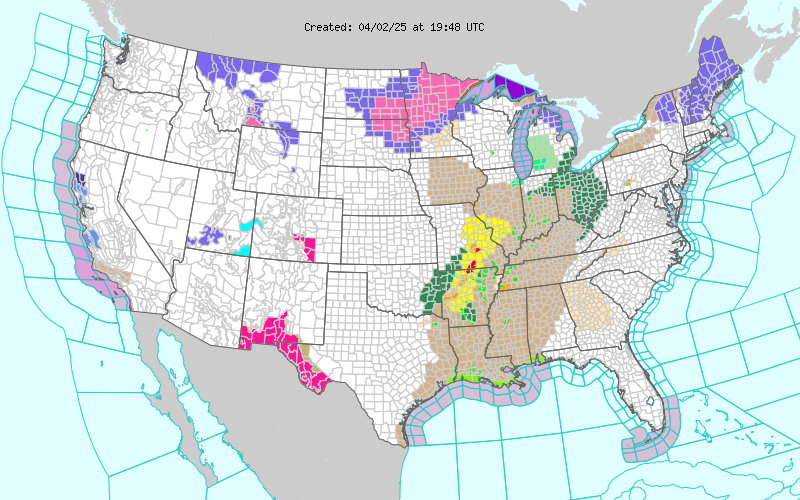
The image is a live image for the National Weather Service server. It gets updated on Real time.
Current Conditions Across the Central Zone
As of late afternoon on December 9th, the Central United States presents a stark contrast in atmospheric conditions. Out west, in the shadows of the Rockies, cities like Denver, Colorado, are enjoying a remarkably pleasant day. After a chilly start at 34°F this morning, temperatures have soared to a comfortable 59°F under mostly sunny skies, accompanied by gentle 13 mph winds. Similarly, Colorado Springs saw partly sunny conditions with temperatures around 48°F and light 5 mph winds.
Moving eastward into the Southern Plains, Wichita, Kansas, and Kansas City, Missouri, are also experiencing unseasonably warm and bright conditions. Wichita reports sunny skies at 52°F with 13 mph winds, while Kansas City is mostly sunny at 52°F with 12 mph winds. Further east, St. Louis, Missouri, echoes this trend, enjoying mostly sunny weather at 54°F and light 9 mph winds, creating a brief respite before potential changes.
However, the narrative shifts dramatically as we look north and into the Upper Midwest. A significant winter system is making its presence felt. In Minneapolis, Minnesota, heavy snow is actively falling, with temperatures hovering around a frigid 28°F and winds at 10 mph. Just to the north, Fargo, North Dakota, is also entrenched in snowfall, with temperatures even colder at 25°F and 13 mph winds, creating challenging travel conditions.
The line between rain and snow is finely drawn in other parts of the Upper Midwest. Sioux Falls, South Dakota, is seeing light rain at 36°F with 5 mph winds, suggesting temperatures are just above freezing. Nearby, Omaha, Nebraska, is partly sunny at 50°F with 9 mph winds, and Des Moines, Iowa, is cloudy at 37°F with 10 mph winds. Further east, Milwaukee, Wisconsin, is cloudy at 31°F with 10 mph winds, while Chicago, Illinois, is mostly cloudy at 36°F with 15 mph winds.
Towards the Ohio Valley, a mix of conditions prevails. Indianapolis, Indiana, is partly sunny at 42°F with 14 mph winds, and Louisville, Kentucky, is enjoying sunny skies at 45°F with 12 mph winds. Meanwhile, Detroit, Michigan, is cloudy at 33°F with 16 mph winds, hinting at the colder air mass influencing the Great Lakes region.
Looking Ahead: The Next 24 Hours Will Bring Significant Shifts
As we transition from day to night and into early tomorrow, the Central Zone will experience notable changes, particularly concerning temperatures, wind, and precipitation types. The mild conditions in the southern and western parts of the zone will give way to cooler air, while the northern tier will continue to battle winter's grip, with an added threat of blowing snow.
- Northern Plains & Upper Midwest: The winter storm will persist and intensify in some areas. Minneapolis will continue to see a chance of light snow and patchy blowing snow overnight, with temperatures dipping slightly to 26°F and winds picking up to 20 mph. Fargo will remain very cold at 18°F with a chance of light snow and increasing winds to 22 mph, making for very low wind chill values and potential for hazardous travel due to reduced visibility. Sioux Falls will see a dramatic shift, with temperatures dropping to 28°F and strong 30 mph winds creating patchy blowing snow, a significant hazard for motorists.
- Central Midwest: Winds will become a dominant factor across much of this region. Omaha will experience partly cloudy skies but with strong 24 mph winds as temperatures fall to 41°F. Des Moines will also be mostly cloudy and windy, with gusts up to 25 mph and temperatures holding at 36°F. Chicago will see temperatures rise slightly to 37°F but with a chance of rain and strong 25 mph winds. Milwaukee has a chance of light rain with temperatures rising slightly to 35°F and 15 mph winds.
- Ohio Valley & Eastern Midwest: Precipitation is expected to move into these areas. Indianapolis will likely see light rain overnight with temperatures cooling to 40°F and winds increasing to 18 mph. Louisville has a slight chance of rain showers as temperatures drop to 41°F with 15 mph winds. St. Louis also has a slight chance of light rain with temperatures cooling to 47°F and winds picking up to 14 mph. Detroit will experience a mix of rain and snow, with temperatures holding steady at 33°F and 13 mph winds, creating potentially slick conditions.
- Rocky Mountain Front Range: The clear conditions will largely continue, but temperatures will cool. Denver will see mostly sunny skies but a significant cool-down from its daytime high, with evening temperatures around 59°F. Colorado Springs will become mostly cloudy, with temperatures dropping to 41°F and winds increasing to 10 mph.
Regional Highlights and Impact Considerations
This dynamic weather pattern carries specific implications for different sub-regions of the Central Zone. Understanding these localized impacts is crucial for effective planning and safety.
Northern Plains: A True Winter Grip
For North Dakota, South Dakota, and northern Minnesota, the primary concern is the ongoing and intensifying winter weather. Heavy snow, coupled with strong winds, will lead to reduced visibility, especially in open areas, and significant drifting snow. Travel advisories are highly likely, and road closures are a distinct possibility, particularly on rural routes. The combination of low temperatures and strong winds will create dangerously cold wind chill values, posing a threat of frostbite and hypothermia for anyone exposed for extended periods. Livestock producers in these areas should ensure animals have adequate shelter and access to unfrozen water. The accumulating snow, while challenging, does contribute to the region's overall soil moisture, which can be beneficial for spring planting, but immediate impacts are largely negative for transportation and outdoor activities.
Central Midwest: A Mix of Precipitation and Strong Winds
From Nebraska and Iowa through Illinois and into Missouri, the forecast is for a transition from milder conditions to cooler temperatures, accompanied by increasing winds and a mix of light rain or even a chance of light snow. The strong winds, particularly in areas like Omaha, Des Moines, and Chicago, could lead to power outages, especially where trees still hold leaves or where infrastructure is vulnerable. Motorists should be prepared for slick spots on roads where rain may fall on surfaces near or below freezing, and high winds can make driving high-profile vehicles challenging. Agricultural operations in this region, particularly those dealing with late-season harvests or preparing fields for winter, will need to monitor conditions closely for optimal timing.
Ohio Valley and Eastern Midwest: Rain and Winter Mix
Indiana, Kentucky, and parts of Michigan will experience mostly rain, with some areas like Detroit seeing a rain and snow mix. While widespread heavy precipitation isn't indicated, even light rain on cold surfaces can lead to black ice, a significant driving hazard. The fluctuating temperatures around freezing in Detroit mean that roads could become very slick very quickly. Residents should be mindful of localized flooding in areas with poor drainage and ensure gutters and storm drains are clear of debris. For agriculture, this late-season moisture can be beneficial for ground hydration, but the chill could impact any remaining outdoor operations.
Rocky Mountain Front Range: Brief Warmth, Then Typical December Chill
Denver and Colorado Springs will enjoy a brief period of unseasonably warm weather before returning to more typical December temperatures overnight. While no significant precipitation is expected, the rapid temperature swing means that any lingering moisture on roads could freeze, creating patchy ice. Those planning mountain travel should always exercise caution, as conditions can change rapidly at higher elevations, even when the front range remains clear. The dry, windy conditions can also increase fire danger in some areas, even in winter.
Weather History and Climate Context
December in the Central United States is historically a month of transition and often, the onset of true winter. While the region is known for its dramatic temperature swings, a 59°F day in Denver in early December is certainly on the milder side of average. Conversely, heavy snow in Minneapolis and Fargo is quite typical for this time of year, as arctic air masses frequently plunge south, clashing with moisture-laden systems. The variability seen in this forecast—from near-springlike warmth in Colorado and Kansas to blizzard-like conditions in the Dakotas—is a hallmark of the continental climate that defines the Central US.
Understanding these historical patterns helps us contextualize current events. While the overall trend might be towards colder, snowier conditions as winter progresses, these early December systems often serve as a prelude, testing our preparedness. The interaction of cold, dry air from Canada with warmer, moister air from the Gulf of Mexico is a classic setup for the diverse precipitation types and strong winds we are observing, highlighting the region's unique meteorological crossroads.
Essential Preparedness Tips for the Central Zone
Given the diverse and challenging weather expected, preparedness is paramount. Here are critical steps you can take:
- Monitor Local Forecasts: Conditions can change rapidly, especially with dynamic systems. Stay updated with your local National Weather Service office and trusted weather apps.
- Travel Safety:
- Road Conditions: If snow or ice is forecast, consider postponing non-essential travel. If you must drive, check road conditions before departing.
- Vehicle Readiness: Ensure your vehicle's tires are properly inflated and have good tread. Top off fluids, check your battery, and keep your gas tank at least half full.
- Emergency Kit: Always carry an emergency kit in your car. This should include blankets, a first-aid kit, a flashlight with extra batteries, non-perishable food, water, a shovel, jumper cables, and a fully charged cell phone.
- Visibility: Be aware of reduced visibility due to snow, blowing snow, or rain. Drive slowly and increase following distances.
- Home Preparedness:
- Heating Systems: Ensure your heating system is in good working order. Have carbon monoxide detectors with fresh batteries.
- Insulation: Check for drafts around windows and doors. Consider insulating exposed pipes to prevent freezing, especially in colder areas.
- Emergency Supplies: Have a supply of non-perishable food, water, and any necessary medications. Keep flashlights and battery-powered radios handy.
- Generator Safety: If you use a generator, operate it outdoors in a well-ventilated area, away from windows and doors, to prevent carbon monoxide poisoning.
- Personal Safety:
- Layered Clothing: When venturing outdoors in colder areas, dress in layers. Wear a hat, gloves or mittens, and waterproof outer layers.
- Protect from Wind Chill: Be mindful of wind chill, which can make temperatures feel significantly colder than the actual air temperature, increasing the risk of frostbite.
- Check on Neighbors: Reach out to elderly neighbors or those who may need assistance during severe weather.
- Agricultural Considerations: Livestock producers should ensure animals have adequate shelter, bedding, and access to unfrozen water. Protect sensitive equipment from freezing temperatures.
Staying Informed is Your Best Defense
In a region as vast and meteorologically active as the Central United States, staying informed is your most powerful tool against the unpredictability of winter weather. Rely on official sources such as the National Weather Service (NWS) for the most accurate and up-to-date information. Many local news outlets and weather apps also provide excellent localized forecasts and alerts. Remember that conditions can evolve quickly, so a quick check of the forecast before heading out or making plans can save you from unexpected hazards.
As this complex weather system unfolds, the key message for everyone in the Central Zone is vigilance and preparedness. Whether you're enjoying a mild afternoon in Colorado or navigating snowy roads in Minnesota, understanding the specific risks in your area and taking proactive steps will ensure a safer and more comfortable experience through this dynamic winter period.
This post is created using the public data provided by the National Weather Service. Please check the Original source for more information.

Comments
Post a Comment
Please leave a comment.