Central US Weather: Chilly December 12th Forecast & Winter Prep
Central US Weather: A Diverse and Chilly December 12th Forecast
As the calendar turns to December 12th, 2025, the heartland of America, stretching across the vast Central Zone, is bracing for a day marked by significant temperature variations and a mix of winter weather conditions. From the frosty grip of the northern plains to the relatively milder air of the Colorado Front Range, residents across this expansive and agriculturally vital region will experience a diverse atmospheric tapestry. While widespread severe weather alerts are not currently in effect, localized snowfall, brisk winds, and persistently cold temperatures in many areas warrant attention and preparedness.
This detailed outlook will guide you through the conditions expected today, offering insights into regional specifics, potential impacts on daily life, travel, and agriculture, and crucial preparedness advice to navigate the season safely and comfortably.
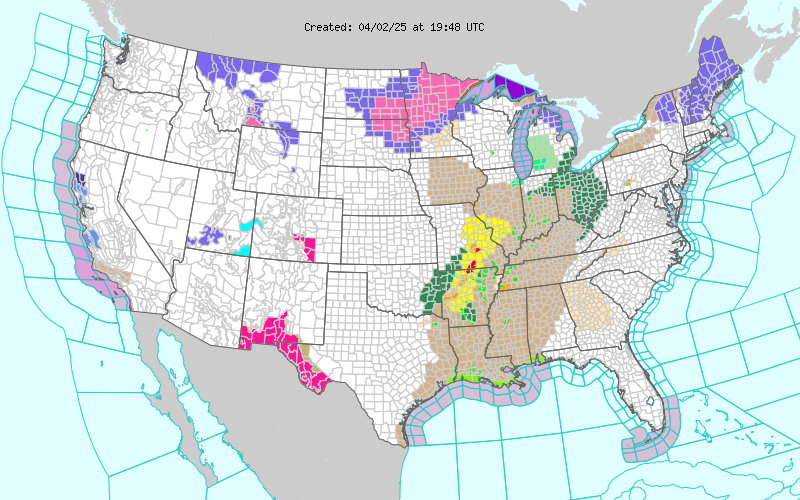
The image is a live image for the National Weather Service server. It gets updated on Real time.
A Snapshot of December 12th: Varied Conditions Across the Central Zone
The Central United States is a region of immense geographical and climatic diversity, and today's forecast perfectly illustrates this. A strong temperature gradient is evident, with mercury plummeting to single digits and even below zero in the northernmost states, while areas further south and west enjoy temperatures well above freezing. Cloud cover will be a common theme for many, though glimpses of sunshine are expected to break through in various locales as the day progresses.
Light snowfall is anticipated in several key areas, particularly across parts of the Upper Midwest and Ohio Valley, which could lead to slick conditions and minor travel disruptions. Winds, while generally moderate, will contribute to a significant wind chill factor in the colder northern zones, making outdoor exposure feel even more biting.
The Northern Tier: A Frigid Start to the Day
- Minneapolis, MN: Residents will wake up to a frigid 5°F under mostly cloudy skies with calm winds. By afternoon, temperatures will climb slightly to 13°F, accompanied by increasing winds of 15 mph, making it feel even colder.
- Fargo, ND: Expect a cold morning at 15°F with 10 mph winds and light snow likely. The afternoon brings a sharp drop to -2°F, with winds picking up to 17 mph, creating dangerously low wind chills.
- Sioux Falls, SD: A chilly 21°F with calm winds and mostly cloudy conditions in the morning. Temperatures will drop significantly to 10°F by afternoon, with winds increasing to 15 mph, maintaining a cold environment.
- Milwaukee, WI: Starting at 14°F with calm winds and mostly cloudy skies. The afternoon sees a rise to 25°F with 10 mph winds and a chance of light snow.
For these northern cities, the day will be characterized by extreme cold. The combination of low temperatures and moderate winds will create significant wind chill factors, posing risks for frostbite and hypothermia for anyone spending extended periods outdoors. This is typical for December in these latitudes, where arctic air masses frequently descend, bringing with them the true essence of winter.
The Mid-Continent: A Mixed Bag of Clouds and Light Snow
- Omaha, NE: Morning temperatures will be around 26°F with 6 mph winds under mostly cloudy skies. The afternoon will see 30°F with 12 mph winds and cloudy conditions.
- Des Moines, IA: Similar to Omaha, starting at 20°F with 5 mph winds and mostly cloudy skies. Afternoon temperatures will reach 27°F with 10 mph winds, remaining mostly cloudy.
- Chicago, IL: A morning low of 28°F with calm winds and mostly cloudy skies. The afternoon will warm slightly to 30°F with 10 mph winds, staying mostly cloudy.
- Indianapolis, IN: Expect 29°F with 5 mph winds and light snow in the morning. By afternoon, temperatures will be 33°F with lighter 3 mph winds under cloudy skies.
- Detroit, MI: Morning temperatures around 25°F with 6 mph winds and mostly cloudy conditions. The afternoon brings 28°F with continued 6 mph winds and partly sunny skies.
- Louisville, KY: Starting at 31°F with light 2 mph winds and snow showers. The afternoon will see 38°F with 3 mph winds and mostly cloudy skies.
- St. Louis, MO: A chilly 33°F with 7 mph winds and mostly cloudy conditions in the morning. Temperatures will rise to 38°F with 9 mph winds, remaining mostly cloudy in the afternoon.
- Kansas City, MO: Morning at 30°F with 7 mph winds and partly cloudy skies. The afternoon will be milder at 38°F with 8 mph winds and mostly sunny conditions.
This central belt of states will experience a more moderate, though still distinctly wintery, day. The presence of light snow in areas like Indianapolis, Louisville, and Milwaukee suggests the lingering effects of a weak weather system or moisture interacting with cold air. Cloud cover will be prevalent, limiting sunshine for many, but temperatures will generally hover around or just above freezing, making for damp and chilly conditions rather than extreme cold.
The Southern Plains and Rockies: Milder Air Prevails
- Denver, CO: A comparatively mild morning at 49°F with light 6 mph winds and partly cloudy skies. The afternoon will be quite pleasant at 58°F with continued 6 mph winds and mostly sunny conditions.
- Colorado Springs, CO: Similar to Denver, starting at 48°F with 10 mph winds and mostly cloudy skies. By afternoon, it will be sunny with 54°F and lighter 5 mph winds.
- Wichita, KS: Morning temperatures around 44°F with 8 mph winds and mostly cloudy skies. The afternoon will remain at 44°F with 8 mph winds, transitioning to mostly sunny.
The western and southern edges of the Central Zone stand in stark contrast to their northern counterparts. Cities like Denver, Colorado Springs, and Wichita will enjoy significantly milder temperatures, with Denver even approaching 60°F. This warmth is likely due to a combination of downslope warming effects from the Rockies and a more southerly air mass dominating this portion of the region. While there will be some cloudiness, ample sunshine is expected to break through, offering a welcome respite from the deeper winter chill experienced elsewhere.
Understanding the Atmospheric Dynamics at Play
The diverse weather patterns across the Central US on December 12th are a classic example of winter atmospheric dynamics. The extreme cold in the northern states is indicative of a lingering or freshly arrived arctic air mass, a common feature of December weather. This cold air typically originates from Canada and sweeps southward, often ushered in by high-pressure systems.
The light snow and cloudy conditions observed across the Midwest and Ohio Valley suggest the presence of a weak low-pressure system or a frontal boundary. Even without significant moisture, the interaction of cold air with available humidity can produce light snow or flurries, especially in areas influenced by the Great Lakes. Lake-effect snow, while not explicitly indicated as heavy, could contribute to the chance of light snow in areas like Milwaukee and Detroit.
Conversely, the warmer temperatures in Colorado and parts of Kansas point to either a high-pressure ridge providing subsidence and warming, or a westerly flow bringing milder air off the Pacific, potentially enhanced by adiabatic warming as air descends the eastern slopes of the Rocky Mountains. This stark contrast highlights the immense scale of the Central Zone and the complex interplay of continental air masses, topography, and synoptic weather systems that define its winter climate.
Historically, December in the Central US is a transitional month. While early December might still see remnants of autumn, by mid-December, true winter conditions, including significant cold and snowfall, become more prevalent, especially in the northern half. The current forecast aligns well with these historical trends, showcasing the region's susceptibility to sharp temperature drops and localized winter precipitation, even without major storm systems.
Potential Impacts: Agriculture, Travel, and Daily Life
Even without severe weather alerts, the conditions forecast for December 12th will have tangible impacts across the Central Zone.
Agricultural Considerations
The Central US is the breadbasket of the nation, and winter weather plays a critical role in its agricultural cycle. For northern states experiencing sub-zero temperatures, livestock care becomes paramount. Farmers must ensure animals have adequate shelter, feed, and unfrozen water sources. The extreme cold can stress animals, leading to health issues if not properly managed. For winter wheat, snow cover, even light, can act as an insulating blanket, protecting the dormant crop from the harsh cold and strong winds. However, areas with exposed fields will see crops vulnerable to desiccation and freeze damage.
Further south, where temperatures are milder, the impact is less severe, but the cold still means a halt to most outdoor agricultural work. Equipment maintenance and indoor tasks become the focus. The general chill affects energy consumption for heated barns and facilities across the entire region.
Travel Advisories
While no major blizzards are on the horizon, the forecast for light snow in cities like Fargo, Milwaukee, Indianapolis, and Louisville means roads could become slick. Motorists should exercise extreme caution, especially during morning commutes when temperatures are lowest and black ice can form on untreated surfaces. Reduced visibility from snow flurries, even light ones, can also pose a hazard. Drivers should ensure their vehicles are winter-ready, with good tires, adequate fluid levels, and emergency kits.
Air travel might experience minor delays, particularly at major hubs like Chicago O'Hare (ORD), Minneapolis-St. Paul (MSP), and Detroit Metro (DTW), due to de-icing procedures or reduced visibility, even if the primary airports themselves aren't receiving heavy snow. Passengers flying into or out of these regions should check their flight status before heading to the airport.
Daily Life and Energy Consumption
The widespread cold will undoubtedly lead to increased heating demands across the Central Zone. Utility companies will likely see spikes in natural gas and electricity usage, potentially impacting energy grids. Residents should ensure their heating systems are functioning efficiently and consider setting thermostats to energy-saving temperatures when away from home.
Outdoor activities will be limited, especially in the frigid north. For those venturing out, proper layering and protection against wind chill are essential. Schools and businesses will generally operate as normal given the lack of severe alerts, but localized decisions might be made in areas with more persistent snowfall or extreme cold. It's a day to embrace indoor activities or bundle up thoroughly for any necessary outdoor excursions.
Essential Preparedness Tips for Winter Weather
Winter in the Central US demands a proactive approach to safety and comfort. Here are some essential tips to keep in mind, especially with the diverse conditions expected today and through the season:
- Stay Informed: Always monitor local weather forecasts from reliable sources. Conditions can change rapidly, especially in winter.
- Dress in Layers: When heading outdoors in cold areas, wear multiple layers of clothing. This traps air and provides better insulation than a single heavy garment. Don't forget hats, gloves, and waterproof footwear.
- Vehicle Readiness: Ensure your car's battery is strong, tires have good tread, and fluids (antifreeze, windshield washer fluid) are topped off. Keep your gas tank at least half full to prevent fuel line freezing.
- Emergency Car Kit: Stock your vehicle with essentials like blankets, a flashlight, extra warm clothing, jumper cables, a first-aid kit, non-perishable food, water, and a small shovel.
- Home Heating Safety: Have your furnace inspected annually. Ensure smoke detectors and carbon monoxide detectors are working. Never use a gas stove or oven to heat your home.
- Prevent Frozen Pipes: Insulate exposed pipes. If temperatures are extremely low, consider letting a faucet drip slowly to keep water moving through pipes, especially those on exterior walls.
- Mind the Wind Chill: Even if the air temperature isn't extremely low, strong winds can make it feel much colder, significantly increasing the risk of frostbite. Limit exposed skin and time outdoors during high wind chill conditions.
- Check on Neighbors: Elderly neighbors or those with health conditions may be more vulnerable to extreme cold. A quick check-in can make a big difference.
- Pet Safety: Bring pets indoors when temperatures drop significantly. If they must be outside, ensure they have adequate shelter, warmth, and unfrozen water.
Looking Ahead: What's Next for the Central Zone?
While today's forecast highlights a specific set of conditions, the broader winter outlook for the Central US typically involves continued fluctuations. The current pattern, with cold air dominating the north and milder conditions to the south, is a common setup. However, these air masses are rarely static. We can anticipate shifts in the coming days and weeks, with the potential for arctic fronts to push further south, bringing widespread cold, or for warmer systems to temporarily advance northward.
Residents should prepare for the possibility of more significant snowfall events as winter progresses. December often serves as a precursor to the deeper winter months of January and February, which can bring more intense cold, heavier snow, and ice storms. Staying prepared and informed throughout the season is the best defense against winter's challenges.
In conclusion, December 12th offers a quintessential snapshot of winter in the Central United States – a region of contrasts, where one can find frigid arctic air, light snow flurries, and surprisingly mild, sunny skies all on the same day. By understanding these dynamics and taking proactive steps to prepare, residents can navigate the season safely and comfortably.
This post is created using the public data provided by the National Weather Service. Please check the Original source for more information.

Comments
Post a Comment
Please leave a comment.