Central US Winter Chill: Clear Skies & Frigid Mornings Ahead
Central US Braces for Widespread Winter Chill Under Clear Skies
As December 14, 2025, dawns across the vast expanse of the Central United States, residents are waking up to a quintessential winter scene: crisp, clear skies dominating the forecast, but with a significant and widespread cold air mass firmly in place. From the northern reaches of the Dakotas down to the Ohio Valley and stretching west to the Colorado Front Range, a dry and stable atmospheric pattern is bringing a day of sunshine, albeit one accompanied by decidedly frigid temperatures. While the lack of major precipitation is a welcome reprieve for many, the persistent cold demands attention to preparedness and safety, especially as conditions vary dramatically from one state to another within this expansive zone.
This forecast paints a picture of stark contrasts, with some areas experiencing dangerously cold, sub-zero Fahrenheit temperatures, while others enjoy relatively milder, though still chilly, conditions. Understanding these regional nuances is key to navigating the day safely and comfortably. Our detailed analysis will delve into current conditions, what to expect as the day progresses, and vital information on historical context, agricultural impacts, travel considerations, and essential preparedness strategies for this significant winter day.
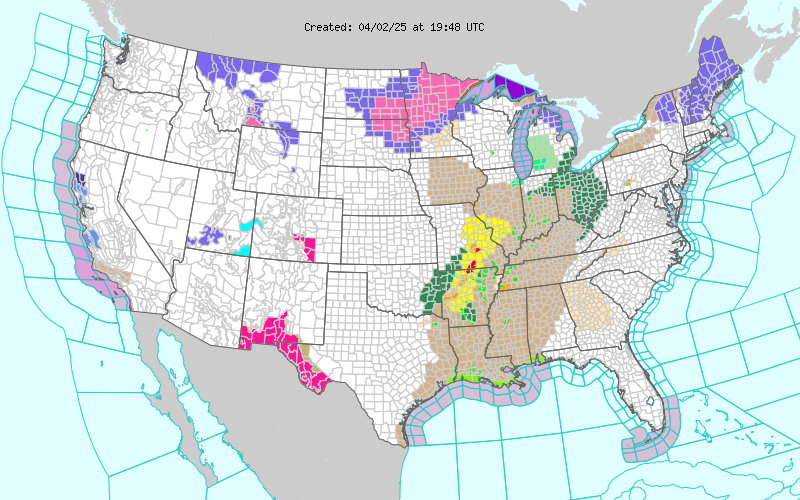
The image is a live image for the National Weather Service server. It gets updated on Real time.
A Deep Dive into Current Conditions Across the Central Zone
The morning of December 14th finds the Central United States under the firm grip of winter, with a broad spectrum of temperatures reflecting the sheer size of this region. Despite the cold, a dominant high-pressure system is ensuring mostly clear to sunny skies for the vast majority, offering a beautiful but chilly backdrop to the day.
- Northern Plains (North Dakota, Minnesota, South Dakota): This is where the most extreme cold is concentrated. Residents in Minneapolis, Minnesota, are starting their day with a bitter -13°F, with only a slight warm-up to 4°F by evening under mostly clear skies. Fargo, North Dakota, is experiencing a morning low of -12°F, rising to 10°F, accompanied by mostly sunny conditions. Sioux Falls, South Dakota, is similarly frigid at -11°F in the morning, climbing to 14°F by evening. Winds in Sioux Falls are expected to pick up to 20 mph in the evening, making the already cold air feel even more biting.
- Upper Midwest (Wisconsin, Illinois, Iowa, Nebraska): Further south, but still experiencing significant cold, cities like Des Moines, Iowa, report a morning temperature of -4°F, warming to 9°F by nightfall under clear skies. Milwaukee, Wisconsin, is at -1°F in the morning with 15 mph winds, reaching 6°F by evening. Chicago, Illinois, starts at a chilly 2°F with 15 mph winds, improving to 10°F in the evening. Omaha, Nebraska, begins at 2°F, seeing a more substantial jump to 20°F by night. These areas will feel the full force of winter, with morning temperatures well below freezing.
- Mid-Missouri and Kansas Valley (Missouri, Kansas): Moving into the heartland, temperatures are slightly less extreme but still very cold. Kansas City, Missouri, starts at 8°F, rising to 21°F under clear, sunny skies. St. Louis, Missouri, is also at 8°F in the morning, reaching 12°F by evening. Wichita, Kansas, offers a comparatively milder morning at 14°F, warming to 25°F. These cities will experience cold but bright conditions, perfect for those bundled up for outdoor activities.
- Ohio Valley (Indiana, Kentucky, Michigan): The eastern edge of the Central Zone is also feeling the deep chill. Indianapolis, Indiana, is at a frigid 0°F this morning with 12 mph winds, only reaching 1°F by evening. Louisville, Kentucky, stands out with a slight chance of snow showers in the morning at 8°F, clearing to 9°F by night. Detroit, Michigan, starts at 10°F with 13 mph winds, warming to 15°F in the evening.
- Rocky Mountain Front Range (Colorado): The westernmost part of our Central Zone, around Denver and Colorado Springs, presents a distinct microclimate. Denver, Colorado, is seeing a comparatively milder morning at 33°F, warming significantly to 49°F by evening under mostly clear skies. Colorado Springs, Colorado, is at 27°F in the morning, reaching 39°F by night. While still cold, these temperatures are considerably warmer than the deep freeze gripping the eastern and northern parts of the zone, thanks to local topography and atmospheric patterns.
Looking Ahead: The Evening and Overnight Forecast
As the sun sets across the Central Zone, the clear skies that brought sunshine during the day will also allow for efficient radiational cooling. This means temperatures will plummet once again, reinforcing the need for continued vigilance against the cold. For most areas, the evening will bring a continuation of dry, clear conditions, ensuring excellent visibility but also a rapid drop in temperatures.
The Northern Plains, already experiencing extreme cold, will see temperatures fall back into the sub-zero range overnight, with wind chill values potentially making it feel even colder in places like Sioux Falls and Fargo, where evening winds are forecast to be stronger. Even in the relatively milder Colorado Front Range, evening temperatures will drop to chilly levels, requiring warm layers for anyone venturing outdoors. Residents across the entire zone should anticipate a very cold night, with temperatures nearing or falling below freezing for almost all locations. This sustained cold underscores the importance of proper heating, insulation, and protective measures for both people and property.
No Major Weather Alerts: A Brief Reprieve
One of the most notable aspects of this forecast for December 14, 2025, is the complete absence of active weather alerts across the entire Central Zone. This means no blizzard warnings, no ice storm advisories, no severe wind chill alerts, and no significant winter storm watches are currently in effect. While the temperatures are undeniably cold, the stability of the atmosphere and the lack of widespread hazardous precipitation offer a degree of relief.
This 'all clear' status is a valuable piece of information for planning. It suggests that while the cold is a primary concern, the immediate threat of rapidly deteriorating conditions due to heavy snow, freezing rain, or dangerously high winds is not present. For travelers, this means road conditions, where clear of existing ice, should remain relatively stable, though the risk of black ice always persists with sub-freezing temperatures. For communities, it allows for normal daily routines to proceed without the added stress of imminent severe weather. However, the lack of alerts should not lead to complacency regarding the very real dangers posed by sustained cold temperatures.
Historical Context: Winter's Embrace in the Central United States
Winter in the Central United States is a season of profound contrasts and dramatic weather events. The region's continental climate, far removed from the moderating influence of large bodies of water (with the exception of the Great Lakes), makes it highly susceptible to the ebb and flow of arctic air masses from Canada and occasional moisture incursions from the Gulf of Mexico. This dynamic interplay can lead to everything from mild, open winters to legendary blizzards and prolonged periods of extreme cold.
Historically, days like December 14th, characterized by bitter cold but clear skies, are not uncommon. These conditions often follow the passage of a strong cold front that has scoured the atmosphere of moisture, leaving behind a dry, dense, and frigid air mass. The Central Plains and Upper Midwest are particularly vulnerable to these arctic outbreaks, with records showing temperatures plummeting to -40°F or even lower during severe winter events. Iconic blizzards, such as the Great Blizzard of 1888 or the devastating storms of the late 20th century, serve as stark reminders of winter's potential ferocity in this region. While today's forecast lacks the dramatic snowfall or high winds of a blizzard, the widespread cold is a classic signature of a Central US winter, highlighting the region's enduring battle with the elements and the resilience of its inhabitants.
Agricultural Impact: Winter's Embrace
For the agricultural heartland of the Central United States, winter weather, even without heavy snowfall, has significant implications. The primary concern during periods of sustained cold, especially with clear skies, revolves around winter wheat and livestock.
Winter Wheat: Much of the Central Zone, particularly Kansas, Nebraska, and parts of Missouri and Illinois, is a major winter wheat producing area. These crops are planted in the fall and require a period of cold dormancy to develop properly before spring growth. While cold temperatures are necessary, extremely low temperatures, especially without an insulating blanket of snow, can lead to

Comments
Post a Comment
Please leave a comment.