Central US Winter Chill: Snow, Wind & Freezing Temps Ahead
Central US Winter Chill: Snow, Wind & Freezing Temps Ahead
As winter truly sets in, the vast expanse of the Central United States is bracing for a significant shift in weather patterns. From the Rocky Mountains foothills to the Great Lakes, residents are advised to prepare for a notable drop in temperatures, accompanied by a mix of snow, rain, and brisk winds. This comprehensive forecast delves into the specifics for major metropolitan areas, highlighting key concerns for travel, agriculture, and daily life across this critical region.
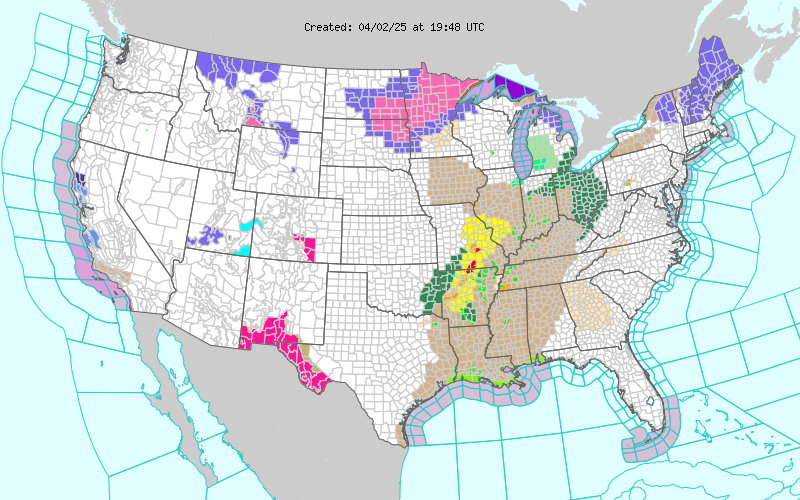
The image is a live image for the National Weather Service server. It gets updated on Real time.
Current Conditions: A Snapshot Across the Central Zone
As of mid-morning on December 10th, 2025, a diverse range of conditions characterizes the Central Zone. While some areas are still enjoying a fleeting moment of sunshine, others are already experiencing the onset of winter precipitation and significantly colder air.
- Denver, CO: The Mile High City is starting the day bright and clear with sunny skies and a comfortable 49°F, accompanied by light winds at 7 mph. This pleasant start offers a brief reprieve before the colder air truly settles in.
- Colorado Springs, CO: Similarly, Colorado Springs enjoys mostly sunny conditions at 41°F with a moderate 10 mph wind, hinting at the crisp mountain air.
- Wichita, KS: Further east, Wichita is bathed in sunshine, with temperatures reaching a mild 50°F and winds at 15 mph, a temporary warmth before the colder front pushes through.
- Kansas City, MO: The heart of Missouri sees mostly sunny skies and a temperature of 38°F, but with noticeable winds gusting up to 20 mph, signaling the approaching change.
- St. Louis, MO: St. Louis is already experiencing cloudy skies and a cooler 38°F, with strong winds at 21 mph, making it feel even colder.
- Omaha, NE: Nebraska's largest city is under cloudy conditions, with temperatures at 32°F and brisk winds of 21 mph, indicating a chill in the air.
- Des Moines, IA: Iowa's capital is also cloudy, registering 30°F with winds at 15 mph, setting the stage for colder weather.
- Sioux Falls, SD: Further north, Sioux Falls is experiencing mostly cloudy skies and a chilly 21°F, with winds at 15 mph, ushering in true winter conditions.
- Fargo, ND: The northernmost reaches of our zone, Fargo, is already quite cold at 14°F under mostly cloudy skies, with winds at 16 mph, making outdoor activities challenging.
- Minneapolis, MN: Minneapolis is under a more active weather pattern, with light snow likely and temperatures at 22°F, accompanied by 15 mph winds, signaling the start of winter precipitation.
- Milwaukee, WI: On the shores of Lake Michigan, Milwaukee is experiencing scattered snow showers at 30°F with 15 mph winds, a typical early winter scene for the region.
- Chicago, IL: The Windy City lives up to its name, facing a chance of snow showers with temperatures at 33°F and very strong winds at 25 mph, creating blustery conditions.
- Indianapolis, IN: Moving into the eastern part of the Central Zone, Indianapolis has a chance of rain and snow showers, with temperatures at 38°F and winds at 17 mph, a mixed bag of precipitation.
- Louisville, KY: Louisville is seeing a chance of rain showers at 43°F with 14 mph winds, indicating that the colder air hasn't fully arrived here yet, but is on its way.
- Detroit, MI: Further north, Detroit is already dealing with rain and snow, with temperatures at 35°F and winds at 12 mph, a messy start to the day.
Looking Ahead: The Evening and Overnight Forecast
As the day progresses into the evening and overnight hours of December 10th and into December 11th, the colder air mass will solidify its grip across the Central Zone. Temperatures will plummet significantly, and precipitation types will largely transition to snow or cease altogether, leaving behind a frosty landscape.
- Denver, CO: The evening will remain mostly clear in Denver, with temperatures dropping slightly to 48°F, but still relatively mild for the season, with winds at 9 mph.
- Colorado Springs, CO: Similarly, Colorado Springs will be mostly clear, holding at 41°F with lighter winds at 5 mph.
- Wichita, KS: Overnight, Wichita will become partly cloudy, with a noticeable temperature drop to 39°F and lighter winds at 5 mph.
- Kansas City, MO: Kansas City will see cloudy skies overnight, with temperatures settling at 33°F and very light winds at 2 mph, making for a still, cold night.
- St. Louis, MO: St. Louis will remain cloudy, with temperatures falling to 32°F and winds easing to 9 mph, but still a chilly night.
- Omaha, NE: Omaha has a slight chance of light snow overnight, with temperatures dropping to 25°F and very light winds at 2 mph, potentially leading to slick spots.
- Des Moines, IA: Des Moines will be mostly cloudy, with temperatures falling to 21°F and lighter winds at 5 mph, a cold and quiet night.
- Sioux Falls, SD: Sioux Falls will remain mostly cloudy, with a significant drop to 14°F and winds at 5 mph, ensuring a very cold night.
- Fargo, ND: The deep cold will settle over Fargo, with cloudy skies and an extreme low of 3°F, accompanied by very light winds at 2 mph. This is dangerously cold weather.
- Minneapolis, MN: After the light snow, Minneapolis will become partly cloudy, with temperatures plummeting to a frigid 9°F and winds at 5 mph, requiring extreme caution for anyone outdoors.
- Milwaukee, WI: Milwaukee will be mostly cloudy overnight, with temperatures dropping to 17°F and winds at 10 mph, keeping the chill factor high.
- Chicago, IL: Chicago continues to have a chance of snow showers overnight, with temperatures falling to 26°F and winds remaining brisk at 15 mph, potentially leading to new accumulations.
- Indianapolis, IN: Indianapolis will experience isolated snow showers, with temperatures dropping to 26°F and winds at 9 mph, potentially leaving a dusting of snow.
- Louisville, KY: Louisville will transition to a chance of snow showers overnight, with temperatures hitting the freezing mark at 32°F and winds at 8 mph, indicating a shift from rain to potential snow.
- Detroit, MI: Detroit will become partly cloudy, with temperatures falling significantly to 21°F and winds at 10 mph, making for a very cold night after the mixed precipitation.
Key Weather Trends and Regional Impacts
The overarching theme for the Central Zone over the next 24 hours is a widespread and significant drop in temperatures, particularly across the northern and eastern sections. This cold air mass is being ushered in by a system that is also bringing varying forms of precipitation.
Areas like Minneapolis, Milwaukee, Chicago, Indianapolis, and Detroit are already experiencing or are on the cusp of experiencing snow or mixed precipitation. The combination of falling temperatures and lingering moisture means that any wet surfaces could quickly freeze, leading to hazardous conditions. Even areas that see only a chance of light snow, such as Omaha, should be prepared for slick spots.
Wind will also be a significant factor, especially during the day on December 10th. Cities like St. Louis, Omaha, Kansas City, and Chicago will experience winds ranging from 20-25 mph, creating a substantial wind chill effect that will make ambient temperatures feel much colder than the thermometer indicates. As the cold air settles overnight, winds will generally lighten, but the temperatures themselves will be dangerously low, particularly in the northern plains where Fargo is forecast to hit a frigid 3°F.
The western parts of the Central Zone, including Denver and Colorado Springs, appear to largely escape the immediate precipitation, enjoying mostly sunny to clear conditions. However, they will still experience the broader trend of colder air, albeit with less dramatic temperature plunges than their eastern counterparts. This regional disparity underscores the vastness of the Central Zone and the varied impacts of a single weather system.
Agricultural Impact Across the Heartland
For the agricultural backbone of the Central United States, this cold snap and early winter precipitation carry significant implications. While much of the region's major crops, such as corn and soybeans, have already been harvested, the conditions remain critical for winter wheat and livestock.
Winter Wheat: Many fields across Kansas, Missouri, Nebraska, and parts of Illinois and Iowa are planted with winter wheat. These crops rely on a blanket of snow for insulation against extreme cold. While some areas are receiving snow, others are facing bitterly cold temperatures with little to no protective snow cover. This "cold and bare" scenario can lead to winterkill, damaging or destroying the wheat plants' crowns and roots. Farmers will be closely monitoring their fields, hoping for sufficient snow cover to develop before the coldest air truly settles in for an extended period.
Livestock Management: Ranchers and livestock producers face immediate challenges. Cattle, hogs, and poultry require additional feed and protection from the elements during severe cold. Water sources can freeze, and young or vulnerable animals are particularly susceptible to hypothermia and frostbite. Ensuring adequate shelter, dry bedding, and access to unfrozen water is paramount. The strong winds forecast for the initial phase of this cold front exacerbate the stress on animals, making windbreaks and enclosed spaces even more crucial.
Soil and Water: The freezing temperatures will lead to widespread soil freezing. While this is a normal part of the winter cycle, rapid freezing and thawing can impact soil structure. For waterways, ice formation will begin, posing risks for both wildlife and, potentially, early season ice fishing if temperatures remain consistently low. Agricultural operations that rely on surface water for any purpose will need to consider ice prevention measures.
This period serves as a vital reminder for the agricultural community to implement their winter preparedness plans, from checking heating systems in barns to ensuring feed supplies are ample and accessible.
Travel Advisories and Road Conditions
Travel across the Central Zone will be significantly impacted over the next 24 hours, particularly in areas experiencing snow or mixed precipitation and strong winds. Commuters and long-distance travelers alike should exercise extreme caution and consider adjusting their plans.
- Snow and Ice Risks: Cities like Minneapolis, Milwaukee, Chicago, Indianapolis, and Detroit are forecast to receive snow or have a chance of snow showers. Even light accumulations can lead to slick roads, especially on bridges and overpasses. The overnight drop in temperature means any melted snow or rain will quickly refreeze, creating black ice conditions that are notoriously difficult to see.
- Reduced Visibility: Strong winds, especially in open areas, combined with falling snow, will lead to reduced visibility, making driving hazardous. Blustery conditions in places like Chicago and St. Louis will make driving challenging even without heavy snow.
- Commuter Impact: Morning commutes on December 10th and especially December 11th will likely be affected. Allow extra time, increase following distances, and drive slowly. Check local Department of Transportation websites for real-time road conditions before heading out.
- Vehicle Preparedness: Ensure your vehicle is winter-ready. This includes checking tire pressure and tread, topping off fluids (especially windshield washer fluid), having a full tank of gas, and ensuring your battery is in good condition. Keep an emergency kit in your car with blankets, a flashlight, jumper cables, a first-aid kit, and non-perishable food.
- Air Travel: While not explicitly detailed in the data, significant snow and strong winds in major hubs like Chicago and Minneapolis can lead to flight delays and cancellations. Travelers should check with their airlines for the latest updates.
The best advice for travel during this period is to avoid unnecessary trips, especially during peak precipitation times and overnight when temperatures drop to their lowest. If you must travel, inform someone of your route and estimated arrival time.
Preparing for the Cold Snap: Essential Tips
With temperatures plummeting across the Central Zone, comprehensive preparedness is not just recommended, it's essential for safety and well-being. This isn't merely a chilly day; for many, it's a deep freeze that demands respect.
Home Preparedness:
- Insulation Check: Ensure windows and doors are properly sealed. Use weather stripping or caulk to prevent drafts. Consider insulating exposed pipes, especially in unheated areas like basements or crawl spaces, to prevent freezing and bursting.
- Heating Systems: Have your furnace or heating system serviced annually. Change filters regularly. Have backup heating options like a fireplace or space heater (used safely and with proper ventilation) ready, but never use gas ovens or grills for indoor heating.
- Thermostat Settings: While tempting to lower the thermostat to save energy, keep it at a consistent, safe temperature, especially when away, to prevent pipes from freezing. A minimum of 55°F (13°C) is often recommended.
- Emergency Supplies: Stock up on non-perishable food, bottled water, medications, and pet supplies. Have extra blankets, flashlights with fresh batteries, and a battery-powered radio in case of power outages.
- Carbon Monoxide Detectors: With increased heater use, ensure carbon monoxide detectors are functioning correctly. Carbon monoxide is an odorless, colorless gas that can be deadly.
Personal Safety:
- Layer Up: When venturing outdoors, wear multiple layers of loose-fitting, lightweight clothing. Include a waterproof outer layer, a hat, gloves or mittens, and insulated, waterproof boots.
- Limit Exposure: Minimize time spent outdoors, especially during the coldest parts of the day or night. Exposed skin can suffer frostbite in a matter of minutes in extreme cold and wind.
- Recognize Hypothermia and Frostbite: Be aware of the symptoms. Shivering, confusion, slurred speech, and drowsiness are signs of hypothermia. Numbness, waxy-looking skin, and loss of color are signs of frostbite. Seek immediate medical attention if these symptoms appear.
- Stay Hydrated and Nourished: Drink plenty of fluids and eat regular, well-balanced meals. Your body needs energy to stay warm.
Vehicle Preparedness (reiterated for emphasis):
- Winterize Your Car: Beyond basic checks, consider winter tires if you live in an area with heavy snow. Ensure your antifreeze levels are adequate.
- Emergency Car Kit: Include a shovel, sand or cat litter for traction, a fully charged cell phone, and warm clothing.
Remember to check on elderly neighbors, friends, and family who may be vulnerable to the cold. Also, bring pets indoors or ensure they have adequate, insulated shelter, food, and unfrozen water.
Historical Context and Climate Perspective
The Central Zone of the United States, encompassing the Great Plains, parts of the Midwest, and the eastern Rocky Mountain front, is renowned for its dramatic seasonal shifts. Winters here are typically characterized by cold temperatures, often accompanied by significant snowfall and bitter winds, especially as one moves northward towards the Canadian border.
This current forecast, with its sharp temperature drops and widespread potential for snow, aligns with what residents might expect during a typical December. However, the intensity of the cold in some areas, particularly the projected 3°F in Fargo, ND, serves as a stark reminder of the extreme variability and potential severity of winter weather in this region. While not unprecedented, such lows demand serious attention and preparation.
Historically, the Central Plains have experienced some of the most severe blizzards and cold waves in U.S. history, often driven by Arctic air masses sweeping down from Canada. These events have shaped the resilience of communities and the agricultural practices that define the region. The current system, while not reaching blizzard warning levels across the entire zone, demonstrates the classic winter pattern of a cold front pushing through, drawing down frigid air from the north.
Understanding these historical patterns helps contextualize current forecasts. While weather prediction has advanced significantly, the fundamental drivers of winter weather in the Central Zone remain consistent: the interaction of cold continental air masses with moisture-laden systems. This particular forecast is a classic example of December weather establishing itself, setting the stage for what could be a long and challenging winter for many.
Stay Informed and Stay Safe
As this dynamic weather system unfolds across the Central Zone, vigilance is key. Temperatures will be dangerously low in many areas, and travel conditions will be challenging. Prioritize safety, prepare your homes and vehicles, and look out for your community.
Stay tuned to local weather updates from reliable sources. This detailed forecast is designed to help you anticipate and prepare for the conditions ahead, ensuring you and your loved ones remain safe and warm.
This post is created using the public data provided by the National Weather Service. Please check the Original source for more information.

Comments
Post a Comment
Please leave a comment.