Central US Winter Forecast: Cold Nights, Mild Days Expected Dec 15th
Central US Winter Forecast: Navigating Cold Nights and Milder Daytime Sunshine on December 15th
As we approach the middle of December 2025, the heartland of the United States, our expansive Central Zone, is poised for a classic winter day marked by significant temperature swings. From the chilly pre-dawn hours to the often surprisingly mild afternoons, residents across this vast region will experience a blend of clear skies, brisk winds, and varying degrees of winter warmth. This forecast delves into the specifics for major cities, offering crucial insights for daily planning, travel, agriculture, and overall preparedness.
The overarching theme for Monday, December 15th, is one of cold, clear nights giving way to brighter, sunnier, and considerably milder days. This diurnal temperature range is a hallmark of high-pressure systems dominating the region, allowing for efficient radiational cooling overnight and strong solar heating during the day, especially with minimal cloud cover. While some areas will feel the true bite of winter, others will enjoy unseasonably pleasant conditions for mid-December.
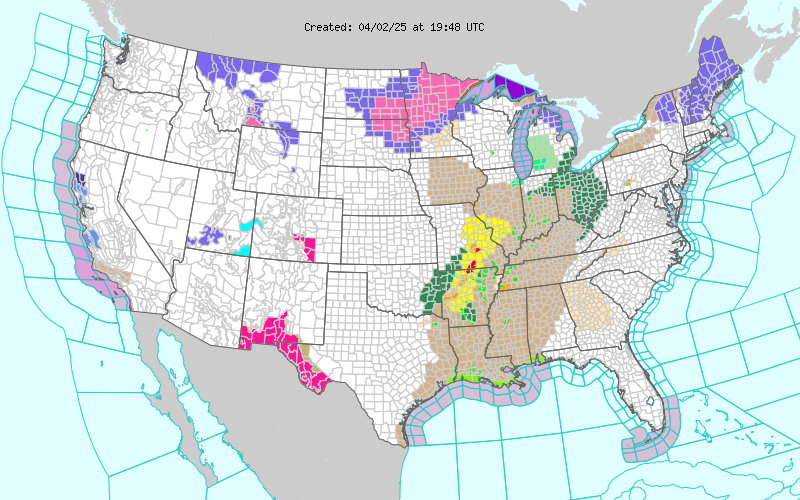
The image is a live image for the National Weather Service server. It gets updated on Real time.
Central Zone Overview: A Glimpse into December 15th
The Central Zone, stretching from the Rocky Mountains to the Great Lakes and down into the Ohio River Valley, presents a diverse meteorological picture. On December 15th, the forecast highlights a general trend of very cold overnight lows, dipping into the single digits and even below zero in some eastern reaches, followed by a remarkable rebound to above-freezing temperatures for most by afternoon. Wind conditions will generally be light to moderate, contributing to the chill factor in the mornings but offering little resistance to the daytime warming.
One of the most striking contrasts can be seen from west to east. Denver, Colorado, in the western part of the zone, anticipates a relatively mild morning at 41°F, soaring to an impressive 67°F under sunny skies by afternoon. Just east, Colorado Springs will follow a similar pattern, from 33°F to 61°F. This warmth is quite notable for mid-December, often influenced by downslope winds or a persistent ridge of high pressure.
However, as we move eastward, the true grip of winter becomes more evident. Indianapolis, Indiana, stands out with an exceptionally frigid overnight low of -4°F, making it the coldest spot in our forecast. Even with a daytime high of 22°F, the day will remain well below freezing. Similarly, Milwaukee, Wisconsin, and Chicago, Illinois, will start the day near or below 10°F, struggling to reach the low 20s by afternoon, accompanied by brisk winds up to 15 mph. These areas will truly feel the impact of winter's chill, demanding extra precautions for anyone venturing outdoors.
Deep Dive: City-by-City Forecasts
Let's examine the conditions across key metropolitan areas:
- Mountain West (Denver, CO & Colorado Springs, CO): These cities will experience the warmest conditions across the zone. Denver starts at 41°F with mostly clear skies and light winds, warming dramatically to a sunny 67°F. Colorado Springs follows suit, from 33°F and partly cloudy to a sunny 61°F. This warmth is a welcome anomaly for December, suggesting a pleasant day for outdoor activities.
- Northern Plains (Fargo, ND; Minneapolis, MN; Sioux Falls, SD): Winter's presence is undeniable here. Fargo will see 12°F overnight, rising to only 17°F with mostly sunny skies. Minneapolis starts at 16°F under mostly cloudy skies, reaching 24°F and partly sunny. Sioux Falls begins at 20°F with mostly cloudy conditions, topping out at 31°F and partly sunny. These areas will remain firmly in the grip of winter, with temperatures struggling to get above freezing.
- Upper Midwest (Omaha, NE; Des Moines, IA; Milwaukee, WI; Chicago, IL; Detroit, MI; Indianapolis, IN): This sub-region shows significant variability. Omaha (21°F to 42°F) and Des Moines (16°F to 32°F) will enjoy clearer skies and a decent daytime warm-up. However, Milwaukee (8°F to 21°F) and Chicago (7°F to 24°F) will be significantly colder, with Milwaukee experiencing 15 mph winds overnight and Chicago maintaining those winds through the day. Detroit will hover around the teens and low 20s, remaining mostly cloudy. Indianapolis, as noted, will be exceptionally cold, from -4°F to 22°F, demanding extreme caution.
- Southern Midwest (Kansas City, MO; St. Louis, MO; Wichita, KS; Louisville, KY): These cities will generally experience clearer, colder nights but significant daytime warming. Kansas City (22°F to 44°F) and Wichita (23°F to 46°F) will see mostly clear to sunny conditions. St. Louis (12°F to 38°F) and Louisville (5°F to 29°F) will also benefit from abundant sunshine, making for pleasant afternoons despite frigid starts.
Understanding the Winter Weather Patterns
The weather pattern across the Central US on December 15th is largely dictated by a dominant high-pressure system. High-pressure systems are characterized by sinking air, which suppresses cloud formation and leads to clear skies. This lack of cloud cover allows for two key phenomena:
- Radiational Cooling: At night, with no clouds to trap heat, the Earth's surface rapidly radiates its warmth into space. This is why temperatures plummet so significantly, especially in areas with fresh snow cover (though largely absent in this forecast, it's a factor in deeper winter).
- Solar Warming: During the day, with clear skies, the sun's energy can directly warm the ground and air. Even in December, the sun's intensity, when unobstructed, is powerful enough to bring about substantial temperature increases, as seen in Denver's remarkable 67°F forecast.
The absence of significant precipitation or major storm systems indicates a relatively quiet period. This pattern is common in early to mid-winter, often preceding or following more active weather fronts. Historically, December in the Central US can be highly variable, ranging from mild and dry periods like this to intense blizzards and prolonged cold snaps. This particular forecast leans towards the milder, drier end for daytime conditions, but the overnight lows serve as a stark reminder that winter is indeed here.
Agricultural Implications and Outdoor Activities
For the agricultural sector, particularly across the vast farmlands of Kansas, Nebraska, Iowa, and Missouri, these conditions present a mixed bag. The cold overnight temperatures are beneficial for winter wheat, ensuring it remains dormant and hardy. However, a lack of significant snow cover in many areas means that if temperatures were to plunge even further, crops could be more vulnerable to winterkill. With the current forecast, this risk appears minimal, but farmers are always vigilant.
Livestock producers will need to ensure animals have adequate shelter from the cold winds and access to unfrozen water. While daytime temperatures are manageable, the frigid nights demand careful attention to animal welfare. The clear skies are generally favorable for outdoor work that doesn't require heavy machinery in frozen ground, such as fence mending or equipment maintenance.
For outdoor enthusiasts, the forecast offers opportunities. The sunny afternoons, especially in the western and southern parts of the zone, are ideal for walks, hiking, or simply enjoying some natural light. Even in the colder northern areas, the partly sunny conditions can make a brisk winter walk enjoyable, provided one is dressed appropriately. The sunshine itself is a significant mood booster during the shorter days of winter, combating seasonal affective disorder.
Travel Advisories and Road Conditions
Travel across the Central Zone on December 15th will require attention, particularly during the morning commute. While no major winter storms are expected, the significant temperature drops overnight create a prime environment for black ice formation. Even if roads appear dry, moisture from melting snow, dew, or even vehicle exhaust can refreeze on pavement, especially on bridges, overpasses, and shaded areas where temperatures remain colder.
- Morning Commute: Drivers should exercise extreme caution, particularly from pre-dawn until mid-morning when temperatures are at their lowest. Reduce speed, increase following distance, and avoid sudden braking or steering.
- Visibility: Generally good across the region due to clear skies. However, localized patches of fog could form in river valleys or low-lying areas where moisture is present and temperatures drop sharply.
- Wind: While mostly light, cities like Milwaukee and Chicago will experience sustained winds of 10-15 mph. This can make driving high-profile vehicles more challenging and contribute to wind chill for those outside.
- Vehicle Preparedness: Ensure your vehicle's tires are properly inflated, fluids are topped off, and the battery is in good condition. Keep an emergency kit in your car, including blankets, a flashlight, jumper cables, and a fully charged cell phone.
Essential Preparedness Tips for the Central Zone
With winter firmly established, proactive preparedness is key to safely navigating the cold season. Here are some essential tips:
- Home Heating and Insulation: Ensure your furnace is serviced and operating efficiently. Check for drafts around windows and doors and seal them to prevent heat loss. Consider using a programmable thermostat to save energy. Always have working carbon monoxide detectors, especially if using gas or alternative heating sources.
- Layered Clothing: When venturing outdoors, dress in layers. This allows you to adjust your clothing to changing temperatures throughout the day. A waterproof outer layer is always a good idea, even if no precipitation is expected, for protection against wind.
- Emergency Kits: Maintain an emergency kit both at home and in your vehicle. For your home, include non-perishable food, water, blankets, and a first-aid kit. For your car, add extra blankets, a shovel, a phone charger, and some emergency snacks.
- Pet Safety: Bring pets indoors, especially during the frigid overnight hours. If pets must be outside, ensure they have a warm, dry, and draft-free shelter with fresh, unfrozen water.
- Hydration and Nutrition: Cold weather can be dehydrating. Continue to drink plenty of water and eat nutritious meals to help your body regulate its temperature.
Looking Ahead: Beyond December 15th
While this forecast focuses on a single day, the underlying high-pressure system suggests a continuation of relatively stable weather for the immediate future. We can anticipate similar patterns of cold, clear nights and milder, sunny days to persist for a few more days, particularly in the western and southern parts of the Central Zone. However, winter weather is inherently dynamic, and shifts are always possible. Forecasters will be closely monitoring for any indications of approaching cold fronts, potential snow-producing systems, or significant changes in the jet stream that could bring more active weather to the region later in the week or month.
Staying informed through reliable weather sources is always recommended as conditions can evolve. For now, enjoy the sunshine where it breaks through, prepare for the cold where it lingers, and navigate the Central US with awareness and caution.
This post is created using the public data provided by the National Weather Service. Please check the Original source for more information.

Comments
Post a Comment
Please leave a comment.