Central US Winter Forecast: Cold Snap & Snow Chances for Monday
Central US Winter Forecast: Navigating Monday's Cold Snap and Snow Chances
As the new week dawns, residents across the vast Central United States are bracing for a quintessential winter day, marked by frigid temperatures, scattered chances for light snow, and a gradual, though modest, warming trend into the afternoon for many areas. From the Rocky Mountain Front Range stretching eastward through the Great Plains and into the Upper Midwest and Ohio Valley, a diverse array of conditions will define Monday, December 8th, 2025. This comprehensive forecast delves into the specifics, offering crucial insights for travel, daily activities, and overall preparedness.
This region, known for its dramatic seasonal shifts, is currently under the influence of a broad cold air mass, ushering in temperatures significantly below freezing for most locales. While widespread heavy snowfall is not anticipated, localized light snow and patchy fog could present challenges, particularly during the morning commute. Understanding these nuances is key to safely navigating the day.
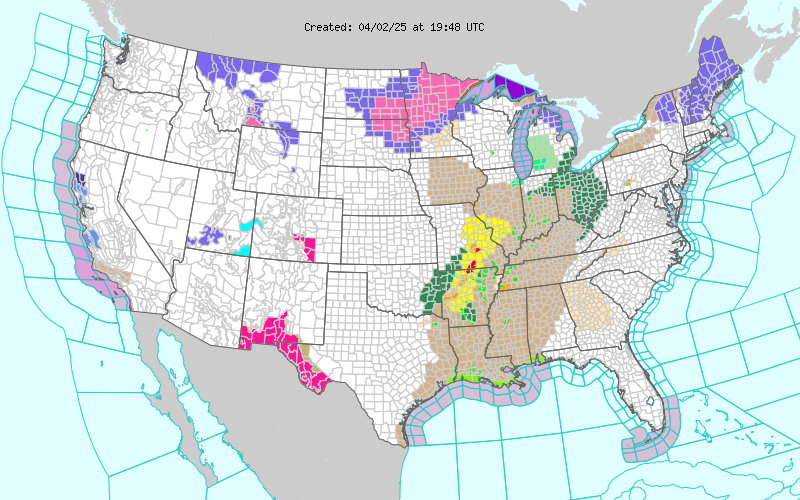
The image is a live image for the National Weather Service server. It gets updated on Real time.
Overnight Chill and Early Morning Conditions
The overnight hours leading into Monday have set a distinctly cold tone across the Central Zone. Most cities experienced temperatures well into the teens and twenties Fahrenheit, with some northern areas dipping into single digits. Winds, generally light to moderate, have contributed to a biting wind chill factor, making outdoor conditions feel even colder than the thermometer indicates.
- Rocky Mountain Front Range: Denver, CO, started the day around 28°F with mostly cloudy skies and a gentle 8 mph wind. Colorado Springs, CO, was slightly colder at 22°F under partly cloudy conditions with a 5 mph breeze.
- Northern Plains & Upper Midwest: The coldest temperatures are concentrated here. Minneapolis, MN, registered a brisk 6°F with a chance of light snow and 5 mph winds. Fargo, ND, was similarly cold at 8°F, experiencing cloudy skies and stronger 13 mph winds. Des Moines, IA, felt the chill at 7°F with a chance of snow showers and 6 mph winds. Sioux Falls, SD, was 11°F with a slight chance of light snow and 10 mph winds, indicating some active weather.
- Central Plains: Omaha, NE, began at 16°F under mostly cloudy skies with a 7 mph wind. Kansas City, MO, was a bit milder at 23°F, partly cloudy with a very light 3 mph wind. Wichita, KS, recorded 27°F, mostly cloudy with barely any wind at 1 mph.
- Ohio Valley & Great Lakes: Moving eastward, temperatures remained cold but slightly less extreme. Chicago, IL, was 25°F with isolated snow showers and 10 mph winds. Milwaukee, WI, saw 13°F with a slight chance of light snow and 5 mph winds. Indianapolis, IN, was 25°F, mostly cloudy with 9 mph winds. Detroit, MI, registered 16°F, partly cloudy with 7 mph winds. St. Louis, MO, was 25°F, cloudy with 7 mph winds. Louisville, KY, was the warmest of the early morning cities at 35°F, with a chance of snow showers and 9 mph winds.
These early morning conditions underscore the need for warm clothing, especially for those venturing out for work or school. The presence of light snow chances in several areas, particularly the northern tier and parts of the Ohio Valley, means road surfaces could be slick in spots, even if accumulations are minimal.
Daytime Forecast: Monday's Midday Picture
As Monday progresses, a general trend of increasing sunshine and slightly rising temperatures is expected for many parts of the Central Zone, though the overall feel will remain distinctly wintry. The sun's limited strength in December will provide some relief, but conditions will largely stay below freezing for the northern half of the region.
- Rocky Mountain Front Range: Both Denver and Colorado Springs are set to enjoy sunny afternoons. Denver will reach a pleasant 49°F with light 7 mph winds, while Colorado Springs will hit 48°F with a gentle 5 mph breeze. This offers a significant thaw compared to their chilly starts.
- Northern Plains & Upper Midwest: The cold grip persists here. Fargo, ND, will only manage 17°F with a continued chance of light snow and 14 mph winds, keeping conditions raw. Minneapolis, MN, will see 18°F under mostly cloudy skies and 10 mph winds. Sioux Falls, SD, will reach 27°F, but patchy fog could develop, coupled with 10 mph winds. Des Moines, IA, will climb to 24°F, partly sunny with 8 mph winds.
- Central Plains: A more noticeable warm-up is in store. Wichita, KS, will enjoy a sunny afternoon and a high of 47°F with 14 mph winds. Kansas City, MO, will be partly sunny and reach 38°F with 8 mph winds. Omaha, NE, will see 34°F under partly sunny skies with 10 mph winds.
- Ohio Valley & Great Lakes: Temperatures will generally remain in the twenties and low thirties. Chicago, IL, will stay at 25°F, partly sunny with 10 mph winds – no significant afternoon warm-up. Milwaukee, WI, will reach 25°F, mostly cloudy with 10 mph winds. Indianapolis, IN, will see 31°F and mostly sunny skies with 5 mph winds. Detroit, MI, will hit 27°F, mostly sunny with 6 mph winds. St. Louis, MO, will reach 34°F, sunny with a very light 2 mph wind. Louisville, KY, will hover around 34°F, partly sunny with 6 mph winds.
The afternoon forecast highlights a clear divide: the western and central Plains will experience the most significant warming and sunshine, while the northern tier and Great Lakes regions will remain locked in colder, often cloudier conditions with lingering snow chances or fog. This regional variation demands attention for anyone planning outdoor activities or travel.
Regional Breakdown: A Closer Look at Key Cities
Understanding the microclimates and specific conditions for each major metropolitan area within the Central Zone is crucial for residents and travelers alike. While the broader trends hold true, local variations can be significant.
- Denver, CO & Colorado Springs, CO: The Front Range will experience a beautiful, sunny afternoon. After a chilly start, temperatures will soar into the upper 40s. This dramatic diurnal range is typical for high-altitude desert climates in winter, where clear skies allow for rapid warming once the sun is up. Travelers should still be mindful of shaded areas or higher elevations, which might retain icy patches from previous precipitation.
- Wichita, KS & Kansas City, MO: These Kansas and Missouri hubs will see a welcome dose of sunshine and a respectable warm-up. Wichita's climb to 47°F will make for a pleasant afternoon, albeit with somewhat breezy conditions. Kansas City will also enjoy a partly sunny sky and temperatures nearing the upper 30s. Road conditions should be generally good, though early morning commuters should watch for any residual frost.
- St. Louis, MO & Louisville, KY: These cities in the eastern part of the Central Zone will experience a similar pattern of cold mornings giving way to sunnier, albeit still cool, afternoons. St. Louis will reach 34°F with very light winds, while Louisville will stay around 34°F. Any early morning snow showers in Louisville are expected to dissipate, leaving partly sunny skies.
- Chicago, IL & Milwaukee, WI: The Great Lakes region remains under a colder influence. Chicago will see isolated snow showers early on, with temperatures staying at a chilly 25°F even into the afternoon. Milwaukee will also be cold, reaching 25°F, with lingering mostly cloudy skies and a slight chance of light snow. These areas will require continued vigilance for slick spots and the need for heavy winter attire.
- Minneapolis, MN & Fargo, ND: These northern bastions of the Central Zone will endure the coldest conditions. Temperatures will struggle to reach 20°F, and both cities have chances for light snow or mostly cloudy skies. The combination of cold and potential precipitation means that winter driving conditions could be present throughout the day, emphasizing the need for caution and preparedness.
- Des Moines, IA & Omaha, NE: Iowa and eastern Nebraska will be somewhere in between the extreme cold of the north and the relative warmth of the central Plains. Des Moines will see a high of 24°F with partly sunny skies, while Omaha will reach 34°F. Early morning snow chances in Des Moines should clear, but patchy fog could be a concern in some areas, especially where moisture is present.
Understanding Winter Weather in the Central Plains
The Central United States, encompassing the Great Plains, is no stranger to the vagaries of winter weather. December, in particular, often marks the full onset of the cold season, characterized by significant temperature swings and the potential for various forms of precipitation. Historically, this region experiences a mix of clear, frigid days and periods of snowfall, sometimes driven by Alberta Clippers or more expansive low-pressure systems tracking across the country.
This Monday's forecast aligns with typical early December patterns, showcasing the influence of a continental polar air mass. The cold, dry air originating from Canada often dominates, leading to low humidity and clear skies, especially in the western parts of the Plains. However, where moisture interacts with this cold air, particularly near the Great Lakes or along frontal boundaries, light snow or freezing drizzle can occur, even with minimal atmospheric lift. The current setup, with scattered light snow chances, reflects this delicate balance. Understanding these historical patterns helps contextualize current conditions and prepares us for the season ahead.
The extreme temperature differences observed across the zone – from single digits in Minnesota to nearly 50°F in Colorado – highlight the sheer geographical breadth of the Central US and the varied influences of elevation, proximity to moisture sources, and prevailing wind patterns. These factors combine to create a dynamic and often challenging winter environment, demanding flexibility and readiness from residents.
Agricultural Impact & Water Resources
For the agricultural heartland of the Central US, these cold temperatures are a mixed blessing. While most crops are dormant by December, the deep freeze can be beneficial for pest control, naturally reducing insect populations that might otherwise overwinter. For winter wheat, which is typically planted in the fall, these cold temperatures, especially if accompanied by a protective blanket of snow, help the plants acclimate and develop hardiness. However, if the ground freezes deeply without sufficient snow cover, it can lead to "winterkill" for some varieties, as the plant's crown is exposed to extreme cold.
The scattered light snow, even if minimal, contributes to soil moisture, which is vital for the spring thaw and the subsequent growing season. While not a major precipitation event, every bit of moisture is valuable in a region that often grapples with drought concerns. Water resources, including rivers and reservoirs, will see reduced evaporation rates due to the cold, helping to conserve existing supplies. However, ice formation on smaller bodies of water can limit access for livestock, requiring farmers to plan alternative water sources.
Ranchers must also be vigilant, ensuring livestock have adequate shelter and access to unfrozen water. Extreme cold can stress animals, leading to higher feed requirements and potential health issues. The relatively light winds in many areas today, however, will mitigate some of the wind chill stress on outdoor animals, compared to a blustery cold snap.
Travel Advisories & Road Conditions
Travel across the Central Zone on Monday requires careful planning and awareness, particularly during the morning hours. While major widespread travel disruptions are not expected, localized hazards will be present.
- Slick Spots: Areas with a "Chance Light Snow" or "Isolated Snow Showers" (e.g., Minneapolis, Fargo, Des Moines, Chicago, Milwaukee, Louisville) could experience slick roads, especially on bridges, overpasses, and untreated surfaces. Even minimal snow can melt and refreeze, creating black ice.
- Patchy Fog: Sioux Falls, SD, specifically mentions "Patchy Fog" in the afternoon. Fog can drastically reduce visibility, making driving hazardous. Drivers should slow down, use low-beam headlights, and increase following distances.
- Wind: While not excessively strong, winds up to 14 mph (e.g., Wichita, Fargo) can create light blowing snow in open areas, reducing visibility, and can make driving high-profile vehicles more challenging.
- Temperature Impacts: Even in areas with clear skies, temperatures below freezing mean that any melting snow or ice from the previous day can refreeze overnight. Morning commuters should assume that some surfaces may be icy, regardless of current precipitation.
Always check local road conditions before departing, allow extra travel time, and ensure your vehicle is winter-ready with good tires, adequate fluid levels, and an emergency kit. For longer journeys, consider breaking up drives and staying updated on the latest local forecasts.
Health & Safety Preparedness
With temperatures well below freezing across much of the Central US, personal safety and home preparedness are paramount.
- Layer Up: When venturing outdoors, dress in multiple layers of warm clothing. A waterproof and windproof outer layer is essential. Don't forget hats, gloves, and scarves to protect exposed skin from frostbite.
- Stay Hydrated: Cold weather can be dehydrating. Drink plenty of water and warm beverages.
- Home Heating Safety: Ensure your heating systems are in good working order. If using alternative heating sources like space heaters or fireplaces, follow all safety guidelines to prevent fires and carbon monoxide poisoning. Have working carbon monoxide detectors on every level of your home.
- Protect Pipes: With sustained cold, exposed pipes are at risk of freezing and bursting. Insulate pipes, especially in unheated areas like basements and garages. Consider leaving cabinet doors open under sinks to allow warmer air to circulate. If you plan to be away, consider dripping faucets slightly to keep water moving.
- Pet Safety: Bring pets indoors or ensure they have adequate shelter, food, and unfrozen water.
- Check on Neighbors: Elderly neighbors or those with health conditions may be more vulnerable to extreme cold. Check in on them to ensure they are safe and warm.
Looking Ahead: Beyond Monday
While this forecast focuses on Monday, the broader pattern suggests a continued cold but generally stable winter weather regime for the Central US through the early part of the week. Temperatures may gradually moderate slightly in some areas, but the deep cold will likely persist in the northern tier. Residents should continue to monitor local forecasts for any developing systems or significant changes, especially as we approach the middle of December, a period known for increasing winter storm activity.
Staying informed and prepared is always the best strategy when dealing with the dynamic winter weather of the Central United States. Enjoy the beauty of the season, but do so safely and responsibly.
This post is created using the public data provided by the National Weather Service. Please check the Original source for more information.

Comments
Post a Comment
Please leave a comment.