Central US Winter Forecast: Cold Snap Grips Region, Sunny Skies Prevail
Central US Winter Forecast: A Widespread Cold Snap with Bright Spots
As we navigate the heart of December, the Central United States is bracing for a significant and widespread cold snap, setting the stage for true winter conditions across an expansive region stretching from the high plains of Colorado all the way to the Great Lakes and Ohio Valley. While many areas will experience frigid temperatures, a dominant theme of bright, albeit cold, sunshine will grace much of the landscape, offering a stark reminder of winter's beauty and its demands. This detailed forecast for December 15th and 16th, 2025, aims to provide residents, travelers, and agricultural communities with the essential information needed to stay safe and prepared.
From the bustling streets of Chicago to the serene farmlands of Kansas and the majestic Rockies near Denver, the Central Zone is currently under the influence of a broad high-pressure system. This system is ushering in clear skies for many, but also allowing arctic air to settle firmly over the region. While no severe weather alerts are currently in effect, the sheer intensity of the cold demands careful attention and proactive measures from everyone.
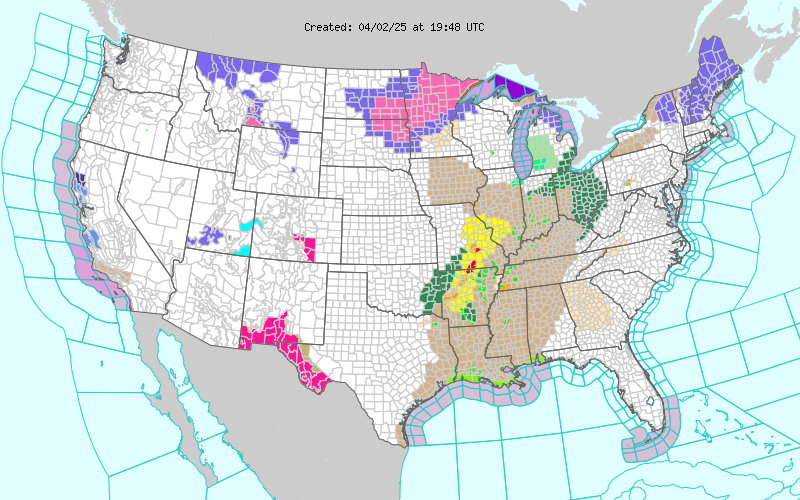
The image is a live image for the National Weather Service server. It gets updated on Real time.
Current Conditions Across the Central Zone
Today, December 15th, 2025, presents a diverse yet consistently chilly picture across the Central Zone. The western reaches, particularly in Colorado, are enjoying a comparatively milder day, though still well below freezing for many. Moving eastward, the temperatures plummet, with many cities experiencing daytime highs struggling to break out of the teens and twenties Fahrenheit.
- Colorado's High Plains: Denver, CO, is experiencing a remarkably mild day for mid-December, with temperatures soaring to 61°F under sunny skies and light winds of 5 mph. Colorado Springs, CO, is similarly pleasant at 57°F, also sunny with gentle 5 mph breezes. These conditions are a temporary reprieve before the deeper cold eventually shifts west.
- Mid-Plains Chill: Cities like Wichita, KS, and Omaha, NE, are seeing daytime highs around 40°F, accompanied by sunny conditions. Kansas City, MO, is slightly cooler at 39°F, but also bathed in sunshine. Winds are noticeable in Wichita and Kansas City, at 14-15 mph, making the "feels like" temperature significantly colder. Des Moines, IA, is colder still at 32°F with sunny skies and 8 mph winds.
- Upper Midwest Freeze: The true grip of winter is felt most acutely in the Upper Midwest. Minneapolis, MN, is a brisk 22°F under partly sunny skies, with remarkably calm winds at 0 mph. Sioux Falls, SD, is at 32°F with mostly cloudy conditions and light 5 mph winds, hinting at potential overnight fog. Fargo, ND, is truly frigid at 15°F, though enjoying mostly sunny skies and 6 mph winds.
- Great Lakes and Ohio Valley: Further east, the cold intensifies. Chicago, IL, is a chilly 20°F with mostly cloudy skies and strong winds gusting up to 20 mph, creating a biting wind chill. Milwaukee, WI, mirrors this at 18°F, mostly cloudy with 15 mph winds. Indianapolis, IN, is even colder at 17°F, mostly sunny with 14 mph winds. Detroit, MI, is 18°F and partly sunny with 14 mph winds. Louisville, KY, offers a slight respite at 25°F and sunny with lighter 5 mph winds, but still firmly in the cold zone. St. Louis, MO, is 32°F and sunny with 10 mph winds.
A Closer Look: City-Specific Forecasts
Understanding the nuances of the forecast for individual cities is crucial for daily planning. Here's a deeper dive into what some key metropolitan areas can expect:
Denver, CO: A Brief Respite
Denver residents are enjoying an unseasonably warm Monday, with a high of 61°F and abundant sunshine. Winds are light, making for a pleasant day, perfect for outdoor activities. However, as evening approaches, temperatures will drop significantly to around 45°F overnight, with mostly clear skies and slightly increased winds of 7 mph. While still mild for December, the overnight chill will be a noticeable change.
Kansas City, MO: Sunny but Blustery
Kansas City is experiencing a sunny but brisk day with temperatures reaching 39°F. Strong winds of 15 mph will make it feel much colder, so bundling up is essential even with the sunshine. As night falls, the winds will diminish to 6 mph, and the skies will remain clear, allowing temperatures to dip to a frosty 31°F. Expect a crisp, cold start to Tuesday morning.
Minneapolis, MN: Deep Freeze Continues
The Twin Cities are in the grip of a deep freeze, with a daytime high of only 22°F under partly sunny skies. The good news is that winds are calm at 0 mph, preventing an even more severe wind chill. Overnight, the mercury will plunge further to 15°F, with mostly cloudy conditions and light 5 mph winds. This persistent cold demands continuous vigilance against frostbite and hypothermia.
Chicago, IL: Bitterly Cold and Windy
Chicago is experiencing one of the coldest conditions in the region today, with a high of just 20°F. The strong 20 mph winds exacerbate the cold, creating dangerously low wind chills. Mostly cloudy skies add to the dreary feel. Tonight, conditions will improve slightly as winds decrease to 5 mph and skies become mostly clear, but temperatures will remain cold at 21°F. Residents should limit outdoor exposure and dress in multiple layers.
St. Louis, MO: Sunny and Chilly
St. Louis is enjoying a sunny day, but the warmth from the sun won't overcome the cold, with a high of 32°F. Winds are moderate at 10 mph. Overnight, the skies will become partly cloudy, and temperatures will fall to 27°F with lighter 5 mph winds. While not as extreme as the northern cities, the cold is still significant and requires proper winter attire.
Looking Ahead: Overnight and Tomorrow's Outlook
As Monday transitions into Tuesday, December 16th, the cold air mass will continue to dominate the Central Zone. Overnight lows will be significantly below freezing for almost all locations, with many northern cities dipping into the low teens and even single digits. The clear skies that prevailed during the day for many will give way to mostly clear or partly cloudy conditions, although some areas like Sioux Falls, SD, could see patchy fog develop as temperatures fall and moisture becomes trapped near the surface.
For Tuesday morning, the pattern remains largely consistent. The deep cold will persist, particularly across the Upper Midwest and Great Lakes states. While many areas will awaken to clear or mostly clear skies, the sun will do little to significantly warm temperatures, which will likely struggle to rise much above Monday's highs in the coldest regions. The lack of widespread precipitation is a blessing, preventing icy roads, but the cold itself presents its own set of challenges.
Understanding the Climate Context: Winter in the Central US
The Central United States is no stranger to harsh winters. While this current cold snap, particularly in the northern tier, is certainly impactful, it falls within the historical context of typical winter weather for the region. December often marks the true onset of persistent cold, with average temperatures dropping significantly from November. Cities like Minneapolis, Fargo, and Chicago frequently experience sub-freezing daytime highs and overnight lows in the teens or single digits during this time of year.
Historically, the Central Plains and Midwest have seen some of the most extreme cold waves in U.S. history, often driven by arctic air masses descending from Canada. While the current forecast doesn't suggest a record-breaking event, it serves as a crucial reminder of the region's vulnerability to such conditions. The interplay of high-pressure systems bringing clear skies but also allowing for efficient radiational cooling (heat loss from the ground into the atmosphere) is a classic winter weather scenario that amplifies the cold, especially overnight. Understanding these historical patterns helps contextualize the current conditions and reinforces the importance of preparedness.
Travel Advisories and Safety Tips
With widespread cold temperatures gripping the Central Zone, travel requires extra caution, even in the absence of snow or ice for most areas. The primary concern is the impact of cold on vehicles and individuals.
- Vehicle Preparedness: Ensure your vehicle's antifreeze levels are adequate, tires are properly inflated, and the battery is in good condition. Cold weather can significantly reduce battery performance. Keep an emergency kit in your car, including blankets, a first-aid kit, jumper cables, a flashlight, and non-perishable food.
- Road Conditions: While major roads are expected to be clear, isolated slick spots may form overnight due to residual moisture freezing, especially on bridges and overpasses. Areas like Sioux Falls, SD, with patchy fog, could experience reduced visibility, making driving more hazardous. Drive slowly and increase following distances.
- Personal Safety: If you must travel, dress in layers. Exposed skin can quickly succumb to frostbite in these temperatures, especially with even moderate winds. Carry a fully charged cell phone. Inform someone of your travel plans and expected arrival time.
- Avoid Unnecessary Travel: For the coldest regions, consider postponing non-essential travel, especially during the overnight hours when temperatures are at their lowest.
Agricultural Impact and Considerations
The agricultural sector across the Central Zone will feel the effects of this cold snap. While many field crops are dormant in December, livestock and infrastructure require careful management.
- Livestock Management: Farmers with cattle, hogs, and poultry must ensure adequate shelter, dry bedding, and access to unfrozen water. Increased feed rations may be necessary to help animals maintain body temperature. Young and old animals are particularly vulnerable to cold stress.
- Protecting Water Systems: Exposed pipes and watering systems for livestock are at high risk of freezing. Farmers should insulate pipes, use heat tapes, or allow water to trickle to prevent costly damage.
- Crop Dormancy: Winter wheat and other cover crops are typically in a dormant state during December. The cold temperatures, especially without insulating snow cover, can stress these crops. However, healthy, established winter wheat often has a good tolerance for cold. Extremely prolonged and severe cold without snow could lead to some winterkill, but the current forecast does not indicate such extremes.
- Equipment Maintenance: Cold weather can impact farm machinery. Ensure fuel lines are clear, batteries are charged, and hydraulic fluids are appropriate for winter temperatures.
Preparing for the Cold: Home and Personal Preparedness
Even without active weather alerts, the sustained cold necessitates proactive steps to protect your home and health.
- Home Heating: Ensure your heating system is in good working order. Change furnace filters for optimal efficiency. Consider having an alternative heat source available, such as a fireplace or space heater, and ensure proper ventilation if using unvented heaters.
- Preventing Frozen Pipes: Insulate exposed pipes, especially those in unheated areas like basements, crawl spaces, and exterior walls. Open cabinet doors under sinks to allow warmer air to circulate around pipes. If temperatures drop severely, consider letting a faucet drip slowly to maintain water flow and prevent freezing. Know where your main water shut-off valve is located in case of a burst pipe.
- Layered Clothing: When venturing outdoors, dress in multiple layers of loose-fitting, lightweight clothing. A waterproof outer layer is ideal. Don't forget a hat, gloves or mittens, and a scarf to protect exposed skin.
- Stay Hydrated and Nourished: Your body works harder to stay warm in cold weather. Drink plenty of fluids and eat regular, nutritious meals.
- Check on Neighbors: Elderly neighbors, those with medical conditions, or individuals living alone may be particularly vulnerable to extreme cold. A quick check-in can make a significant difference.
- Emergency Kit: Have an emergency kit readily accessible, including blankets, non-perishable food, water, a battery-powered radio, and extra batteries.
In conclusion, the Central United States is settling into a period of significant winter cold from December 15th to 16th, 2025. While many areas will enjoy bright, sunny skies, the accompanying frigid temperatures demand respect and preparedness. By taking proactive measures in vehicle maintenance, personal attire, home heating, and agricultural practices, residents across this vast region can navigate the cold snap safely and comfortably. Stay informed, stay warm, and look out for one another.
This post is created using the public data provided by the National Weather Service. Please check the Original source for more information.

Comments
Post a Comment
Please leave a comment.