Central US Winter Forecast: Snow, Cold & Travel Impacts Ahead
Central US Braces for Widespread Winter Weather: Snow, Frigid Cold, and Travel Challenges
As we head deeper into the winter season, the vast expanse of the Central United States is preparing for a dynamic day of weather on December 13th, 2025. From the snow-laden plains of the Upper Midwest to the relatively milder, yet still chilly, Southern Plains and the strikingly warm Mountain West, this region will experience a full spectrum of winter conditions. Travelers, commuters, and residents alike are urged to pay close attention to local forecasts and prepare for significant impacts, particularly across the northern and central sections of the zone where snow and dangerously cold temperatures will dominate.
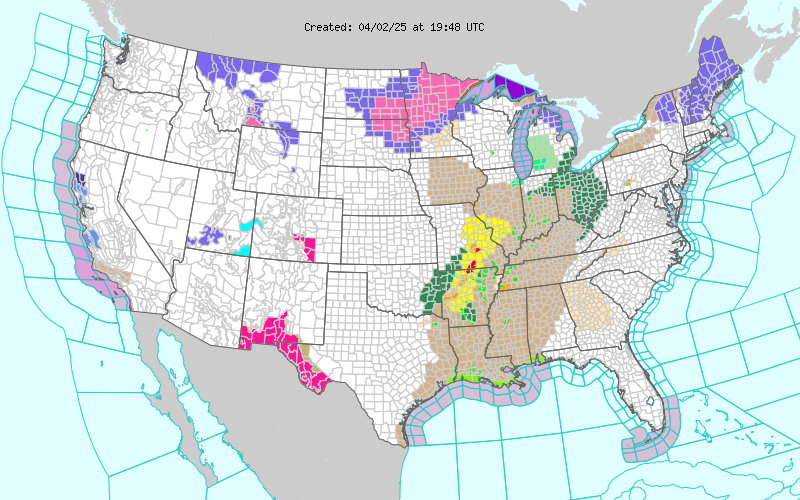
The image is a live image for the National Weather Service server. It gets updated on Real time.
Current Conditions: A Chilly Start Across the Heartland
The early morning hours of December 13th paint a stark picture across the Central Zone. In the far northern reaches, particularly in the Dakotas and Minnesota, temperatures have plunged well below zero. Fargo, North Dakota, reports a frigid -10°F with mostly cloudy skies, while Minneapolis, Minnesota, is not far behind at -8°F. These extreme temperatures are a stark reminder of winter's grip on the Northern Plains, where frostbite can occur in minutes without proper protection.
Moving south into the Upper Midwest, conditions remain cold with significant chances of snow. Sioux Falls, South Dakota, is experiencing light snow likely with a temperature of 4°F. Similarly, Des Moines, Iowa, sees light snow likely at 10°F, and Omaha, Nebraska, has a chance of light snow at 14°F. Further east, cities like Milwaukee, Wisconsin, are at 6°F with mostly cloudy skies and brisk 15 mph winds, while Chicago, Illinois, is a chilly 15°F with cloudy conditions and strong 20 mph winds, making for a biting start to the day.
The central parts of the zone, including much of Missouri, Indiana, and Kentucky, are also experiencing cold temperatures, though generally above zero. Kansas City, Missouri, is at 26°F with mostly cloudy skies. Indianapolis, Indiana, reports 28°F and cloudy conditions, while Detroit, Michigan, is 28°F with a chance of snow showers and 13 mph winds. Areas of fog are noted in Louisville, Kentucky, where it's 31°F, potentially reducing visibility for early commuters. Even St. Louis, Missouri, is cloudy at 31°F, hinting at the colder air mass pushing eastward.
In stark contrast, the western edge of the Central Zone, particularly the Mountain West, is enjoying a much milder start. Colorado Springs, Colorado, is a cool 35°F but mostly clear, and Denver, Colorado, leads the pack at 42°F with partly cloudy skies. These cities are experiencing conditions more akin to a crisp autumn morning than the heart of winter, a testament to the diverse microclimates within this expansive region.
A Closer Look: City-Specific Forecasts and Regional Variations
Understanding the nuances across such a large geographical area is key. Let's break down the forecast for key cities, considering both the early morning and afternoon trends:
- Northern Plains & Upper Midwest: The Deep Freeze and Snow Threat
Cities like Fargo, Minneapolis, and Sioux Falls will remain locked in a deep freeze. While afternoon skies may clear to mostly sunny in Fargo (-5°F) and Minneapolis (-1°F), the temperatures will stay dangerously low. Sioux Falls will also see sunnier conditions by afternoon (5°F), but the morning snow could leave slick roads. Des Moines and Omaha will continue to see chances for light snow in the morning, with temperatures holding steady around 10-14°F into the afternoon. Travel here will be challenging due to snow and ice. - Great Lakes & Central Midwest: Snow Potential and Wind Chill
The Great Lakes region will contend with cold temperatures and active weather. Milwaukee will stay cold (5°F) with brisk 15 mph winds, making the effective temperature feel much colder. Chicago, after a very windy morning, will see temperatures drop to 10°F by afternoon with a slight chance of snow. The most significant snow event appears to be unfolding in Indianapolis, where heavy snow is expected by afternoon with temperatures dropping to 17°F. This could lead to significant travel disruptions. Detroit also maintains a slight chance of snow showers through the afternoon (17°F). - Missouri Valley & Ohio Valley: From Cloudy to Snowy
Kansas City will remain cloudy with temperatures hovering around the low 20s. St. Louis, after a cloudy morning, will see temperatures drop to 19°F with a slight chance of light snow, indicating the colder air mass is fully entrenched. Louisville, starting with fog, will transition to a chance of light snow in the afternoon, with temperatures holding at 31°F. These conditions suggest a need for caution on roads and preparedness for wintry precipitation. - Southern Plains & Mountain West: Milder Outlook
Wichita, Kansas, will experience a partly cloudy day, with temperatures climbing from 31°F in the morning to a milder 38°F in the afternoon, accompanied by 13 mph winds. This relatively warmer trend offers some relief from the widespread cold elsewhere. Further west, Denver and Colorado Springs stand out with exceptional warmth for mid-December. Both cities are forecast to reach a remarkable 58°F by afternoon under sunny skies, a pleasant anomaly amidst the frigid conditions gripping the rest of the Central Zone.
Understanding Winter Weather: Historical Context and Climate Insights
The varied conditions across the Central US on this December day are typical of a region known for its dramatic seasonal shifts. Winter in the Central Plains and Midwest can be notoriously harsh, often characterized by arctic air masses sweeping down from Canada, bringing with them bitter cold and significant snowfall. Historically, major snow events and prolonged periods of sub-zero temperatures are not uncommon, especially in states like North Dakota, Minnesota, and Wisconsin.
The current forecast, with its deep freeze in the north and developing snow events further south, aligns with historical patterns of winter storm tracks. These storms often develop as low-pressure systems move eastward, drawing moisture from the Gulf of Mexico and colliding with cold air from the north, leading to widespread precipitation. The unique warmth in Colorado, however, often results from a phenomenon known as Chinook winds or

Comments
Post a Comment
Please leave a comment.