Central US Winter Outlook: Cold Snap & Snow Chances Ahead
Central US Braces for Winter's Grip: A Detailed Forecast and Preparedness Guide
As winter truly settles in, a notable shift in weather patterns is poised to sweep across the vast Central Zone of the United States. From the high plains of Colorado to the Great Lakes, residents are preparing for a significant drop in temperatures, accompanied by chances of snow for many. This comprehensive forecast will delve into the specifics for key cities, offering insights into current conditions, overnight trends, and crucial advice for navigating the wintry weather ahead. Understanding these dynamics is paramount for personal safety, travel planning, and agricultural considerations.
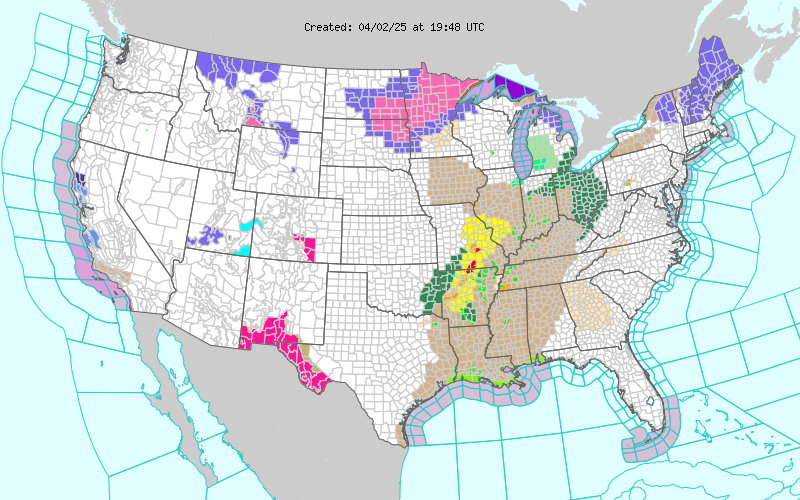
The image is a live image for the National Weather Service server. It gets updated on Real time.
A Tale of Two Climates: Current Conditions Across the Central Zone
The Central Zone is currently experiencing a fascinating dichotomy, with surprisingly mild conditions in the west contrasting sharply with the early onset of winter's chill further east and north. Let's take a closer look at the snapshot of conditions as of late afternoon/early evening today, December 11th:
- Denver, CO: Enjoying a remarkably mild 64°F under partly sunny skies, with a brisk 14 mph wind. It's a pleasant day for the Mile High City, a stark contrast to much of the region.
- Colorado Springs, CO: Similarly mild, registering 62°F with partly sunny conditions and a 10 mph breeze. The Front Range is certainly feeling an unseasonable warmth.
- Wichita, KS: Experiencing a comfortable 61°F with mostly sunny skies and an 8 mph wind, reflecting the milder air extending into the central plains.
- Kansas City, MO: A pleasant 49°F with mostly sunny conditions and a gentle 5 mph wind, making for a mild late afternoon.
- Omaha, NE: Cooler, at 34°F with mostly cloudy skies and a 7 mph wind, indicating the colder air mass beginning its push southward.
- St. Louis, MO: A chilly 35°F with a chance of light snow and a 7 mph wind. Winter precipitation is already a possibility here.
- Des Moines, IA: Significantly colder at 23°F, with snow actively falling and a 9 mph wind. This marks the leading edge of the wintry conditions.
- Chicago, IL: Cloudy and cold at 28°F, with a 5 mph wind. The Windy City is bracing for colder temperatures.
- Indianapolis, IN: Experiencing isolated snow showers at 31°F, with a 5 mph wind. Winter weather is already making its presence felt.
- Louisville, KY: Mostly cloudy and 34°F with a light 2 mph wind. Cooler temperatures are settling in.
- Milwaukee, WI: Mostly cloudy and 22°F, with a 5 mph wind. A cold afternoon for the Great Lakes region.
- Detroit, MI: Chilly at 26°F with isolated snow showers and a 9 mph wind. Winter's grip is firm here.
- Minneapolis, MN: Cold and cloudy at 19°F with a light 5 mph wind. The Twin Cities are already deep into winter conditions.
- Sioux Falls, SD: Very cold at 20°F with a chance of light snow and a 5 mph wind. Northern plains are experiencing true winter.
- Fargo, ND: The coldest spot, at a frigid 16°F with a slight chance of light snow and a 7 mph wind. Extreme cold is the norm here.
Overnight Outlook: Dropping Temperatures and Lingering Snow Chances
As night falls and we transition into the early hours of December 12th, the cold air mass will solidify its hold over much of the Central Zone. Temperatures will plummet significantly, especially in areas that enjoyed milder conditions today, and snow chances will persist or even intensify for some. This overnight period will be crucial for travel and safety.
- Denver, CO: Temperatures will drop to 45°F by midnight MT, remaining partly cloudy with a lighter 7 mph wind. Still mild for December, but a noticeable cool-down.
- Colorado Springs, CO: A similar trend, with temperatures falling to 40°F by 3 AM MT, partly cloudy with a gentle 5 mph wind.
- Wichita, KS: The mild air retreats, with temperatures falling to 44°F by 4 AM CT. Skies will be mostly clear, with an 8 mph wind.
- Kansas City, MO: A significant drop to 32°F by 4 AM CT, with partly cloudy skies and a 7 mph wind. Freezing temperatures will return.
- Omaha, NE: Remaining cold at 27°F by 4 AM CT, mostly cloudy with a 7 mph wind.
- St. Louis, MO: Holding steady at 31°F by 4 AM CT, mostly cloudy with a 6 mph wind. The chance of light snow will have passed, but cold remains.
- Des Moines, IA: Staying very cold at 21°F by 4 AM CT, mostly cloudy with a 5 mph wind. Any active snow should taper off.
- Chicago, IL: Remaining cold at 27°F by 4 AM CT, with a slight chance of snow showers and a 5 mph wind. Icy patches could form.
- Indianapolis, IN: Temperatures will reach 28°F by 5 AM ET, with light snow likely and a 6 mph wind. This could impact the morning commute.
- Louisville, KY: Temperatures will be around 32°F by 5 AM ET, with scattered snow showers and a 5 mph wind.
- Milwaukee, WI: Still very cold at 17°F by 4 AM CT, mostly cloudy with a 5 mph wind.
- Detroit, MI: Temperatures will dip to 18°F by 5 AM ET, mostly cloudy with a very light 2 mph wind, making for a frigid start to the day.
- Minneapolis, MN: Dropping to a bone-chilling 13°F by 4 AM CT, with a slight chance of light snow and calm winds. Extreme cold is the main concern.
- Sioux Falls, SD: Remaining frigid at 19°F by 4 AM CT, mostly cloudy with a brisk 10 mph wind, making it feel even colder.
- Fargo, ND: The deep freeze continues, with temperatures dropping to 10°F by 4 AM CT, a chance of light snow, and a strong 17 mph wind, leading to dangerous wind chill values.
Understanding the Atmospheric Dynamics
The stark contrast in temperatures across the Central Zone can be attributed to a classic winter setup. A strong high-pressure system is currently dominating the western U.S., allowing for clear skies and warmer, drier air to settle over the Rockies and western Plains. Meanwhile, a cold air mass originating from the Arctic is actively pushing south-southeastward, interacting with residual moisture and a developing low-pressure system across the Great Lakes region. This interaction is fueling the snow chances from the Dakotas down through Iowa, Illinois, and into the Ohio Valley. The eastern extent of the Central Zone is feeling the brunt of this cold air advection, where temperatures are already well below freezing, and the potential for accumulating snow is highest.
The wind patterns also play a significant role. While Denver experiences gusty winds under its high pressure, the northern plains, like Fargo and Sioux Falls, will see increasing winds overnight as the cold air deepens, exacerbating the already frigid conditions with dangerous wind chill factors. This type of weather pattern is typical for late autumn and early winter in the Central United States, often signaling the true arrival of the colder season.
Agricultural Impact and Considerations
For the agricultural heartland of the Central Zone, this cold snap brings a mix of challenges and, for some, benefits. While many crops have already been harvested and fields are dormant, the sudden drop in temperatures and potential for snow can impact livestock and winter wheat. Farmers in areas like Kansas, Nebraska, and Iowa, where winter wheat is a significant crop, will be monitoring conditions closely. A blanket of snow can provide valuable insulation for winter wheat, protecting it from extreme cold and helping to retain soil moisture for spring growth. However, if the snow cover is insufficient or if temperatures plummet too rapidly without adequate insulation, it could lead to winterkill.
Livestock, particularly cattle, require extra care during such cold periods. Farmers will need to ensure animals have access to adequate shelter, extra feed to maintain body temperature, and unfrozen water sources. Young and vulnerable animals are especially susceptible to cold stress. The strong winds forecast for areas like Fargo will further intensify the perceived cold, increasing the risk of frostbite and hypothermia for any exposed animals.
Travel Advisories and Road Conditions
Travelers across the Central Zone, especially those heading eastward from the Rockies, need to exercise extreme caution and stay updated on local advisories. The transition from mild, dry conditions in the west to icy and snowy roads in the central and eastern parts of the zone will be abrupt.
- Western Plains (Denver, Colorado Springs, Wichita, Kansas City): While daytime conditions are favorable, overnight freezing temperatures will create potential for black ice on roads, especially bridges and overpasses. Drivers should be wary of slick spots even where no visible precipitation occurs.
- Northern Plains & Upper Midwest (Fargo, Minneapolis, Sioux Falls, Des Moines): Areas experiencing active snow, even light amounts, will see reduced visibility and slick road surfaces. The combination of snow and strong winds in Fargo will lead to blowing snow, making travel hazardous. Consider delaying non-essential travel.
- Lower Midwest & Ohio Valley (St. Louis, Chicago, Indianapolis, Louisville, Detroit, Milwaukee): With chances of light snow and isolated snow showers, roads can become quickly covered or icy. Commuters, particularly during the morning hours of December 12th, should allow extra time for travel, reduce speeds, and maintain greater following distances. Freezing rain, though not explicitly forecast, is always a possibility when temperatures hover around the freezing mark, creating extremely dangerous driving conditions.
Always check state Department of Transportation websites (e.g., cotrip.org for Colorado, gettingaroundillinois.com for Illinois) for the latest road conditions before embarking on a journey. Equip your vehicle with an emergency kit, blankets, and a full tank of gas.
Essential Winter Preparedness Tips
As the Central Zone fully embraces winter, preparedness is key to staying safe and comfortable. Even light snow and cold temperatures can pose significant risks if not taken seriously.
For Your Home:
- Insulate and Seal: Check windows and doors for drafts. Use weatherstripping or caulk to seal gaps. Consider insulating pipes in unheated areas like basements and garages to prevent freezing and bursting.
- Heating System Check: Ensure your furnace or heating system has been serviced recently. Change air filters regularly for optimal efficiency.
- Carbon Monoxide Detectors: With increased use of heating, ensure carbon monoxide detectors are working properly, especially if using alternative heating sources.
- Emergency Kit: Have a supply of non-perishable food, water, flashlights, extra batteries, and blankets in case of power outages.
- Pet Safety: Bring pets indoors. If they must be outside, ensure they have adequate, insulated shelter and access to unfrozen water.
For Your Vehicle:
- Winterize Your Car: Check antifreeze levels, tire pressure (which drops in cold weather), battery, wipers, and wiper fluid.
- Emergency Car Kit: Include jumper cables, a flashlight, blankets, a first-aid kit, a small shovel, sand or cat litter for traction, and a fully charged cell phone.
- Drive Carefully: Reduce speed, increase following distance, and avoid sudden braking or accelerating on icy or snowy roads. Be aware of black ice.
Personal Well-being:
- Dress in Layers: Multiple layers of loose, warm clothing provide better insulation than a single thick layer. Don't forget hats, gloves, and waterproof boots.
- Stay Hydrated and Nourished: Drink plenty of fluids and eat regular, warm meals to help your body maintain its core temperature.
- Limit Outdoor Exposure: Especially during peak cold hours or when wind chills are dangerously low, minimize time spent outdoors to prevent frostbite and hypothermia.
- Check on Neighbors: Elderly neighbors or those with health conditions may need assistance during extreme cold.
Historical Context: Winter in the Central States
The Central United States is no stranger to severe winter weather. From the infamous Armistice Day Blizzard of 1940, which brought sudden, deadly blizzards to the Upper Midwest, to the deep freezes of the polar vortex events in recent decades, residents of this region have a long history of adapting to harsh winter conditions. While the current forecast doesn't suggest a historic storm, it serves as a timely reminder of the region's susceptibility to rapidly changing and intensely cold weather.
Winters here are characterized by significant temperature swings, often influenced by the clash of Arctic air masses from Canada and warmer, moister air from the Gulf of Mexico. This dynamic interaction is precisely what we are observing with the current forecast. Understanding these historical patterns reinforces the importance of vigilance and preparedness, ensuring that communities are resilient in the face of whatever winter brings.
Stay safe, stay warm, and keep an eye on local forecasts as this winter weather system progresses through the Central Zone. Preparedness today ensures comfort and safety tomorrow.
This post is created using the public data provided by the National Weather Service. Please check the Original source for more information.

Comments
Post a Comment
Please leave a comment.