Central US Winter Outlook: Cold, Snow Chances & Travel Tips
Central US Braces for Chilly December Days: Forecast & Preparedness Guide
As we transition from the evening of December 10th into the morning of December 11th, 2025, the vast expanse of the Central United States is presenting a classic winter tableau: a stark contrast of conditions ranging from relatively mild and clear skies in the west to biting cold and scattered snow showers across the northern and eastern reaches. This comprehensive forecast will delve into the specifics, offering insights into what residents, travelers, and agricultural communities can expect, alongside crucial preparedness tips to navigate the season safely and efficiently.
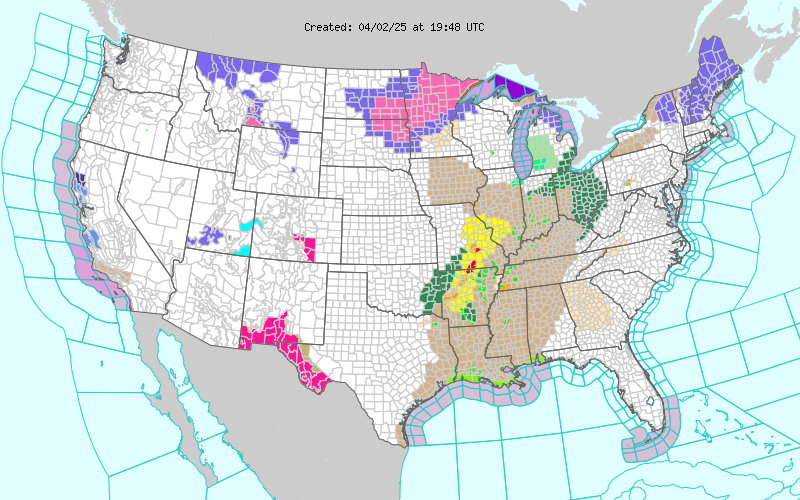
The image is a live image for the National Weather Service server. It gets updated on Real time.
Current Conditions: Evening of December 10th, 2025
Across the Central Zone, the evening of December 10th paints a diverse picture. The Rocky Mountain Front Range, encompassing cities like Denver and Colorado Springs, is enjoying unseasonably mild temperatures, with Denver reporting a comfortable 50°F under mostly clear skies and Colorado Springs at 40°F with similar conditions. Winds here are moderate, around 9-10 mph.
Moving eastward into the Great Plains, a noticeable drop in temperature is evident. Wichita, Kansas, is experiencing partly cloudy skies at 44°F with a gentle 3 mph breeze. Kansas City, Missouri, is cooler at 34°F, mostly cloudy, and a 5 mph wind. Further north, the cold truly begins to set in. Omaha, Nebraska, reports 25°F and cloudy skies, while Des Moines, Iowa, is at 23°F with mostly cloudy conditions and a brisk 10 mph wind.
The northern tier of the Central US is contending with the most significant winter chill. Sioux Falls, South Dakota, is a frigid 17°F under cloudy skies. Minneapolis, Minnesota, registers an even colder 14°F with scattered snow showers and a 5 mph wind. Fargo, North Dakota, is the coldest spot in our current snapshot, a bone-chilling 5°F with mostly cloudy conditions and a light 3 mph breeze.
In the eastern parts of the Central Zone, including the Great Lakes region and the Ohio Valley, temperatures are hovering in the 20s and low 30s. St. Louis, Missouri, is at 29°F, mostly cloudy. Chicago, Illinois, reports 29°F with isolated snow showers and a notable 15 mph wind, signaling potentially blustery conditions. Milwaukee, Wisconsin, is at 24°F, mostly cloudy, with a 10 mph wind. Indianapolis, Indiana, is 29°F with scattered snow showers and a strong 12 mph wind. Louisville, Kentucky, is slightly warmer at 33°F, mostly cloudy, and a 7 mph wind. Finally, Detroit, Michigan, is at 21°F with partly cloudy skies and a brisk 13 mph wind.
Looking Ahead: The Day's Forecast for December 11th, 2025
As December 11th dawns, the Central US will continue to experience varied weather, though a general trend of persistent cold in the north and east, and continued mildness in the west, will define the day. Many areas that saw scattered or isolated snow showers overnight will likely see them dissipate or become lighter, but the cold will remain a dominant factor.
The Western Plains and Front Range cities like Denver and Colorado Springs will maintain their mild conditions, with temperatures rising into the low 50s under partly sunny skies. This will be a welcome reprieve from the deeper winter chill experienced elsewhere.
Across the Great Plains, temperatures will generally remain in the 20s and 30s. Wichita, Kansas, will warm slightly to 46°F and turn sunny. Kansas City, Missouri, will see 37°F and mostly sunny conditions. Omaha, Nebraska, will reach 29°F with partly sunny skies, while Des Moines, Iowa, will stay at 23°F with a slight chance of light snow.
The northernmost cities will continue to battle the cold. Fargo, North Dakota, will climb to 11°F with a chance of light snow. Minneapolis, Minnesota, will be even colder at 10°F under cloudy skies. Sioux Falls, South Dakota, will reach 21°F with light snow expected, indicating ongoing winter precipitation.
In the Eastern Midwest and Ohio Valley, temperatures will largely remain in the 20s and low 30s. St. Louis, Missouri, will stay at 29°F, mostly cloudy. Chicago, Illinois, will drop slightly to 22°F under partly sunny skies. Milwaukee, Wisconsin, will be 16°F and mostly sunny. Indianapolis, Indiana, will remain at 28°F with scattered snow showers continuing. Louisville, Kentucky, will be 31°F and cloudy. Detroit, Michigan, will see 25°F with partly sunny conditions.
Regional Breakdown: A Closer Look at Specific Impacts
Northern Tier: Enduring the Deep Freeze
Cities like Fargo, Minneapolis, and Sioux Falls are experiencing the full brunt of winter. Temperatures well below freezing, with some areas dipping into single digits, demand extreme caution. The forecast for light snow in Sioux Falls and a chance of light snow in Fargo on December 11th, coupled with already low temperatures, means roads could be slick. Wind chills will make outdoor activities perilous without proper attire. Historically, this region is accustomed to severe winters, but even seasoned residents must respect these conditions. Frostbite can occur rapidly on exposed skin. Ensuring homes are well-insulated and heating systems are functioning optimally is paramount. For those with livestock, providing adequate shelter and unfrozen water sources is critical.
Great Plains Core: Mixed Skies and Moderate Cold
From Omaha and Des Moines down to Kansas City and Wichita, the Great Plains will see a mix of cloudy and partly sunny conditions. While temperatures are cold, they are not as extreme as the northern tier. Wichita and Kansas City will even see some sunshine and milder temperatures, offering a brief respite. However, Des Moines and Omaha will remain colder, with Des Moines carrying a slight chance of light snow. This region, often referred to as the "breadbasket of America," relies heavily on predictable weather patterns. While winter wheat is typically dormant this time of year, consistent cold and adequate snow cover are beneficial for insulation. Any significant temperature fluctuations without snow cover can stress crops. Travel here should be manageable, but drivers should be aware of potential icy patches, especially on secondary roads or bridges as temperatures dip overnight.
Eastern Midwest: Persistent Chill and Lingering Snow Chances
The urban centers of Chicago, Milwaukee, Indianapolis, Detroit, St. Louis, and Louisville will contend with a persistent chill. Chicago and Indianapolis, in particular, are seeing scattered or isolated snow showers continuing into the morning of December 11th, which could impact morning commutes. Winds in this region, especially around the Great Lakes, can make the cold feel even more severe. Lake effect snow is always a consideration for cities near the Great Lakes, though the provided data points to more general scattered snow showers rather than a heavy lake effect event. Residents should prepare for slick roads and reduced visibility. The dense population here means even minor snowfall can cause significant traffic delays. Public transportation may be a more reliable option for commuters. Checking local school closures or delays is also advisable.
High Plains/Rockies Front Range: Unseasonably Mild
A notable outlier in this Central Zone forecast is the Front Range of the Rockies, specifically Denver and Colorado Springs. These cities are experiencing remarkably mild and clear conditions, with temperatures well into the 40s and 50s. This warmth is often attributed to phenomena like Chinook winds, which bring warm, dry air down the eastern slopes of the Rockies. While pleasant, this can also lead to rapid snowmelt in higher elevations, potentially affecting water levels downstream later in the season. For now, residents can enjoy a break from winter's grip, though it's a stark reminder of the diverse microclimates within the Central US. Travel here should be largely unaffected by weather, but those venturing into the mountains should always be prepared for rapidly changing conditions.
Understanding Winter Weather in the Central US
The Central United States is characterized by a continental climate, meaning it experiences significant temperature variations between summer and winter. During winter, cold, dry air masses often descend from Canada, bringing frigid temperatures and sometimes snow. The flat topography of the Great Plains allows these air masses to sweep southward unimpeded, leading to widespread cold snaps. The interaction of these cold air masses with moisture from the Gulf of Mexico or the Great Lakes can lead to various forms of winter precipitation, from light snow showers to more significant snowfalls.
Understanding phenomena like wind chill is crucial in this region. Even with relatively moderate air temperatures, strong winds can make the perceived temperature, and thus the risk of frostbite and hypothermia, much lower. For instance, a 10°F air temperature with a 15 mph wind can feel like -9°F. This makes proper layering of clothing not just a comfort measure, but a critical safety precaution.
The current forecast exemplifies this diversity. The western part of the zone, influenced by mountain ranges, can experience different patterns than the eastern plains or the Great Lakes region, where large bodies of water can modify local weather. This makes a regional approach to weather preparedness essential.
Travel Impact and Advisories
Given the scattered snow showers and cold temperatures across much of the Central Zone, especially the northern and eastern parts, travel advisories are in effect. Drivers should exercise extreme caution, particularly on bridges and overpasses where ice forms first. Reduce speed, increase following distance, and avoid sudden braking or accelerating. Ensure your vehicle is winter-ready with good tires, adequate fluid levels, and a full tank of gas.
For those flying, particularly out of major hubs like Chicago, Minneapolis, or Detroit, expect potential delays due to de-icing procedures or reduced visibility. Always check with your airline for the latest flight status before heading to the airport. Road conditions in and around these cities could also be challenging for airport commutes.
Long-distance travelers should pack an emergency kit in their vehicle, including blankets, extra warm clothing, water, snacks, a flashlight, a first-aid kit, and a fully charged cell phone. Inform someone of your travel route and estimated time of arrival.
Agricultural Considerations
For the agricultural backbone of the Central US, these winter conditions bring both challenges and necessary seasonal rhythms. Winter wheat, a major crop in states like Kansas, Nebraska, and Missouri, is dormant during this period. Consistent cold temperatures, especially with snow cover, are generally beneficial as snow acts as an insulating blanket, protecting the dormant plants from extreme cold and preventing desiccation. However, periods of extreme cold without adequate snow cover can lead to winterkill, damaging the crop. The current forecast suggests scattered snow but not widespread heavy cover, so farmers will be monitoring conditions closely.
Livestock, particularly in the northern states, require extra attention during these cold snaps. Farmers must ensure animals have access to adequate shelter, dry bedding, and a constant supply of unfrozen water. Increased feed intake may also be necessary to help animals maintain body heat. The health and well-being of livestock are paramount during periods of sustained cold and potential light snow.
Essential Preparedness Tips for Winter
Being prepared is key to staying safe and comfortable during winter weather. Here are some essential tips for residents across the Central US:
- Dress in Layers: When heading outdoors, wear multiple layers of loose-fitting, lightweight, warm clothing. This traps air and provides better insulation. Don't forget a hat, gloves, and waterproof boots.
- Home Heating Safety: Ensure your heating system has been inspected and is in good working order. Keep flammable materials away from heat sources. If using space heaters, follow all safety guidelines.
- Prevent Frozen Pipes: Insulate exposed pipes, especially in unheated areas like basements or garages. Keep cabinet doors under sinks open to allow warm air to circulate. Consider letting faucets drip slowly during extreme cold.
- Emergency Kit: Have an emergency kit ready at home and in your car. Include non-perishable food, water, blankets, flashlights, extra batteries, a first-aid kit, and any necessary medications.
- Vehicle Maintenance: Check your car's battery, tires, and fluid levels. Ensure your windshield wipers are functional and your washer fluid reservoir is full of winter-grade fluid. Keep your gas tank at least half full to prevent fuel line freezing.
- Stay Informed: Monitor local weather forecasts and official alerts from the National Weather Service. Have multiple ways to receive alerts, such as weather radio, local news, and smartphone apps.
- Check on Neighbors: Especially during severe cold, check on elderly neighbors or those who may need assistance.
Stay Informed and Safe
The Central US is a region of dynamic weather, and this December 10th-11th period is a prime example. While the western parts enjoy a mild interlude, the majority of the zone, particularly the north and east, will be grappling with significant cold and the potential for light snow. By staying informed, preparing adequately, and exercising caution, everyone can navigate these winter conditions safely. Always prioritize safety and heed local advisories as conditions can evolve rapidly.
This post is created using the public data provided by the National Weather Service. Please check the Original source for more information.

Comments
Post a Comment
Please leave a comment.