Central US Winter Weather Alert: Cold Front Brings Snow, Rain, and Frigid Winds
Central US Braces for Significant Winter Weather Shift: Cold Front Brings Snow, Rain, and Frigid Winds
The heartland of America is on high alert as a dynamic winter weather system sweeps across the Central United States. From the serene foothills of the Rockies to the bustling shores of the Great Lakes, residents are preparing for a dramatic shift in conditions. A potent cold front is poised to deliver a diverse array of weather phenomena, including significant temperature drops, widespread precipitation ranging from rain to snow, and notably, powerful, gusty winds that will make already chilly air feel even more biting. This comprehensive forecast will guide you through the expected conditions, offering vital insights for travel, agriculture, and personal safety across this expansive and critical region.
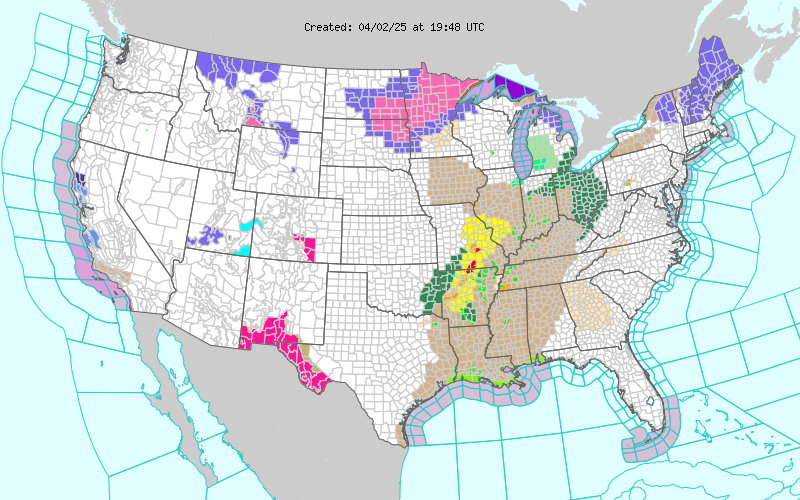
The image is a live image for the National Weather Service server. It gets updated on Real time.
Understanding the Broad Weather Pattern
This week's weather story for the Central Zone is dominated by the eastward progression of a robust cold front. While the far western reaches, including cities like Denver and Colorado Springs, will enjoy relatively milder, clearer conditions, the true impact of this system will be felt most acutely from the Central Plains eastward into the Ohio Valley and Great Lakes region. Here, a collision of air masses will fuel a mix of precipitation types and usher in significantly colder temperatures. The forecast highlights a distinct temperature gradient, with a warm front preceding the cold air, leading to some surprisingly mild morning temperatures in places like Kansas City, only to be followed by sharp declines as the day progresses. This rapid change underscores the dynamic nature of winter weather across the continent's interior, a region known for its dramatic seasonal shifts.
Strong winds are a consistent theme across much of the affected area, particularly in the northern plains and around the Great Lakes. These winds will not only create hazardous driving conditions but will also be a major factor in perceived temperatures, dropping wind chill values well below actual air temperatures. The combination of falling temperatures, precipitation, and high winds creates a complex scenario that demands careful attention and preparedness from all residents.
Regional Breakdown: Your Local Forecast
Rocky Mountain Foothills: Mild and Mostly Clear
- Denver, CO: Expect a partly cloudy morning with temperatures around 47°F and light winds at 6 mph. By the afternoon, conditions will improve to sunny skies, with temperatures rising slightly to 49°F and winds remaining gentle at 7 mph.
- Colorado Springs, CO: The morning begins mostly cloudy at 42°F with 10 mph winds. The afternoon promises more sunshine, with temperatures reaching 43°F and winds holding steady at 10 mph.
Residents in Colorado will experience a relatively calm day compared to their eastern neighbors, making it an opportune time for outdoor activities, albeit with brisk air.
Central Plains: Temperature Plunge and Clearing Skies
- Kansas City, MO: A notably mild morning at 53°F under cloudy skies and 10 mph winds. However, a significant cold front passage will drop afternoon temperatures to 38°F, with mostly sunny conditions and stronger 16 mph winds.
- Wichita, KS: Partly cloudy in the morning with a pleasant 49°F and 13 mph winds. The afternoon will see mostly sunny skies, a slight dip to 48°F, and lighter 12 mph winds.
- Omaha, NE: Mostly cloudy and cool in the morning at 46°F with brisk 20 mph winds. The afternoon brings a noticeable drop to 33°F, though with mostly sunny skies and winds easing to 16 mph.
- Des Moines, IA: Expect a mostly cloudy and chilly morning at 39°F, accompanied by strong 21 mph winds. Afternoon temperatures will fall further to 28°F under cloudy skies, with winds at 17 mph.
The Plains states will witness the most dramatic temperature swings, particularly in Missouri and Iowa, as the cold front sweeps through. The transition from mild to significantly colder air will be rapid, emphasizing the need for layered clothing.
Northern Plains & Upper Midwest: Frigid Air and Snow Chances
- Fargo, ND: A very cold start at 20°F with strong 24 mph winds and a slight chance of light snow. The afternoon will be even colder, dropping to 14°F under mostly cloudy skies with 15 mph winds.
- Sioux Falls, SD: Chilly morning at 37°F with very strong 30 mph winds and a slight chance of light snow. Afternoon temperatures will plummet to 21°F under mostly cloudy skies, with winds decreasing to 15 mph.
- Minneapolis, MN: Cold and snowy conditions are likely in the morning at 28°F with 10 mph winds. The afternoon maintains the chill at 21°F with a slight chance of light snow and 15 mph winds.
This region will bear the brunt of the cold, with sub-freezing temperatures and the highest likelihood of snow. The biting winds will create dangerously low wind chill values, demanding extreme caution.
Great Lakes & Ohio Valley: Rain, Snow, and Blustery Conditions
- Chicago, IL: Rain is likely in the morning at 37°F with powerful 25 mph winds. The afternoon will see temperatures drop to 31°F, with a chance of snow and continued strong 25 mph winds.
- Milwaukee, WI: Expect a mix of rain and snow likely in the morning at 36°F with 10 mph winds. The afternoon will cool to 28°F under mostly cloudy skies, with winds increasing to 20 mph.
- Indianapolis, IN: A chance of light rain in the morning at 40°F with 17 mph winds. The afternoon brings a chance of rain and snow showers, with temperatures around 38°F and persistent 17 mph winds.
- Detroit, MI: Rain and snow are expected in the morning at 33°F with 12 mph winds. These mixed precipitation conditions are likely to continue into the afternoon, with temperatures rising slightly to 36°F and 12 mph winds.
- Louisville, KY: Mostly cloudy and 44°F in the morning with light 7 mph winds. The afternoon will see a slight chance of rain showers, temperatures around 42°F, and increasing winds to 15 mph.
The eastern part of the Central Zone will contend with a messy mix of rain and snow, especially around the Great Lakes, where strong winds will compound the challenging conditions. Travel will be particularly impacted here.
Key Weather Trends and Impacts
Temperatures: A Rollercoaster Ride
The most striking feature of this forecast is the significant temperature variability. While Denver and Colorado Springs maintain relatively stable, mild conditions, areas further east will experience a dramatic plunge. Kansas City, for instance, could see a 15-degree drop in a matter of hours. This rapid cooling, especially when combined with strong winds, increases the risk of hypothermia and frostbite for anyone unprepared. The coldest air will settle over the Northern Plains, with Fargo experiencing single-digit wind chills for much of the day.
Precipitation: From Rain to Snow
The precipitation pattern is equally varied. The Great Lakes region, including cities like Chicago, Milwaukee, Detroit, and Indianapolis, is on track for a messy mix of rain and snow, transitioning to mostly snow as colder air filters in. Areas like Minneapolis and Sioux Falls have a higher likelihood of light snow. Even Louisville has a slight chance of rain showers. This mixed bag means road conditions could quickly deteriorate, shifting from wet to slushy to icy in a short period.
Winds: The Defining Factor
Wind will be a critical element across the entire Central Zone. From the 30 mph gusts in Sioux Falls to the 25 mph winds in Chicago, these strong currents will significantly impact travel and outdoor activities. Beyond the physical force, the wind chill effect will make temperatures feel much colder than the thermometer indicates. For instance, a 20°F air temperature with a 20 mph wind can feel like 0°F or even colder, posing a serious health risk.
Travel Advisories and Road Conditions
Travel across the Central US during this period will be challenging. For those in the Northern Plains and Great Lakes, snow and mixed precipitation will lead to slippery roads and reduced visibility. Strong crosswinds will be a particular concern for high-profile vehicles, including trucks and RVs, across the open plains of Nebraska, Iowa, and South Dakota. Commuters in major metropolitan areas like Chicago, Milwaukee, and Minneapolis should anticipate delays and allocate extra time for their journeys. It's advisable to check local road conditions before departing and to consider postponing non-essential travel if conditions become severe. Keep a full tank of gas, a charged cell phone, and an emergency kit in your vehicle.
Agricultural Considerations for Farmers
For the agricultural sector, this late-season cold front brings a mix of concerns. Livestock producers, especially in the colder northern states, must ensure adequate shelter and feed for animals to withstand the dropping temperatures and strong winds. Young or vulnerable livestock are particularly susceptible to cold stress. Farmers who may still have late-season crops in the field should assess the risk of freezing temperatures. While most harvesting is complete by December, any remaining crops could be damaged. Additionally, the wet conditions in the eastern part of the zone could impact soil moisture levels and potentially lead to some localized flooding in low-lying areas, though widespread flooding is not currently anticipated. It's a reminder for producers to finalize winterizing equipment and infrastructure.
Health and Safety in Cold Weather
The combination of cold temperatures, wind, and precipitation poses several health risks. Hypothermia and frostbite are significant concerns, especially in the Northern Plains where temperatures will be well below freezing and wind chills extreme. Dress in layers, covering all exposed skin. Ensure your home heating systems are in good working order and that carbon monoxide detectors are functioning correctly, especially if using alternative heating sources. Remember to check on elderly neighbors and those who may be vulnerable to the cold. Pets should also be brought indoors or provided with adequate shelter and warmth.
Historical Context: December in the Central US
December in the Central United States is inherently a month of transition, often characterized by the arrival of true winter weather. While the specific intensity varies year to year, cold fronts sweeping across the region, bringing snow and significant temperature drops, are a hallmark of the season. Historically, the area is prone to

Comments
Post a Comment
Please leave a comment.