Central US Winter Weather: Arctic Blast & Snow Chances Ahead
Central US Braces for Arctic Air and Scattered Snow: Your Comprehensive Winter Forecast
As winter truly settles in, the vast expanse of the Central United States is preparing for a significant weather shift, with an arctic air mass descending from the north, bringing frigid temperatures and scattered snow chances to many areas. From the Rocky Mountain foothills of Colorado to the Great Lakes shores of Michigan, residents across the heartland will experience a diverse range of conditions. This detailed forecast will equip you with the knowledge to navigate the coming days, offering insights into current conditions, what to expect hourly, and crucial preparedness advice.
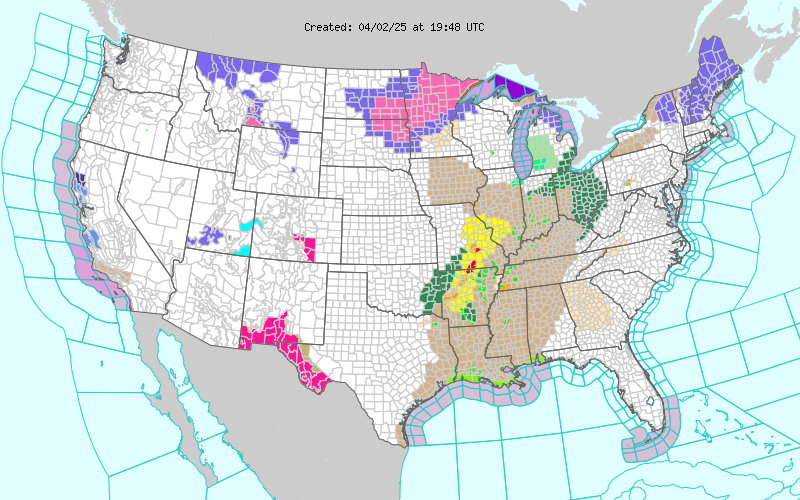
The image is a live image for the National Weather Service server. It gets updated on Real time.
A Snapshot of Current Conditions Across the Heartland
The Central Zone presents a striking contrast today, December 12th, 2025, with milder, sunnier conditions dominating the western and southern fringes, while a deep chill and increased cloud cover, along with snow potential, grip the northern and eastern sectors. The temperature gradient is steep, ranging from relatively mild conditions in Colorado to truly arctic air in the Dakotas.
- Western Central Plains (Colorado, Western Kansas): Cities like Denver and Colorado Springs are enjoying a relatively pleasant day. Denver is seeing a high of 44°F with mostly sunny skies, while Colorado Springs reaches 40°F under similar conditions. These areas will transition to partly cloudy skies tonight, with Denver's temperature surprisingly rising to 47°F, and Colorado Springs cooling to 36°F. Winds remain light, generally around 5-6 mph. Wichita, Kansas, also starts with mostly sunny skies and a high of 36°F, becoming partly cloudy tonight at 35°F.
- Mid-Central States (Missouri, Iowa, Eastern Kansas, Nebraska): Further east, the warmth begins to fade. Kansas City, Missouri, expects a partly sunny day at 31°F, dropping to 29°F and partly cloudy overnight. St. Louis, Missouri, will be cloudier, with a daytime high of 34°F and an overnight low of 31°F, maintaining consistent 6 mph winds. Des Moines, Iowa, and Omaha, Nebraska, are under mostly cloudy to cloudy skies, with highs in the mid-20s (24°F in Des Moines, 28°F in Omaha) and overnight lows plummeting to the mid-teens (15°F in Des Moines, 18°F in Omaha).
- Great Lakes Region (Illinois, Indiana, Michigan, Wisconsin): This area sees a mix of sun and clouds, with increasing chances for snow. Chicago, Illinois, starts partly sunny at 28°F, but by night, temperatures dip to 24°F with a slight chance of snow showers and winds picking up to 15 mph. Milwaukee, Wisconsin, enjoys mostly sunny skies at 20°F, turning cloudy tonight at 19°F with strong 15 mph winds. Indianapolis, Indiana, remains cloudy throughout, with a high of 31°F and a low of 28°F. Detroit, Michigan, has mostly sunny conditions at 25°F, but scattered snow showers are expected overnight, with temperatures holding steady at 25°F.
- Northern Plains (North Dakota, South Dakota, Minnesota): This is where the true arctic grip is felt. Fargo, North Dakota, is experiencing brutally cold conditions with a daytime high of -1°F and strong 20 mph winds, making the wind chill dangerously low. Overnight, it drops to an astonishing -9°F. Sioux Falls, South Dakota, and Minneapolis, Minnesota, both have a chance of snow showers during the day, with highs of 21°F and 17°F respectively. However, the night brings extreme cold: Sioux Falls drops to 5°F, and Minneapolis plummets to a staggering -3°F, with winds remaining between 5-10 mph.
Detailed City Forecasts: Day and Night Dynamics
Understanding the hourly progression of weather is crucial, especially when temperatures are volatile and precipitation is a factor. Let's delve deeper into what residents can expect as the day progresses into night across key cities.
The Western Front: Sunshine and Mildness
- Denver, CO: Enjoy a mostly sunny morning at 44°F with light breezes (5 mph). As evening approaches, expect partly cloudy skies with an unusual rise to 47°F, and winds picking up slightly to 6 mph. This indicates a potential warm air advection or a temperature inversion setting in.
- Colorado Springs, CO: Similar to Denver, the day is mostly sunny and pleasant at 40°F (5 mph wind). Night brings partly cloudy conditions and a cooler 36°F, with winds remaining calm.
- Wichita, KS: A mostly sunny start at 36°F with moderate winds (10 mph). The evening transitions to partly cloudy skies and a slight drop to 35°F, with winds calming to 3 mph.
The Central Core: Increasing Clouds and Chill
- Kansas City, MO: Partly sunny conditions will prevail through the day at 31°F (7 mph wind). By night, it becomes partly cloudy with temperatures falling to 29°F and lighter winds (3 mph).
- St. Louis, MO: Expect a consistently cloudy day and night. Daytime high of 34°F with 6 mph winds, dropping to 31°F overnight with similar wind speeds.
- Omaha, NE: Mostly cloudy skies dominate, with a daytime high of 28°F and 9 mph winds. The evening will see temperatures fall significantly to 18°F, maintaining mostly cloudy conditions and 9 mph winds.
- Des Moines, IA: Cloudy conditions will persist. A high of 24°F with 7 mph winds during the day will give way to a chilly 15°F overnight, with winds increasing slightly to 8 mph.
The Eastern Edge: Snow Chances and Great Lakes Influence
- Chicago, IL: A partly sunny start at 28°F (5 mph wind). The evening brings a notable change with a slight chance of snow showers and temperatures dropping to 24°F. Winds will become quite blustery, reaching 15 mph, which could lead to blowing snow if any accumulation occurs.
- Milwaukee, WI: Mostly sunny conditions initially at 20°F (5 mph wind). However, the night turns cloudy and breezy, with temperatures at 19°F and winds increasing to 15 mph.
- Detroit, MI: Enjoy mostly sunny skies and 25°F with light winds (5 mph) during the day. Scattered snow showers are forecast for the night, with temperatures holding steady at 25°F and winds picking up to 8 mph.
- Indianapolis, IN: Expect cloudy skies throughout the period. Daytime high of 31°F (5 mph wind), cooling to 28°F overnight with winds increasing to 7 mph.
- Louisville, KY: A partly sunny day at 34°F with very light winds (2 mph). Overnight, it becomes mostly cloudy with a low of 32°F and continued light breezes.
The Northern Frontier: Arctic Blast Dominates
- Fargo, ND: A truly brutal day with a high of -1°F and strong 20 mph winds, making outdoor exposure dangerous. The night will be even colder, reaching -9°F under mostly cloudy skies, with winds decreasing to 9 mph.
- Sioux Falls, SD: A chance of snow showers during the day with a high of 21°F and gusty 15 mph winds. The night will be cloudy and extremely cold, dropping to 5°F with lighter 5 mph winds.
- Minneapolis, MN: Similar to Sioux Falls, expect a chance of snow showers and a high of 17°F with 10 mph winds. The overnight forecast is stark, with temperatures plummeting to -3°F under mostly cloudy skies, maintaining 10 mph winds.
Agricultural Impact and Winter Preparedness
The varied weather across the Central Zone has significant implications for the region's vital agricultural sector. In the northern plains, the extreme cold and potential for snow pose immediate challenges. Livestock producers must ensure adequate shelter, feed, and unfrozen water sources for their animals. Exposed pipes can freeze, and equipment may struggle to start in sub-zero temperatures. For winter wheat, which is typically dormant this time of year, a consistent snow cover can act as an insulating blanket, protecting the crop from the harshest cold and preventing winterkill. Without sufficient snow, prolonged periods of extreme cold can damage or destroy dormant plants. Farmers should monitor their fields and be prepared for potential impacts on next year's yields.
Further south, where temperatures are milder, the primary concern might be the lack of consistent cold, which can affect pest cycles or the necessary chilling hours for some fruit crops. However, even these areas will see temperatures drop, necessitating basic winter preparations for any outdoor operations. Preparing barns, ensuring proper insulation, and having backup generators are wise investments across the entire region.
Travel Advisories and Road Safety
Winter travel in the Central US can be notoriously challenging, and this forecast highlights several areas of concern:
- Northern Plains (ND, MN, SD): The extreme cold alone is a hazard. Vehicle batteries are prone to failure, and fuel lines can gel. Drivers should ensure their vehicles are winterized, carry emergency kits, and limit travel if possible. Even without heavy snow, icy patches can form rapidly on roads, especially bridges and overpasses. Strong winds in Fargo could lead to blowing snow, reducing visibility even if new snowfall is light.
- Great Lakes Region (IL, WI, MI): The slight to scattered chances of snow showers in Chicago, Detroit, and Sioux Falls, combined with increasing wind speeds overnight, could lead to slick roads and reduced visibility. Drivers should exercise extreme caution, reduce speed, and maintain greater following distances. Commuters in these urban areas should anticipate potential delays and check local road conditions before departing.
- General Advice: Regardless of your location in the Central Zone, it's prudent to be prepared. Keep your vehicle's gas tank at least half full to prevent fuel line freezing and ensure you have an emergency kit including blankets, extra warm clothing, a flashlight, non-perishable food, water, and a fully charged cell phone. Check tire pressure, wiper fluid, and ensure your battery is in good condition.
Historical Context of Winter Weather in the Central US
The Central United States is no stranger to dramatic winter weather. This region is often the battleground where arctic air masses from Canada collide with warmer, moister air from the Gulf of Mexico, leading to significant snowstorms, ice events, and rapid temperature swings. Historically, December can be a highly variable month. While some years bring mild, green Christmases, others are defined by early, severe cold snaps and heavy snowfall. The current forecast, with its stark north-south temperature divide and pockets of snow, is a classic representation of a typical Central US winter pattern. Major blizzards, like the Great Blizzard of 1888 or the more recent 1993 Storm of the Century, have left lasting impacts, demonstrating the power of these systems. Understanding this historical context underscores the importance of preparedness, as even seemingly moderate forecasts can quickly escalate under the right conditions. The current cold in the northern plains is a stark reminder of the region's capacity for extreme winter conditions, which can stress infrastructure and challenge daily life.
Essential Winter Preparedness Checklist
With such a dynamic forecast, proactive preparation is key for every household and individual:
- Home Heating: Ensure your furnace is in good working order and filters are clean. Consider having an alternative heat source (like a fireplace or space heater) and ensure you have carbon monoxide detectors. Seal any drafts around windows and doors.
- Emergency Kit: Assemble a kit with blankets, non-perishable food, bottled water, a flashlight with extra batteries, a first-aid kit, and any necessary medications.
- Vehicle Readiness: Get your car winterized. Check antifreeze, battery, tires, and brakes. Keep a shovel, sand/cat litter, jumper cables, and an emergency kit in your trunk.
- Outdoor Safety: Dress in layers if you must go outside. Protect exposed skin from frostbite, especially in the northern areas where wind chills will be dangerously low. Limit time outdoors for pets as well.
- Pipe Protection: Insulate exposed pipes, especially in unheated areas like basements or garages, to prevent freezing and bursting. Consider letting faucets drip slightly during extreme cold.
- Stay Informed: Keep a close eye on local weather alerts and advisories from reputable sources like the National Weather Service. Conditions can change rapidly.
Looking Ahead: Beyond Today's Forecast
While this forecast focuses on the immediate impact, the broader winter outlook for the Central US often involves a series of these cold fronts and occasional snow-producing systems. Residents should anticipate continued fluctuations in temperature, with periods of arctic air interspersed with brief thaws. The long-range forecast models suggest that the pattern of cold air intrusions from Canada will likely persist through much of the winter season, potentially bringing more opportunities for significant snowfall, especially across the northern and eastern parts of the zone. Staying vigilant and prepared throughout the season will be crucial.
Stay Informed and Safe
The Central United States is a region of incredible diversity, both in its geography and its weather patterns. As this latest winter system unfolds, we encourage everyone to prioritize safety. Stay warm, stay informed, and take all necessary precautions to protect yourselves, your families, and your property. Local news outlets and the National Weather Service are your best resources for real-time updates and specific advisories for your immediate area.
This post is created using the public data provided by the National Weather Service. Please check the Original source for more information.

Comments
Post a Comment
Please leave a comment.