Central US Winter Weather Outlook: Navigating December 7th's Diverse Conditions
Central US Winter Weather Outlook: Navigating December 7th's Diverse Conditions
As December 7th dawns across the vast expanse of the Central United States, residents are waking up to a starkly divided winter landscape. From the icy grip of arctic air in the north to the surprisingly mild breezes in the south, this day presents a fascinating tapestry of meteorological conditions. Understanding these regional nuances is key to safely navigating your day, whether you're commuting through a blizzard, managing livestock in sub-zero temperatures, or simply enjoying a temperate winter afternoon.
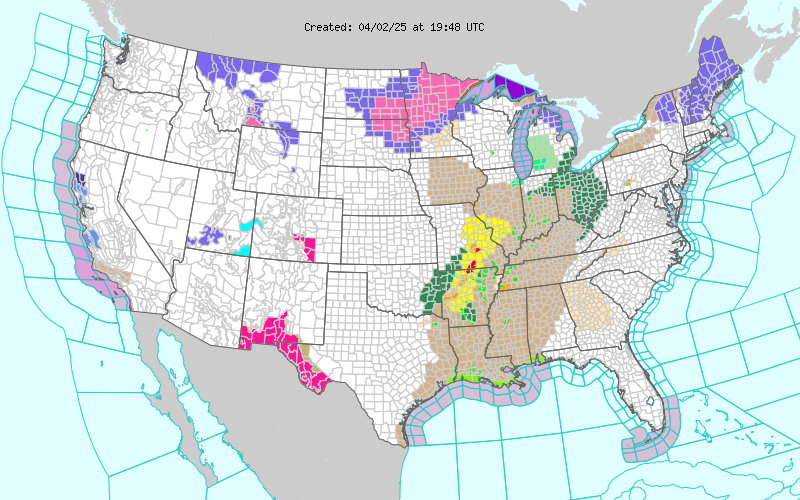
The image is a live image for the National Weather Service server. It gets updated on Real time.
A Snapshot of the Central Zone's Winter Day
Today's weather across the Central Zone is a study in contrasts. Temperatures span an incredible range, with the northernmost states experiencing bone-chilling readings well below zero, while areas closer to the Gulf Coast enjoy conditions that feel more like late autumn than early winter. This dramatic temperature gradient is a hallmark of winter in the continental US, driven by the interplay of cold, dense arctic air masses pushing south and warmer, more moist air lingering over the southern plains.
Key weather phenomena are equally varied. The Great Lakes region is bracing for significant snowfall, fueled by the classic "lake effect" phenomenon, which promises to dump several inches of fresh powder. Elsewhere, chances for light, scattered snow showers are present but generally minor, affecting localized areas without widespread accumulation. Meanwhile, the Rocky Mountain states, though cold, are largely bathed in clear, crisp skies, thanks to a dominant high-pressure system. Wind conditions across the zone are generally moderate, though the northern regions will experience significant wind chill factors that make already frigid temperatures feel even colder. Crucially, there are no severe weather alerts in effect across the entire Central Zone today, meaning no threats of tornadoes, severe thunderstorms, or widespread ice storms – the primary concerns remain the extreme cold and heavy snow in specific areas.
This diverse weather pattern underscores the importance of regional awareness. What's a minor inconvenience in one state could be a life-threatening situation just a few hundred miles north. Our comprehensive outlook aims to provide the detailed, actionable information you need to stay safe and informed.
Deep Freeze Grips the Northern Plains and Upper Midwest
For residents of the Northern Plains and Upper Midwest, December 7th is a day defined by an unrelenting deep freeze. Cities like Fargo, North Dakota; Minneapolis, Minnesota; Sioux Falls, South Dakota; and Omaha, Nebraska are experiencing some of the coldest temperatures of the season so far. Daytime highs in many of these areas will struggle to climb above zero degrees Fahrenheit, with overnight lows plummeting into the negative double digits. Wind chill values will frequently make it feel like -20°F to -30°F, posing serious health risks to anyone spending time outdoors.
The implications of such extreme cold for daily life are profound. Outdoor activities become hazardous, with frostbite able to set in on exposed skin in a matter of minutes. Vehicle owners must contend with the challenges of starting cars in frigid temperatures, necessitating block heaters and fully charged batteries. Plumbing can freeze and burst if not properly insulated, leading to costly damage. Energy consumption for heating homes and businesses will surge, placing increased demand on utility grids. Schools may opt for delayed starts or closures, and outdoor work becomes exceptionally difficult and dangerous.
Amidst this deep freeze, Sioux Falls, South Dakota, stands out with a localized chance for light snow. While not a major snow event, these flurries could add a dusting to an already frozen landscape, potentially creating slick spots on roads and walkways. For the most part, however, the skies over this sub-region will be generally clear or partly cloudy, offering crisp, albeit brutally cold, winter vistas. Historically, this region is no stranger to such cold snaps, with December often ushering in prolonged periods of sub-zero weather. Preparation, including layering clothing, minimizing outdoor exposure, and ensuring home heating systems are in top condition, is not just advisable but essential.
Heavy Snowfall Targets the Great Lakes Region
In stark contrast to the clear, cold skies further west, the Great Lakes region is bracing for a significant winter storm, primarily driven by the notorious lake effect snow phenomenon. Areas most affected include Michigan, northern Wisconsin, northern Indiana, and northern Ohio. Cold arctic air streaming across the relatively warmer waters of the Great Lakes picks up moisture and then deposits it as heavy snowfall on the downwind shores. This localized but intense snowfall can create dramatic differences in accumulation over short distances.
Forecasters are predicting accumulations ranging from 6 to 12 inches in the most persistent lake effect snow bands, with isolated areas potentially seeing even higher totals. The snow will be light and fluffy, but its sheer volume will create challenging conditions. Visibility will be severely reduced, especially during peak snowfall rates, making travel extremely hazardous. Roads will quickly become snow-covered and slick, leading to slow commutes and potential closures of less-traveled routes. Airports in cities like Detroit, Chicago, and Milwaukee may experience flight delays and cancellations, impacting holiday travel plans.
Preparation is paramount for those in the path of this heavy snowfall. Homeowners should ensure their snow removal equipment is in good working order and have ample supplies of salt or sand. It's also a good time to check on elderly neighbors or those who may need assistance with shoveling. Drivers are strongly advised to avoid unnecessary travel. If travel is essential, ensure your vehicle is winter-ready with good tires, a full tank of gas, and an emergency kit including blankets, food, water, and a charged phone. Understanding the localized nature of lake effect snow means paying close attention to specific county-level forecasts, as conditions can vary dramatically even within a single metropolitan area.
Moderate Temperatures and Mixed Conditions in the Central Plains
Moving south into the heart of the Central Plains, the weather picture becomes notably milder compared to the frigid north, yet still retains a distinct winter feel. Cities such as Kansas City, Missouri; St. Louis, Missouri; and Indianapolis, Indiana, will experience daytime temperatures in the 20s and 30s Fahrenheit. While certainly cold, these readings are a welcome reprieve from the sub-zero conditions gripping the Upper Midwest, allowing for a somewhat more manageable day-to-day routine.
This region sits in a transitional zone, a meteorological battleground where the southern reach of arctic air meets the northern edge of milder, Pacific-influenced air. As a result, conditions are often mixed. There are chances for scattered light snow showers or flurries across parts of the Central Plains today, particularly in areas like eastern Kansas and northern Missouri. Any accumulation is expected to be minimal, perhaps a dusting to an inch, primarily affecting grassy surfaces rather than major roadways. However, even light snow can contribute to slick spots, especially on bridges and overpasses, so drivers should remain vigilant.
For the agricultural sector, these moderate temperatures are generally favorable for winter crops like wheat, which benefits from a protective snow cover without being subjected to extreme temperature swings that could cause winterkill. Livestock producers will still need to provide adequate shelter and feed, but the conditions are less stressful than those further north. Residents can generally go about their day with appropriate winter attire, but the biting edge of the cold will still be noticeable, especially in the mornings and evenings. It's a day for warm coats, hats, and gloves, but perhaps not the full arctic gear required in Minneapolis or Fargo.
Southern States Enjoy Milder Winter Air
Continuing our journey southward, the winter outlook transforms dramatically. For states like Oklahoma, Arkansas, northern Texas, and Tennessee, December 7th brings a taste of much milder winter air. Cities such as Oklahoma City, Dallas, Little Rock, and Nashville will see daytime high temperatures comfortably in the 40s and even low 50s Fahrenheit. These conditions are a far cry from the snow and extreme cold dominating the northern and Great Lakes regions, offering a pleasant and relatively easy winter day.
Predominantly clear skies or partly cloudy conditions will prevail across this southern tier of the Central Zone. This means ample sunshine for many areas, contributing to the feeling of warmth and providing a welcome boost to spirits. The absence of winter precipitation – no snow, no ice, and no significant rain – allows for unimpeded daily activities and travel. Roads will be dry, and visibility will be excellent, making for smooth commutes and travel plans within the region.
The milder temperatures mean that outdoor activities remain a viable option for many. Parks and trails might see more visitors, and outdoor chores or errands can be completed without the discomfort of extreme cold. While still advisable to wear a light jacket or sweater, heavy winter coats are largely unnecessary. This pleasant weather allows residents to enjoy a gentler transition into the heart of winter, offering a brief respite before any potential colder fronts might push further south later in the season. It's a reminder of the vast climatic diversity within the Central US, where a single day can encompass multiple seasons depending on your latitude.
The Rockies: Clear, Crisp, and Cold
While often associated with heavy snowfall, the Central US portion of the Rocky Mountains on December 7th presents a different winter narrative: clear, crisp, and cold. Under the influence of a strong high-pressure system, skies over much of Colorado, Wyoming, and Montana will be predominantly clear and sunny. This high pressure acts as a lid, suppressing cloud formation and precipitation, leading to brilliant blue skies that are characteristic of a dry winter day in the mountains.
Despite the sunshine, temperatures will remain cold, especially at higher elevations and during the overnight hours. Daytime highs might only reach the teens or 20s Fahrenheit, with overnight lows dipping well into the single digits or below zero. However, the direct sunlight can make the air feel slightly warmer than the thermometer indicates, particularly when sheltered from any breeze. The dry air also contributes to the crispness, creating stunning views of snow-capped peaks against a vivid sky.
For those engaged in mountain activities, these conditions offer a mixed bag. Ski resorts will likely boast excellent snow bases from previous systems, and the clear skies provide perfect visibility for skiing and snowboarding. However, the cold temperatures necessitate extra layers and vigilance against frostbite. Backcountry enthusiasts should be mindful of avalanche conditions, which can be influenced by new snow and temperature fluctuations, even on clear days. Hikers and winter sports enthusiasts should dress in layers, protect exposed skin, and carry essential safety gear. The clear conditions are ideal for stargazing, offering unparalleled views of the winter night sky in the absence of light pollution and cloud cover.
Travel Advisories and Preparedness Tips Across the Central US
Given the wide array of weather conditions across the Central US today, specific travel advisories and preparedness tips are crucial for staying safe and comfortable. Planning ahead and staying informed are your best defenses against winter's challenges.
For the Northern Plains and Upper Midwest (Extreme Cold):
- Dress in Layers: Multiple layers of loose-fitting, lightweight clothing will trap air and provide better insulation than a single heavy garment. Don't forget hats, gloves or mittens, and insulated, waterproof footwear.
- Limit Outdoor Exposure: Minimize time spent outside. If you must be outdoors, take frequent warming breaks. Be aware of the signs of frostbite and hypothermia.
- Vehicle Preparedness: Ensure your car's battery is strong, antifreeze levels are correct, and tires are properly inflated. Keep an emergency kit in your vehicle with blankets, extra warm clothing, jumper cables, a flashlight, and non-perishable food.
- Home Heating Safety: Check carbon monoxide detectors. If using space heaters, ensure they are placed away from flammable materials and never left unattended.
For the Great Lakes Region (Heavy Snowfall):
- Avoid Unnecessary Travel: If you don't need to be on the roads, stay home. Road conditions will be treacherous with low visibility and slick surfaces.
- Drive with Caution: If you must drive, reduce speed, increase following distance, and avoid sudden braking or steering. Clear all snow and ice from your vehicle before driving.
- Emergency Kit: In addition to the standard car kit, include a small shovel, a bag of sand or cat litter for traction, and a brightly colored cloth to tie to your antenna if you become stranded.
- Snow Removal: Pace yourself when shoveling heavy snow to avoid overexertion. Consider hiring professional help if you have a heart condition or other health concerns.
General Tips for All Central US Residents:
- Stay Hydrated and Nourished: Your body works harder to stay warm in cold weather.
- Check on Others: Reach out to elderly neighbors, friends, or those who may be vulnerable to the cold or isolated by snow.
- Stay Informed: Monitor local weather forecasts and advisories from reputable sources. Websites, local news, and weather apps are invaluable tools.
- Charge Devices: Keep your cell phone and other communication devices fully charged in case of power outages.
Looking Ahead: What the Weekend May Bring
As we move into the weekend, the general pattern across the Central US is expected to see some subtle shifts, though the core themes of cold in the north and milder conditions in the south will largely persist. The arctic air mass currently dominating the Northern Plains and Upper Midwest is forecast to linger, meaning Saturday and Sunday will likely bring continued frigid temperatures to these regions. While the intensity of the lake effect snow in the Great Lakes may wane slightly, localized snow showers will remain a possibility as long as cold air continues to stream over the lakes.
Further south, the Central Plains and Southern States can anticipate a continuation of their relatively moderate winter weather. There might be a slight dip in temperatures as the weekend progresses, but nothing approaching the extreme cold experienced further north. The clear skies in the Rockies are also expected to hold, offering more opportunities for crisp, sunny winter days, albeit with cold nights.
Longer-range models suggest that while this particular arctic blast will eventually retreat, the overall trend for December indicates a likelihood of further cold air intrusions into the Central US. This means that while temporary thaws may occur, residents should remain prepared for the full spectrum of winter weather, from deep freezes to significant snow events, throughout the month. Staying vigilant and regularly checking updated forecasts will be essential for navigating the dynamic nature of a Central US winter.
This post is created using the public data provided by the National Weather Service. Please check the Original source for more information.

Comments
Post a Comment
Please leave a comment.