Central USA Winter Forecast: Cold Snap & Snow Chances Ahead
Central USA Winter Forecast: Navigating a Chilly December Day
As we delve into early December, the heartland of the United States, often referred to as the Central Zone, is bracing for a quintessential winter day. From the crisp, sunny skies of Colorado to the potential for snow showers in the northern reaches, residents across this vast region will experience a diverse range of conditions. This comprehensive forecast aims to equip you with all the essential information needed to navigate Monday, December 8th, 2025, ensuring safety and comfort as temperatures dip and winter's grip tightens.
Understanding the nuances of winter weather in the Central Zone is crucial, given its broad geographical spread and varied microclimates. From the high plains of Colorado to the Great Lakes shores, cold air masses frequently sweep across the landscape, bringing with them a mix of sunshine, clouds, and precipitation. Today's forecast is a testament to this variability, highlighting the need for localized attention to weather patterns.
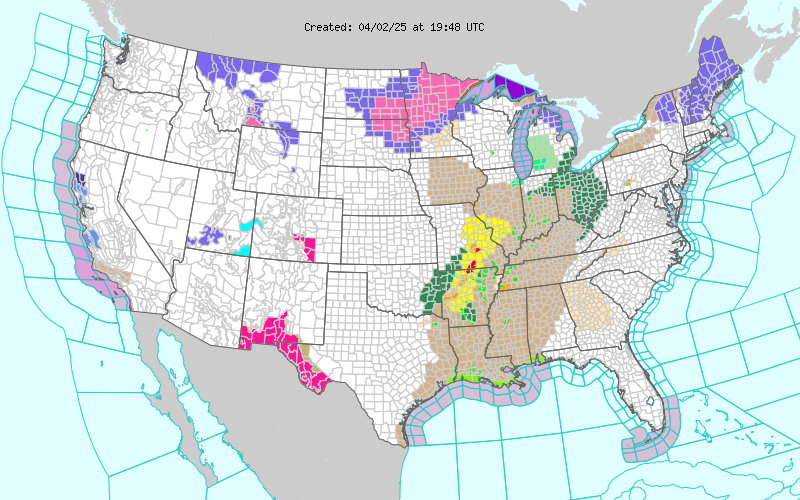
The image is a live image for the National Weather Service server. It gets updated on Real time.
Current Conditions & Regional Overview: A Cold Start to the Week
The Central Zone wakes up to a decidedly cold morning. Temperatures across the region are predominantly in the 20s and 30s Fahrenheit, with some areas experiencing even colder conditions. Wind chills, while not explicitly detailed, will make these temperatures feel even more biting, especially in areas with higher wind speeds.
The general atmospheric pattern suggests a fairly stable, albeit cold, day for many. However, a significant differentiator emerges as we look north. While cities like Denver and Colorado Springs are enjoying bright, sunny starts, further east and north, cloud cover is more prevalent, and a few locations are even contending with specific winter weather phenomena.
- Coldest Spots: Fargo, North Dakota, leads the pack with a frigid 11°F, accompanied by a chance of snow showers. Minneapolis, Minnesota, is not far behind at 13°F. These northern areas are truly experiencing the deep chill of winter.
- Mildest Pockets: Denver, Colorado, stands out with a relatively milder 39°F, basking under sunny skies. Colorado Springs also enjoys sunshine at 34°F.
- Predominant Conditions: Much of the central part of the zone, including Omaha, Des Moines, Kansas City, and Chicago, will see mostly cloudy skies throughout the day.
- Notable Exceptions: Sioux Falls, South Dakota, is contending with patchy fog in the morning, which could impact visibility for early commuters. Fargo, ND, as mentioned, has a chance of snow showers, signaling the potential for light accumulation.
This mosaic of conditions underscores the importance of checking local forecasts, even within a broad regional outlook. What's clear in Denver might be cloudy and breezy in Chicago, and potentially snowy in Fargo.
Looking Ahead: The Hourly Forecast Across Key Cities
Let's break down what residents in some of the Central Zone's major metropolitan areas can expect throughout the day and into the evening:
Mountain States & Western Plains
- Denver, CO: Enjoy a beautiful, sunny Monday with a daytime high around 39°F and a gentle 7 mph wind. By evening, temperatures will settle around 37°F under mostly clear skies, with winds remaining light. A perfect day for outdoor winter activities, provided you dress warmly.
- Colorado Springs, CO: Similar to Denver, Colorado Springs will experience abundant sunshine. Expect a high of 34°F with a light 5 mph breeze. The evening will remain mostly clear, with temperatures holding steady at 34°F, though winds may pick up slightly to 10 mph.
Central Plains & Midwest
- Wichita, KS: A cloudy start to the day with temperatures around 33°F and an 8 mph wind. As evening approaches, skies are expected to clear, bringing the temperature to 37°F with a lighter 6 mph breeze.
- Kansas City, MO: Mostly cloudy conditions will persist through the day, with a high of 28°F and a light 5 mph wind. The evening offers some clearing, with temperatures rising to 35°F and winds picking up to 9 mph, making for a brisk night.
- Omaha, NE: Mostly cloudy skies are the theme for Omaha, with a daytime high of 26°F and a 9 mph wind. The evening will continue with mostly cloudy conditions, reaching 34°F with a calmer 6 mph wind.
- Des Moines, IA: Expect a mostly cloudy day with temperatures around 15°F and a 6 mph wind. The evening will remain mostly cloudy, with temperatures climbing to 29°F and winds increasing to 8 mph.
- St. Louis, MO: A sunny morning greets St. Louis, with a high of 27°F and a very light 3 mph wind. By evening, it will become partly cloudy, with temperatures around 29°F and winds increasing to 7 mph.
Great Lakes & Upper Midwest
- Minneapolis, MN: A very cold day is in store, with mostly cloudy skies and a high of just 13°F, accompanied by a 10 mph wind. The evening will remain cloudy, with temperatures rising to 23°F and winds staying at 10 mph.
- Fargo, ND: The coldest spot in our forecast, Fargo will see a high of 11°F with a significant 14 mph wind and a chance of snow showers. The evening will be mostly cloudy, with temperatures reaching 23°F and winds calming to 9 mph.
- Sioux Falls, SD: Patchy fog in the morning could reduce visibility, with a high of 20°F and a 10 mph wind. The evening will be mostly cloudy, with temperatures rising to 31°F and winds remaining at 10 mph.
- Chicago, IL: Mostly cloudy conditions are expected for Chicago, with a high of 24°F and a 10 mph wind. The evening will continue to be mostly cloudy, with temperatures dropping slightly to 22°F and winds becoming breezier at 15 mph.
- Milwaukee, WI: Mostly cloudy skies will prevail, with a high of 21°F and a light 5 mph wind. The evening will remain cloudy, with temperatures around 22°F and winds picking up considerably to 15 mph.
- Detroit, MI: Partly sunny conditions are forecast for Detroit, with a high of 24°F and a 6 mph wind. The evening will turn partly cloudy, with temperatures dropping to a chilly 18°F and a very light 3 mph wind.
- Indianapolis, IN: Enjoy a sunny start to the day with a high of 23°F and a very light 2 mph wind. The evening will become partly cloudy, with temperatures holding at 23°F and winds increasing slightly to 5 mph.
- Louisville, KY: Mostly cloudy conditions are expected, with a high of 31°F and a 6 mph wind. The evening will be partly cloudy, with temperatures dropping to 29°F and winds becoming very light at 3 mph.
Weather Advisories & Potential Hazards
Based on the available data for December 8th, 2025, there are currently no active weather alerts or advisories issued for the Central Zone. This is certainly good news, suggesting that while the weather is cold, it is not expected to be severe enough to warrant official warnings or advisories for most areas.
However, the absence of formal alerts does not mean a complete absence of hazards, especially during winter. Residents should remain mindful of:
- Patchy Fog: Sioux Falls, SD, specifically mentions patchy fog in the morning. This can significantly reduce visibility and make driving hazardous. Always slow down, use low-beam headlights, and increase following distance in foggy conditions.
- Cold Temperatures: Even without wind chill advisories, sustained temperatures in the teens and 20s Fahrenheit can lead to frostbite and hypothermia if proper precautions are not taken. Exposed skin can be affected quickly.
- Slick Spots: With temperatures hovering around or below freezing, any residual moisture on roads, sidewalks, or other surfaces could freeze, creating black ice. This is particularly dangerous as it's often invisible. Exercise extreme caution, especially on bridges and overpasses.
- Snow Showers: Fargo, ND, has a chance of snow showers. While likely not heavy, even light snow can reduce visibility and make roads slick. Drivers in these areas should be prepared for winter driving conditions.
Always stay informed through local news and weather channels, as conditions can change rapidly, especially during the winter months. A calm day can quickly turn challenging with the arrival of a new weather system.
Agricultural Impact: Winter's Embrace on the Heartland
The Central Zone is a vital agricultural region, and winter weather, even without severe alerts, plays a significant role in farming operations. For December 8th, the cold temperatures across the region will reinforce winter dormancy for most crops.
- Winter Wheat: Much of the Central Plains is home to vast fields of winter wheat. These crops are hardy and designed to withstand cold temperatures, often protected by a blanket of snow (though widespread snow cover isn't expected today). The current cold helps to vernalize the wheat, a crucial process for proper development in the spring.
- Livestock: Farmers with livestock will need to ensure animals have adequate shelter, feed, and access to unfrozen water. Extremely cold temperatures, especially coupled with wind, increase the risk of stress and health issues for cattle, hogs, and poultry. Extra bedding and windbreaks are essential.
- Soil Conditions: The cold temperatures will continue to freeze the topsoil, which can be beneficial for pest control and breaking up soil clumps, preparing it for spring planting. However, a lack of significant snow cover means the ground is more exposed to the elements, potentially leading to deeper frost penetration in some areas.
- Farm Operations: Most field work is halted during this time of year. Farmers will be focusing on equipment maintenance, planning for the next growing season, and managing livestock. The clear skies in some areas might allow for minor outdoor tasks, but the overall cold dictates indoor work for the most part.
While today's forecast presents no immediate threats to agriculture, it's a reminder of the constant vigilance required by those working the land in America's breadbasket. The long-term outlook for winter precipitation will be critical for soil moisture levels heading into spring.
Travel Advisories & Preparedness Tips for the Road
With cold temperatures blanketing the Central Zone, travel requires extra attention. Even on clear days, winter driving comes with its own set of challenges.
Travel Advisories:
- Reduced Visibility: If you are traveling through Sioux Falls, SD, or any area experiencing fog, be extremely cautious. Use your low-beam headlights, reduce speed, and maintain a safe distance from other vehicles.
- Black Ice Potential: This is perhaps the most insidious winter driving hazard. Bridges, overpasses, and shaded areas are prone to developing black ice, which is nearly invisible. Assume any wet-looking patch on the road could be ice when temperatures are at or below freezing. Drive slowly and avoid sudden braking or steering maneuvers.
- Snow Showers: In Fargo, ND, where snow showers are possible, expect reduced traction and visibility. Ensure your vehicle's defrosters and wipers are in good working order.
- Wind Gusts: While not extreme, winds up to 15 mph in places like Chicago and Milwaukee can make driving larger vehicles, such as semi-trucks or vehicles with trailers, more challenging. Keep a firm grip on the steering wheel.
Preparedness Tips for Drivers:
- Vehicle Check: Before heading out, ensure your tires are properly inflated and have good tread. Check your battery, antifreeze, and wiper fluid levels. Keep your gas tank at least half full to prevent fuel lines from freezing.
- Emergency Kit: Always have an emergency kit in your vehicle. This should include blankets, extra warm clothing, a flashlight with extra batteries, a first-aid kit, non-perishable food, water, a shovel, sand or cat litter for traction, and jumper cables.
- Share Your Route: If traveling a significant distance, let someone know your itinerary and expected arrival time.
- Stay Informed: Check road conditions before you leave and monitor local weather updates throughout your journey. Websites like FMCSA Winter Driving Tips offer excellent resources.
Home & Personal Preparedness: Staying Warm and Safe
Beyond travel, personal and home preparedness are paramount during cold snaps in the Central Zone.
Personal Preparedness:
- Layer Up: Dress in layers, even if you're just going out for a short time. Multiple thin layers trap air and provide better insulation than one thick layer. Don't forget hats, gloves, and waterproof footwear.
- Limit Outdoor Exposure: Minimize time spent outdoors, especially during the coldest parts of the day. If you must be outside, take frequent breaks in a warm place.
- Stay Hydrated and Nourished: Drink plenty of fluids and eat regular, warm meals. Your body expends more energy to stay warm in cold weather.
- Recognize Symptoms: Be aware of the signs of frostbite (numbness, white or grayish skin) and hypothermia (shivering, confusion, slurred speech). Seek immediate medical attention if these symptoms appear.
Home Preparedness:
- Heating System Check: Ensure your furnace or heating system is in good working order. Replace air filters regularly.
- Insulation & Drafts: Check for drafts around windows and doors. Use weather stripping or caulk to seal gaps. Consider insulating pipes, especially those in unheated areas, to prevent freezing.
- Carbon Monoxide Detectors: If using alternative heating sources like space heaters or fireplaces, ensure you have working carbon monoxide detectors. Never use a gas oven or grill for indoor heating.
- Fire Safety: Keep flammable materials away from heat sources. Never leave space heaters unattended.
- Pet Safety: Bring pets indoors. If they must be outside, ensure they have adequate shelter, food, and unfrozen water.
- Emergency Supplies: Keep a supply of non-perishable food, water, and any necessary medications on hand in case of power outages.
A Glimpse into Central Zone Winter Climate History
The Central Zone's winter climate is characterized by significant temperature fluctuations and a variety of precipitation types. Historically, December often marks the true onset of colder temperatures, with average daily lows frequently dropping below freezing. Snowfall is a regular occurrence, especially in the northern parts of the zone, like Minnesota and North Dakota, which can see several feet of snow over the winter season. Even southern areas like Kansas and Missouri experience intermittent snow and ice events.
Blizzards, while not a daily occurrence, are a historical feature of the Central Plains, capable of paralyzing communities with heavy snow and extreme winds. The region's flat topography allows cold arctic air masses to sweep south unimpeded, leading to dramatic temperature drops and widespread cold snaps, much like the one we are experiencing today, albeit without the extreme severity of a blizzard.
Understanding this historical context helps residents appreciate the typical challenges and beauty of a Central Zone winter. It reinforces the importance of consistent preparedness and respect for the powerful forces of nature that shape this part of the country.
Conclusion: A Cold But Manageable Day Ahead
Monday, December 8th, 2025, presents a classic Central Zone winter day: cold, with a mix of sunshine and clouds, and isolated chances of snow and fog. While no widespread severe weather alerts are in effect, the inherent hazards of winter, such as slick roads and dangerously cold temperatures, remain present across the region.
By staying informed, preparing your home and vehicle, and dressing appropriately, residents can navigate these conditions safely and comfortably. Embrace the beauty of the season, but always prioritize safety and vigilance. The Central Zone is resilient, and with proper planning, its communities will weather this chilly December day with ease.
This post is created using the public data provided by the National Weather Service. Please check the Original source for more information.

Comments
Post a Comment
Please leave a comment.