Crisp December Day: Eastern US Weather Forecast & Prep
Crisp December Day: Your Essential Eastern US Weather Forecast & Preparedness Guide
As Monday, December 15th, 2025, dawns across the Eastern United States, residents from Maine to Maryland are waking up to a distinctly wintry chill. While much of the region can anticipate a generally clear and sunny day, a notable exception in Western New York brings the season's first significant snowfall to Buffalo. This forecast delves into the precise conditions you can expect, offering valuable insights for travel, agricultural considerations, and crucial preparedness tips to navigate the cold snap effectively.
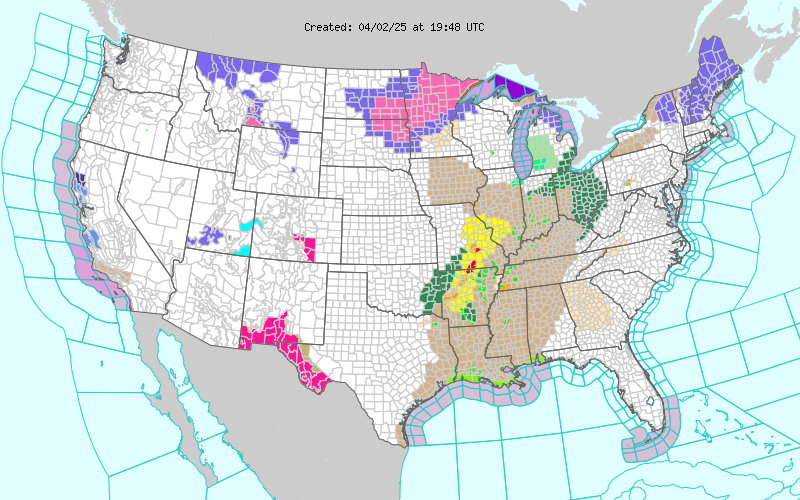
The image is a live image for the National Weather Service server. It gets updated on Real time.
A Chilly Start: Current Conditions Across the Eastern Zone
The early morning hours of December 15th present a crisp, cold landscape across the entire Eastern Zone. Temperatures are firmly entrenched in winter territory, ranging from the low teens in upstate New York and parts of New England to the low twenties further south. For instance, Worcester, MA, started the day around 13°F under partly cloudy skies, while Bangor, ME, reported a similar 13°F with partly cloudy conditions. Moving down the coast, Boston, MA, saw temperatures around 18°F, also partly cloudy, and Providence, RI, registered 18°F with mostly cloudy skies. The Mid-Atlantic states, while slightly milder, still felt the bite of winter; Baltimore, MD, and Wilmington, DE, both experienced temperatures around 19°F and 17°F respectively, under mostly clear conditions.
Wind speeds are a significant factor contributing to the perceived cold. Many areas are experiencing moderate to brisk winds, making the "feels like" temperature even lower. Cities like New York, NY, and Newark, NJ, are reporting winds in the 22-24 mph range, making outdoor conditions feel particularly raw. Even in areas with lighter winds, such as Buffalo, NY, at 6 mph, the cold air mass is pervasive. This combination of low temperatures and noticeable wind underscores the importance of proper layering for anyone venturing outdoors this morning.
Looking Ahead: Daytime Forecast for Monday, December 15th
As the day progresses, the Eastern Zone will see a gradual warming, though temperatures will remain well below freezing for most. The general trend for the majority of the region is towards clearer skies and sunshine, providing a beautiful but cold winter day. For example, Boston, MA, is forecast to reach 24°F and turn sunny by midday, while Providence, RI, expects 24°F and sunny conditions. Further south, New York, NY, and Jersey City, NJ, anticipate highs of 26°F and 27°F respectively, under mostly sunny skies, with winds easing slightly to 15-16 mph.
However, the most significant weather story of the day is unfolding in Buffalo, NY. While the morning started with a slight chance of snow showers and a frigid 12°F, the forecast for midday calls for active snow, with temperatures rising to a still-cold 26°F and winds picking up to 13 mph. This indicates a developing lake-effect snow event, a common phenomenon for the region during cold air outbreaks over the relatively warmer Great Lakes. Residents in Buffalo and surrounding areas should prepare for accumulating snow, reduced visibility, and potentially hazardous travel conditions throughout the day. This localized heavy snowfall stands in stark contrast to the brighter conditions expected across much of the rest of the Eastern Seaboard.
Regional Breakdown: What to Expect in Your City
- New England (Boston, Worcester, Springfield, Providence, Hartford, New Haven, Portland, Bangor): Expect a cold but generally sunny day. Morning temperatures in the teens will rise into the low to mid-20s by afternoon. Winds will be noticeable, especially along the coast, ranging from 10-18 mph. Dress in layers if you plan to be outside.
- New York Metropolitan Area (New York City, Newark, Jersey City, Bridgeport): After a very brisk start with winds up to 24 mph and temperatures in the low 20s, the day will transition to mostly sunny skies with highs reaching the mid-20s. Winds will moderate to 13-16 mph, but the chill factor will persist.
- Mid-Atlantic (Wilmington, Baltimore): These areas will experience the "mildest" of the cold, with morning temperatures in the upper teens rising to the upper 20s by afternoon. Mostly clear to partly sunny conditions are expected, with winds around 10-15 mph.
- Western New York (Buffalo): This is the exception. While other areas see sunshine, Buffalo will be dealing with active snow, possibly heavy at times, especially during the afternoon. Temperatures will be in the low to mid-20s. Travel will be impacted.
Understanding the Winds: A Brisk Day Ahead
The wind is a crucial element of today's forecast, significantly impacting how cold it feels. While actual air temperatures are in the teens and twenties, brisk winds across the Eastern Zone will create much lower wind chill values. Cities like New York and Jersey City are experiencing strong gusts this morning, up to 24 mph, which can make 20°F feel more like 5°F or even colder. Even as winds moderate to 12-16 mph by midday in many areas, the persistent cold air mass ensures that the chill factor remains high. These sustained winds can also contribute to minor power outages in rural areas, especially where tree branches may be weakened by previous storms. Securing outdoor decorations and loose items is always a good practice on windy days.
No Active Weather Advisories: A Clear Slate, Mostly
Currently, there are no widespread severe weather alerts or advisories issued for the Eastern Zone. This is largely good news, indicating that for most areas, while cold, the conditions are manageable with proper precautions. However, it is imperative for residents in and around Buffalo, NY, to remain vigilant. Although no formal "alert" may be active at this precise moment in the provided data, the forecast for active snow suggests that local weather statements or advisories for lake-effect snow could be issued by the National Weather Service as the event unfolds. Always check local forecasts for the most up-to-the-minute information, especially concerning localized snow squalls that can develop rapidly and reduce visibility to near zero.
Historical Context: December Weather in the Eastern US
December in the Eastern United States is synonymous with the full arrival of winter. Historically, this month often brings a mix of cold snaps, occasional snowfalls, and sometimes, significant winter storms known as Nor'easters, particularly along the coast. Average temperatures for mid-December typically range from the low 20s to low 40s Fahrenheit, making today's forecast of teens and twenties quite typical for a cold December day, albeit on the colder side of average for some southern parts of the zone. The region's climate is heavily influenced by its proximity to the Atlantic Ocean and the Great Lakes, leading to varied weather patterns. Lake-effect snow, as seen in Buffalo today, is a classic December phenomenon, occurring when cold air masses move across the relatively warmer lake waters, picking up moisture and depositing it as snow downwind. This current cold snap is a stark reminder of the seasonal transition and the need for winter preparedness that has been ingrained in the culture of the Northeast and Mid-Atlantic for centuries.
Looking back, some Decembers have been remarkably mild, while others have delivered record-breaking cold and snow. The variability is a hallmark of the Eastern US climate. The absence of widespread heavy precipitation today, outside of Buffalo, is also noteworthy. Often, cold fronts like the one ushering in today's chill can bring widespread snow or ice. This particular pattern, with its clear skies for many, allows for a beautiful, albeit frigid, winter scene, contrasting sharply with the potential for more disruptive weather that December can often bring.
Agricultural Impact: Winter's Embrace
For the agricultural sector across the Eastern Zone, these cold December temperatures signify the deep dormancy period for most field crops. Winter wheat, a key crop in some parts of the Mid-Atlantic, is typically well-established by now and can tolerate these temperatures, especially with protective snow cover where it exists. However, extreme cold without snow cover can sometimes lead to winterkill. Orchard fruits, vineyards, and perennial crops are also in their dormant phase, and sustained cold helps them accumulate the necessary "chill hours" for a productive spring bloom. Livestock farmers, however, need to be particularly attentive. Animals require additional feed and shelter to maintain body heat in these conditions. Ensuring access to unfrozen water is also critical. Farmers with high tunnels or cold frames might be growing hardy greens, and they will need to ensure adequate insulation and perhaps supplemental heating to protect these crops from freezing. The snow in Buffalo, while challenging for travel, provides an insulating blanket for dormant plants and helps replenish soil moisture for the spring thaw, a beneficial aspect often overlooked amidst the immediate inconveniences.
Travel Advisories and Tips for the Eastern Zone
Travel today across the Eastern Zone requires extra caution, particularly in areas affected by snow and everywhere due to the cold and potential for black ice. While major highways in the Mid-Atlantic and southern New England are expected to be clear, patches of black ice can form on untreated roads, bridges, and overpasses, especially during the morning hours when temperatures are at their lowest. Reduced visibility due to sun glare on icy patches can also be a hazard.
For those traveling to or through Buffalo, NY: Expect significant travel disruptions. Heavy lake-effect snow can lead to rapidly deteriorating road conditions, whiteouts, and potential road closures. If travel is not essential, it's highly advisable to postpone your plans. If you must drive, ensure your vehicle is winter-ready with good tires, a full tank of gas, and an emergency kit. Allow ample extra time for your journey and maintain safe following distances.
General Travel Tips for the Cold:
- Vehicle Check: Ensure your car battery is in good condition, tires are properly inflated, and fluids (antifreeze, windshield washer fluid) are topped off and rated for cold temperatures.
- Emergency Kit: Always carry a winter emergency kit in your car, including blankets, extra warm clothing, a flashlight, non-perishable food, water, a first-aid kit, jumper cables, and a shovel.
- Dress Appropriately: Even for short trips, dress in layers. If your car breaks down, you'll be grateful for the extra warmth.
- Stay Informed: Check local road conditions and airport delays before heading out. Websites like 511.org (for road conditions) and airline apps are invaluable resources.
Essential Preparedness Tips for the Cold
With temperatures firmly in winter's grip, now is the time to reinforce your cold weather preparedness. Even without widespread severe weather, the persistent cold poses risks.
- Stay Warm Indoors: Ensure your heating system is functioning properly. Seal drafty windows and doors. Consider using a programmable thermostat to save energy.
- Dress in Layers: When going outside, wear multiple layers of clothing. A waterproof and windproof outer layer is crucial. Don't forget hats, gloves, and warm, waterproof footwear.
- Protect Pipes: If you have pipes in unheated areas (garages, crawl spaces), consider insulating them or allowing a slow drip of water from faucets during extreme cold to prevent freezing and bursting.
- Check on Vulnerable Individuals: Reach out to elderly neighbors, friends, and family members who may be more susceptible to the cold. Ensure they have adequate heat and supplies.
- Pet Safety: Bring pets indoors. If they must be outside for short periods, ensure they have adequate shelter, unfrozen water, and are not left out for extended durations.
- Fire Safety: If using space heaters, ensure they are placed on a stable surface, away from flammable materials, and never left unattended. Test smoke and carbon monoxide detectors.
Looking Beyond: The Week Ahead
While today brings a distinct cold snap, current indications suggest that these frigid temperatures may persist for the next few days across much of the Eastern Zone, especially in New England and upstate New York. Forecast models hint at the possibility of another cold front later in the week, potentially bringing more chances for light snow or mixed precipitation to parts of the region. However, significant widespread winter storms are not immediately on the horizon for most areas outside of localized lake-effect events. Continue to monitor local forecasts for any shifts in these developing patterns, as winter weather can be notoriously dynamic in this part of the country.
Stay safe and warm, Eastern Zone!
This post is created using the public data provided by the National Weather Service. Please check the Original source for more information.

Comments
Post a Comment
Please leave a comment.