December's Diverse Embrace: Navigating the Southern US Weather Mosaic
December's Diverse Embrace: Navigating the Southern US Weather Mosaic
As December unfolds, the Southern United States presents a fascinating tapestry of weather conditions, a true mosaic reflecting the region's vast geographical and climatological diversity. From dense morning fog shrouding the plains to the vibrant sunshine of South Florida, and the mild, damp air of the Deep South, this week's forecast promises a dynamic experience for residents and travelers alike. Understanding these nuances is key to navigating daily life, ensuring safety, and making the most of the season.
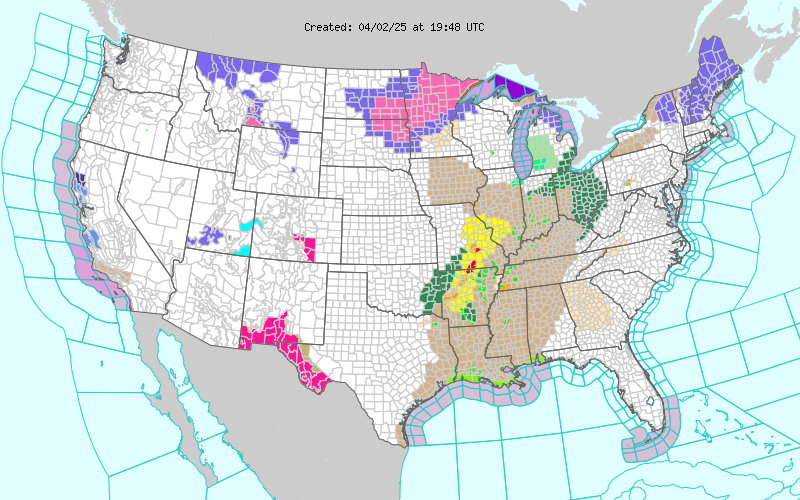
The image is a live image for the National Weather Service server. It gets updated on Real time.
A Foggy Dawn Across the Southern Plains and Southeast
The early hours across a significant swath of the Southern Plains and Southeast are characterized by widespread morning fog, creating challenging conditions for commuters and early risers. From the heart of Oklahoma to the coastal plains of Georgia, visibility will be severely reduced. This phenomenon is particularly prevalent in low-lying areas and near bodies of water, where moisture content is higher and temperatures drop sufficiently overnight to allow for condensation.
Cities such as Oklahoma City, Nashville, New Orleans, Little Rock, Jackson, Houston, Birmingham, Baton Rouge, Atlanta, and Orlando are all expected to experience significant morning fog. For drivers, this translates into extremely hazardous conditions. Reduced visibility means reaction times are cut dramatically, making safe following distances and lower speeds absolutely critical. It's not just a minor inconvenience; dense fog can lead to multi-vehicle accidents if drivers are not vigilant.
Cool morning temperatures, especially in inland areas like Nashville and Atlanta, contribute significantly to the formation of this widespread fog. As the ground cools overnight, it chills the air directly above it. If this air is moist enough, the water vapor condenses into tiny droplets, forming fog. These cooler temperatures often linger well into the morning, delaying the dissipation of the fog until the sun gains enough strength to warm the ground and burn it off.
For those planning their morning commute or travel, it's crucial to allow extra time, use low-beam headlights (fog lights if equipped), and avoid using high beams, which can reflect off the fog and worsen visibility. Maintaining a safe distance from the vehicle ahead and being prepared for sudden stops are paramount. This atmospheric condition, while beautiful in its ethereal quality, demands utmost respect and caution.
Florida's Mixed Bag: Sunshine, Showers, and Thunderstorms
Florida, the Sunshine State, lives up to its diverse reputation this December, offering a stark contrast in weather patterns across its peninsula. While some areas bask in glorious sunshine, others will contend with significant rain chances, including the potential for afternoon thunderstorms.
The central and northern parts of Florida, including major metropolitan areas like Tampa, Orlando, and Jacksonville, are bracing for a higher likelihood of rain showers. These systems are often driven by lingering moisture and occasional frontal boundaries that sweep through the state. Residents and visitors in these areas should prepare for intermittent downpours, which could impact outdoor plans, theme park visits, and beach excursions. The potential for afternoon thunderstorms, particularly in central Florida, adds another layer of complexity. These storms can develop rapidly, bringing not only heavy rain but also lightning and gusty winds, posing a risk to those engaged in outdoor activities.
In stark contrast, South Florida, particularly Miami, is expected to enjoy mostly sunny and warm conditions. This geographical distinction is common, with the southern tip of the state often shielded from cooler, wetter systems that affect its northern counterparts. Miami's forecast promises pleasant temperatures, ideal for enjoying its renowned beaches, outdoor dining, and vibrant cultural scene. This dichotomy within a single state highlights the need for localized forecasts and careful planning, especially for those traveling across different regions of Florida.
For Florida's crucial agricultural sector, these weather patterns can have varied impacts. While some rain is always welcome, excessive rainfall can pose challenges for certain crops, especially during harvest seasons. Conversely, the sunny conditions in the south are beneficial for citrus groves and other subtropical produce. Tourists, a backbone of Florida's economy, will need to pack accordingly, with umbrellas and rain gear for the central and northern regions, alongside sunscreen and beachwear for the south.
Gulf Coast and Deep South: Mildness with a Chance of Drizzle
Moving westward along the Gulf Coast and into the Deep South, states like Louisiana, Mississippi, and Alabama are set for a period of mild temperatures, a gentle reminder that winter often takes a softer approach in these latitudes. While not entirely dry, the precipitation expected will largely be in the form of light rain showers or drizzle, rather than widespread heavy downpours.
Cities such as New Orleans, Baton Rouge, Jackson, and Birmingham will experience these mild conditions, with daytime temperatures often hovering comfortably above the seasonal average. This mildness is a welcome respite for many, allowing for extended outdoor enjoyment and less demand on heating systems. However, a slight to moderate chance of rain showers will punctuate these otherwise pleasant days. This drizzle can make roads slick and dampen outdoor plans, but it's generally not expected to be disruptive enough to cancel major events.
The impact of these conditions on local events and outdoor plans is worth considering. While a light drizzle might not deter a determined football fan or festival-goer, it could make outdoor markets or leisurely strolls less appealing. For agricultural interests in the region, light, intermittent rain can be beneficial, providing much-needed moisture without saturating fields. Construction and outdoor maintenance work might face minor delays but are unlikely to be brought to a standstill.
The mild, often humid air mass present across the Gulf Coast and Deep South is a signature of early winter in this region. It's a transitional period where the deep chill of Arctic air masses is less frequent, allowing for more temperate conditions. This weather pattern also contributes to the misty, atmospheric quality often associated with the Southern landscape, creating unique photographic opportunities and a distinctive seasonal feel.
Clearing Skies and Warming Trends in the West
Further west, across Texas, Oklahoma, and New Mexico, a different atmospheric story is unfolding. After the initial morning fog dissipates, these states are expected to transition into sunnier and notably warmer conditions. This shift marks a welcome change for many, bringing a sense of clarity and comfort after the dampness of the early hours.
Major cities like Houston, Dallas, Oklahoma City, and Albuquerque will see their morning fog lift to reveal mostly sunny afternoons. This diurnal pattern – fog in the morning, clear and warm by afternoon – is a common feature in many parts of the Southern Plains during transitional seasons. The warming trend is significant, with temperatures climbing several degrees above average, making for exceptionally pleasant December afternoons. This allows for a wide range of outdoor activities, from park visits to golf, without the need for heavy winter attire.
Analysis of wind patterns in these areas indicates generally light to moderate breezes, which will play a crucial role in the overall weather experience. These winds, often from the south or southwest, help to usher in warmer air from the Gulf of Mexico, contributing to the rising temperatures. They also aid in the dispersion of morning fog, effectively sweeping it away as the day progresses. While not strong enough to cause significant issues, a gentle breeze can enhance the feeling of warmth on a sunny day or provide a cooling effect if temperatures climb higher. For those in more arid parts of New Mexico and West Texas, the combination of sunshine and light winds can also lead to very low humidity, which is important for skin hydration and fire safety considerations.
This western part of the Southern Zone often acts as a gateway for weather systems moving across the continent. The clear, warm conditions here can sometimes be a precursor to changes further east, or they can be the result of a strong high-pressure system dominating the region, pushing away any moisture-laden air. Understanding these dynamics helps paint a complete picture of the Southern US weather mosaic.
Navigating December Weather: Travel, Health, and Daily Life
With such a diverse range of conditions across the Southern Zone, practical advice for residents and travelers becomes paramount. December is a busy month, filled with holiday preparations, travel, and social gatherings, making weather awareness even more critical.
Travel Advisories and Safety Tips:
- Morning Fog: For commuters and those embarking on road trips, especially across the Southern Plains and Southeast, be extremely cautious during morning hours. Reduce speed, increase following distance, and use low-beam headlights. Avoid sudden braking. Check local traffic reports before heading out.
- Wet Roads: Areas experiencing rain, particularly in Florida and along the Gulf Coast, will have slick roads. Hydroplaning is a real risk. Ensure your tires are in good condition and maintain a slower speed.
- Holiday Travel: If you're flying, check airline schedules frequently, especially if fog or thunderstorms are in the forecast for your departure or arrival airport. For road trips, pack an emergency kit including blankets, water, snacks, a first-aid kit, and a fully charged phone.
Health and Well-being:
- Temperature Fluctuations: With cool mornings and warmer afternoons, dressing in layers is the most practical approach. This allows you to adjust to changing temperatures throughout the day, preventing discomfort or illness.
- Hydration: Even in cooler weather, staying hydrated is important, especially in the sunnier, drier western regions.
- Respiratory Concerns: Dense fog can sometimes exacerbate respiratory conditions for sensitive individuals. If you have asthma or other lung issues, be mindful of air quality reports and limit prolonged outdoor exposure during heavy fog.
Impact on Daily Routines and Local Economies:
The weather mosaic directly influences various aspects of daily life. For agriculture, the balance of sun and rain is critical for winter crops. Local businesses, from tourism operators in Florida to outdoor event organizers in the Deep South, constantly adapt to the forecast. Construction projects might face minor delays due to rain or fog. Schools and workplaces typically monitor conditions for potential disruptions, though this forecast suggests more of an inconvenience than widespread closures.
Being prepared means more than just having an umbrella. It means understanding the local forecast, planning your day accordingly, and having contingencies for potential delays or changes in conditions. This proactive approach ensures a smoother and safer December for everyone in the Southern Zone.
Historical Context and Climate Insights for the Southern Zone
Understanding current weather patterns is greatly enhanced by examining them through the lens of historical climate data. December in the Southern US typically marks the transition from autumn's mildness to the heart of winter, though "winter" here often looks very different from its northern counterparts.
Typical December Weather Patterns:
Historically, December in the Southern Zone is characterized by a gradual decrease in temperatures, with average highs ranging from the mid-50s in the northern reaches of the zone (e.g., northern Arkansas, Tennessee) to the mid-70s in South Florida. Precipitation is generally moderate, often coming from cold fronts sweeping across the region, bringing periods of rain. Freezing temperatures are common overnight in inland areas, especially north of the Gulf Coast, but widespread, prolonged freezes are less frequent than further north. Snowfall is rare outside of higher elevations or specific cold air outbreaks, though ice storms can occasionally be a concern in the northern parts of the zone.
Comparing Current Conditions to Long-Term Averages:
This current forecast, with its widespread morning fog, mild temperatures, and specific rain chances, largely aligns with typical December variability. The mildness across much of the Deep South and the warming trends in the west are consistent with periods of stronger southerly flow or dominant high-pressure systems, which are not uncommon in early winter. The prevalence of fog is also a classic December feature, especially when cooler, moist air settles over the landscape. While some areas might experience slightly above-average temperatures, this doesn't necessarily represent a drastic deviation from the norm, but rather a manifestation of the dynamic nature of winter weather in the South.
Broader Climate Trends and Implications:
Looking at broader climate trends, the Southern US has experienced shifts over recent decades. There's a general trend towards warmer winters, with fewer extreme cold snaps. This can have significant implications for agriculture, potentially extending growing seasons for some crops but also altering pest cycles. Changes in precipitation patterns are also being observed, with some areas experiencing more intense rainfall events, even if overall annual totals remain similar. The frequency and intensity of fog events can also be influenced by larger climatic shifts affecting moisture availability and temperature inversions.
Factors like the El Niño-Southern Oscillation (ENSO) can play a significant role in shaping winter weather in the South. During an El Niño year, for example, the Southern US often experiences cooler and wetter conditions, while La Niña typically brings warmer and drier weather. Understanding these large-scale climate drivers helps put individual forecasts into a broader, more informed perspective, allowing for better long-term planning for sectors like agriculture, water management, and emergency preparedness. This December's diverse weather serves as a poignant reminder of the complex and ever-changing atmospheric dance that defines the Southern United States.
This post is created using the public data provided by the National Weather Service. Please check the Original source for more information.

Comments
Post a Comment
Please leave a comment.