Deep Freeze Grips Central US: A Look at December's Chilly Embrace and Winter Weather Ahead
As December settles in, a significant cold front has firmly gripped the heart of the United States, ushering in a widespread and persistent chill that defines the onset of winter for millions. From the expansive plains of the Dakotas to the bustling cities of the Ohio Valley, residents are experiencing a stark reminder that winter is not just around the corner, but has arrived with a formidable embrace. This article delves into the immediate forecast, offers crucial safety advice, and provides a broader context for what this early December cold snap means for the region.
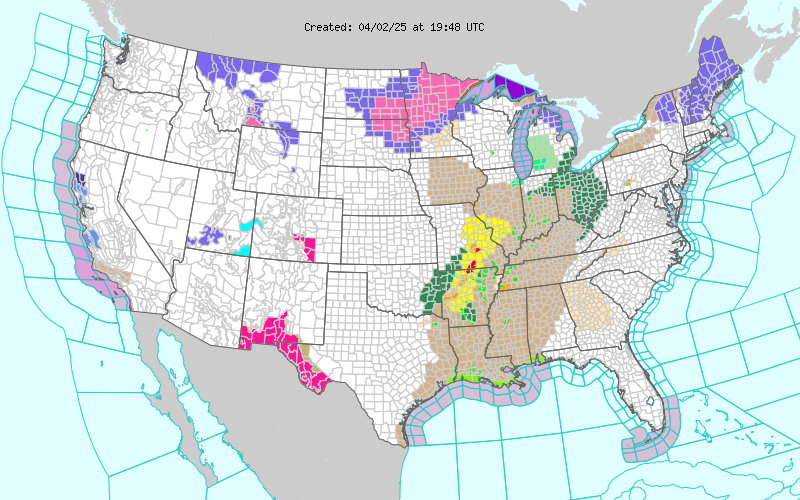
Central US Weather Snapshot: A Widespread Winter Chill
The dominant weather story across the Central US is undeniably the pervasive cold front, an expansive dome of arctic air that has pushed south, bringing frigid temperatures and a distinct winter feel. This cold air mass is currently dictating conditions across a vast geographical area, extending from the Canadian border deep into the southern plains. Throughout this expansive zone, general temperature ranges are consistently in the 20s and 30s Fahrenheit, with many areas, particularly further north, struggling to climb above freezing even during the warmest part of the day.
While the cold is a unifying factor, sky conditions vary across this immense region. Some areas, especially in the western parts of the Central Plains, are enjoying crisp, clear, and sunny skies, albeit with biting cold air. In contrast, the northern tier and parts of the Great Lakes region are experiencing predominantly cloudy conditions, often accompanied by chances of light snow. These varied sky conditions, from brilliant sun to soft snowfall, underscore the dynamic nature of winter weather in America's heartland, demanding constant vigilance and preparation from its inhabitants. The sustained nature of this cold front means that even without heavy precipitation, the low temperatures themselves pose significant challenges for daily life and infrastructure.
Northern Tier: Light Snow and Persistent Cold
For cities nestled in the Northern Tier of the Central US, the forecast is dominated by a persistent, biting cold and the ever-present threat of light winter precipitation. In metropolitan areas such as Minneapolis, Minnesota, Sioux Falls, South Dakota, Fargo, North Dakota, and Milwaukee, Wisconsin, residents should brace for sub-freezing temperatures that are unlikely to relent for several days. Daytime highs will struggle to reach the low 20s, while overnight lows will plunge well into the single digits, and even below zero in the most northern and exposed locales.
Beyond the sheer cold, a significant portion of this region can expect cloudy skies, often accompanied by chances of light snow. While heavy accumulations are not widely anticipated, even a dusting or an inch or two of fresh snow can create slick conditions on roadways and walkways. Minnesota, South Dakota, and Wisconsin, in particular, are under the influence of moisture-laden air interacting with the cold, increasing the likelihood of these light snowfall events. Furthermore, moderate winds are a crucial factor contributing to the perceived cold in these northern areas. Wind chill values will frequently make it feel significantly colder than the actual air temperature, exacerbating the risk of frostbite and hypothermia for anyone spending time outdoors. These winds, while not exceptionally strong, are enough to penetrate layers of clothing and quickly draw warmth from the body, making proper layering and protection of exposed skin absolutely essential.
Southern & Central Plains: From Sunny Skies to Patchy Freezing Fog
Moving south into the Central and Southern Plains, the weather picture presents a fascinating array of conditions, though the overarching theme of cold remains. Cities like Wichita, Kansas, Kansas City, Missouri, St. Louis, Missouri, Omaha, Nebraska, Indianapolis, Indiana, and Louisville, Kentucky will experience diverse weather phenomena under the influence of this expansive cold air mass. While many parts of Missouri and Kansas can anticipate crisp, sunny conditions, allowing for brighter, albeit still very cold, days, other areas face more challenging atmospheric events.
One notable concern is the potential for patchy freezing fog, particularly in areas like Wichita, Kansas, during the overnight and early morning hours. Freezing fog occurs when supercooled water droplets remain liquid in the air at temperatures below freezing. When these droplets come into contact with surfaces – roads, trees, cars – they instantly freeze, creating a thin, often invisible, layer of ice. This phenomenon can dramatically reduce visibility and create extremely slick surfaces, posing a significant hazard for commuters. Temperatures across these more southerly regions will generally be a few degrees warmer than their northern counterparts, often hovering in the upper 20s to low 30s for highs, with overnight lows dipping into the teens. Wind patterns here are typically lighter, which helps to mitigate the wind chill factor compared to the northern tier, but the cold is still palpable and requires careful attention. Even with lighter winds and occasional sunshine, the ground remains frozen, and any moisture can quickly turn to ice, making vigilance crucial.
Navigating Winter Roads: Travel Advisories and Safety Tips
The current cold snap, combined with varied precipitation types, presents several challenges for travel across the Central US. One of the most significant concerns for morning commuters in areas susceptible to it, such as Wichita, Kansas, is the potential impact of patchy freezing fog. This phenomenon can drastically reduce visibility to near zero in localized areas, making driving extremely hazardous. Drivers may suddenly enter a dense fog bank with little warning, and the immediate formation of black ice on road surfaces can lead to dangerous, unexpected slides. It is imperative to slow down, use low-beam headlights, and increase following distances when encountering fog of any kind, especially freezing fog.
In the northern cities experiencing light snow, even minor accumulations can result in slick spots, particularly on bridges, overpasses, and shaded areas where ice can persist. Black ice, a thin, transparent layer of ice that blends with the road surface, is a perennial danger during winter. It forms when temperatures hover around freezing, and it is notoriously difficult to spot until it's too late. Therefore, essential driving safety tips for navigating these cold weather conditions are paramount. Always reduce your speed significantly, allow ample stopping distance between your vehicle and others, and avoid sudden braking or steering maneuvers, which can easily lead to a loss of control on icy patches. Ensure your vehicle's tires are properly inflated and have adequate tread. Keep your windshield and all windows clear of snow and ice, and top off your windshield wiper fluid with a winter-grade solution. If you encounter a patch of ice and begin to slide, remember to steer gently into the slide, taking your foot off the accelerator and avoiding hard braking. Always check local road conditions and advisories before embarking on any journey during this cold snap.
Staying Warm and Safe: Essential Winter Preparation
With sustained frigid temperatures gripping the Central US, prioritizing personal warmth and safety is non-negotiable. Proper layering of clothing is the first line of defense against the cold. Start with a moisture-wicking base layer, add insulating middle layers like fleece or wool, and top it off with a waterproof and windproof outer shell. Crucially, protect all exposed skin, especially your head, ears, hands, and feet, with hats, gloves, scarves, and insulated, waterproof footwear. Recognizing the signs of cold-related illnesses such as hypothermia (shivering, confusion, slurred speech) and frostbite (numbness, waxy skin, discoloration) is vital. If these symptoms appear, seek immediate medical attention.
Home heating safety is equally important. Ensure your furnace has been inspected recently and that carbon monoxide detectors are functioning correctly and have fresh batteries. Never use an oven or grill as a heating source indoors, as this poses a severe carbon monoxide poisoning risk. To prevent frozen pipes, which can cause extensive and costly damage, insulate exposed pipes, especially in unheated areas like basements, attics, and crawl spaces. During extreme cold, allowing faucets to drip slightly can keep water moving and prevent freezing. Open cabinet doors under sinks to allow warmer air to circulate around pipes. If you use space heaters, ensure they are placed on a flat, non-flammable surface, away from anything that can burn, and never leave them unattended. Proper ventilation is key when using any fuel-burning appliance.
Finally, a comprehensive vehicle winterization checklist can save you from being stranded in dangerous conditions. Have your battery tested, as cold weather significantly reduces its cranking power. Ensure your antifreeze/coolant levels are adequate for sub-freezing temperatures. Check tire pressure regularly, as it drops in cold weather. Replace old wiper blades and keep your windshield wiper fluid reservoir full with a winter-grade, non-freezing solution. Assemble an emergency kit for your vehicle, including blankets, extra warm clothing, non-perishable food, water, a flashlight with extra batteries, a first-aid kit, a small shovel, sand or cat litter for traction, and jumper cables. Being prepared means you can face winter's challenges with confidence and safety.
December's Embrace: Historical Context of Central US Winters
December in the Central US is typically a transitional month, marking the full descent into winter. Historically, average temperatures across the region begin a noticeable downward trend, with many areas seeing their first sustained periods of freezing temperatures. While specific averages vary widely from north to south, it's common for daytime highs to hover in the 30s and 40s Fahrenheit, with overnight lows dipping into the 20s or teens. The current cold snap, with widespread temperatures in the 20s and 30s for highs and single digits or teens for lows, is certainly on the colder side of typical for early December, especially for the southern reaches of the Central Plains. This suggests an earlier and more intense onset of winter conditions than the historical average for many locations.
Precipitation in December often transitions from rain to snow as temperatures drop, and the current forecast for light snow in the northern tier aligns with historical patterns, though the amount and frequency can vary significantly year to year. What makes this particular cold front noteworthy is its widespread nature and sustained intensity for this early in the season. Broader climate trends, such as the influence of atmospheric patterns like the Arctic Oscillation or specific phases of ENSO (El Niño-Southern Oscillation), can play a role in dictating the severity and timing of winter weather. While it's too early to definitively link this cold snap to a specific long-term trend, the early arrival of such a robust cold air mass often sets the stage for a more pronounced winter, influencing soil temperatures and the potential for subsequent snow events. Understanding these historical patterns helps us contextualize current conditions and prepare for what might lie ahead, recognizing that winter in the heartland is often a season of dramatic variability.
Agricultural Impact and Long-Term Outlook
For the vast agricultural sector of the Central US, sustained cold temperatures like those currently gripping the region present a unique set of considerations. Livestock, particularly cattle and other outdoor animals, require increased attention. Farmers must ensure adequate shelter, provide extra feed to help animals maintain body heat, and, critically, ensure access to unfrozen water. Prolonged exposure to extreme cold can lead to cold stress, reducing weight gain and overall health. The freezing fog in areas like Wichita, KS, also impacts visibility for farmers operating machinery or tending to livestock in the early morning, adding another layer of challenge to their daily routines.
Winter crops, such as winter wheat, which is a staple across much of the plains, are generally resilient to cold, but their hardiness depends on several factors. A sustained deep freeze, especially without an insulating blanket of snow, can potentially damage crops that haven't fully hardened off or are more susceptible to extreme temperatures. The presence of freezing fog, while localized, can also temporarily reduce the amount of sunlight reaching these crops, though its long-term impact is usually minimal unless it persists for extended periods. Farmers are keenly aware of these conditions and often monitor specialized agricultural forecasts to make informed decisions about protecting their investments.
Looking ahead, while it's challenging to predict the entire winter season from an early December cold snap, current patterns often offer clues. This early and widespread cold suggests that the atmospheric setup is conducive to bringing arctic air masses southward. While a single cold event doesn't guarantee a brutally cold winter, it does indicate that the machinery of winter is fully engaged. Meteorologists will be closely watching for recurring patterns, the strength of the polar vortex, and the evolution of larger climate drivers to provide a more comprehensive long-term outlook. For now, the takeaway is clear: the Central US has entered a period of definitive winter, and continued vigilance and preparedness will be essential for the remainder of the season, as further cold snaps and varied precipitation events are almost certainly on the horizon.
Disclaimer: Forecast data is sourced from the National Weather Service (NWS) and is subject to change. This bot processes NWS data for aggregation and is not responsible for forecast accuracy.

Comments
Post a Comment
Please leave a comment.