Eastern Seaboard Braces for Crisp December Day: Your Weekend Weather Guide
Eastern Seaboard Braces for Crisp December Day: Your Weekend Weather Guide
As we step into December 7, 2025, the Eastern Zone of the United States is settling into a true winter pattern, bringing crisp air and generally clear skies to much of the region. From the rugged coast of Maine down to the Mid-Atlantic, residents can expect a chilly day, characterized by cold temperatures and mostly light winds. While a significant widespread weather event isn't on the immediate horizon, localized conditions, particularly in Western New York, warrant attention. This detailed forecast will equip you with everything you need to know to navigate the day safely and comfortably, offering insights into current conditions, historical context, agricultural impacts, travel considerations, and essential preparedness tips.
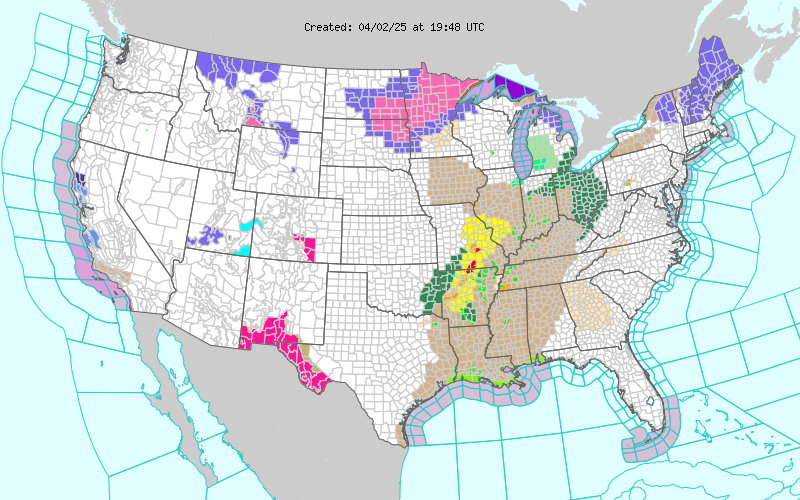
The image is a live image for the National Weather Service server. It gets updated on Real time.
Current Conditions: A Chilly Start Across the Eastern Zone
The morning of December 7th dawns with a distinct chill, painting a varied picture across the Eastern Seaboard. Temperatures are firmly in the cold range, with significant differences between the northernmost reaches and the more southerly areas.
- New England's Deep Freeze: Up in Bangor, Maine, the day begins with a biting 16°F under sunny skies, accompanied by a noticeable 8 mph wind. Further south in Massachusetts, Worcester and Springfield report 27°F and 25°F respectively, both enjoying mostly sunny conditions with very light winds (3 mph and 2 mph). Providence, Rhode Island, and Hartford, Connecticut, are also experiencing sunny to mostly sunny mornings at 30°F and 27°F, with gentle breezes. Boston, the heart of Massachusetts, sees a partly sunny 33°F with barely a whisper of wind at 1 mph. Connecticut cities like New Haven and Bridgeport are sunny at 28°F and 30°F, both with light winds around 2-3 mph.
- New York's Varied Outlook: Western New York, specifically Buffalo, stands out with a "Chance Light Snow" this morning, alongside a chilly 28°F and a light 2 mph wind. This is a classic early winter scenario for the Great Lakes region, where lake-effect snow can be a factor even when other areas are clear. Further east, New York City awakens to a mostly sunny 34°F with a 5 mph breeze, mirroring conditions in nearby Jersey City (34°F, 5 mph) and Newark, New Jersey (31°F, 2 mph).
- Mid-Atlantic's Crisp Air: Moving south, Wilmington, Delaware, starts the day partly sunny at 32°F with virtually no wind. Baltimore, Maryland, is slightly milder at 33°F, but with mostly cloudy skies and a light 1 mph wind. These conditions reflect the southward progression of the cold air, though still quite chilly for early December.
Overall, the morning is characterized by cold temperatures, predominantly clear or partly cloudy skies, and light winds, with the notable exception of Buffalo's potential for light snow. This sets the stage for a day that demands warm clothing and an awareness of the persistent chill.
Looking Ahead: The Evening Forecast
As the sun begins its descent, the Eastern Zone will see a gradual shift, though the primary theme remains cold. Temperatures will generally hold steady or rise by a few degrees in some areas, but the pervasive chill will persist into the night.
- New England's Continued Chill: Bangor, Maine, will remain frigid, dropping slightly to 19°F by evening, under cloudy skies and a diminishing 2 mph wind. Worcester, MA, and Springfield, MA, will hover around 28°F and 30°F respectively, transitioning to mostly cloudy conditions with moderate winds around 5 mph. Providence, RI, and Hartford, CT, will also become mostly cloudy, with temperatures around 32°F and 31°F. Boston will see a slight warming to 35°F under mostly cloudy skies, with winds picking up slightly to 3 mph. New Haven and Bridgeport, CT, will experience partly cloudy evenings at 33°F and 35°F, with light to moderate winds.
- New York and Mid-Atlantic Shift: Buffalo, NY, will see its temperature drop slightly to 27°F, with winds increasing to 9 mph under mostly cloudy skies, indicating the potential for continued wintry conditions, even if the light snow subsides. New York City will reach a milder 39°F, with winds at 9 mph under partly cloudy skies. Jersey City and Newark will also see temperatures rise to 37°F and 35°F respectively, with moderate winds and partly cloudy conditions. Wilmington, DE, will be partly cloudy at 33°F with no wind, while Baltimore, MD, will reach 38°F under partly cloudy skies with a light 2 mph wind.
The transition from morning to evening across the Eastern Zone is subtle but notable. While temperatures remain cold, the widespread clear skies of the morning will largely give way to partly or mostly cloudy conditions, signaling a change in atmospheric dynamics. Wind speeds will generally remain light to moderate, but Buffalo could experience gustier conditions.
Winter's Embrace: Historical Context and Climate
December in the Eastern United States is synonymous with the full onset of winter. The forecast for December 7, 2025, aligns well with the typical climatic patterns for this time of year, characterized by decreasing daylight hours, colder air masses, and the increasing likelihood of wintry precipitation.
Historically, early December temperatures across the Eastern Zone can vary wildly, but averages generally fall into the 30s and low 40s Fahrenheit for daytime highs, with nighttime lows often dipping into the 20s. The current forecast, with morning temperatures ranging from the mid-teens in Maine to the mid-30s in the Mid-Atlantic, reflects a slightly colder-than-average start to the day for many areas, particularly in New England. This can be attributed to the lingering effects of a recent cold air mass or a more persistent northerly flow.
Precipitation patterns in early December often include a mix of rain and snow, depending on the exact temperature profile. The "Chance Light Snow" in Buffalo is a classic example of localized winter weather, often driven by lake effects as cold air passes over the relatively warmer waters of the Great Lakes. For the rest of the Eastern Zone, the predominantly clear to partly cloudy skies with no widespread precipitation are not uncommon for a cold, high-pressure dominated system.
Understanding this historical context helps us appreciate the current forecast. While these temperatures are cold, they are well within the bounds of what the region has experienced in countless Decembers past. It's a reminder that winter has truly arrived, bringing with it the need for seasonal adjustments to daily life.
Agricultural Impact and Outdoor Activities
For the agricultural sector across the Eastern Zone, these cold December temperatures signify a period of dormancy. Most field crops have long been harvested, and the land is preparing for its winter rest. However, this cold spell still has implications:
- Winter Crop Protection: For farmers cultivating hardy winter crops like kale, collards, or root vegetables that might still be in the ground or stored, the sustained cold requires careful monitoring. Unprotected pipes in barns and outbuildings could freeze, necessitating proper insulation and draining.
- Livestock Management: Livestock require additional feed and shelter in these colder conditions to maintain body heat and health. Access to unfrozen water is critical, meaning heated troughs or frequent checks are essential.
- Orchards and Perennials: Fruit trees and perennial plants are in their dormant phase, and the cold temperatures are generally beneficial for their chilling requirements, which are necessary for proper bud break in spring. However, extremely sudden and deep freezes without adequate snow cover can sometimes pose a risk to young or less hardy varieties.
- Soil Conditions: Frozen ground can make late-season fieldwork impossible, but it also helps to suppress certain pests and diseases. The lack of widespread significant snow cover (except for Buffalo) means that the ground is more exposed to the elements, which can lead to deeper frost penetration.
For outdoor enthusiasts, the forecast offers a mixed bag. The clear skies in many areas provide excellent opportunities for crisp winter walks, photography, or simply enjoying the quiet beauty of a cold December day. However, proper layering is paramount to prevent hypothermia or frostbite. Ski resorts and winter sports venues, particularly in New England and upstate New York, will welcome the cold, as it aids in snowmaking efforts, even if natural snowfall is localized. Those venturing out should be mindful of the wind chill, especially in areas like Bangor and Buffalo where winds are slightly higher.
Travel Advisories and Road Conditions
Travel across the Eastern Zone on December 7th will largely be manageable, but specific considerations are crucial, especially given the cold temperatures and localized snow potential.
- General Road Conditions: For most areas from New England to the Mid-Atlantic, roads are expected to be dry. However, the consistently cold temperatures mean that any moisture on roadways from previous precipitation or melting snow could refreeze, leading to patches of black ice. This is particularly dangerous during early morning hours or in shaded areas. Drivers should exercise extreme caution, reduce speed, and maintain ample following distance.
- Buffalo's Wintry Mix: The "Chance Light Snow" in Buffalo, NY, means that roads in and around this area could be slick. While the forecast indicates light snow, even a dusting can make driving hazardous. Motorists should be prepared for reduced visibility and slippery surfaces. Checking local road reports before travel is highly recommended.
- Air Travel: While no severe weather alerts are in place that would typically cause widespread flight cancellations, the cold temperatures can sometimes lead to minor delays for de-icing procedures at major hubs like Boston Logan (BOS), New York's LaGuardia (LGA) and JFK, and Baltimore-Washington (BWI). Travelers should check with their airlines for the latest updates.
- Pedestrian Safety: Sidewalks and pathways, especially in shaded areas, can also harbor black ice. Pedestrians should wear appropriate footwear with good traction and be extra vigilant to prevent slips and falls.
Always keep an emergency kit in your vehicle, including blankets, a first-aid kit, a flashlight, and jumper cables, especially when traveling long distances in cold weather. Ensure your vehicle's tires are properly inflated and that your fluid levels are adequate for winter conditions.
Preparedness Tips for the Cold
With winter firmly established, taking proactive steps to prepare yourself, your home, and your loved ones is essential for comfort and safety.
- Layer Up: When heading outdoors, dress in multiple layers of warm clothing. A base layer that wicks moisture away, an insulating middle layer, and a waterproof/windproof outer layer are ideal. Don't forget hats, gloves, and scarves to protect exposed skin from frostbite, especially in the colder northern areas like Bangor.
- Home Heating: Ensure your heating system is in good working order. Check and replace furnace filters regularly for optimal efficiency. Consider setting your thermostat to a consistent, comfortable temperature to avoid overworking your system. If you use alternative heating sources like fireplaces or space heaters, ensure they are used safely and are properly vented.
- Prevent Frozen Pipes: Disconnect garden hoses and insulate outdoor spigots. For pipes in unheated areas (garages, crawl spaces), consider insulating them. If temperatures drop significantly, allow a slow drip from faucets to relieve pressure in pipes and prevent freezing. Know where your main water shut-off valve is located in case of an emergency.
- Pet Safety: Bring pets indoors, especially overnight. If they must be outside, ensure they have adequate, insulated shelter from wind and cold, and access to unfrozen water. Shorten walks and wipe their paws after outdoor excursions to remove any salt or de-icing chemicals.
- Carbon Monoxide Awareness: With increased use of heating, ensure your carbon monoxide detectors are functioning correctly. Never use generators, grills, or unvented space heaters indoors, as they can produce dangerous levels of carbon monoxide.
- Emergency Supplies: Keep an emergency kit at home with non-perishable food, water, blankets, flashlights, and extra batteries in case of power outages.
By following these simple yet crucial preparedness tips, you can ensure that you and your family remain warm, safe, and comfortable throughout this chilly December day and the winter season ahead.
Looking Beyond: What's Next?
While our focus remains on December 7th, the broader atmospheric patterns suggest that the Eastern Zone will continue to experience a predominantly cold and dry stretch in the immediate days following. The current high-pressure system bringing clear skies to many will likely persist, though small disturbances may bring localized cloudiness or very light precipitation. Residents should continue to monitor local forecasts for any shifts, especially regarding temperature trends and the potential for any significant winter storms as we move deeper into the season. The early days of December are often a precursor to the heart of winter, and staying informed is always the best strategy.
Conclusion
December 7, 2025, presents a classic early winter day across the Eastern United States. From the brisk, sunny mornings in New England to the milder but still chilly conditions in the Mid-Atlantic, and the localized chance of light snow in Buffalo, the forecast calls for a day that demands awareness and preparedness. While no widespread severe weather is anticipated, the persistent cold, the potential for black ice, and the need for appropriate winter attire are paramount. By understanding the conditions, heeding travel advisories, and implementing sound preparedness strategies, residents of the Eastern Zone can navigate this crisp December day safely and comfortably, embracing the beauty and challenges that winter brings.
This post is created using the public data provided by the National Weather Service. Please check the Original source for more information.

Comments
Post a Comment
Please leave a comment.