Eastern Seaboard Braces for December Chill: Your Detailed Forecast
Eastern Seaboard Braces for December Chill: Your Detailed Forecast for New England and Mid-Atlantic
As the calendar turns to early December, residents across the Eastern Seaboard are preparing for a noticeable shift in weather patterns. A significant cold air mass is poised to descend upon New England and the Mid-Atlantic, bringing with it a crisp, undeniable chill that signals winter's true arrival. While major weather alerts for snow or ice are largely absent, the primary concern for the coming days will be the dramatic drop in temperatures, making proper preparation paramount. This detailed forecast will guide you through the expected conditions, offering insights into how this cold snap will impact daily life, travel, and even agricultural considerations across the region.
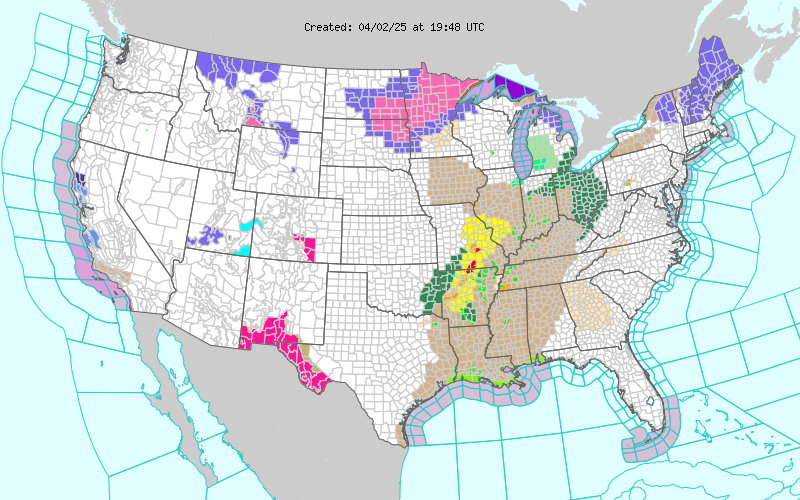
Eastern Seaboard Weather Overview: A Crisp December Transition
The overarching theme for the Eastern Seaboard this week is a definitive transition into colder, more seasonal December weather. After a period that saw relatively mild temperatures for late autumn, a powerful high-pressure system is ushering in an arctic air mass from Canada. This atmospheric change will result in a significant temperature drop, with daytime highs struggling to climb out of the 30s for many, and overnight lows plummeting well into the teens and low 20s. The region will largely shift from the mostly cloudy conditions experienced recently to a pattern of clear, crisp days followed by frigid, star-filled nights. It's important to note that while the cold is the dominant story, there are currently no widespread major weather alerts for heavy snowfall, blizzards, or significant ice accumulation. Instead, the focus is squarely on the biting cold and the need for robust winter preparedness. This cold snap serves as a timely reminder that winter is not just around the corner, but firmly here, demanding respect and readiness from all residents. Understanding the nuances of this cold front is key to navigating the week safely and comfortably, from coastal Maine down through the Delaware Valley.
Daytime December 4th: Mostly Cloudy Skies and Brisk Winds
Monday, December 4th, will mark the initial push of this colder air across the Eastern Seaboard. While the sun may make sporadic appearances, many areas, particularly along the immediate coast, will experience mostly cloudy skies through the afternoon. Temperatures will be noticeably lower than recent averages, with major metropolitan areas feeling the chill. In New York City, afternoon highs are expected to hover around 35-38 degrees Fahrenheit. Further north, Boston will see similar temperatures, perhaps struggling to reach 35 degrees. Down in Philadelphia, residents can anticipate highs in the upper 30s, around 38-40 degrees. However, these raw temperature readings don't tell the full story. Brisk winds, consistently blowing from the northwest at speeds up to 18 miles per hour, will significantly impact the perceived temperature, creating a much colder "feels like" factor. Wind chill values could easily make it feel like the mid-20s, even during the brightest parts of the day. This means that anyone venturing outdoors will need to dress in layers to mitigate the biting wind, paying close attention to covering exposed skin. The combination of cold air and persistent wind can accelerate heat loss from the body, making conditions feel far more severe than the thermometer indicates. For our northernmost communities, specifically in Portland, Maine, there's a "Slight Chance Light Snow" in the forecast. This isn't expected to be a significant accumulation but rather a few flurries or a very light dusting, mainly impacting elevated terrain or far northern reaches. It serves as a gentle precursor to the deeper cold, reminding residents of Maine and northern New England that winter precipitation is always a possibility, even if not the main event for this particular system. Even a light dusting can make roads slick, so vigilance is advised.
Overnight Plunge: December 4th into 5th Brings Frigid Air and Clear Skies
The most dramatic aspect of this cold snap will undoubtedly be the overnight hours from Monday, December 4th, into Tuesday, December 5th. As the sun sets and skies clear, temperatures will plummet across the entire Eastern Zone. Many areas will experience frigid lows in the teens, with some more sheltered or elevated locations potentially dipping into the single digits. Cities like Boston and Worcester could see lows around 15-18 degrees, while even relatively milder coastal areas like Providence and Hartford will likely fall into the low 20s. Further south, New York City and Newark are forecast for lows around 20-22 degrees, with Philadelphia and Wilmington experiencing similar conditions. The transition to clear skies is a key factor in this intense cold. Without cloud cover to trap heat, the Earth's surface rapidly radiates warmth into space, a process known as radiative cooling. This efficient cooling mechanism, combined with the influx of dry, arctic air, will create truly bitter conditions. Consequently, the potential for frost and icy patches will be high, particularly on untreated road surfaces, sidewalks, and elevated structures like bridges and overpasses. Any lingering moisture from earlier in the day or from snowmelt could quickly freeze, creating hazardous conditions for early morning commuters and pedestrians. It is crucial for everyone to be aware of these potential hazards and take extra precautions, especially when walking or driving during the coldest parts of the night and early morning. Allow extra time for travel and assume that any wet-looking surface could be frozen.
Regional Weather Spotlight: From Coastal Maine to the Delaware Valley
While the cold air mass will encompass the entire Eastern Zone, there will be subtle yet important variations in how different sub-regions experience this December chill. Northern New England, including areas like Portland, ME, and Worcester, MA, will bear the brunt of the cold. Portland, for instance, will see daytime highs struggle to reach the low 30s, with overnight lows consistently in the mid-teens, and wind chills making it feel even colder. Worcester, situated inland, often experiences more extreme temperature swings and will likely see similar, if not slightly colder, overnight lows. These areas are more accustomed to such early winter conditions but should still exercise caution, particularly regarding outdoor activities and heating efficiency. Moving south into Southern New England, including cities like Providence, RI, and Hartford, CT, temperatures will be marginally milder but still significantly cold. Daytime highs will likely reach the mid-30s, with overnight lows settling into the low 20s. While the wind chill factor will still be present, it might not be quite as biting as in the northern reaches, but still demands proper attire. The Mid-Atlantic region, encompassing major hubs like New York City, Newark, NJ, and Wilmington, DE, will experience highs in the upper 30s to low 40s during the day, with overnight lows generally in the low 20s. The proximity to the Atlantic Ocean can sometimes temper extreme cold, but the strength of this arctic push means even coastal areas will feel a significant chill. It's also worth noting the phenomenon of "urban heat islands" in dense metropolitan areas. While not enough to negate the cold entirely, the sheer amount of concrete, asphalt, and human activity in cities like New York and Philadelphia can trap and radiate heat, sometimes keeping city centers a few degrees warmer than surrounding suburban or rural areas. This slight mitigation, however, should not lead to complacency, as the overall cold will still be a significant factor for all urban dwellers, requiring the same level of preparedness as their suburban and rural counterparts. Always check your specific local forecast, as microclimates can lead to localized variations.
Navigating the Cold: Impacts on Travel, Agriculture, and Daily Life
This significant cold snap will have tangible impacts across various sectors of daily life in the Eastern Zone. For travelers and commuters, the primary concern will be icy patches, especially during the early morning hours. Bridges, overpasses, and shaded roadways are particularly susceptible to freezing. Drivers should reduce speed, increase following distances, and be extra vigilant for black ice, which is difficult to see. Holiday travelers planning road trips should ensure their vehicles are in good working order, have a full tank of gas, and pack an emergency kit including blankets, a flashlight, and extra warm clothing. Public transportation users should anticipate potential delays due to the cold affecting equipment or road conditions. For the agricultural community, while most major harvesting activities are complete by early December, this cold snap still presents challenges. Any remaining outdoor crops or nursery stock will need protection from freezing temperatures, possibly requiring covers or temporary shelters. Livestock farmers must ensure animals have adequate shelter, unfrozen water sources, and sufficient feed to maintain body heat, as animals expend more energy to stay warm in extreme cold. The cold can also stress infrastructure, requiring checks on water lines, irrigation systems, and farm equipment to prevent freezing and damage. Beyond specific industries, the cold impacts daily life for everyone. Protecting outdoor plumbing, such as hoses and spigots, is crucial to prevent burst pipes, which can cause significant damage and costly repairs. Bringing pets indoors or ensuring they have warm, dry shelter with access to unfrozen water is non-negotiable. Most importantly, ensuring the safety of vulnerable populations – the elderly, infants, and those experiencing homelessness – is paramount. Checking on neighbors, providing extra blankets, and directing individuals to warming shelters can be life-saving actions during such frigid conditions. This period of cold weather demands a community-wide effort to ensure everyone remains safe and warm. Staying informed and proactive is key to minimizing disruptions and ensuring well-being.
Essential Winter Preparation: Staying Safe and Warm in the Eastern Zone
With the arrival of this sharp December chill, proactive winter preparation becomes not just advisable, but essential for safety and comfort. Firstly, focus on personal warmth. Layering clothing is the most effective strategy: start with a moisture-wicking base layer to draw sweat away from the body, add insulating middle layers like fleece or wool to trap warmth, and top with a waterproof and windproof outer shell to protect against the elements. Pay special attention to extremities; hats, gloves or mittens, and warm, waterproof boots are critical for protecting against frostbite, which can occur rapidly in cold, windy conditions. Exposed skin, particularly on the face and ears, should be covered with scarves or balaclavas. Secondly, ensure your home heating system is in optimal working order. Have your furnace or boiler serviced annually to ensure efficiency and safety. Crucially, check and test all carbon monoxide detectors. As homes are sealed tightly against the cold, the risk of carbon monoxide poisoning from faulty heating systems, generators, or fireplaces increases. Replace batteries regularly and ensure detectors are properly placed. Consider energy-saving tips: seal drafts around windows and doors with weatherstripping or caulk, open curtains on sunny days to let in natural heat, and close them at night to retain warmth. Lowering your thermostat a few degrees when you're away or asleep can also save energy. Thirdly, vehicle winterization is key for safe travel. Check tire pressure, as cold weather causes pressure to drop, impacting handling and fuel efficiency. Ensure all fluid levels are adequate, especially antifreeze/coolant, windshield wiper fluid, and oil. Test your battery; cold temperatures severely reduce battery efficiency, making starting difficult. Keep your gas tank at least half full to prevent fuel lines from freezing and to provide extra weight for traction. Finally, assemble a comprehensive vehicle emergency kit: jumper cables, a flashlight with extra batteries, blankets, a first-aid kit, non-perishable food, water, and a bag of sand or cat litter for traction. These preparations are not just about comfort; they are about resilience and safety in the face of winter's challenges, ensuring you are ready for whatever the season brings.
Beyond the Forecast: Early December's Climate and What Lies Ahead
This particular cold snap, while impactful, aligns quite well with typical early December weather patterns in the Eastern Zone. Historically, December marks the true onset of meteorological winter across New England and the Mid-Atlantic. While some years can bring lingering mildness, a significant drop in temperatures, often accompanied by the first hints of winter precipitation, is a common occurrence. This period is when the region transitions from the lingering warmth of autumn to the more consistent cold of winter, as the sun's angle lowers and arctic air masses become more frequent visitors. Looking back, the Eastern Seaboard has experienced numerous significant cold events in early December. For example, records show instances where temperatures plummeted below zero degrees Fahrenheit in parts of New England even before the middle of the month, sometimes accompanied by early season snowstorms that paralyzed travel and created hazardous conditions. While this forecast doesn't suggest such extreme conditions, it underscores the region's historical vulnerability to sudden and intense cold fronts during this transitional period. Understanding these historical precedents helps contextualize current weather events and reinforces the importance of consistent preparedness. Looking ahead for the remainder of the first week of December, current models suggest that this initial cold wave will persist for several days. While daytime temperatures might slightly rebound into the low to mid-40s by the end of the week, overnight lows are expected to remain well below freezing, emphasizing the continued need for vigilance and preparedness, particularly concerning pipe protection and personal safety during evening hours. There are no immediate signs of a significant warming trend or major winter storms on the horizon, but the pattern of cold, dry air is likely to dominate, keeping winter firmly in place across the Eastern Seaboard. Residents should continue to monitor local forecasts for any subtle shifts in temperature or the potential for light precipitation, but for now, the message is clear: embrace the chill, stay prepared, and enjoy the crisp beauty of an early December winter.
Disclaimer: Forecast data is sourced from the National Weather Service (NWS) and is subject to change. This bot processes NWS data for aggregation and is not responsible for forecast accuracy.

Comments
Post a Comment
Please leave a comment.