Eastern US Braces for Widespread Rain & Gusty Winds Today
Eastern Seaboard Prepares for Widespread Rain and Gusty Winds on December 10th
As December settles in, the Eastern United States is poised for a significant shift in its weather pattern today, December 10th, 2025. Residents from Maine down to Maryland should prepare for a transition from a chilly, mostly cloudy morning to a widespread rainy and notably breezy afternoon and evening. This system promises to bring damp conditions and a noticeable increase in wind speeds across a broad swath of the region, impacting daily commutes, travel plans, and outdoor activities.
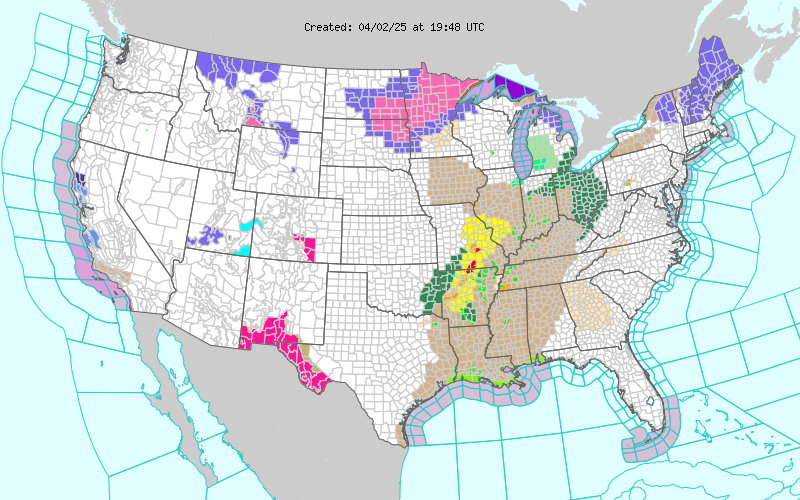
The image is a live image for the National Weather Service server. It gets updated on Real time.
Current Morning Conditions: A Chilly, Mostly Cloudy Start
The early hours of December 10th across the Eastern Zone presented a characteristic winter morning: cool temperatures and extensive cloud cover. Across much of the Mid-Atlantic and Southern New England, including cities like Baltimore, Wilmington, Newark, Jersey City, New York, Bridgeport, New Haven, Hartford, Springfield, Worcester, and Providence, temperatures hovered in the low to mid-30s Fahrenheit (0-2°C). Skies were predominantly mostly cloudy, setting the stage for the incoming precipitation.
Further north, conditions were a bit colder and more active. In Buffalo, NY, residents awoke to snow, with temperatures around 33°F (0.5°C) and brisk winds of 12 mph. This early snow highlights the colder air entrenched in the Great Lakes region. In Maine, Bangor experienced the coldest start in the entire zone, dipping to a frigid 18°F (-7.8°C) with a slight chance of light snow, while Portland, ME, saw isolated snow showers at 30°F (-1.1°C). These northern outposts were experiencing the leading edge of colder air interacting with the approaching moisture.
Winds during the morning hours were generally light to moderate, ranging from a gentle 3 mph in Bangor to a more noticeable 15 mph in New York City. While not disruptive, these winds provided a hint of the stronger gusts anticipated later in the day as the weather system intensified and moved through the region.
Afternoon and Evening Outlook: Rain Spreads Eastward with Gusty Winds
The latter half of December 10th will see a dramatic change as the system matures and pushes eastward. Temperatures across the Eastern Zone are expected to rise, largely reaching the upper 30s to mid-40s Fahrenheit (3-7°C). This warming trend will be accompanied by widespread precipitation, predominantly in the form of light rain for most areas.
Cities like Boston, Providence, New Haven, Bridgeport, New York, Jersey City, Newark, Hartford, Springfield, Worcester, Wilmington, and Baltimore are all forecast to experience light rain or a chance of light rain. The increase in moisture and warmer air will transform the morning's cloud cover into a persistent, damp afternoon. Travelers and commuters should anticipate wet roads and reduced visibility throughout the afternoon and evening hours.
Crucially, the precipitation type will remain mixed in some northern and western areas. Buffalo, NY, will transition from snow to a mix of rain and snow, with temperatures reaching 37°F (2.8°C). Similarly, Portland and Bangor, ME, which saw colder conditions in the morning, will also experience a mix of rain and snow as temperatures climb to 40°F (4.4°C) and 37°F (2.8°C) respectively. This rain/snow line will be a critical factor for travel in these specific regions, potentially leading to slushy or slick conditions.
One of the most significant features of this afternoon and evening forecast will be the gusty winds. Many locations will see wind speeds increase substantially. Boston, MA, is expected to experience the strongest gusts, reaching up to 20 mph. New York City will see winds up to 17 mph, with Jersey City at 15 mph and Newark at 13 mph. Other cities like Worcester, Providence, New Haven, and Bridgeport will also contend with winds around 14 mph. These stronger winds, combined with the rain, will make for a blustery and uncomfortable day, particularly for those outdoors.
Regional Weather Breakdown: What to Expect Where
Northern New England and Western New York: The Mixed Bag
For areas like Bangor and Portland, Maine, and Buffalo, New York, the day will be characterized by a battle between cold and warm air. While the morning brought isolated snow or snow showers, the afternoon will see temperatures rise just enough to introduce a rain and snow mix. This means roads could become slushy and visibility might be particularly challenging due to the mix of precipitation and increased wind. Residents here should pay close attention to local advisories as conditions can change rapidly.
Coastal Northeast: Rain and Significant Wind
The densely populated corridor from Boston down through Connecticut, Rhode Island, and the New York City metropolitan area will experience a classic December rainy day. The primary concern here will be the combination of widespread light rain and strong, gusty winds. Coastal areas are particularly susceptible to higher winds, which can affect ferry services, high-profile vehicle travel, and outdoor structures. Commuters in these urban centers should allow extra time and be prepared for slick surfaces and potential wind-driven rain.
Mid-Atlantic Corridor: Damp and Breezy
Further south, including cities like Wilmington, Delaware, and Baltimore, Maryland, the forecast leans towards a damp and breezy afternoon. While the winds may not be as intense as those along the immediate coast of New England, they will still be noticeable. Temperatures will be slightly milder here, reducing the risk of mixed precipitation, but wet roads and reduced visibility will remain a concern. This region will experience the trailing edge of the system, with conditions likely improving sooner than in the northern zones.
Travel Impacts and Advisories
Today's weather system presents several challenges for travelers across the Eastern Zone. The widespread light rain will lead to wet and potentially slick road conditions, increasing the risk of hydroplaning, especially on highways and during periods of heavier rainfall. Reduced visibility due to rain and cloud cover will also necessitate slower driving speeds and increased caution.
The gusty winds, particularly in coastal New England and the New York City area, will pose a significant risk to high-profile vehicles such as trucks, vans, and RVs. Drivers of these vehicles should exercise extreme caution on bridges and elevated roadways, where crosswinds can be particularly strong. It's advisable to check for any local wind advisories or restrictions before embarking on a journey.
While the data does not indicate severe weather alerts, even light rain and moderate winds can cause delays at airports and train stations. Passengers should check with their respective airlines or transit authorities for any potential disruptions. For daily commuters, planning for extra travel time is prudent, and ensuring your vehicle's windshield wipers are in good working order is essential.
Agricultural and Environmental Considerations
December precipitation, even light rain, has various implications for the agricultural landscape and local environment. For farmers in the Eastern Zone, this late-season rain contributes to soil moisture replenishment, which is generally beneficial, especially as fields prepare for winter dormancy. However, excessive rain on already saturated ground could lead to runoff, potentially carrying nutrients and sediment into waterways. Farmers with winter cover crops will appreciate the moisture, while those with fall-planted grains will monitor for any signs of waterlogging.
Historically, December can be a highly variable month in the Eastern US, ranging from mild and rainy to bitterly cold and snowy. This particular system, bringing widespread rain with a mix in colder northern areas, is a fairly common winter weather pattern, often associated with low-pressure systems tracking up the coast. Such systems are crucial for replenishing groundwater levels and ensuring adequate water supply for the coming spring and summer months, though prolonged periods of similar weather can also elevate flood risks in susceptible areas. For urban environments, efficient drainage systems become paramount to prevent localized street flooding.
Essential Preparedness Tips for a Wet and Windy Day
Given the forecast for widespread rain and gusty winds, taking a few proactive steps can significantly enhance safety and comfort:
- Dress in Layers: Even with rising temperatures, the combination of rain and wind can make it feel colder. Waterproof outer layers are highly recommended.
- Secure Outdoor Items: Patio furniture, trash cans, and other loose items can become projectiles in strong winds. Secure them or bring them indoors.
- Check Gutters and Drains: Ensure your home's gutters and storm drains are clear of leaves and debris to prevent water accumulation and potential basement flooding.
- Charge Devices: While widespread power outages aren't specifically forecast, it's always wise to have phones and other essential devices fully charged, especially in windy conditions.
- Vehicle Readiness: Before driving, check tire pressure and ensure headlights and taillights are functioning. Drive with headlights on, even during the day, to improve visibility for yourself and others.
- Stay Informed: Keep an eye on local weather updates throughout the day, as conditions can evolve.
A Look Back: December Weather Trends in the Eastern US
December in the Eastern United States is a month of transition, often showcasing the full spectrum of late autumn and early winter weather. Historically, the region experiences a mix of cold fronts, occasional snowfalls, and periods of rain as storm systems track across the continent or develop along the Atlantic coast. The current forecast, with its emphasis on widespread rain and gusty winds, aligns with a typical coastal low-pressure system that draws warmer, moist air northward while interacting with colder air to the west and north.
Average December temperatures across the Eastern Zone typically range from the low 20s in northern Maine to the low 40s in the Mid-Atlantic. Precipitation can vary significantly, with coastal areas often receiving more rain and inland, higher-elevation areas more snow. Understanding these historical trends helps us contextualize current forecasts, highlighting that while this day's weather is impactful, it's part of the natural variability of a Northeastern winter. Such systems are vital for the region's hydrology, contributing to snowpack (where applicable) and reservoir levels, which are critical for the following spring and summer.
Beyond Today: What This System Means for the Week Ahead
While today's system will bring a damp and blustery conclusion to December 10th, its departure will likely usher in a period of clearing skies and cooler, drier air for the Eastern Zone. As the low-pressure system tracks further eastward into the Atlantic, high pressure will build in from the west, bringing more stable conditions. Residents can generally expect a return to colder, more seasonable December temperatures in the days following this event, with reduced chances of precipitation.
However, the passage of one system often sets the stage for the next. Meteorologists will be closely watching for the development of subsequent cold fronts or coastal storms that could bring further precipitation or temperature swings as we head deeper into the winter season. For now, the focus remains on navigating today's wet and windy conditions safely and effectively.
In summary, December 10th will be a day of transition and active weather across the Eastern United States. From the snow-to-rain mix in the north to the widespread rain and significant winds along the coast and in the Mid-Atlantic, vigilance and preparedness are key. Stay safe, stay dry, and stay informed!
This post is created using the public data provided by the National Weather Service. Please check the Original source for more information.

Comments
Post a Comment
Please leave a comment.