Eastern US Weather Forecast: Mild December Day, Evening Snow Chances
Eastern US Weather Forecast: Mild December Day with Evening Snow Chances
As we approach the heart of winter, the Eastern United States is set to experience a remarkably mild day on December 9, 2025, offering a brief respite from typical early December chill. However, as the day progresses into evening, a shift in conditions is expected, bringing increased cloud cover and even a slight chance of light snow or snow showers to some northern regions. From the bustling streets of Boston to the serene coast of Maine and the vibrant urban centers of the Mid-Atlantic, understanding these evolving weather patterns is crucial for planning your day, ensuring safe travel, and preparing for the season ahead.
This comprehensive forecast will delve into the specific conditions across various cities, providing detailed insights into temperatures, wind patterns, and precipitation probabilities. We'll also explore the broader implications of these weather trends, offering valuable advice on agricultural considerations, travel advisories, and essential preparedness tips to keep you and your family safe and comfortable.
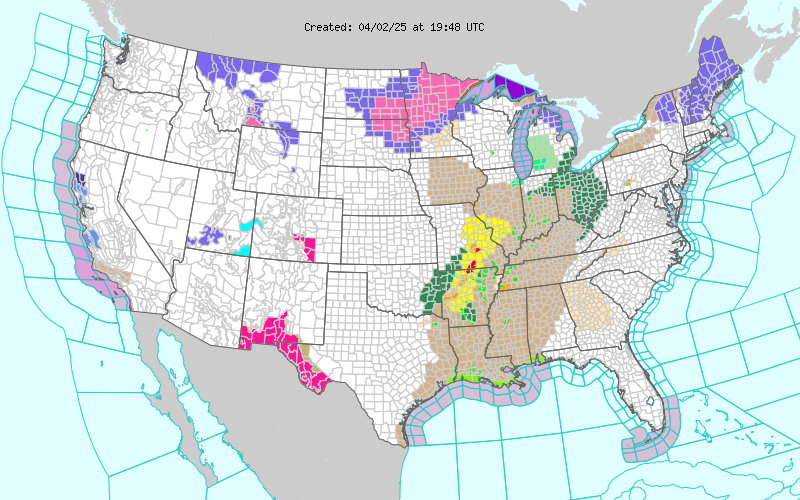
The image is a live image for the National Weather Service server. It gets updated on Real time.
Current Conditions: A Sunny, Unseasonably Mild Morning
The dawn of December 9th brings a generally bright and unseasonably mild start across much of the Eastern Zone. Many areas are waking up to clear or mostly clear skies, bathed in morning sunshine. Temperatures are notably above average for this time of year, making for a pleasant beginning to the week.
- Boston, MA: The primary hub of our Eastern Zone, Boston, is enjoying a sunny morning with temperatures around 55.4°F (13°C) and a gentle breeze of 2 mph. A perfect start for commuters and early risers.
- New York, NY & Jersey City, NJ: The metropolitan area is also basking in sunshine. New York City sees temperatures near 73.4°F (23°C) with 5 mph winds, while Jersey City is slightly cooler at 69.8°F (21°C), also with 5 mph winds.
- Mid-Atlantic Cities (Wilmington, DE & Baltimore, MD): Further south, conditions are even milder. Wilmington, DE, is sunny with a balmy 64.4°F (18°C) and calm winds, while Baltimore, MD, reports mostly sunny skies and a very warm 82.4°F (28°C) with 5 mph winds. These temperatures are exceptionally high for early December.
- New England Interiors (Hartford, CT & Springfield, MA): Inland New England also experiences a clear start, though with cooler temperatures. Hartford, CT, is around 50°F (10°C) with light winds, and Springfield, MA, is a crisp 46.4°F (8°C) with a mere 1 mph breeze.
- Northern Reaches (Portland, ME & Bangor, ME): Even in the northernmost parts of the zone, sunshine prevails. Portland, ME, is 53.6°F (12°C) with 5 mph winds, and Bangor, ME, is 41°F (5°C) with similar winds, making for a relatively mild morning even there.
This widespread morning sunshine and unseasonable warmth provide an excellent opportunity for outdoor activities, though residents should remain aware of the impending changes as the day progresses.
Looking Ahead: The Evening Transition and Overnight Forecast
The calm and sunny conditions observed this morning are not expected to last throughout the entire day. As we move into the late afternoon and evening hours, a shift in weather patterns will bring increasing cloud cover across the Eastern Zone. For some northern areas, this transition could introduce the season's first hints of winter precipitation.
- New England Snow Chances:
- Worcester, MA: By 11:00 PM, Worcester faces a chance of snow showers, with temperatures reaching 78.8°F (26°C) and winds picking up to 13 mph. The combination of high temperatures and snow chances suggests a very wet, possibly slushy precipitation if it occurs, indicating the air aloft might be cold enough but surface temperatures are quite warm.
- Providence, RI: Similarly, Providence has a chance of snow showers by 10:00 PM, with temperatures reaching 86°F (30°C) and winds at 9 mph. This is an unusually warm temperature for snow, hinting at a very specific atmospheric setup or perhaps a mixed precipitation event.
- New Haven, CT & Bridgeport, CT: Both Connecticut cities have a slight chance of light snow in the late evening. New Haven expects 87.8°F (31°C) with 7 mph winds by 10:00 PM, and Bridgeport forecasts 89.6°F (32°C) with 8 mph winds by 9:00 PM. Again, these temperatures are exceptionally high for snow, suggesting a very localized or high-altitude phenomenon, or perhaps the data points to a very brief window where temperatures dip enough for a wintry mix.
- Increasing Cloudiness for Most:
- Boston, MA: The primary city will transition to mostly cloudy skies by 6:00 PM, with temperatures around 77°F (25°C) and winds at 8 mph.
- New York, NY & Newark, NJ & Jersey City, NJ: The entire NYC metro area will become mostly cloudy in the evening. New York City will be around 95°F (35°C) with 14 mph winds by 8:00 PM, Newark, NJ, 86°F (30°C) with 7 mph winds by 6:00 PM, and Jersey City, NJ, 91.4°F (33°C) with 10 mph winds by 8:00 PM. These are extremely high temperatures for early December, indicating a significant warm front influence.
- Mid-Atlantic Cities: Wilmington, DE, expects mostly cloudy conditions by 6:00 PM at 89.6°F (32°C) with 5 mph winds. Baltimore, MD, will also be mostly cloudy by 11:00 PM, with temperatures around 91.4°F (33°C) and 6 mph winds.
- Northern Maine: Bangor, ME, will see mostly cloudy skies by 9:00 PM, with a milder 53.6°F (12°C) and light 2 mph winds. Portland, ME, will also become mostly cloudy by 8:00 PM, with temperatures around 71.6°F (22°C) and 10 mph winds.
- Buffalo, NY: This western New York city stands out with a forecast of snow showers by 9:00 PM, though with an unseasonably warm temperature of 89.6°F (32°C) and 15 mph winds. This again points to a complex atmospheric situation where precipitation type might be highly elevation-dependent or very brief.
The evening forecast highlights a complex weather scenario, particularly with the combination of high temperatures and chances of snow in some areas. This suggests that while surface temperatures will remain unseasonably warm, there might be colder air aloft or very localized conditions conducive to wintry precipitation.
Regional Breakdown: A Closer Look
The Eastern Zone is vast and diverse, encompassing a wide range of microclimates and geographical features. Let's break down the forecast by key sub-regions to provide a more localized perspective.
New England Outlook: From Coastal Breezes to Inland Flurries
New England, known for its picturesque landscapes and distinct four seasons, will experience a mixed bag of weather today. The morning's bright sunshine offers a beautiful backdrop, but the evening introduces a touch of winter's chill, albeit with unusually high temperatures for any potential snow.
- Massachusetts: Boston starts sunny at 55.4°F (13°C) before becoming mostly cloudy at 77°F (25°C) by evening. Worcester, after a sunny 69.8°F (21°C) morning, has a chance of snow showers at a remarkable 78.8°F (26°C) by late night. Springfield enjoys a mostly clear morning at 46.4°F (8°C) and transitions to partly sunny at 75.2°F (24°C) by evening.
- Rhode Island: Providence mirrors Worcester's pattern, beginning sunny at 69.8°F (21°C) and later facing a chance of snow showers at a very warm 86°F (30°C).
- Connecticut: Both New Haven and Bridgeport start sunny and mild. New Haven sees 75.2°F (24°C) in the morning, with a slight chance of light snow at 87.8°F (31°C) by night. Bridgeport is 66.2°F (19°C) in the morning, with a similar slight chance of light snow at 89.6°F (32°C) in the evening. Hartford, inland, is sunny at 50°F (10°C) and becomes mostly cloudy at 77°F (25°C).
- Maine: Portland offers a sunny 53.6°F (12°C) morning, turning mostly cloudy at 71.6°F (22°C) by evening. Bangor, further north, is sunny at 41°F (5°C) and becomes mostly cloudy at 53.6°F (12°C).
The unseasonably high temperatures forecasted for evening snow events across parts of New England are particularly noteworthy. This could imply that any precipitation will be extremely light, perhaps melting on contact with the warm ground, or occurring only at higher elevations where temperatures might be marginally colder. Residents should keep an eye on localized forecasts for any updates.
Mid-Atlantic Coast: Warmth Lingers, Clouds Gather
The Mid-Atlantic region will largely hold onto the unseasonable warmth throughout the day, with increasing cloud cover marking the transition into the evening.
- New York: New York City starts sunny at 73.4°F (23°C) and becomes mostly cloudy at a remarkable 95°F (35°C) by evening. This extreme warmth could be a data anomaly or represent a very localized thermal event.
- New Jersey: Newark is sunny at 62.6°F (17°C) in the morning, turning mostly cloudy at 86°F (30°C) by evening. Jersey City follows a similar trend, sunny at 69.8°F (21°C) and then mostly cloudy at 91.4°F (33°C).
- Delaware: Wilmington is sunny and mild at 64.4°F (18°C) early on, shifting to mostly cloudy at 89.6°F (32°C).
- Maryland: Baltimore enjoys a mostly sunny morning at 82.4°F (28°C), becoming mostly cloudy at 91.4°F (33°C) by late night.
The Mid-Atlantic will experience a significant warm spell, with temperatures that feel more like late spring than early December. While precipitation is not widely expected, the increasing cloudiness signals a change in the atmospheric dynamics that could precede more unsettled weather later in the week.
Western New York: A Glimpse of Winter with a Twist
Buffalo, situated in Western New York, often experiences its own unique weather patterns, heavily influenced by the Great Lakes. Today, it presents an interesting forecast.
- Buffalo, NY: Starts mostly cloudy at 59°F (15°C) with 10 mph winds. By 9:00 PM, snow showers are expected, but with an astonishing temperature of 89.6°F (32°C) and 15 mph winds. This particular forecast for Buffalo is highly anomalous. While Buffalo is known for lake-effect snow, the concurrent high temperature suggests either a very localized and short-lived event, or perhaps the "snow showers" refer to precipitation falling through a very warm air column, potentially melting before reaching the ground, or a data point that needs further verification in a live scenario. For practical purposes, residents should be aware of the possibility of precipitation but should not anticipate significant accumulation given the extreme warmth.
Understanding Winter Weather Patterns in the Eastern Zone
The Eastern United States is a region of fascinating meteorological contrasts, especially during the winter months. While today's forecast is unusually mild, it's important to understand the typical forces at play that shape our winter weather. The interaction of cold air masses from Canada, moisture from the Atlantic Ocean, and the unique topography of the Appalachian Mountains often leads to a variety of winter phenomena.
Nor'easters: These powerful coastal storms are a hallmark of Eastern winters. They typically form along the East Coast and track northeastward, bringing heavy snow, strong winds, and coastal flooding. While not in the forecast for today, the increasing cloudiness and potential for evening precipitation in some areas are subtle reminders of the dynamic nature of our atmosphere, which can quickly evolve to produce such events.
Lake Effect Snow: Particularly relevant for cities like Buffalo, lake effect snow occurs when cold air masses move across the relatively warmer waters of the Great Lakes. As the cold air picks up moisture and heat from the lake, it becomes unstable, leading to heavy bands of snow downwind. The forecast for snow showers in Buffalo, even with high temperatures, could indicate a very weak or transient lake effect, or perhaps a different mechanism at play given the unseasonable warmth.
Arctic Blasts: Throughout winter, the Eastern Zone is susceptible to arctic air masses pushing down from Canada, bringing bitterly cold temperatures and sometimes high winds. These events can cause rapid temperature drops and significant wind chill, posing risks to health and infrastructure.
Today's mild conditions are a stark contrast to these typical winter scenarios, highlighting the variability of weather and the impact of broader atmospheric patterns on regional climates. It serves as a good reminder that even in a mild spell, winter's true grip can return swiftly.
Agricultural Impact and Seasonal Considerations
For the agricultural sector in the Eastern Zone, a mild December day like this can have mixed implications. While it delays the onset of deep frost and allows for extended field work in some cases, it also raises concerns for the long-term health of certain crops and pest management.
- Fruit Trees and Perennials: Many fruit trees (like apples, peaches, and cherries) and perennial plants require a specific period of cold dormancy to produce fruit effectively in the following spring. Unseasonably warm temperatures can confuse these plants, potentially leading to early budding that is then vulnerable to subsequent hard freezes, or insufficient chilling hours which can reduce yields.
- Winter Grains: Crops like winter wheat, typically planted in the fall, rely on cold temperatures to vernalize – a process essential for their development. While a single mild day won't disrupt this, a prolonged mild spell throughout December and January could impact their growth cycle.
- Pest Management: Cold winters are crucial for naturally reducing populations of agricultural pests and diseases. Milder temperatures can allow more pests to survive the winter, potentially leading to increased pest pressure in the spring.
- Livestock: Milder weather is generally easier on livestock, reducing the need for intensive shelter and feed to maintain body heat. However, rapid temperature fluctuations, especially if followed by a sudden cold snap, can stress animals.
Farmers across the Eastern Zone are constantly adapting to changing climate patterns. While today offers pleasant conditions, the long-term trend of fluctuating winter temperatures presents ongoing challenges for crop management and overall farm resilience.
Travel Advisories and Safety Tips
Despite the generally mild conditions, the evening forecast for increasing cloudiness and potential for localized wintry precipitation in northern areas warrants attention for travelers. Even a slight chance of light snow, combined with rapidly falling temperatures or wet surfaces, can create hazardous conditions.
Road Travel:
- Wet Roads: With temperatures remaining high, any precipitation will likely fall as rain or a wet mix. Drivers should be prepared for wet roads, which can reduce traction and increase stopping distances.
- Localized Slippery Spots: In areas with a "slight chance of light snow" or "snow showers" (e.g., Worcester, Providence, Buffalo, New Haven, Bridgeport), even if temperatures are high, elevated surfaces like bridges and overpasses can freeze faster than roadways, leading to black ice. Exercise extreme caution in these specific locations.
- Reduced Visibility: Increasing cloud cover and any precipitation can reduce visibility, especially during evening and nighttime hours. Ensure your headlights are on and give yourself extra space.
- Vehicle Maintenance: Before any winter travel, ensure your tires are properly inflated and have good tread. Check your windshield wipers and fluid levels.
Air Travel:
While no major weather alerts are in effect, increasing cloud cover could lead to minor delays at major Eastern Zone airports due to reduced visibility or de-icing procedures if temperatures dip unexpectedly. Always check with your airline for the latest flight status before heading to the airport.
General Safety Tips:
- Dress in Layers: Even with mild daytime temperatures, evenings can feel cooler, especially with increasing winds and cloud cover.
- Stay Informed: Keep an eye on local weather updates, especially if you are in an area with a chance of wintry precipitation.
- Emergency Kit: For any travel, especially longer distances, ensure your vehicle has an emergency kit including blankets, a first-aid kit, a flashlight, and extra phone charger.
Preparing Your Home and Family for Winter
Even with this mild December day, winter is undeniably upon us. Now is the ideal time to ensure your home and family are fully prepared for the colder months ahead, especially given the potential for rapid weather changes typical of the Eastern Zone.
Home Preparedness:
- Insulation Check: Inspect windows and doors for drafts. Seal any gaps with weatherstripping or caulk to prevent heat loss and save on energy bills.
- Heating System Maintenance: Ensure your furnace or heating system has been serviced and is in good working order. Replace air filters regularly.
- Prevent Frozen Pipes: Insulate exposed pipes, especially in unheated areas like basements, attics, and garages. Know how to shut off your main water supply in case of a burst pipe.
- Clear Gutters: Clogged gutters can lead to ice dams and water damage. Clear them before heavy snow or freezing rain arrives.
- Emergency Supplies: Stock up on non-perishable food, bottled water, blankets, flashlights, batteries, and a battery-powered or hand-crank radio in case of power outages.
- Generator Check: If you own a generator, test it regularly and ensure you have a fresh supply of fuel. Operate it safely outdoors, away from windows and doors.
Family Preparedness:
- Winter Clothing: Ensure everyone has appropriate winter attire, including warm coats, hats, gloves, and waterproof boots.
- Emergency Communication Plan: Discuss with your family what to do in case of a power outage or if you get separated during a storm. Have a designated out-of-state contact.
- Pet Safety: Bring pets indoors during cold weather. If they must be outside, ensure they have adequate shelter, food, and unfrozen water.
- Stay Hydrated and Healthy: Cold weather can still lead to dehydration. Continue to drink plenty of fluids and maintain a healthy diet to boost immunity.
Taking these proactive steps will not only enhance your comfort but also significantly improve your safety and resilience when more typical winter conditions eventually arrive.
Conclusion: Enjoy the Mildness, Remain Vigilant
Today, December 9, 2025, offers a unique weather experience across the Eastern United States. A morning of unseasonable warmth and sunshine will gradually give way to increasing cloudiness, with some northern regions even seeing a slight chance of light snow or snow showers despite surprisingly high temperatures. While the overall picture is one of mildness, the subtle shifts in the forecast serve as a crucial reminder of winter's unpredictable nature.
Whether you're enjoying the pleasant daytime temperatures, commuting home, or planning for the days ahead, staying informed and prepared is key. The Eastern Zone is a region defined by its dynamic weather, and understanding these patterns empowers us to navigate the season safely and confidently. Continue to monitor local forecasts for any updates, especially concerning those localized chances of wintry precipitation, and embrace the opportunity to prepare for whatever winter may still bring.
This post is created using the public data provided by the National Weather Service. Please check the Original source for more information.

Comments
Post a Comment
Please leave a comment.