Eastern US Weather Outlook: Rain Transitions to Colder December Chill
Eastern US Weather Outlook: Rain Transitions to Colder December Chill
As we approach mid-December 2025, the Eastern United States is bracing for a notable shift in weather patterns. From the bustling cities of the Mid-Atlantic to the picturesque landscapes of New England, residents can anticipate a brief period of mild, wet conditions giving way to a more characteristic December chill. This comprehensive forecast will guide you through the expected changes, offering insights into what to expect and how to prepare for the days ahead. Understanding these transitions is key to navigating the dynamic weather of the Eastern Seaboard.
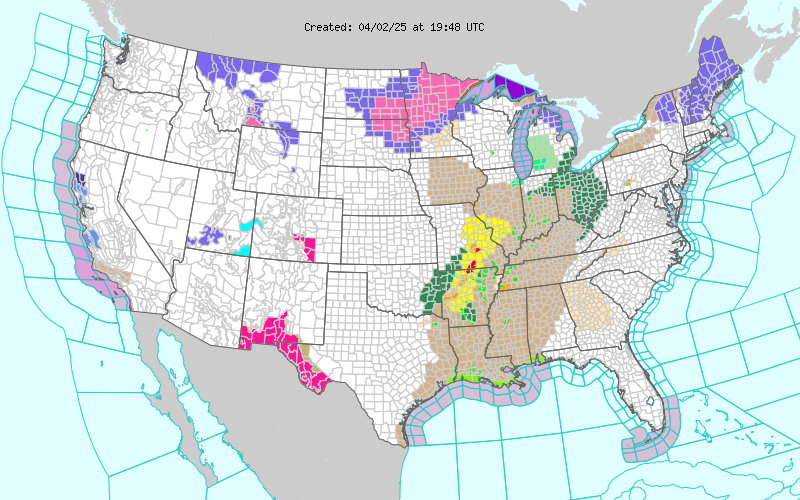
The image is a live image for the National Weather Service server. It gets updated on Real time.
Current Conditions and Immediate Outlook: Wednesday Evening, December 10th
Wednesday evening across the Eastern Zone is characterized by widespread chances of light rain, accompanied by moderate winds and generally mild temperatures for early December. A low-pressure system is making its way across the region, bringing with it moisture and a noticeable atmospheric shift. While no severe weather alerts are currently in effect, commuters and evening travelers should remain vigilant for slick roads and reduced visibility. The air feels damp and heavy, a clear precursor to the colder, drier air mass that is poised to move in.
- New England: Cities like Boston, MA (46°F, 18 mph winds) and Providence, RI (47°F, 14 mph winds) are seeing slight chances of light rain, with stronger winds making conditions feel brisker. Further north, Portland, ME (38°F, 15 mph winds) is experiencing light rain, while Bangor, ME (32°F, 8 mph winds) is on the cusp, with a mix of rain and snow possible as temperatures hover near freezing. Inland, Hartford, CT (43°F, 10 mph winds) and Worcester, MA (41°F, 14 mph winds) are experiencing light rain, making for a damp evening across much of Connecticut and Massachusetts.
- Mid-Atlantic: The megalopolis corridor from New York down to Baltimore is also under the influence of this system. New York, NY (45°F, 14 mph winds) and Jersey City, NJ (45°F, 14 mph winds) are seeing light rain, which could impact evening plans and local commutes. Newark, NJ (44°F, 10 mph winds), Wilmington, DE (41°F, 10 mph winds), and Baltimore, MD (44°F, 10 mph winds) all have chances of light rain, with conditions remaining relatively mild but damp and potentially dreary.
- Western New York: Buffalo, NY (38°F, 14 mph winds) is also experiencing light rain, but its more northerly and westerly position hints at colder air waiting in the wings, setting the stage for a dramatic temperature drop.
The prevailing conditions suggest a typical early winter frontal passage, bringing moisture before a colder air mass pushes in. Drivers should be particularly cautious during the evening hours, as wet roads can quickly become hazardous, especially with falling temperatures overnight. Visibility may also be reduced, requiring extra vigilance and slower speeds.
Looking Ahead: Thursday Morning, December 11th
As dawn breaks on Thursday, December 11th, a distinct change will be evident across much of the Eastern Zone. The rain system will have largely moved offshore, leaving behind a colder, clearer, and breezier environment for many. Temperatures will have dropped significantly, bringing a true winter feel to the region. This shift will be noticeable from the first moments of the day, impacting everything from morning commutes to outdoor activities.
- New England: The skies will begin to clear for much of New England. Boston, MA (38°F, 9 mph winds) and Providence, RI (36°F, 8 mph winds) will be partly to mostly cloudy but dry, with temperatures a good 8-10 degrees colder than the previous evening. Hartford, CT (34°F, 9 mph winds) and Worcester, MA (32°F, 9 mph winds) will also be mostly cloudy and significantly colder. Further north, Portland, ME (32°F, 15 mph winds) and Bangor, ME (31°F, 7 mph winds) will be partly cloudy, with Bangor retaining a slight chance of light snow, indicating the colder air has fully arrived and winter conditions are taking hold.
- Mid-Atlantic: The Mid-Atlantic states will also experience a similar shift. New York, NY (38°F, 18 mph winds) and Jersey City, NJ (36°F, 17 mph winds) will be partly cloudy and notably colder, with strong winds making it feel even chillier, particularly near the coast. Newark, NJ (34°F, 15 mph winds), Wilmington, DE (31°F, 15 mph winds), and Baltimore, MD (33°F, 13 mph winds) are all forecast to be mostly clear to partly cloudy, with temperatures dropping into the low to mid-30s, making for a brisk start to the day.
- Western New York: Buffalo, NY (20°F, 12 mph winds) will see the most dramatic temperature drop, plunging into the low 20s with a slight chance of snow showers. This highlights the arrival of a much colder air mass from the north and west, bringing genuine winter weather.
The morning commute on Thursday will likely be cold and breezy. While precipitation will have largely ended for most, residual moisture on roads, especially in areas where temperatures dip to or below freezing, could lead to icy patches. Pedestrians and drivers alike should dress warmly and allow extra time, exercising extreme caution on potentially slick surfaces.
Regional Weather Breakdown: A Closer Look
The Eastern Zone, stretching from Maine to Maryland and westward into New York, exhibits distinct microclimates and regional variations even within a single weather event. This transition from a mild, wet system to a colder, drier pattern showcases these differences vividly, emphasizing the importance of localized forecasts for optimal preparedness.
- Northern New England (Maine, Northern New Hampshire/Vermont): This sub-region will experience the quickest transition to colder temperatures, with Bangor, ME, already flirting with freezing points on Wednesday evening. The likelihood of rain mixing with or turning to snow is highest here, especially as the colder air truly settles in by Thursday morning. Winds will remain blustery, enhancing the chill factor and making outdoor conditions feel even colder than the thermometer indicates. Residents should be prepared for potential light snow accumulation.
- Southern New England (Massachusetts, Rhode Island, Connecticut): These states will see widespread light rain on Wednesday evening, with temperatures in the 40s. By Thursday morning, the skies will clear partially, but a significant drop in temperature into the low to mid-30s will make it feel much colder. The risk of black ice on elevated surfaces or untreated roads will be a concern as temperatures fall below freezing overnight, posing a particular hazard for early morning commuters.
- Mid-Atlantic (New York, New Jersey, Delaware, Maryland): This densely populated corridor will also experience light rain Wednesday evening, with temperatures holding in the low to mid-40s. The transition to colder, clearer conditions will be swift overnight, bringing temperatures into the low to mid-30s by Thursday morning. Stronger winds, particularly in coastal areas like New York City, will make the cold feel more intense, creating a biting chill.
- Western New York (Buffalo and surrounding areas): This region stands out with the most significant temperature plunge. While experiencing rain on Wednesday evening, Buffalo will see temperatures plummet to 20°F by Thursday morning, with a chance of snow showers. This dramatic shift underscores its proximity to colder air masses typically sweeping down from Canada, making it the coldest spot in the forecast area.
Understanding these regional nuances is crucial for residents, as localized conditions can vary significantly even within a few dozen miles. Always consult specific local forecasts for the most accurate, up-to-the-minute information to ensure your safety and preparedness.
Understanding the Weather Pattern: A December Transition
The weather scenario unfolding across the Eastern Zone is a classic early December pattern: a low-pressure system pushing warm, moist air ahead of it, leading to widespread precipitation, followed by the rapid intrusion of a colder, drier air mass. This "frontal passage" is responsible for the dramatic temperature swings and the shift from rain to potential lingering snow showers in the coldest areas. It's a common meteorological dance that signals the deepening of winter.
Typically, December in the Eastern US marks the full onset of winter. Average temperatures begin to consistently drop below freezing overnight, and precipitation patterns often shift from rain to a mix of rain, sleet, and snow, especially in northern areas and higher elevations. The current forecast aligns with this seasonal transition, reminding us that winter's grip is tightening. The mild temperatures on Wednesday are a temporary reprieve, quickly giving way to the more familiar chill. This type of pattern is vital for replenishing groundwater and preparing the soil for winter dormancy, even as it presents challenges for daily life with its rapid changes. The interaction of these air masses creates the dynamic and often unpredictable weather that characterizes this time of year.
Agricultural Impact and Seasonal Considerations
For the agricultural sector across the Eastern Zone, this weather pattern brings both typical December conditions and specific considerations. With most crops already harvested and fields largely dormant, the widespread light rain on Wednesday is generally beneficial, helping to replenish soil moisture levels before the ground freezes solid. This moisture is crucial for perennial crops, winter cover crops, and overall soil health heading into spring, ensuring a good foundation for next year's growing season.
However, the rapid drop in temperatures, especially the hard freeze expected in many areas by Thursday morning, necessitates attention. Livestock farmers need to ensure adequate shelter and unfrozen water sources for their animals, as prolonged exposure to cold can be detrimental. Any late-season outdoor equipment or irrigation systems must be properly winterized to prevent damage from freezing, which can be costly and time-consuming to repair. For those involved in forestry or tree fruit production, the cold snap is a natural part of the dormancy cycle, but extreme or prolonged cold without sufficient snow cover can sometimes stress younger trees. The shift from rain to potential snow, particularly in northern Maine and western New York, offers some insulating benefits to the ground, protecting delicate root systems from severe cold temperatures.
Travel Advisories and Commuter Insights
Travelers and daily commuters in the Eastern Zone should pay close attention to the evolving weather conditions, particularly during the transition period from Wednesday evening into Thursday morning. While no major weather advisories are currently active, the combination of precipitation and rapidly falling temperatures presents its own set of challenges, demanding heightened awareness and careful planning.
- Wednesday Evening Commute (December 10th): Expect wet roads across the entire region due to light rain. Reduced visibility may also be a factor, especially during heavier rain bands or at dusk. Drivers should slow down, increase following distances, and ensure headlights are on. Hydroplaning is a risk even with light rain on saturated roads. Pedestrians should wear reflective clothing and exercise caution near roadways, as drivers may have reduced visibility.
- Overnight into Thursday Morning (December 11th): This is the critical period for potential hazards. As temperatures plummet, particularly in areas like Southern New England and parts of the Mid-Atlantic, residual moisture on roads, bridges, and overpasses could freeze, leading to the formation of black ice. This invisible ice is extremely dangerous and can cause vehicles to lose traction unexpectedly. Commuters should check local road conditions before leaving home, allow ample extra time, and be prepared for slippery surfaces. In Buffalo and Bangor, where snow chances exist, roads may be slushy or snow-covered, requiring appropriate winter tires and driving techniques.
- Air Travel: While the light rain itself might not cause significant delays, the overall weather system could lead to minor disruptions or de-icing procedures at major hubs like Boston Logan (BOS), New York's LaGuardia (LGA) and JFK, Newark Liberty (EWR), and Philadelphia International (PHL) due to the colder air. Always check with your airline for the latest flight status before heading to the airport.
- Public Transportation: While generally more resilient to weather, local bus and train services could experience minor delays due to adverse road conditions, increased ridership as people opt out of driving, or potential track issues caused by freezing temperatures.
Prioritizing safety by staying informed and adjusting travel plans accordingly is paramount during this weather transition. A few extra minutes of preparation can prevent significant inconvenience or danger.
Preparedness Tips for the Eastern Zone
As the Eastern Zone transitions into colder December weather, taking proactive steps for preparedness can ensure comfort and safety. Even without severe weather alerts, these shifts require attention and a thoughtful approach to daily routines and home maintenance.
- Dress in Layers: With temperatures dropping significantly overnight, layering clothing is essential. A waterproof outer layer for Wednesday evening's rain, followed by warm, insulating layers for Thursday morning's chill, will be ideal. Don't forget hats, gloves, and scarves, especially for those spending extended periods outdoors, as wind chill can make temperatures feel much colder.
- Home Safety: Check your heating system to ensure it's functioning efficiently before the coldest temperatures arrive. Seal any drafts around windows and doors to keep warm air in and cold air out, which can also help reduce energy costs. If you have outdoor pipes or sprinkler systems, ensure they are properly insulated or drained to prevent damage from freezing, especially with the overnight temperature drop below freezing.
- Vehicle Preparedness: Before the cold sets in, ensure your car's tires are properly inflated and have good tread for wet and potentially icy conditions. Top off windshield washer fluid with a winter-grade solution that won't freeze. Keep an emergency kit in your vehicle, including blankets, a flashlight, jumper cables, and a fully charged phone, especially if you anticipate driving in areas prone to icy conditions or longer distances.
- Check on Neighbors: Particularly for elderly or vulnerable neighbors, a quick check-in can make a significant difference during colder weather. Ensure they have adequate heat, are prepared for the dropping temperatures, and have access to any necessary supplies. Community support is vital during winter weather.
- Pet Safety: Bring pets indoors during the coldest hours, especially overnight when temperatures plunge. If they must be outside for short periods, ensure they have warm, dry shelter and access to unfrozen water. Protect their paws from salt and ice on walks.
Being prepared for typical December weather ensures a smoother and safer experience for everyone across the Eastern Zone, allowing you to enjoy the season without unnecessary stress.
Historical Context: December Weather in the East
December in the Eastern United States is a month of significant meteorological variability, often serving as a bridge between the milder late autumn and the deep cold of winter. Historically, the region experiences a gradual decline in average temperatures, with the first significant snowfalls typically occurring in northern New England and elevated areas by mid-month. Coastal areas, influenced by the relatively warmer Atlantic Ocean, tend to see more rain or mixed precipitation during early December, with snow becoming more prevalent later in the month or during colder outbreaks. This variability is a defining characteristic of the region's climate.
The pattern observed in this forecast – a brief period of mild, wet weather followed by a sharp drop in temperatures – is not uncommon for early December. It reflects the dynamic interplay between lingering mild air from the south and the increasing dominance of Arctic air masses descending from Canada. Major winter storms, while possible, are more frequently associated with later December or January when cold air is more firmly established. This current forecast, however, serves as a timely reminder that winter is indeed here, and residents should be ready for the colder temperatures and potential for frozen precipitation that define the season in this part of the country. Understanding these historical trends helps put current conditions into perspective and aids in long-term planning.
Staying Informed
Weather conditions can evolve rapidly, especially during transitional periods like the one forecast for the Eastern Zone. While this forecast provides a comprehensive overview, it is always advisable to consult your local weather service for the most current and specific updates for your immediate area. Utilize reliable sources such as the National Weather Service, local news channels, and reputable weather apps to stay informed about any changes to the forecast, particularly regarding travel conditions or potential advisories. Local forecasts can provide critical, granular detail that regional overviews cannot.
By staying vigilant and prepared, residents of the Eastern Zone can navigate the shifting December weather with confidence and ensure their safety and comfort throughout the season. Your best defense against unexpected weather changes is a consistent awareness of local conditions.
This post is created using the public data provided by the National Weather Service. Please check the Original source for more information.

Comments
Post a Comment
Please leave a comment.