Eastern US Weather: Unseasonably Warm December Day Ahead!
Eastern US Braces for Unseasonably Warm December 8th: A Detailed Forecast
Good morning, Eastern Seaboard! As we step into December 8th, the weather across the Eastern United States presents a remarkably unseasonable picture. Instead of the crisp, cold air and potential for early winter flurries typically associated with this time of year, many regions are experiencing temperatures more akin to late spring or early autumn. This unusual warmth will dominate the forecast today, bringing a mix of sunny skies, partly cloudy conditions, and even some localized cloudiness across the vast expanse from Maine down to Maryland.
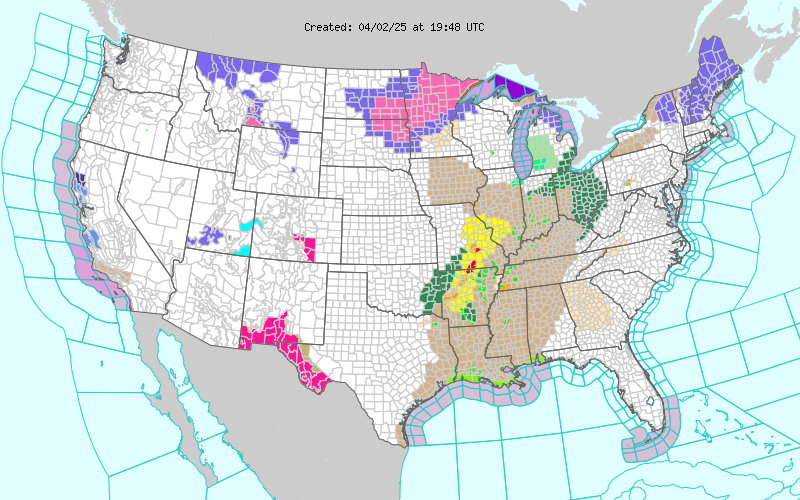
The image is a live image for the National Weather Service server. It gets updated on Real time.
While many will undoubtedly welcome the break from typical December chill, such anomalous weather patterns always warrant a closer look at their potential impacts on daily life, travel, and even long-term environmental considerations. Today, we'll delve into the specifics for major cities, discuss the broader implications, and offer essential advice to navigate this peculiar December day.
Current Conditions: A Snapshot of Unexpected Warmth
The Eastern Zone is waking up to a highly varied yet consistently mild morning. From the bustling streets of New York City to the historic charm of Boston and the tranquil landscapes of rural New England, the overriding theme is warmth. Let's break down the morning outlook across key metropolitan areas:
- New York Metropolitan Area (New York City, Jersey City, Newark): Expect a mostly sunny to partly sunny start with temperatures soaring into the low 80s Fahrenheit. New York City itself is forecast to reach an impressive 82.4°F with winds around 18 mph, while Jersey City and Newark will see similar conditions, hovering around 80.6°F to 82.4°F with winds from 14-15 mph.
- Southern New England (Boston, Providence, Hartford, New Haven, Bridgeport, Springfield, Worcester): This region will enjoy abundant sunshine and remarkably mild conditions. Boston and Providence are looking at morning highs around 69.8°F to 70°F with moderate winds (13 mph). Further inland, Hartford and New Haven will see temperatures climb to 68°F and 80.6°F respectively, under mostly sunny skies. Springfield and Worcester, MA, will also experience sunny conditions with highs around 66.2°F to 62.6°F. Bridgeport, CT, joins the trend with 78.8°F and mostly sunny skies.
- Mid-Atlantic Stretch (Baltimore, Wilmington): The southernmost parts of our Eastern Zone forecast are experiencing the most dramatic warmth. Baltimore, MD, is forecast to hit an astonishing 93.2°F this morning under cloudy skies, with Wilmington, DE, not far behind at 80.6°F and mostly cloudy conditions. Winds in these areas will be lighter, around 10 mph.
- Northern New England (Portland, Bangor): Even in the typically colder reaches of Maine, temperatures are unseasonably mild. Portland, ME, will see sunny skies and a high of 69.8°F with 15 mph winds. Bangor, ME, however, stands out with a forecast of 57.2°F and "Patchy Blowing Snow," indicating that while the air temperature is mild, there might be lingering or recent snow on the ground being affected by winds, or perhaps a localized, higher-elevation phenomenon. This stark contrast highlights the varied microclimates within the region.
- Western New York (Buffalo): Buffalo, NY, will also enjoy a sunny morning with a pleasant 53.6°F and very light winds at 2 mph, a stark departure from typical Great Lakes December weather.
Overall, the morning across the Eastern Zone is characterized by widespread warmth, sunshine for many, and moderate to breezy winds, particularly along the coast and in the New York metropolitan area.
Looking Ahead: The Afternoon and Evening Forecast
As the day progresses and transitions into evening, the unseasonable warmth will persist, though temperatures will naturally begin to cool down after sunset. Cloud cover is expected to increase in many areas, shifting from mostly sunny to partly or mostly cloudy conditions.
- New York Metropolitan Area: Temperatures will remain elevated, dropping into the mid-70s Fahrenheit. New York City will be around 78.8°F, Jersey City 77°F, and Newark 75.2°F, all under mostly cloudy skies. Winds will generally lighten to 6-12 mph.
- Southern New England: Evening temperatures will settle into the mid-50s to low 70s. Boston and Providence will see mostly clear conditions around 66.2°F to 66.2°F. Hartford (64.4°F) and Springfield (59°F) will be partly cloudy. Worcester will drop to 55.4°F, partly cloudy. New Haven (75.2°F) and Bridgeport (71.6°F) will be mostly cloudy. Winds will become much lighter, typically 3-7 mph.
- Mid-Atlantic Stretch: Baltimore will cool to a still very warm 84.2°F, and Wilmington to 77°F, both remaining mostly cloudy. Winds will be light at 5 mph.
- Northern New England: Portland, ME, will see mostly clear skies and a mild 60.8°F. Bangor, ME, will experience a more significant drop to 44.6°F, but will also be mostly clear, with lighter winds at 6 mph.
- Western New York: Buffalo, NY, will remain mild at 59°F under partly cloudy skies, with very light winds persisting at 2 mph.
The overall trend for the evening is a continuation of mild conditions for December, with increasing cloudiness for many areas, but clear skies holding for parts of New England.
Weather Advisories and Alerts
Crucially, for December 8th, there are currently no active weather alerts or advisories issued for any part of the Eastern Zone within the provided data. This is good news, indicating that despite the unusual temperatures, no immediate severe weather threats such as high wind warnings, flood watches, or winter storm warnings are in effect. However, it is always prudent to stay informed through local weather channels and official sources, as conditions can change rapidly, especially with such atypical warmth.
Travel Impact and Considerations
The unseasonably warm and generally calm weather across the Eastern US today should present minimal disruptions for travelers. For most, clear or partly cloudy skies will mean good visibility, and the absence of precipitation will keep roads dry.
- Road Travel: Drivers can expect favorable conditions. However, with elevated temperatures, especially in the Mid-Atlantic, be mindful of potential localized fog formation in low-lying areas or near bodies of water, particularly as evening approaches and cooler air mixes with moist, warm air. Always drive defensively and be aware of your surroundings.
- Air Travel: No widespread delays are anticipated due to weather. However, high winds in the New York City area this morning (up to 18 mph) could lead to minor turbulence or slight adjustments in flight paths, but major impacts are unlikely. Passengers should still check with their airlines for any specific flight status updates.
- Maritime Conditions: Coastal waters will experience moderate winds, particularly in New England and the Mid-Atlantic. Boaters should exercise standard caution, but no severe marine weather is indicated.
Overall, today is an excellent day for travel across the Eastern Zone, but personal vigilance remains key.
Agricultural Considerations Amidst Unseasonal Warmth
Anomalously warm December weather, while pleasant for humans, can have complex and sometimes challenging implications for the agricultural sector in the Eastern US. Farmers, growers, and agricultural scientists closely monitor such deviations from seasonal norms.
- Winter Crop Dormancy: Many perennial crops, fruit trees, and berries in the Northeast rely on a period of sustained cold (chilling hours) to properly enter and exit dormancy. This unseasonable warmth could delay or reduce the accumulation of necessary chilling hours, potentially impacting bud development and fruit yield in the coming spring and summer.
- Pest and Disease Management: Milder temperatures can allow overwintering pests and plant pathogens to remain active longer or emerge earlier than usual. This could lead to increased pest pressure and disease incidence in the spring, requiring farmers to adjust their management strategies.
- Soil Conditions: Without a hard freeze, soil may remain unfrozen, potentially affecting soil structure and nutrient cycling. While not necessarily negative in the short term, prolonged warmth could disrupt the natural processes that prepare the soil for spring planting.
- Livestock: For livestock, the mild temperatures are generally favorable, reducing the need for intensive winter housing and feed. However, rapid temperature fluctuations, if they occur, can still stress animals.
Farmers are resilient and adaptable, but these unexpected warm spells serve as a reminder of the increasing unpredictability of weather patterns and the need for robust climate-smart agricultural practices.
Historical Context: December in the Eastern US
To truly appreciate the current forecast, it's helpful to consider the historical context of December weather in the Eastern United States. Typically, December ushers in the heart of winter across this region. Average daily high temperatures range from the low 30s Fahrenheit in northern Maine to the mid-40s in the Mid-Atlantic. Snowfall is a regular occurrence, especially in the Great Lakes region (like Buffalo's lake-effect snow) and the higher elevations of New England and the Appalachians. Major winter storms, bringing significant snowfall, ice, and bitter cold, are not uncommon.
For instance, a typical December 8th in Boston might see highs in the low 40s, with a chance of rain or snow. In Baltimore, highs would likely be in the upper 40s. The current forecast, with temperatures reaching into the 60s, 70s, and even 90s Fahrenheit, is a dramatic departure from these historical norms. Such events are often linked to unusual jet stream patterns, which can draw warm air masses far northward, overriding typical seasonal cooling. While one warm day doesn't define a winter, it's a notable meteorological event that stands out against the backdrop of decades of climate data.
Preparedness and Safety Tips for Any Season
Even though today's forecast is mild and largely free of immediate hazards, preparedness is a year-round commitment. Here are some timeless tips:
- Stay Hydrated: With temperatures in the 70s and 80s, and even 90s in Baltimore, it's easy to forget it's December. Drink plenty of water, especially if you're active outdoors.
- Dress Appropriately: While you might not need heavy winter coats, dress in layers to adapt to the morning warmth and any slight cooling in the evening, especially in areas with increasing cloud cover.
- Sun Protection: With sunny skies across much of the region, don't forget sunscreen, hats, and sunglasses, even in December. UV rays can still be strong.
- Vehicle Readiness: Always ensure your vehicle is in good working order. Check tire pressure, fluid levels, and wipers. While snow isn't an issue today, being prepared for any condition is smart.
- Home Safety: Ensure smoke detectors and carbon monoxide detectors are functioning. Even with mild temperatures, heating systems may still be in use, and proper ventilation is crucial.
- Monitor Forecasts: While today is calm, weather can change. Keep an eye on local forecasts for any shifts in conditions, especially if you have outdoor plans extending beyond today.
Beyond Today: What Could This Mean for the Rest of Winter?
While this forecast is specific to December 8th, the occurrence of such unseasonably warm temperatures often prompts questions about the broader winter outlook. One exceptionally warm day does not necessarily predict the entire season. However, it can be an indicator of larger atmospheric patterns at play. Forecasters will be closely watching for any signs of a return to more typical winter conditions, including cold fronts, potential for snow, and the overall trajectory of the jet stream. Enjoy this unexpected warmth, but remain mindful that winter in the Eastern US is a long season, and colder, more characteristic weather is almost certainly on its way.
Stay safe, stay informed, and enjoy this remarkably mild December day across the Eastern Zone!
This post is created using the public data provided by the National Weather Service. Please check the Original source for more information.

Comments
Post a Comment
Please leave a comment.