Eastern Zone Braces for Frigid December Blast: Your Essential Forecast
Eastern Zone Braces for Frigid December Blast: Your Essential Forecast & Preparedness Guide
The Eastern Zone of the United States is currently experiencing a significant cold snap, with temperatures plummeting across a wide swath from Maine down to Maryland. As we navigate Wednesday, December 11th, and look ahead to the overnight chill into Thursday, December 12th, residents are advised to prepare for conditions that truly herald the arrival of deep winter. While many areas will enjoy crisp, sunny skies, the accompanying frigid air and brisk winds will make it feel exceptionally cold. A few localized areas, particularly in northern New England and near the Great Lakes, will even see scattered snow showers, adding to the wintry scene. This detailed forecast will provide you with the critical information needed to stay safe, warm, and prepared as this Arctic air mass settles in.
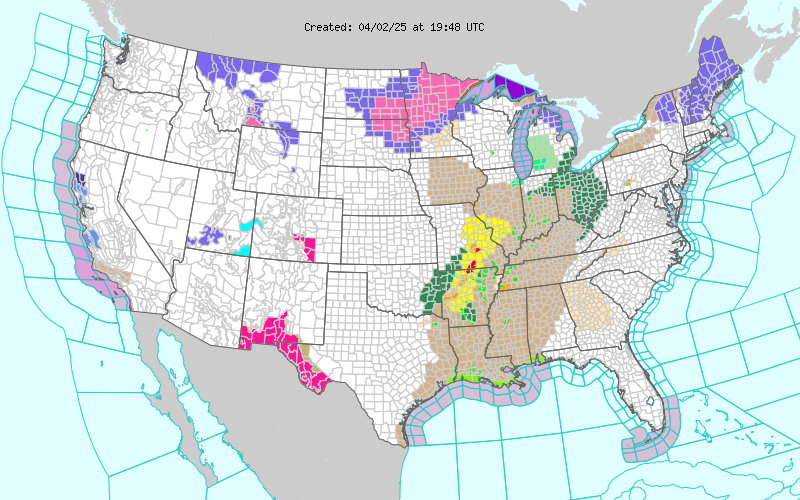
The image is a live image for the National Weather Service server. It gets updated on Real time.
A Deep Dive into Current Conditions: Wednesday's Arctic Embrace
As Wednesday progresses, the Eastern Zone is firmly under the grip of a cold air mass. Daytime high temperatures are struggling to climb out of the 20s and 30s Fahrenheit across much of the region. From the bustling streets of Boston, MA, where the mercury hovers around 31°F, to the vibrant heart of New York City and Jersey City, NJ, both experiencing temperatures of 34°F, the chill is undeniable. Further south in Baltimore, MD, it's a relatively milder 38°F, but still well below average for mid-December.
The wind is a major factor today, exacerbating the cold. Gusts ranging from 15 to 25 mph are common, creating significant wind chill values that will make outdoor exposure feel much colder than the actual air temperature. Portland, ME, for instance, is seeing winds up to 25 mph, accompanying scattered snow showers and a high of 30°F. Even in areas like Wilmington, DE, with a temperature of 35°F, winds at 20 mph will cut right through inadequate clothing. Most areas are reporting mostly sunny to partly sunny skies, offering a deceptive appearance of warmth. However, don't let the sunshine fool you; this is a day where proper layering is not just recommended, but essential.
The Overnight Chill: Preparing for Thursday Morning
The coldest part of this weather event will undoubtedly be the overnight hours leading into Thursday, December 12th. As the sun sets, temperatures are expected to plummet further, with many locations seeing lows in the teens and low 20s Fahrenheit. Clear skies across much of the region will allow for significant radiational cooling, meaning any heat absorbed during the day will quickly escape into the atmosphere.
Cities like Worcester, MA, and Providence, RI, will drop to 19°F and 23°F respectively, under mostly clear skies. Hartford, CT, is forecast to hit 23°F with winds easing to 9 mph, but still cold. Further north, Bangor, ME, will experience a biting low of 13°F, with winds remaining brisk at 16 mph, making it feel even colder. Buffalo, NY, already experiencing a chance of snow showers, will see temperatures fall to a frigid 15°F overnight. Even the typically milder Mid-Atlantic cities like Baltimore, MD, will dip to 31°F, while New York City will see 31°F with winds still noticeable at 17 mph. This widespread deep freeze necessitates careful planning for anyone who needs to be outdoors or travel during these early morning hours. Be wary of icy patches on roads and sidewalks, especially in shaded areas or where any moisture might have lingered.
Regional Breakdown: Navigating the Eastern Seaboard's Cold Front
New England's Winter Grip
New England is truly experiencing the full force of this December cold snap. In Massachusetts, cities like Boston, Worcester, and Springfield are all reporting daytime highs in the low 30s, dropping into the low 20s and teens overnight. Boston and Worcester will enjoy sunny skies, while Springfield will be mostly sunny. Winds are a consistent factor, ranging from 15-16 mph, contributing to the biting cold. In Rhode Island, Providence mirrors this pattern with sunny skies and a high of 30°F, falling to 23°F overnight. Connecticut cities such as Hartford, New Haven, and Bridgeport are also seeing mostly sunny to sunny conditions, with highs around 30-33°F and overnight lows in the low 20s. Winds are moderate, around 15 mph, making it feel quite brisk.
Further north, Maine is experiencing some of the most intense conditions. Portland, ME, is notable for its scattered snow showers today, with a high of 30°F and strong winds at 25 mph. Overnight, it will drop to a frigid 19°F with winds still at 20 mph. Bangor, ME, while mostly sunny today at 29°F with 16 mph winds, will plunge to a dangerously cold 13°F overnight, with winds persistently at 16 mph. For residents in Maine, particularly those in rural areas, ensuring heating systems are functioning optimally and that pipes are protected from freezing is paramount. Travel on secondary roads could be slick where snow has fallen or refrozen.
Mid-Atlantic's Brisk December Air
The Mid-Atlantic region, while generally a few degrees warmer than New England, is still facing a significant cold event. In New York, New York City and Buffalo present contrasting scenarios. NYC is partly sunny with a high of 34°F and robust winds at 20 mph, dropping to 31°F overnight with winds still at 17 mph. Buffalo, on the other hand, has a chance of snow showers today with a high of 26°F and 16 mph winds, plummeting to a very cold 15°F overnight with lighter 6 mph winds. This highlights the lake effect influence near Buffalo, even if the main system is passing by.
New Jersey cities like Newark and Jersey City are experiencing partly sunny skies with highs around 34°F. Winds are noticeable, 16-18 mph, making the cold more impactful. Overnight lows will be in the upper 20s. In Delaware, Wilmington is partly sunny with a high of 35°F and strong 20 mph winds, cooling to 27°F overnight. Maryland's Baltimore is the warmest of the listed cities at 38°F today under sunny skies, with 17 mph winds. However, it will still drop to 31°F overnight, with lighter 5 mph winds. While snow is not a widespread concern for the Mid-Atlantic cities in this forecast, the persistent cold demands respect. Commuters should be aware of potential black ice on roads and bridges, especially in the early morning hours.
Understanding the Cold: Historical Context and Climate Significance
December in the Eastern Zone typically marks the true onset of winter, with average temperatures steadily declining as we approach the winter solstice. This current cold snap, while certainly sharp, is not entirely unprecedented for mid-December. Historically, the region has experienced periods of intense cold during this month, often driven by the southward displacement of the polar jet stream, allowing Arctic air masses to plunge deep into the continental United States.
These cold air masses originate from the vast, frozen expanses of the Arctic, where air cools and becomes very dense. When a high-pressure system forms over this region and the jet stream dips south, it acts like a conveyor belt, ushering this frigid air directly into our eastern states. The clear skies observed across much of the forecast area are typical of such high-pressure systems, which suppress cloud formation but also allow for maximum heat loss through radiational cooling, intensifying the overnight freeze.
Understanding these meteorological patterns helps us appreciate the cyclical nature of our climate. While this particular event doesn't carry the extreme severity of some historical blizzards or record-breaking cold waves, it serves as a timely reminder of winter's power and the importance of preparedness. The Eastern Zone's climate is characterized by significant seasonal variations, and a December cold spell like this one is a classic example of its dynamic weather patterns, influencing everything from energy consumption to agricultural cycles.
Navigating the Chill: Travel and Daily Life Impacts
This cold snap will undoubtedly have an impact on daily routines and travel plans across the Eastern Zone. While widespread severe weather alerts are absent for most, the sheer cold itself presents challenges.
Road Conditions and Commuting
For those commuting by car, the primary concern will be the potential for black ice. Even though most areas are dry, residual moisture from earlier precipitation or melting snow, combined with plummeting overnight temperatures, can lead to invisible sheets of ice on roads, bridges, and overpasses. This is especially true in shaded areas that don't receive direct sunlight. Drivers should exercise extreme caution, reduce speeds, and allow for extra stopping distance. A well-maintained vehicle with proper tire pressure and fluid levels is crucial during these conditions.
Public Transportation and Air Travel
Public transportation systems in major cities like Boston, New York, and Philadelphia should generally operate without significant delays due to the cold, though mechanical issues can sometimes arise in extreme temperatures. However, it's always wise to check local transit updates. For air travel, the mostly clear skies across the majority of the Eastern Zone mean major disruptions are unlikely. However, passengers flying into or out of Portland, ME, or Buffalo, NY, should monitor their flight status, as localized snow showers could lead to minor delays or de-icing procedures. Always check with your airline before heading to the airport.
Outdoor Activities and Health
For those who enjoy outdoor activities, or whose work requires them to be outside, proper protection is critical. Layering clothing, wearing insulated hats, gloves, and waterproof footwear will be essential to prevent cold-related illnesses. The brisk winds will significantly lower perceived temperatures, increasing the risk of frostbite on exposed skin and hypothermia if not adequately dressed. Limit time outdoors, take frequent breaks in warm environments, and stay hydrated. Even a simple walk with a pet requires careful consideration of the cold's impact on both humans and animals.
Agricultural Implications of a Deep Freeze
While December is typically a dormant period for much of the Eastern Zone's agriculture, a deep freeze like this still carries significant implications for farmers and horticulturalists.
Crops and Perennials
Many field crops have already been harvested, and winter wheat or cover crops are generally hardy enough to withstand typical cold. However, prolonged periods of extreme cold can stress even dormant plants. For perennial crops like fruit trees and berry bushes, a sudden and severe drop in temperature without adequate snow cover can damage roots or buds, impacting future yields. Growers of sensitive ornamental plants or those with overwintering nursery stock may need to take protective measures, such as applying mulch, covering plants with burlap, or moving potted plants indoors.
Livestock Management
Livestock, particularly cattle, horses, and poultry, require extra attention during severe cold. Animals need access to unfrozen water, which means farmers must frequently check and break ice on troughs or utilize heated waterers. Increased feed rations are often necessary to help animals generate enough body heat to stay warm. Shelters must be well-maintained, providing adequate protection from wind and precipitation. Young animals are particularly vulnerable to cold stress and may require additional heat sources or specialized care.
Farm Infrastructure
Beyond plants and animals, farm infrastructure is also at risk. Water lines and irrigation systems are susceptible to freezing and bursting, leading to costly repairs and disruptions. Farmers will be busy insulating pipes, draining equipment, and ensuring that all machinery is winterized. Fuel tanks for heating and equipment need to be kept full, as cold weather can thicken diesel fuel. The overall economic impact, while not immediately visible, can accumulate through increased energy costs, labor for protective measures, and potential losses if preventative actions are not taken.
Essential Preparedness: Staying Safe and Warm
With such a significant cold snap gripping the Eastern Zone, preparedness is not just a recommendation; it's a necessity. Taking proactive steps now can prevent discomfort, damage, and even danger.
Home Preparedness
- Heating Systems: Ensure your furnace or heating system has been recently serviced and is functioning efficiently. Change air filters to maintain good airflow.
- Insulation & Drafts: Seal any drafts around windows and doors. Consider insulating exposed pipes, especially in unheated areas like basements, attics, or crawl spaces, to prevent freezing and bursting. Allowing faucets to drip slowly can also help prevent pipe bursts.
- Carbon Monoxide Detectors: With increased use of heating appliances, ensure carbon monoxide detectors are installed and working on every level of your home. Carbon monoxide is an invisible, odorless gas that can be deadly.
- Emergency Kit: Have an emergency kit readily accessible, including flashlights, extra batteries, blankets, a first-aid kit, and non-perishable food and water, in case of power outages.
Personal Safety
- Layer Up: Dress in multiple layers of loose, warm clothing. Layers trap air, providing better insulation than a single heavy garment. Always include a waterproof and windproof outer layer.
- Protect Extremities: Wear a warm hat, gloves or mittens, and insulated, waterproof boots. A significant amount of body heat is lost through the head, and fingers and toes are highly susceptible to frostbite.
- Recognize Cold-Related Illnesses: Be aware of the symptoms of hypothermia (shivering, confusion, slurred speech) and frostbite (numbness, waxy or discolored skin). Seek immediate medical attention if these symptoms appear.
- Stay Hydrated and Nourished: Drink plenty of fluids (avoid excessive caffeine and alcohol) and eat regular, warm meals to help your body maintain its core temperature.
Vehicle Preparedness
- Battery Check: Cold weather is notoriously hard on car batteries. Have your battery and charging system checked.
- Tire Pressure: Cold temperatures cause tire pressure to drop. Check and inflate your tires to the recommended PSI.
- Fluids: Ensure antifreeze levels are adequate and windshield wiper fluid is rated for freezing temperatures.
- Emergency Car Kit: Keep a winter emergency kit in your vehicle. This should include jumper cables, a shovel, blankets, a flashlight, flares, a first-aid kit, and some non-perishable snacks. Keep your gas tank at least half full to prevent fuel line freezing.
Pet Care
- Bring Pets Indoors: Pets, especially short-haired breeds, puppies, and older animals, are vulnerable to the cold. Bring them inside during extreme temperatures.
- Limit Outdoor Time: If your pet must go outside, keep their time brief and supervise them closely.
- Paw Protection: Salt and ice melt can irritate paws. Consider booties or wipe their paws after walks.
Beyond the Immediate: What Lies Ahead?
While this forecast focuses on the immediate impact of the current cold snap through Thursday morning, it's important to recognize that this is a characteristic December weather event for the Eastern Zone. The patterns that bring such frigid air masses are common as winter progresses. Residents should continue to monitor local forecasts for any changes or extensions of cold weather, and be prepared for the possibility of further winter weather events in the coming weeks. Staying informed is your best defense against the unpredictable nature of winter in this dynamic region.
In summary, the Eastern Zone is experiencing a significant cold spell. While skies are largely clear, the frigid temperatures and brisk winds demand careful attention to personal safety and property protection. By following these preparedness tips and staying informed, you can navigate this winter weather confidently and safely.
This post is created using the public data provided by the National Weather Service. Please check the Original source for more information.

Comments
Post a Comment
Please leave a comment.