Eastern Zone Braces for Widespread Snow & Frigid Temps
Eastern Zone Braces for Widespread Snow and Frigid Temperatures: December 14, 2025 Forecast
As the heart of winter approaches, the Eastern Zone of the United States is preparing for a significant weather event on Saturday, December 14, 2025. A broad sweep of snow is expected across many states, bringing with it not only picturesque winter scenes but also challenging travel conditions and a sharp drop in temperatures. From the bustling streets of New York City to the historic charm of Boston, and stretching down to the Mid-Atlantic cities like Baltimore and Wilmington, residents should anticipate a classic winter day marked by precipitation and biting cold.
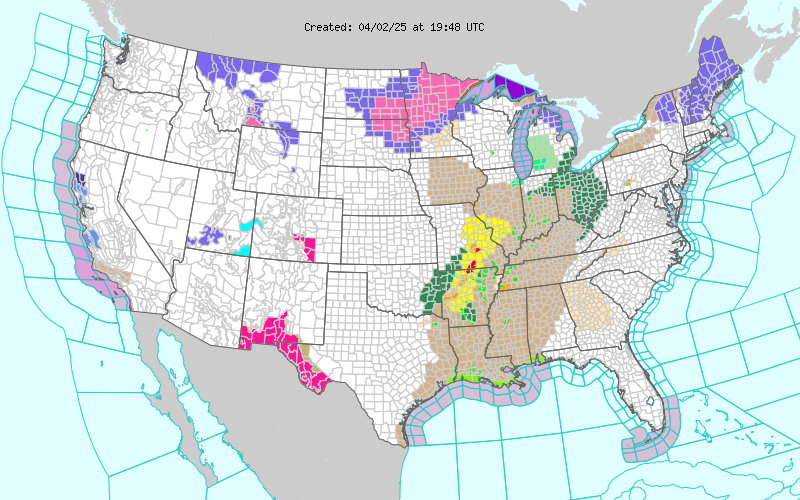
The image is a live image for the National Weather Service server. It gets updated on Real time.
This comprehensive forecast will guide you through the expected conditions, delve into the meteorological dynamics at play, and offer crucial advice for staying safe and prepared as winter truly settles in across the region.
A Chilling Winter Outlook: Current Conditions & Regional Overview
The early morning hours of December 14th, around 5:00 AM EST, will see a widespread blanket of snow covering much of the Eastern Seaboard. Temperatures across the region will hover right around or below the freezing mark, creating ideal conditions for snow accumulation. Winds, while relatively light in the morning, will still contribute to the chill factor.
- New York Metropolitan Area & Mid-Atlantic: Cities like New York, NY, Jersey City, NJ, and Newark, NJ are waking up to active snow, with temperatures ranging from 31°F to 34°F. Further south, Wilmington, DE, and Baltimore, MD are experiencing heavy snow, with temperatures around 32°F. Winds are generally light to moderate, from 5 to 7 mph, but the heavy snowfall will be the primary concern for morning commuters and those venturing out.
- Southern New England & Connecticut: Across Connecticut and Rhode Island, including Bridgeport, CT, New Haven, CT, and Hartford, CT, light snow is the predominant forecast, with temperatures ranging from 29°F to 30°F. Providence, RI, and Worcester, MA, also anticipate light snow, with temperatures at 31°F and 30°F respectively. Winds are very light, around 1-3 mph, making the snowfall appear gentle but still accumulating.
- Massachusetts & Northern New England: Boston, MA, is expected to see light snow likely, with a temperature of 31°F and winds at 5 mph. Springfield, MA, also reports light snow at 30°F. Further north in Maine, Portland, ME, is cloudy at 28°F with 5 mph winds, while Bangor, ME, is colder at 22°F under cloudy skies and minimal wind. Snow is expected to become more prevalent in these areas as the day progresses.
- Western New York: A notable outlier, Buffalo, NY, starts the day significantly colder at 13°F under partly cloudy skies with winds at 14 mph. While not directly in the main snowfall band, the extreme cold highlights the broader frigid air mass dominating the region.
The morning commute will undoubtedly be impacted by reduced visibility and slippery road surfaces. Travelers are strongly advised to allow extra time and exercise extreme caution, or consider postponing non-essential journeys if possible.
Diving Deeper: The Afternoon and Evening Forecast
As the day progresses into the afternoon and evening hours, specifically around 5:00 PM EST, a significant shift in conditions is expected for many parts of the Eastern Zone. While some areas will see a gradual clearing, others will contend with lingering snow and a dramatic increase in wind speeds, leading to dangerously low wind chill values.
- Clearing Skies and Bitter Cold: For the New York Metropolitan Area and much of the Mid-Atlantic, the snow is forecast to move out, making way for clearer skies. New York, NY, Jersey City, NJ, and Newark, NJ, are all expected to be sunny, but temperatures will plummet to 25-27°F. Crucially, winds will intensify significantly, reaching 20-21 mph. This combination will lead to a dangerously low wind chill, making it feel much colder than the actual air temperature. Similarly, Baltimore, MD, and Wilmington, DE, will clear to sunny conditions, with temperatures dropping to 23°F and winds picking up to 15-17 mph. Wilmington, in particular, may experience Areas Of Blowing Snow due to the fresh snowfall and increased winds, further reducing visibility and creating hazardous driving conditions.
- Lingering Snow in New England: In contrast to the clearing skies further south, parts of New England will continue to see snow or a chance of snow into the evening. Boston, MA, still has "Light Snow Likely" at 29°F with 15 mph winds. Providence, RI, has a "Chance Light Snow" at 28°F with 14 mph winds. Worcester, MA, also maintains a "Slight Chance Light Snow" at 24°F with 14 mph winds, though it could trend towards mostly sunny. Meanwhile, Portland, ME, will experience a "Chance Light Snow" at 27°F with 15 mph winds, and Bangor, ME, will be "Mostly Cloudy" at 24°F with 12 mph winds.
- Mostly Sunny but Frigid in Connecticut & Western Mass: Cities like Bridgeport, CT, New Haven, CT, Hartford, CT, and Springfield, MA, are all forecast to transition to "Mostly Sunny" conditions. However, temperatures will drop to 25-26°F, and winds will increase to 14-17 mph, ensuring a very cold evening.
- Continued Snow Showers in Western New York: Buffalo, NY, will remain cold, with temperatures rising slightly to 18°F, but "Scattered Snow Showers" are expected to persist, along with 10 mph winds.
The evening forecast underscores the need for continued vigilance. Even where skies clear, the combination of fresh snow, plummeting temperatures, and strong winds will create icy patches and significant wind chill hazards. Residents are urged to dress in multiple layers and limit outdoor exposure.
Understanding the Winter Weather Dynamics
The weather system impacting the Eastern Zone on December 14th is characteristic of early winter in the Northeast. Typically, such widespread snow events are orchestrated by a complex interplay of a cold air mass, often originating from Canada, and a developing low-pressure system moving up the Atlantic coast. While the specific details of this system are not fully provided, the widespread nature of the snow and the subsequent drop in temperatures and increase in winds strongly suggest a classic winter setup.
The Eastern Seaboard is particularly susceptible to these types of storms, often referred to as "Nor'easters," due to its geographical position. When a low-pressure system tracks close to the coast, it can draw in ample moisture from the relatively warmer Atlantic Ocean, which then collides with the frigid continental air. This interaction fuels significant snowfall, especially in coastal and near-coastal regions. The increase in wind speeds observed in the afternoon and evening forecast is often associated with the tightening pressure gradient as the low-pressure system moves away, pulling in colder, drier air from the west or north.
Historically, the Eastern Zone has experienced a wide spectrum of winter weather, from light dustings to crippling blizzards. Major snowfalls have shaped the region's infrastructure and culture, leading to robust snow removal capabilities and a collective resilience among its inhabitants. Events like the "Blizzard of '78" or the "Storm of the Century" in 1993 serve as stark reminders of winter's potential power. While this forecast doesn't suggest a storm of that magnitude, it is a significant reminder that winter has arrived, and preparedness is paramount.
The current forecast, with widespread snow followed by clearing and intense cold, is a common pattern that can lead to hazardous conditions like black ice formation, especially overnight. Understanding these dynamics helps residents anticipate challenges beyond the immediate snowfall.
Potential Impacts on Daily Life and Infrastructure
Even moderate snowfall, combined with freezing temperatures and strong winds, can have substantial impacts on daily life and critical infrastructure across the densely populated Eastern Zone.
- Travel Disruptions: Roadways will be slippery and visibility reduced, particularly during the morning snowfall. Major interstates like I-95, I-90, I-81, and I-87, which crisscross the region, will likely experience significant slowdowns and potential closures. Commutes will be extended, and the risk of accidents increases. Air travel at major hubs such as Boston Logan (BOS), New York's JFK and LaGuardia (JFK, LGA), Newark Liberty (EWR), and Baltimore/Washington International (BWI) could face delays and cancellations. Passengers with flights scheduled for December 14th should check with their airlines frequently. Public transportation, including commuter rail and bus services, may also operate on modified schedules or experience delays.
- Power Outages: While light, fluffy snow is less likely to cause widespread power outages, the combination of snow and increasing winds in the afternoon and evening could pose a threat, especially if any ice accumulation occurs (even minimal) or if winds are strong enough to bring down weakened tree limbs onto power lines. Residents should be prepared for potential service interruptions by having flashlights, extra batteries, and fully charged mobile devices.
- School and Work Closures: Many school districts, especially in areas experiencing heavy snow or treacherous road conditions, may opt for delays or full closures to ensure student and staff safety. Businesses might also adjust operating hours or encourage remote work. It's advisable to check local news and school/employer notifications for the latest updates.
- Emergency Services: Emergency responders will be working diligently, but their response times may be affected by the weather. It is crucial to reserve 911 for true emergencies.
The cumulative effect of these impacts can range from minor inconveniences to significant disruptions, underscoring the importance of proactive planning.
Agricultural Considerations in Winter
For the agricultural sector in the Eastern Zone, a mid-December snow event like this, followed by a deep freeze, brings specific considerations, even during the dormant season.
- Livestock Protection: Farmers with livestock must ensure animals have adequate shelter from the cold and wind. Access to unfrozen water is critical, and feed rations may need to be increased to help animals maintain body heat. Young and old animals are particularly vulnerable to extreme cold.
- Crop Protection: While most field crops are dormant or harvested by mid-December, certain winter crops or perennial plants could be affected. A consistent snow cover can actually act as an insulator, protecting dormant plants from extreme temperature fluctuations. However, sudden thaws and refreezes, especially with exposed ground, can cause damage. Orchard managers need to ensure young trees are protected.
- Infrastructure Maintenance: Farm equipment, barns, and irrigation systems (if not properly winterized) can be damaged by freezing temperatures. Farmers will be busy ensuring all systems are secure and pipes are drained to prevent bursting. Snow removal from farm roads and access points will also be a priority.
- Soil Health: The snowmelt, when it eventually occurs, contributes to soil moisture, which is beneficial for the spring growing season. However, strong winds can lead to wind erosion on exposed fields.
Winter weather significantly influences the planning and daily operations of farms, requiring careful management to mitigate potential losses and ensure the well-being of animals and land.
Essential Winter Preparedness Tips
With widespread snow and plummeting temperatures on the horizon, proactive preparedness is key to navigating the winter weather safely and comfortably.
- At Home:
- Heating Systems: Ensure your heating system is in good working order. Have a backup heat source if possible, and ensure you have sufficient fuel.
- Insulation: Check for drafts around windows and doors. Consider temporary insulation kits.
- Emergency Kit: Assemble an emergency kit including non-perishable food, bottled water, blankets, flashlights, extra batteries, a first-aid kit, and any necessary medications.
- Carbon Monoxide Detectors: Ensure these are working, especially if using alternative heating sources.
- Pipes: Protect exposed pipes from freezing by insulating them or allowing faucets to drip slightly during extreme cold.
- Snow Removal: Have shovels, rock salt, or sand readily available for clearing walkways and driveways.
- On the Road:
- Vehicle Maintenance: Check your car's battery, tires (for proper inflation and tread), anti-freeze levels, and windshield wipers. Ensure your gas tank is at least half full to prevent fuel lines from freezing.
- Emergency Car Kit: Include jumper cables, a small shovel, a bag of sand or cat litter for traction, warm blankets, a flashlight, a fully charged cell phone, and snacks.
- Driving Safely: Reduce speed, increase following distance, and avoid sudden braking or accelerating. Be extra cautious on bridges and overpasses, which freeze first.
- Personal Safety:
- Layer Up: When venturing outdoors, wear multiple layers of warm, loose-fitting clothing. Don't forget hats, gloves, and waterproof boots.
- Limit Exposure: Minimize time spent outdoors to prevent frostbite and hypothermia, especially during the evening when winds intensify.
- Check on Neighbors: Elderly or vulnerable neighbors may need assistance during severe weather.
- Stay Informed: Monitor local weather forecasts and emergency alerts.
Taking these steps now can significantly reduce risks and discomfort during and after the snow event.
Travel Advisories and Safety Guidance
Given the widespread nature of the snow and the subsequent drop in temperatures and increase in winds, travel across the Eastern Zone on December 14th will be challenging. Here are specific advisories:
- Road Travel: Expect snow-covered and icy roads throughout the morning. Even after the snow tapers off, plummeting temperatures will lead to refreezing and potential black ice, especially overnight. Drivers should consider delaying non-essential travel. If you must drive, ensure your vehicle is winter-ready, drive slowly, and maintain ample distance from other vehicles. Be particularly wary of bridges and overpasses.
- Public Transportation: While public transport systems are generally more resilient, they may operate on modified schedules, experience delays, or have reduced service. Check with your local transit authority for the latest updates before heading out.
- Air Travel: Major airports are likely to experience delays or cancellations. Passengers should confirm flight statuses directly with their airline before leaving for the airport. Be prepared for potential overnight stays if flights are grounded.
- Pedestrian Safety: Sidewalks and walking paths will be slippery. Wear appropriate footwear with good traction. Be aware of falling snow or ice from rooftops.
Your safety is paramount. Prioritize staying home if conditions are hazardous, and if travel is unavoidable, plan meticulously and proceed with extreme caution.
Looking Beyond: What's Next for the Eastern Zone?
As the snow system exits the Eastern Zone by Saturday evening, December 14th, it will leave behind a landscape transformed by winter white, but also an airmass that promises sustained frigid conditions. Sunday and the early part of the new week will likely be characterized by clear skies but significantly below-average temperatures. The strong winds experienced on Saturday evening will gradually diminish, but the cold will linger, making for very cold nights and chilly days.
The primary concern in the immediate aftermath will be the potential for black ice formation on roads and walkways, especially where snow has melted and refrozen due to the plummeting overnight temperatures. This can be particularly dangerous as it is often invisible. Residents should continue to exercise caution when walking or driving.
This event serves as a strong reminder that winter has truly arrived in the Eastern Zone. While the immediate forecast points to a period of colder, clearer weather, residents should remain prepared for future winter storms, as December often sets the stage for more significant snowfall and prolonged cold snaps throughout January and February. Staying informed through reliable weather sources will be crucial for navigating the remainder of the winter season.
Be safe, stay warm, and enjoy the beauty of a winter wonderland, but always with an eye towards preparedness.
This post is created using the public data provided by the National Weather Service. Please check the Original source for more information.

Comments
Post a Comment
Please leave a comment.