Eastern Zone Forecast: Crisp December Mornings & Wintry Evening Chances
Eastern Zone Weather Forecast: Crisp December Mornings Yield to Wintry Evening Chances on December 5th
As December settles in, the Eastern Zone of the United States braces for a classic early winter day on December 5th. Residents from the rugged coastlines of Maine down to the bustling corridors of Delaware can expect a day of contrasts: a beautifully crisp, bright morning giving way to an increasing chance of a very light wintry mix for some southern locales by evening. Understanding these subtle shifts is key to navigating the day safely and comfortably, ensuring both your commute and your evening plans remain undisturbed.
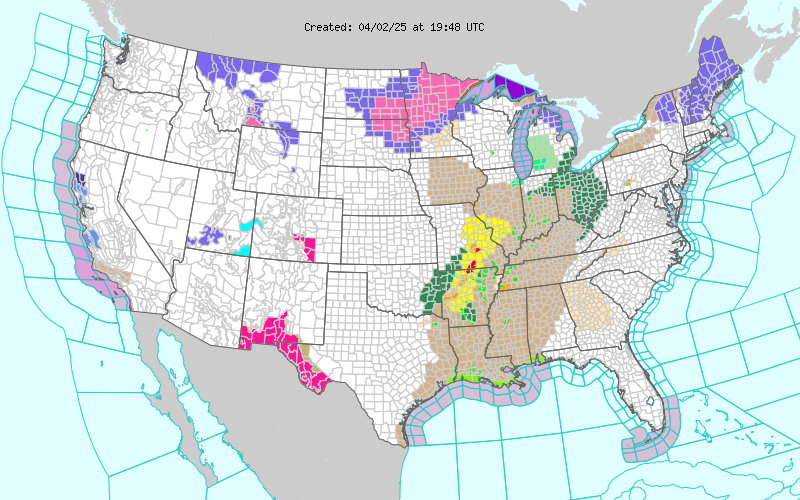
This forecast delves into the specifics, offering not just a snapshot of the day's weather but also valuable context on what these conditions mean for daily life, travel, and even a look back at how this day compares to historical December patterns. We'll explore the regional variations, from the typically clearer northern states to the potentially more active southern fringes, and arm you with practical advice for staying warm and prepared as the season truly takes hold.
A Chilly, Bright Start to December 5th Across the Northeast
The dawn of December 5th across much of the Eastern Zone promises a quintessential early winter scene. Widespread sunny skies are expected to dominate the morning hours, casting a brilliant, low-angle light across the landscape. This clear atmosphere, however, comes with a distinct chill. Temperatures will hover in the teens and low 20s Fahrenheit across a broad swathe of the region, signaling a true early winter feel that demands appropriate attire for anyone venturing outdoors.
Despite the cold, light winds are forecast, ensuring that the air remains crisp rather than biting. This makes for pleasant, albeit brisk, outdoor conditions for those who enjoy a morning walk, a jog, or simply taking in the fresh, cold air. The sun, while not offering significant warmth, will provide a psychological boost, making the cold feel more manageable. For commuters, this means generally clear roads and good visibility during the morning rush, though the frigid temperatures will necessitate patience as vehicles warm up and defrosters work their magic. It's a perfect morning for a hot cup of coffee and watching the sunrise, but don't underestimate the need for layers.
This kind of clear, cold start is quite typical for early December in the Northeast, often following the passage of an arctic air mass. While not record-breaking, these temperatures are a stark reminder that winter has arrived, prompting many to finally pull out their heavier coats, hats, and gloves. The dry air accompanying these conditions also means lower humidity, which can sometimes make the cold feel less penetrating, but also increases the risk of dry skin and static electricity. Enjoy the beauty of these bright, chilly mornings, but always prioritize warmth and safety.
Evening Brings Clouds and a Hint of Wintry Mix to Southern Areas
As the day progresses, a noticeable shift in weather patterns will begin to unfold across the Eastern Zone. Cloud cover is expected to increase significantly across the region, transitioning from the clear, sunny skies of the morning to mostly cloudy or overcast conditions by late afternoon and evening. This change in cloud cover often acts as an insulating blanket, and indeed, a slight temperature rise is anticipated, reaching into the low 30s Fahrenheit for some southern cities like Newark and New York.
The most significant development for the evening, however, is the potential for very light precipitation. Forecasters are tracking the possibility of light snow, freezing drizzle, or a rain/snow mix developing in Delaware, New Jersey, and parts of New York by late evening. It's crucial to emphasize the word "light" here; widespread heavy snow or significant ice accumulation is not currently expected. However, even a very light freezing drizzle can create treacherous conditions on untreated surfaces, especially bridges, overpasses, and shaded roadways, where temperatures can dip below freezing even if the ambient air is slightly above.
This type of marginal precipitation event often occurs when cold air at the surface is undercut by slightly warmer, moisture-laden air aloft. The exact temperature profile through the atmosphere determines whether precipitation falls as snow, sleet, freezing rain, or plain rain. For December 5th, the boundary between freezing and above-freezing temperatures will be very narrow, making the forecast for precipitation type particularly sensitive to even slight temperature variations. Residents in these southern areas should remain vigilant, especially if planning evening travel, and be prepared for the possibility of slick spots. This transition from clear, cold to cloudy with potential wintry precipitation is a classic hallmark of early winter weather systems moving up the East Coast, requiring careful monitoring as the evening hours approach.
Regional Snapshot: North Stays Clearer, South Sees More Activity
The Eastern Zone is a vast and varied region, and December 5th's weather patterns will underscore these geographical differences. While the overall trend is toward increasing cloudiness, the northern reaches of the zone are expected to fare better in terms of precipitation.
States such as Maine, Massachusetts, Rhode Island, and Connecticut anticipate mostly clear to cloudy conditions throughout the day, with no expected precipitation. This means residents in cities like Portland, Maine, and Worcester, Massachusetts, can expect a cold but dry day, albeit with increasing clouds as the evening approaches. Temperatures will remain firmly in the 20s for much of the day in these areas, perhaps nudging into the low 30s in southern coastal Massachusetts and Rhode Island. Winds will generally be light, contributing to the crisp feel of the air without adding a significant wind chill factor. This dry forecast for the northern tier allows for outdoor activities to proceed without the worry of slick surfaces or accumulating snow, though dressing warmly remains paramount.
In contrast, New York, New Jersey, and Delaware face the highest chances of minor wintry precipitation. For New York City, Newark, and Wilmington, the day will start cold and clear, but clouds will thicken considerably by afternoon. By late evening, the chance for very light snow, freezing drizzle, or a rain/snow mix becomes more pronounced. Temperatures in these metropolitan areas are forecast to reach the low 30s Fahrenheit, making the distinction between freezing and non-freezing precipitation a crucial one. Even a slight drop below 32°F (0°C) at the surface, particularly on elevated roadways, can lead to hazardous icy patches. Winds will also remain light, generally from the northeast, which can sometimes help to keep surface temperatures just cold enough for freezing precipitation.
This regional disparity highlights the influence of coastal proximity and subtle shifts in air masses. Often, moisture-laden systems track just offshore, bringing precipitation to the immediate coast and southern areas, while colder, drier air remains entrenched further inland and to the north. Understanding these localized differences is vital for residents to prepare adequately, whether they are enjoying a clear, cold day or bracing for a hint of wintry weather.
Navigating the Early Winter Conditions: Travel and Daily Life
For most of the Eastern Zone on December 5th, minimal travel disruptions are expected due to the generally light nature of any potential precipitation and the absence of severe weather alerts. However, this doesn't mean complacency is advised, especially for those in the southern regions where a wintry mix is possible.
The primary concern will be advisories for potential slick spots on untreated surfaces in areas experiencing freezing drizzle or very light snow. Bridges, overpasses, and shaded roadways are particularly susceptible to icing up quickly, even when air temperatures are hovering just above freezing. These areas cool more rapidly and can retain colder temperatures longer than main roads. Commuters in Delaware, New Jersey, and New York, especially during the late evening and overnight hours, should exercise extreme caution. Reducing speed, increasing following distance, and avoiding sudden braking or steering maneuvers are critical practices when encountering potentially icy conditions. Even a thin glaze of ice, often referred to as "black ice" because it's nearly invisible, can lead to dangerous situations.
For outdoor enthusiasts and those simply going about their daily routines, awareness of changing conditions is key. While the morning offers crisp, clear air perfect for brisk walks, the evening transition to cloudy skies and potential precipitation means that outdoor plans might need adjustment. Layering clothing is highly recommended for anyone spending extended time outdoors, allowing for easy adaptation to fluctuating temperatures and activity levels. Staying informed through local weather updates is also crucial, as even minor adjustments to the forecast can impact road conditions. For those not directly affected by precipitation, the cold temperatures still demand attention to proper winter attire to prevent hypothermia or frostbite, particularly for young children and the elderly.
Ultimately, December 5th is a day that calls for a blend of enjoyment of the beautiful early winter mornings and a healthy dose of caution as the evening approaches in certain areas. Preparedness, as always, is the best defense against any minor weather inconveniences.
Historical Perspective: A Typical December Chill or an Anomaly?
When we look at the forecast for December 5th in the Eastern Zone, with its crisp mornings and potential for a light wintry mix, it prompts us to consider how these conditions align with historical weather patterns. Is this a typical early December chill, or does it represent a deviation from the norm?
Historically, early December in the Eastern Zone is characterized by a significant transition towards winter. Average temperatures for many parts of the Northeast during the first week of December typically range from the low 20s to mid-30s Fahrenheit, with overnight lows often dipping into the teens. The forecast for December 5th, with morning temperatures in the teens and low 20s, and daytime highs struggling to reach the low 30s, falls squarely within this historical average. This suggests that the region is experiencing a fairly typical early winter cold snap, rather than an extreme anomaly.
However, it's also important to consider recent climate trends. Over the past few decades, many parts of the Northeast have experienced a trend towards milder winters, with fewer extreme cold snaps and a shorter snow season. While this specific day aligns with historical averages, it's part of a broader context where such cold days might feel more pronounced due to the overall warming trend. Scientists note that while individual cold events still occur, their frequency and intensity have generally decreased. Therefore, while December 5th might feel like a "classic" early winter day, it's a reminder that these conditions are still very much a part of our climate, even as the long-term trends shift.
The historical significance of early winter weather for the region's agriculture and infrastructure cannot be overstated. For agriculture, a sustained period of cold, especially with frozen ground, is crucial for certain crops. For example, some fruit trees require a specific number of "chill hours" to produce a good harvest the following spring. Early freezes can also help protect winter wheat by providing a protective layer of snow or ice. However, sudden, extreme freezes without snow cover can be detrimental to delicate perennial crops. For infrastructure, early cold snaps are a critical test. Heating systems are fired up, road crews prepare for potential icing, and utility companies monitor energy demand. Historically, periods of freezing rain or ice, even light ones, have caused power outages and travel chaos, highlighting the region's need for robust winter preparedness plans. This December 5th forecast, while not severe, serves as an annual reminder of these critical preparations.
Preparing for the Chill: Essential Tips for Eastern Zone Residents
With the Eastern Zone experiencing a genuine early winter chill and the potential for light wintry precipitation in some areas, preparedness becomes paramount. Taking a few proactive steps can ensure comfort, safety, and efficiency throughout the season.
Guidance on Appropriate Winter Attire
The key to staying warm and comfortable in fluctuating winter temperatures is layering. For December 5th, with cold mornings and slightly warmer, cloudier evenings, a three-layer system is ideal. Start with a base layer of moisture-wicking material (like synthetic fabrics or merino wool) to keep sweat away from your skin. Add a middle layer for insulation (fleece or down vest) to trap body heat. Finally, an outer layer that is wind and water-resistant (a good winter coat) will protect against the elements. Don't forget extremities: a warm hat, gloves or mittens, and waterproof boots are essential, especially if you'll be spending time outdoors or commuting in potentially slick conditions. Remember, children and the elderly are more susceptible to cold, so ensure they are adequately bundled.
Recommendations for Home Heating and Energy Conservation
As temperatures consistently drop, home heating systems work harder. Now is the time to ensure your furnace has had its annual check-up and that air filters are clean. To manage utility costs, consider setting your thermostat lower when you're away or asleep, and use a programmable or smart thermostat to optimize heating schedules. Seal any drafts around windows and doors with weatherstripping or caulk. Even small gaps can lead to significant heat loss. Close blinds and curtains at night to provide an extra layer of insulation. For those with fireplaces, ensure chimneys are clean and safe for use. Conserving energy not only saves money but also reduces strain on the power grid during peak demand periods.
Vehicle Preparation Tips
For those in areas with potential freezing precipitation, vehicle preparation is non-negotiable. Start by checking your tires; ensure they are properly inflated and have adequate tread depth for winter conditions. Consider winter tires if you frequently drive in snow or ice. Top off all fluids, including windshield wiper fluid (make sure it's a winter-grade solution that won't freeze) and antifreeze. Test your battery, as cold weather can significantly reduce its capacity. Assemble an emergency kit for your car, including jumper cables, a flashlight with extra batteries, a first-aid kit, blankets, a small shovel, a bag of sand or cat litter for traction, and a fully charged cell phone. Drive defensively, especially during the evening hours when slick spots are most likely to form. Leave extra space between your vehicle and others, and avoid sudden movements. Being prepared for the road ahead is crucial for safety during the winter months.
Disclaimer: Forecast data is sourced from the National Weather Service (NWS) and is subject to change. This bot processes NWS data for aggregation and is not responsible for forecast accuracy.

Comments
Post a Comment
Please leave a comment.