Eastern Zone Forecast: Crisp December Day with Northern Chill & Snow Chance
Eastern Zone Forecast: Crisp December Day with Northern Chill & Snow Chance
As we step into December 9, 2025, the Eastern Zone of the United States is poised for a quintessential early winter day, characterized by crisp, cold air and predominantly clear skies. From the rugged coastlines of Maine down through the bustling metropolitan corridors of the Mid-Atlantic, residents can expect a chilly start followed by a sun-drenched, albeit still cold, afternoon. While the vast majority of the region will enjoy serene, dry conditions, a notable exception emerges in Western New York, where a chance of light snow could add a touch of wintry charm to Buffalo.
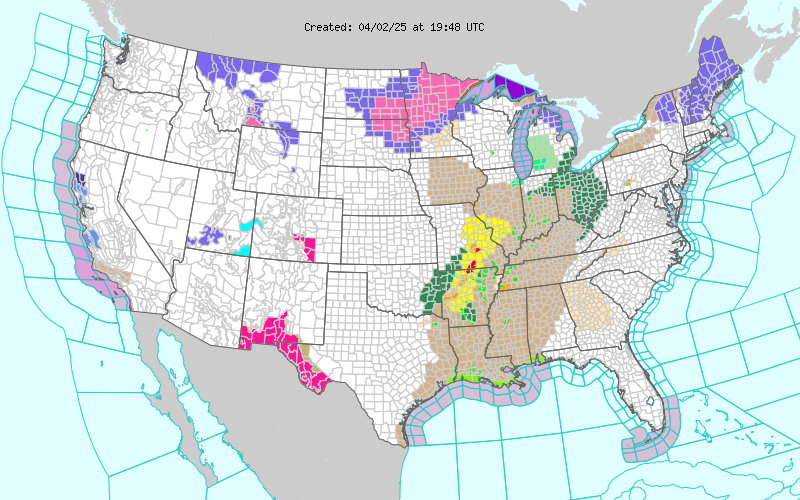
The image is a live image for the National Weather Service server. It gets updated on Real time.
Current Conditions & Overnight Outlook: A Widespread Chill
The early morning hours across the Eastern Zone have brought a widespread chill, signaling the firm grip of winter's approach. Temperatures have plummeted into the teens and single digits across much of New England, with some areas even dipping below zero. For instance, Bangor, ME, reported a frigid -1°F in the early hours, accompanied by clear skies and a gentle 3 mph breeze. Further south in Massachusetts, cities like Worcester and Springfield experienced temperatures around 8°F, with mostly clear conditions and very light winds, making for a truly biting start to the day.
Moving down the Atlantic seaboard, the chill persists but with slightly moderated temperatures. Boston, MA, started at 13°F under mostly clear skies, while Providence, RI, saw 13°F. In Connecticut, both Hartford and New Haven registered temperatures in the low teens and high teens, respectively, with partly cloudy conditions. The New York metropolitan area, including New York City (26°F), Newark, NJ (20°F), and Jersey City, NJ (23°F), also experienced a cold night, albeit with temperatures staying above the teens, accompanied by partly cloudy skies and moderate winds, particularly in NYC where winds were around 10 mph.
Even the Mid-Atlantic states within our Eastern Zone are feeling the December cold. Wilmington, DE, began the day at 21°F with mostly cloudy skies, and Baltimore, MD, registered 26°F under similar conditions. These temperatures, while not as extreme as those further north, are still significantly below freezing, necessitating warm attire for anyone venturing outdoors. Winds across the region have generally been light to moderate, ranging from a calm 1 mph in Springfield, MA, to 10 mph in New York City, contributing to the perceived cold but not creating significant wind chill concerns beyond the ambient temperature.
Looking Ahead: Daytime Forecast Across the Region
As the sun climbs higher on December 9th, the Eastern Zone is set for a generally bright, albeit still cold, day. Most areas will see a significant increase in sunshine, transforming the early morning cloud cover into clear or mostly sunny skies. Temperatures are expected to rise, but will largely remain below freezing for the northern half of the region, while southern areas might creep just above the freezing mark.
In New England, cities like Boston, MA, and Providence, RI, are forecast to reach the mid-20s (26°F and 25°F, respectively) by mid-day, basking in full sunshine. Worcester, MA, and Springfield, MA, will also enjoy sunny conditions, with highs around 23°F and 22°F. Further north, Portland, ME, will be sunny with a high of 23°F, and even Bangor, ME, will warm up to a still brisk 18°F under clear skies. Winds across New England will remain light, generally 3-5 mph, making the sunny conditions feel a bit more tolerable despite the cold.
The Mid-Atlantic cities within the Eastern Zone will experience slightly milder conditions, though still undeniably chilly. New York City is predicted to reach 29°F with mostly sunny skies and winds around 7 mph. Neighboring Jersey City, NJ, and Newark, NJ, will see similar highs of 30°F and 29°F, respectively, also with mostly sunny conditions. Bridgeport, CT, and New Haven, CT, are forecast for 29°F and 28°F, enjoying mostly sunny weather. Further south, Wilmington, DE, and Baltimore, MD, will be the "warmest" spots, reaching 33°F and 34°F, respectively, under mostly sunny skies, making for a brighter but still brisk afternoon.
Regional Highlights and Notable Exceptions: Buffalo's Snow Chance
While the prevailing theme for the Eastern Zone today is cold and clear, one significant exception stands out: Buffalo, NY. Unlike its counterparts to the east, Buffalo carries a "Chance Light Snow" forecast for the daytime hours, with temperatures expected to reach 27°F. This potential for light snow is coupled with noticeably stronger winds, forecast at 14 mph. This combination suggests that Buffalo could experience localized lake-effect snow showers, a common phenomenon for the region during colder months when cold air passes over the relatively warmer waters of Lake Erie. While not expected to be a major snow event, it's a stark reminder of the diverse microclimates within the broader Eastern Zone and the immediate proximity of the Great Lakes.
For the rest of the region, the clear skies are a highlight. This means excellent visibility for travel and opportunities to enjoy the crisp winter air, provided one is dressed appropriately. The absence of widespread precipitation or severe weather alerts across the vast majority of the Eastern Zone is good news, signaling a relatively calm weather day outside of Buffalo's potential flurries. The light winds generally prevalent across New England and the Mid-Atlantic will also help mitigate the bite of the cold, though proper layering remains essential.
Historical Context: Winter's Embrace in the Northeast
December in the Eastern United States marks a definitive transition into winter, and the current forecast aligns well with the typical patterns of this time of year. Historically, early December often brings the first significant cold snaps, with temperatures frequently dipping below freezing, especially overnight. While major snowstorms are more common later in winter, localized snow events, particularly lake-effect phenomena around the Great Lakes, are not unusual. The clear, cold days forecasted for much of the region are characteristic of high-pressure systems dominating, drawing down cold, dry air from Canada.
Looking back at climate records, the Northeast has experienced a wide range of December conditions. Some years bring mild, "green" Christmases, while others usher in brutal cold and heavy snow well before the official start of winter. This year's forecast, with sub-freezing temperatures for many and a touch of snow for Buffalo, serves as a classic reminder of the season's arrival. The resilience of the region's infrastructure and its inhabitants is often tested by these early winter conditions, making preparedness a perennial theme. Understanding these historical patterns helps us appreciate the cyclical nature of our weather and the importance of adapting to its demands.
Agricultural Impact & Natural World Considerations
For the agricultural sector across the Eastern Zone, these cold December temperatures are a critical factor. While most field crops are long harvested, and many perennial plants are dormant, the sustained sub-freezing conditions require careful management. Winter wheat and other cold-hardy grains planted in the fall are now in their dormant phase, and a consistent, insulating layer of snow can actually be beneficial, protecting them from extreme cold snaps. However, without significant snow cover, prolonged periods of very low temperatures, like the single digits seen in parts of New England, can stress even dormant plants and potentially damage root systems if the ground freezes too deeply.
Livestock farmers must ensure their animals have adequate shelter, unfrozen water sources, and increased feed to help them maintain body heat. Exposed water pipes and irrigation systems on farms must be properly drained or insulated to prevent freezing and bursting. Orchard owners, particularly those with younger trees, may need to implement strategies to protect sensitive root collars from deep freezes. The natural world also adapts: many migratory birds have already moved south, while resident wildlife, like deer and small mammals, rely on their winter coats and stored fat reserves to survive the cold. The clear skies, while beautiful, offer no thermal blanket, making the cold more penetrating for both agriculture and wildlife.
Travel Advisories & Commute Insights
With no widespread weather alerts issued for the Eastern Zone (excluding Buffalo's potential light snow), travel conditions are generally expected to be good for December 9th. However, the pervasive cold presents its own set of considerations. The overnight freeze means that any lingering moisture on roads, especially in shaded areas or on bridges and overpasses, could have turned into black ice. Commuters in New England and upstate New York should be particularly vigilant during the early morning hours. Even though daytime temperatures will rise, many northern areas will remain below freezing, meaning any melted ice will quickly refreeze as the sun sets.
For those traveling through Western New York, specifically around Buffalo, the "Chance Light Snow" combined with 14 mph winds could lead to reduced visibility and slick spots. While not a major storm, even light snow can create hazardous driving conditions, especially if it accumulates quickly. Drivers should slow down, increase following distances, and ensure their vehicles are properly equipped for winter driving. Across the entire Eastern Zone, it's always prudent to check local road conditions before departing and to allow extra time for travel. Vehicle maintenance, including checking tire pressure, antifreeze levels, and wiper fluid, is crucial in these cold conditions to prevent breakdowns.
Preparedness Tips for the Cold
As the Eastern Zone settles into these colder December temperatures, preparedness becomes paramount for ensuring comfort and safety. Here are essential tips for residents:
- Layer Up: Dress in multiple layers of clothing. A base layer that wicks moisture, an insulating middle layer, and a waterproof/windproof outer layer are ideal for outdoor activities. Don't forget hats, gloves, and warm, waterproof footwear.
- Home Heating Safety: Ensure your heating system is in good working order. If using space heaters, keep them away from flammable materials and never leave them unattended. Check smoke and carbon monoxide detectors.
- Protect Your Pipes: Insulate exposed pipes, especially in unheated areas like basements, attics, and garages. Keep cabinet doors under sinks open to allow warmer air to circulate around pipes. If you plan to be away, set your thermostat no lower than 55°F (13°C).
- Vehicle Winterization: Check your car's battery, tires (for proper inflation and tread), oil, and antifreeze levels. Keep a winter emergency kit in your car, including blankets, a shovel, jumper cables, and a first-aid kit.
- Pet Safety: Bring pets indoors during extreme cold. If they must be outside, ensure they have adequate shelter, food, and unfrozen water. Protect their paws from ice and salt.
- Stay Hydrated and Nourished: Your body works harder to stay warm in cold weather. Drink plenty of water and eat regular, warm meals.
- Check on Neighbors: Especially elderly or vulnerable neighbors who may need assistance during cold snaps.
Looking Beyond Today: A Glimpse into the Week
While our immediate focus is on the crisp and cold conditions of December 9th, a brief look ahead suggests that the Eastern Zone will likely remain under the influence of cold air masses for the foreseeable future. The early winter pattern appears to be establishing itself firmly. While no major storm systems are indicated in the immediate forecast from the provided data, residents should anticipate continued below-average temperatures for the season. This means the need for winter preparedness will extend beyond just today. Weather patterns in December can be dynamic, and while high pressure is bringing clear skies now, shifts can occur rapidly, potentially introducing more significant wintry precipitation later in the week or into the following weekend. Staying informed with daily local forecasts will be key as the region moves deeper into the winter season.
This early December weather serves as an important reminder to ensure all winter preparations are complete, from insulating homes to readying vehicles. The Eastern Zone is known for its dramatic seasonal shifts, and this forecast is a clear indication that winter has indeed arrived.
In conclusion, December 9, 2025, presents a predominantly clear and cold day across the Eastern Zone, offering bright skies but demanding proper winter attire. The exception of light snow in Buffalo highlights the region's varied weather, while the overall absence of alerts suggests a calm, albeit chilly, day for most. Stay warm, stay safe, and enjoy the beauty of an East Coast winter day.
This post is created using the public data provided by the National Weather Service. Please check the Original source for more information.

Comments
Post a Comment
Please leave a comment.