Eastern Zone Winter Chill: December 12th Forecast & Preparedness
Eastern Zone Winter Chill: December 12th Forecast & Preparedness
As we approach the heart of winter, the Eastern Zone of the United States is bracing for a quintessential December day on December 12, 2025. Residents from the rugged coast of Maine down to the bustling cities of the Mid-Atlantic can anticipate a landscape dominated by crisp, cold air and predominantly clear skies. This forecast brings with it the classic beauty of a winter's day, but also a reminder of the essential preparations needed to navigate the season safely and comfortably. While widespread severe weather alerts are absent, the persistent chill and localized conditions warrant attention for daily commutes, outdoor activities, and home heating strategies.
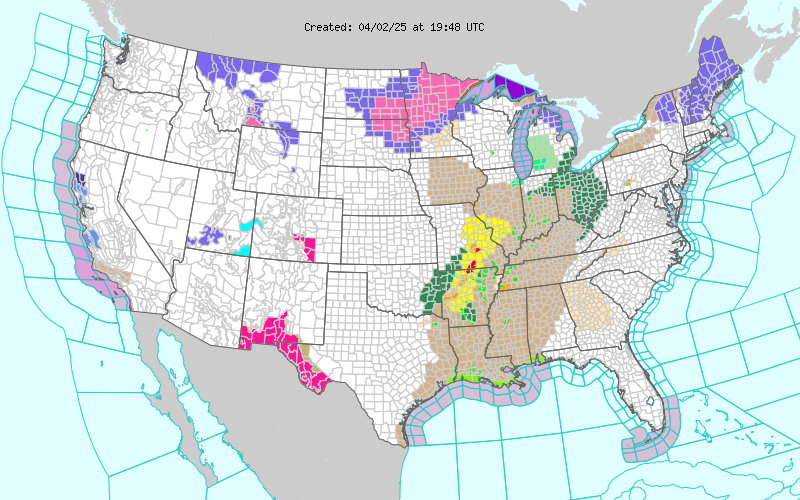
The image is a live image for the National Weather Service server. It gets updated on Real time.
Current Conditions Across the Eastern Zone
The morning of December 12th will greet many in the Eastern Zone with a distinct chill, as temperatures hover well below freezing across much of New England and dip into the low 30s further south. A strong high-pressure system appears to be firmly in control, ushering in a drier air mass that promises abundant sunshine for most areas. This high-pressure dominance is the primary reason for the clear conditions and the relatively light precipitation outlook, save for a few localized exceptions.
Wind patterns will vary, with some coastal areas and higher elevations experiencing brisker breezes that will make the already cold temperatures feel even more penetrating due to the wind chill factor. Inland regions, particularly in river valleys, might experience calmer winds, but also a greater propensity for early morning frost or even localized fog patches as moisture settles in the cold air. The overall picture is one of stable, cold winter weather, ideal for those who appreciate the crispness of the season but demanding respect for its inherent challenges.
Detailed Regional Forecast: December 12, 2025
Let's break down the forecast for various key cities and regions within the Eastern Zone, providing a clearer picture of what to expect throughout the day.
New England & Upstate New York
- Boston, MA: Expect a chilly start with temperatures around 21°F in the morning, climbing to a high of 30°F by evening. Winds will be noticeable, around 18 mph, making it feel colder. Skies will be sunny in the morning, transitioning to clear by evening.
- Worcester, MA: Similar to Boston, Worcester will see morning temperatures near 18°F, rising to 26°F. Winds will be around 17 mph. Abundant sunshine is forecast for the day, with mostly clear skies after sunset.
- Springfield, MA: A crisp morning at 20°F, reaching 28°F in the evening. Winds will be moderate at 14 mph. Expect sunny conditions through the day, becoming partly cloudy later.
- Providence, RI: Starting at 23°F, temperatures will reach 29°F. Winds will be lighter at 13 mph in the morning, dropping to 9 mph. Sunny skies will dominate, turning mostly clear at night.
- Hartford, CT: Morning lows around 21°F, peaking at 27°F. Winds will be around 10 mph, easing to 8 mph. Full sunshine is expected, giving way to mostly clear conditions.
- New Haven, CT: Temperatures will range from 24°F in the morning to 29°F by evening. Winds will be 10 mph, decreasing to 5 mph. Expect sunny conditions throughout the day, becoming mostly clear overnight.
- Bridgeport, CT: A morning temperature of 24°F, rising to 30°F. Winds will be around 13 mph, dropping to 6 mph. Sunny skies are in the forecast, turning mostly clear by night.
- Portland, ME: Colder up north, with morning temperatures near 22°F, climbing to 27°F. Winds will be brisk at 20 mph, settling to 15 mph. Expect partly sunny conditions, becoming mostly clear.
- Bangor, ME: The coldest spot reported, starting at a brisk 15°F and reaching only 20°F. Strong winds at 22 mph in the morning will make it feel even colder, easing to 12 mph. Mostly sunny conditions are expected, turning mostly clear.
- Buffalo, NY: Morning temperatures around 22°F, reaching 26°F. Winds will be around 10 mph, dropping to 9 mph. While sunny through the day, Buffalo has a "Chance Snow Showers" forecast for the evening, a localized event worth noting for western New York.
Mid-Atlantic States
- New York, NY: A morning temperature of 27°F, rising to 33°F by afternoon. Winds will be steady at 14-15 mph. Expect mostly clear skies transitioning to full sunshine.
- Jersey City, NJ: Similar to NYC, starting at 26°F and reaching 34°F. Winds will be around 13-14 mph. Mostly clear skies will give way to sunny conditions.
- Newark, NJ: Morning temperatures around 24°F, climbing to 33°F. Winds will be moderate at 9-10 mph. Mostly clear skies are expected, becoming sunny.
- Wilmington, DE: Starting at 27°F, warming to 36°F in the afternoon. Winds will be lighter at 10 mph, easing to 5 mph. Expect partly cloudy skies, becoming mostly sunny.
- Baltimore, MD: The warmest of the reported cities, with a morning temperature of 30°F, reaching 33°F. Winds will be very light, 3 mph in the morning, dropping to 1 mph by evening. Partly sunny conditions are expected, becoming mostly clear.
Understanding the December Chill: Meteorological Context
The clear, cold conditions dominating the Eastern Zone on December 12th are characteristic of a strong, expansive high-pressure system. These systems typically bring stable atmospheric conditions, suppressing cloud formation and precipitation. When such a high-pressure cell descends from Canada or the Arctic, it ushers in a mass of cold, dry air. This particular setup suggests an Arctic air mass has settled over the region, leading to the frigid temperatures we're observing.
Historically, December in the Eastern United States is a transitional month, marking the full onset of winter. While snow is common, particularly in the northern parts, clear and cold days are also a staple. The lack of significant snowfall across most of the region for this particular day means that any existing snow cover from previous events will likely persist, enhancing the cold by reflecting solar radiation. For areas like Buffalo, the "Chance Snow Showers" highlights the influence of lake effect snow, a common phenomenon in late fall and early winter when cold air passes over the relatively warmer waters of the Great Lakes.
Travel Advisories and Commuting Concerns
While no major weather alerts are in effect, the cold temperatures present their own set of travel challenges. For commuters, the primary concern will be the potential for black ice, especially on untreated roads, bridges, and overpasses during the overnight and early morning hours. Even with sunny skies during the day, any residual moisture from previous days or melting frost can refreeze rapidly as temperatures plummet after sunset.
- Road Conditions: Drive with extra caution, allowing for increased stopping distances. Check tire pressure, as cold weather can cause it to drop. Ensure your vehicle's fluid levels are adequate and that your battery is in good health, as cold temperatures can strain it.
- Pedestrian Safety: Sidewalks and pathways can also be slippery. Wear appropriate footwear with good traction.
- Air Travel: For air travelers, the clear skies are generally favorable. However, extreme cold can sometimes lead to minor delays due to de-icing procedures or equipment needing extra time to warm up. Always check with your airline for the latest flight status before heading to the airport.
- Public Transportation: While generally reliable, public transport might experience minor delays if equipment is affected by the cold. Dress warmly if you rely on buses or trains.
Agricultural Impact and Considerations
The agricultural sector in the Eastern Zone will be closely monitoring these cold temperatures. While many field crops are dormant by December, the persistent chill can still have significant implications.
- Orchards and Perennials: Fruit trees and other perennial crops are typically hardy in winter, but extreme or prolonged cold snaps, especially without adequate snow cover, can stress dormant plants. Young trees or those recently planted might be more vulnerable.
- Livestock Management: Farmers with livestock will need to ensure animals have adequate shelter, dry bedding, and access to unfrozen water. Increased feed rations may be necessary to help animals maintain body heat. Protecting water lines from freezing is also a critical task.
- Farm Infrastructure: Cold weather can wreak havoc on farm equipment, irrigation systems, and plumbing. Draining water lines, insulating pipes, and ensuring fuel tanks are full to prevent condensation are standard winter precautions that become even more vital during such cold spells.
- Greenhouses and High Tunnels: Growers utilizing greenhouses or high tunnels for winter production will need to ensure heating systems are fully operational and insulation is maximized to protect sensitive crops from freezing.
The relatively dry conditions, while keeping roads clearer, also mean that any potential for insulating snow cover is absent, leaving the ground more exposed to the deep freeze.
Health and Safety: Staying Warm and Safe
With temperatures well below freezing for extended periods, personal safety becomes paramount. The risk of cold-related illnesses such as hypothermia and frostbite increases significantly.
- Layer Up: When heading outdoors, dress in layers. A base layer to wick away moisture, an insulating middle layer, and a waterproof/windproof outer layer are ideal. Don't forget hats, gloves, and warm, waterproof footwear.
- Limit Exposure: Minimize time spent outdoors, especially during the coldest parts of the day or if winds are high.
- Recognize Symptoms: Be aware of the signs of hypothermia (shivering, confusion, slurred speech) and frostbite (numbness, waxy skin, discoloration). Seek medical attention immediately if symptoms appear.
- Home Heating Safety: Ensure your heating systems are in good working order. If using alternative heating sources like space heaters or fireplaces, follow all safety guidelines. Always have working carbon monoxide detectors and smoke alarms. Never use ovens or grills to heat your home.
- Check on Vulnerable Populations: Take a moment to check on elderly neighbors, friends, or family members who might be more susceptible to the cold. Ensure they have adequate heat and supplies.
- Pet Safety: Bring pets indoors. If they must be outside for short periods, ensure they have warm, dry shelter and access to unfrozen water.
Looking Ahead: Beyond December 12th
While the immediate forecast for December 12th points to a cold but generally clear day, the dynamics of winter weather in the Eastern Zone are always evolving. This current pattern of high pressure and cold, dry air is likely to persist for at least another day or two, maintaining the frigid temperatures. However, meteorologists will be closely watching for the next system. Any shift in the high-pressure ridge could open the door for moisture to return, potentially bringing snow or mixed precipitation as temperatures remain cold enough for frozen precipitation.
Residents should continue to monitor local forecasts for any changes, especially as we head deeper into the winter season. The current clear conditions offer a temporary reprieve from significant snowfall, but the underlying cold air mass sets the stage for potential winter storms should moisture return to the region in the coming days. This forecast serves as a timely reminder that while beautiful, winter in the Eastern Zone demands constant vigilance and preparedness.
Conclusion: Embrace the Winter Chill Responsibly
December 12, 2025, promises a classic winter's day across the Eastern Zone: cold, crisp, and largely sunny. From the chilly coasts of Maine to the relatively milder (but still cold) Mid-Atlantic, the dominant theme is one of stable, dry air under the influence of a strong high-pressure system. While the absence of widespread severe weather alerts is welcome news, the persistent sub-freezing temperatures necessitate careful planning and adherence to safety guidelines.
Whether you're commuting, managing a farm, or simply enjoying the seasonal beauty, understanding the forecast and taking proactive steps for warmth and safety are crucial. This day offers a perfect opportunity to appreciate the serene side of winter, provided we approach it with the respect and preparedness it demands. Stay warm, stay safe, and enjoy the crisp beauty of the Eastern Zone's winter landscape.
This post is created using the public data provided by the National Weather Service. Please check the Original source for more information.

Comments
Post a Comment
Please leave a comment.