Eastern Zone Winter Chill: Detailed Forecast & Preparedness (Dec 11-12, 2025)
Eastern Zone Winter Chill: Detailed Forecast & Preparedness (Dec 11-12, 2025)
As the heart of December settles in, the Eastern Zone of the United States is bracing for a quintessential winter experience, characterized by crisp, cold air and predominantly clear skies. From the bustling metropolitan areas of New England down to the mid-Atlantic, residents can expect a significant drop in temperatures, particularly during overnight hours, as a strong high-pressure system dominates the weather pattern. This forecast, spanning December 11th and 12th, 2025, promises a period of stable, albeit chilly, conditions with minimal precipitation, offering a classic snapshot of early winter in this diverse region.
While the absence of widespread severe weather alerts is certainly good news, the persistent cold, coupled with varying wind speeds, necessitates a heightened awareness for personal safety, travel planning, and property protection. Our comprehensive analysis delves into specific city forecasts, historical climate patterns, agricultural considerations, and crucial preparedness strategies to help you navigate the days ahead with confidence and comfort.
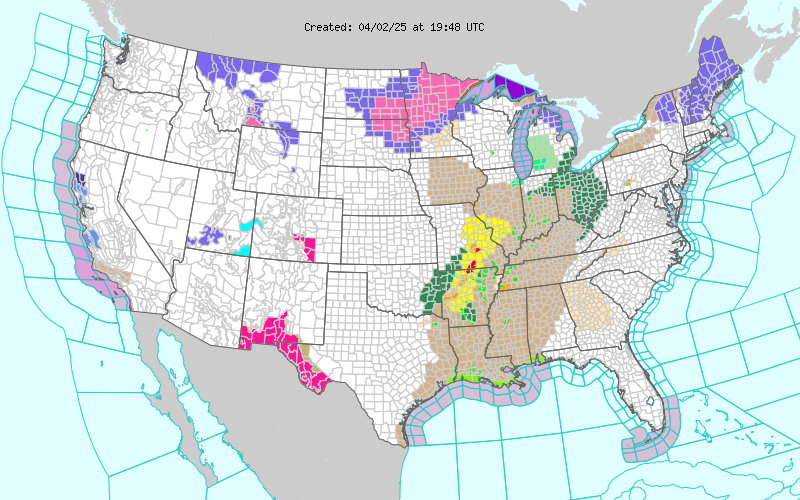
The image is a live image for the National Weather Service server. It gets updated on Real time.
Eastern Zone Weather Outlook: A Chilly December Mid-Week
The overarching theme for the Eastern Zone this mid-December is undeniable cold. Temperatures across the region will generally hover in the 20s and low 30s Fahrenheit during the day, plummeting into the teens and even single digits in some northern and inland areas overnight. These conditions are typical for this time of year, signaling the full embrace of winter's grip. The primary driver of this cold snap is a dry, arctic air mass that has settled over the eastern seaboard, ushering in clear skies but also efficient radiational cooling, especially after sunset.
Wind patterns will play a crucial role in how these cold temperatures feel. While many areas will experience moderate breezes, some coastal locations and higher elevations could see stronger gusts, pushing wind chill values significantly lower than the actual air temperature. It's a classic scenario where "feels like" temperatures become paramount for outdoor planning. Fortunately, major storm systems are absent from the immediate forecast, leading to largely tranquil, albeit frigid, conditions.
Current Conditions: A Snapshot Across the Northeast
Let's take a closer look at what various cities in the Eastern Zone are experiencing and can expect:
- New England Core: Cities like Boston, MA, will see daytime highs around 32°F on December 11th, under sunny skies, dropping to 24°F overnight with mostly clear conditions. Winds will be moderate, around 13-16 mph. Providence, RI, and Springfield, MA, will follow a similar pattern, with temperatures in the upper 20s to low 30s during the day, falling into the low 20s overnight.
- Northern Outposts: Further north, Portland, ME, and especially Bangor, ME, will experience the coldest temperatures. Bangor is forecasted to be a brisk 14°F overnight on December 11th, with winds up to 20 mph, making it feel significantly colder. Daytime temperatures for December 12th will only reach the low 20s. Portland will be slightly milder but still very cold, with overnight lows around 22°F and strong winds reaching 20 mph.
- New York & Mid-Atlantic: New York City, NY, and its surrounding areas like Jersey City, NJ, and Newark, NJ, will see temperatures in the upper 20s to low 30s. NYC is notable for stronger winds, peaking at 21 mph on December 11th, contributing to a substantial wind chill, before moderating to 14 mph on the 12th. Wilmington, DE, and Baltimore, MD, will be among the "warmest" spots, with highs reaching 35°F on December 12th, under mostly sunny to partly sunny skies, and lighter winds around 6-10 mph.
- Western New York: Buffalo, NY, stands out with a "Slight Chance of Snow Showers" on the evening of December 11th, though temperatures will be cold at 18°F. By December 12th, Buffalo will clear up to sunny skies with temperatures climbing to 25°F.
Delving Deeper: The Hourly Forecast for Key Cities
Understanding the hourly progression of weather can be critical for planning. Let's break down the conditions for some major population centers:
Boston, MA
- December 11th, 12:00 PM EST: Sunny, 32°F, wind 16 mph. A bright but chilly afternoon perfect for brisk walks, but bundle up!
- December 12th, 12:00 AM EST: Mostly Clear, 24°F, wind 13 mph. Overnight temperatures dip significantly, demanding proper insulation for homes and vehicles.
New York City, NY
- December 11th, 11:00 PM EST: Mostly Cloudy, 30°F, wind 21 mph. Strong winds will make the 30-degree air feel much colder, especially in open areas and skyscraper canyons.
- December 12th, 11:00 AM EST: Sunny, 30°F, wind 14 mph. Despite the sunshine, temperatures remain stubbornly in the low 30s, with a noticeable wind chill.
Buffalo, NY
- December 11th, 10:00 PM EST: Slight Chance Snow Showers, 18°F, wind 7 mph. While not a major storm, light snow is possible, creating slick spots.
- December 12th, 10:00 AM EST: Sunny, 25°F, wind 9 mph. Clearing skies bring brighter conditions, but the air remains frigid.
Portland, ME & Bangor, ME
- Portland, December 11th, 10:00 PM EST: Partly Cloudy, 22°F, wind 20 mph. The combination of cold and strong winds will create a biting wind chill.
- Portland, December 12th, 10:00 AM EST: Sunny, 23°F, wind 20 mph. Continued strong winds will keep the "feels like" temperature well into the teens.
- Bangor, December 11th, 11:00 PM EST: Mostly Cloudy, 14°F, wind 20 mph. This will be one of the coldest spots, with potentially dangerous wind chills.
- Bangor, December 12th, 11:00 AM EST: Mostly Sunny, 21°F, wind 24 mph. The highest wind speeds recorded in our data, making outdoor exposure risky without proper gear.
Mid-Atlantic Cities: Wilmington, DE & Baltimore, MD
- Wilmington, December 11th, 11:00 PM EST: Mostly Clear, 28°F, wind 10 mph. Cold but calm overnight.
- Wilmington, December 12th, 11:00 AM EST: Mostly Sunny, 35°F, wind 10 mph. Relatively milder conditions for the region, offering a slight reprieve from the deep chill further north.
- Baltimore, December 11th, 11:00 PM EST: Mostly Cloudy, 31°F, wind 6 mph. The warmest overnight low in our survey, with light winds.
- Baltimore, December 12th, 11:00 AM EST: Partly Sunny, 35°F, wind 6 mph. Similar to Wilmington, a milder day for the mid-Atlantic, but still requiring warm attire.
Understanding the Cold: Historical Context and Climate Patterns
December in the Eastern Zone is a transitional month, often oscillating between lingering autumn mildness and the biting cold of deep winter. This particular forecast leans heavily towards the latter, aligning with what many long-time residents consider a "classic" December cold snap. Historically, the Northeast and Mid-Atlantic regions are susceptible to intrusions of arctic air masses originating from Canada, especially as the polar vortex begins to strengthen and shift. While the polar vortex itself isn't directly over the region, its influence can push cold air southward, leading to these widespread chilly conditions.
The lack of significant precipitation, save for a slight chance of snow showers in Buffalo, is also characteristic of a dry, high-pressure system. Such systems typically bring clear skies and calm conditions, but they are also highly efficient at radiating heat away from the Earth's surface overnight, leading to those sharp temperature drops. Over the past few decades, while overall winter temperatures have shown a warming trend, periods of intense cold remain a regular feature, reminding us of the region's inherent climatic variability. This current forecast serves as a timely reminder that winter preparedness is not just for snowstorms, but for sustained periods of low temperatures as well.
Agricultural Impact: Protecting Winter Crops and Livestock
For the agricultural sector across the Eastern Zone, these cold temperatures are a critical factor. Many field crops are dormant by December, but perennial plants, overwintering vegetables, and livestock require careful management. Farmers in states like Maine, Vermont, Massachusetts, and New York are well-versed in winterizing their operations.
- Crop Protection: While most annual crops have been harvested, fruit orchards (apples, peaches) and berry farms (especially cranberries in Massachusetts) need protection. Young trees can be vulnerable to frost heave, and exposed roots can suffer damage. Growers often employ mulching techniques or even specialized coverings for sensitive plants.
- Livestock Care: Cold weather significantly increases the energy requirements for livestock. Farmers must ensure animals have adequate shelter from wind and precipitation, access to unfrozen water, and increased feed rations to maintain body temperature. Newborns or very young animals are particularly susceptible to hypothermia.
- Greenhouses and High Tunnels: For those growing cool-season vegetables or starting seedlings in protected environments, consistent heating and insulation are paramount. A sudden drop in temperature can lead to significant crop loss if systems fail.
- Maple Sugaring: While still early for the main sugaring season, the consistent cold helps the trees store starches, which are converted to sugar later. However, extreme cold can also freeze sap lines if not properly managed.
The clear skies, while beautiful, mean efficient radiational cooling, increasing the risk of ground frost, even if air temperatures are slightly above freezing during the day. This period of sustained cold is a test of winter resilience for the agricultural community, emphasizing the importance of robust infrastructure and proactive management.
Travel Advisories and Commuter Insights
While no major weather-related travel advisories are currently in effect, the cold temperatures and varying wind conditions warrant caution for anyone planning to travel or commute across the Eastern Zone.
- Road Conditions: Even without snow or ice, residual moisture from previous days or melting snow/ice can refreeze on road surfaces, especially on bridges and overpasses, creating black ice. This risk is highest during overnight and early morning hours when temperatures are at their lowest. Drivers should exercise extreme caution, reduce speed, and maintain greater following distances.
- Wind Impacts: Stronger winds, particularly in coastal areas like Portland, ME, and New York City, NY, can affect high-profile vehicles such as trucks, vans, and SUVs. Drivers of these vehicles should be prepared for sudden gusts that could make steering difficult.
- Vehicle Preparedness: Ensure your vehicle's anti-freeze is topped up, tires are properly inflated, and the battery is in good condition. Keep an emergency kit in your car, including blankets, a first-aid kit, a flashlight, jumper cables, and a fully charged cell phone.
- Public Transportation: While generally less affected by cold, extreme temperatures can sometimes impact rail lines (due to expansion/contraction) or bus operations. Check with local transit authorities for any potential delays or service adjustments.
- Airport Operations: Although clear skies are expected, persistent cold can lead to longer de-icing procedures for aircraft, potentially causing minor delays at major airports like Boston Logan (BOS), New York JFK (JFK), Newark Liberty (EWR), and Philadelphia International (PHL). Passengers should check flight statuses before heading to the airport.
Commuters should allot extra time for their morning journeys, dress warmly, and be prepared for colder-than-usual conditions at bus stops or train platforms. Pedestrians should also be wary of icy patches on sidewalks.
Health and Safety: Staying Warm and Prepared
The primary health concern during this cold snap is exposure. Hypothermia and frostbite are real risks, even for short periods outdoors, especially when wind chill is a factor. Here are critical safety guidelines:
- Layer Up: Wear multiple layers of loose-fitting, lightweight clothing. A waterproof and windproof outer layer is essential. Don't forget hats, gloves or mittens, and warm, waterproof footwear.
- Protect Extremities: Your head, hands, and feet are most susceptible to heat loss and frostbite. Ensure they are well covered.
- Stay Hydrated and Nourished: Drink plenty of fluids (avoiding excessive caffeine and alcohol) and eat regular, warm meals to help your body produce heat.
- Limit Outdoor Exposure: Minimize time spent outdoors, especially during the coldest overnight and early morning hours. If you must be outside, take frequent breaks in a warm environment.
- Check on Vulnerable Populations: Elderly individuals, infants, and those with chronic illnesses are more susceptible to cold-related health issues. Check on neighbors, friends, and family who may be at risk.
- Pet Safety: Bring pets indoors. If they must be outside, ensure they have warm, dry shelter and access to unfrozen water.
- Carbon Monoxide Safety: If using alternative heating sources like space heaters or generators, ensure proper ventilation to prevent carbon monoxide poisoning. Never use a generator indoors or in an enclosed space. Test your carbon monoxide detectors.
Winter Preparedness: Essential Tips for Home and Vehicle
Proactive measures now can prevent significant headaches later:
- Home Heating: Ensure your heating system is in good working order. Clean or replace furnace filters. Consider having a professional inspection if you haven't recently.
- Insulation and Drafts: Check windows and doors for drafts and seal them if necessary. Proper insulation in attics and walls can significantly reduce heat loss.
- Pipes: Protect exposed pipes from freezing, especially in unheated areas like basements, crawl spaces, and exterior walls. Open cabinet doors under sinks to allow warm air to circulate. For prolonged extreme cold, consider letting faucets drip slowly.
- Smoke and Carbon Monoxide Detectors: Test all detectors and replace batteries if needed.
- Emergency Kit: Assemble an emergency kit for your home including blankets, non-perishable food, water, a battery-powered radio, flashlights, and extra batteries.
- Vehicle Winterization: Beyond the immediate travel tips, ensure your car is fully winterized. This includes checking antifreeze levels, tire pressure (which drops in cold weather), wiper blades, and having a full tank of gas. An emergency kit in your car is non-negotiable for winter travel.
Looking Ahead: Beyond the Next 24 Hours
While our immediate focus is on December 11th and 12th, preliminary indications suggest that the cold air mass will remain entrenched over the Eastern Zone for a few more days, gradually moderating as we approach the weekend. There are no strong signals for significant snowfall events in the immediate aftermath of this cold snap, but the persistent low temperatures mean that any minor precipitation could easily turn to ice. Residents should continue to monitor local forecasts for updates as conditions can evolve.
The long-range outlook for December suggests that while this cold snap is potent, it may not define the entire month. Periods of moderation are possible, but the underlying pattern for a classic Eastern winter remains a strong possibility. Staying informed and prepared will be key to enjoying the season safely.
Conclusion: Embrace the Winter Chill
The Eastern Zone is set for a few days of classic December cold, offering crisp air and mostly clear skies, perfect for appreciating the beauty of winter from a warm vantage point. While the lack of severe weather alerts provides some relief, the persistent low temperatures and varying winds demand respect and preparedness. By understanding the forecast, taking proactive steps for personal safety, home protection, and travel, residents can comfortably and safely navigate this chilly period.
Remember to layer up, check on your neighbors, and ensure your home and vehicle are ready for the demands of winter. Stay warm, stay safe, and enjoy the serene beauty of the Eastern Zone's winter embrace.
This post is created using the public data provided by the National Weather Service. Please check the Original source for more information.

Comments
Post a Comment
Please leave a comment.