Eastern Zone Winter Chill: Sunny Days, Frigid Nights Ahead
Eastern Zone Winter Chill: Sunny Days, Frigid Nights Ahead
As we approach the heart of winter, the Eastern Zone of the United States is bracing for a significant cold snap. From the rugged coast of Maine down to the Chesapeake Bay, residents should prepare for a period of crisp, clear days followed by remarkably frigid nights. This forecast, spanning December 12th and 13th, paints a picture of classic early winter conditions, characterized by high pressure bringing sunshine but also ushering in an arctic air mass. While major storm systems are absent from the immediate outlook, the sheer drop in temperature, especially after sunset, demands attention and preparation. Our comprehensive guide will delve into the specifics for major metropolitan areas, offer crucial safety advice, and explore the broader implications for agriculture and daily life across this diverse region.
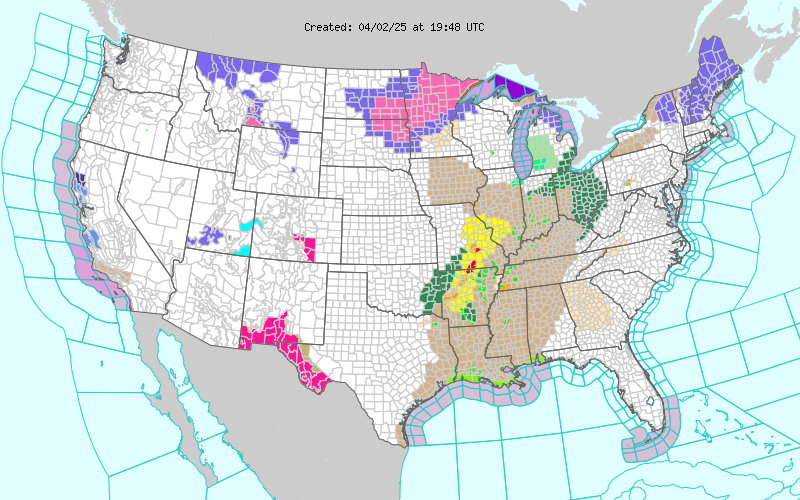
The image is a live image for the National Weather Service server. It gets updated on Real time.
Current Conditions: A Crisp Winter Preview Across the East
For the afternoon of Thursday, December 12th, the Eastern Zone is experiencing a widespread embrace of winter's chill. Daytime temperatures are notably below average for many areas, yet accompanied by abundant sunshine, making for visually stunning but brisk conditions. In the northern reaches, cities like Bangor, Maine, are feeling the full brunt of the cold, with temperatures hovering around a chilly 27°F. Further south along the Maine coast, Portland isn't far behind at 29°F, experiencing some of the highest wind speeds in the region at around 20 mph, which will make it feel even colder. Inland Massachusetts cities, such as Worcester and Springfield, are seeing temperatures in the low 30s, specifically 31°F and 33°F respectively, under mostly sunny skies with moderate winds.
Moving into the more densely populated corridor, Boston, MA, is experiencing a brisk 34°F with 14 mph winds, while Providence, RI, and New Haven, CT, are similarly cool at 34°F and 35°F, both enjoying sunny conditions and winds around 12-13 mph. The bustling metropolises of New York, NY, and its New Jersey neighbors, Newark and Jersey City, are also seeing temperatures in the mid-30s (34-35°F) with noticeable winds ranging from 10-14 mph, ensuring a proper winter feel for urban dwellers. Even as far south as Wilmington, DE, and Baltimore, MD, the chill is palpable, with temperatures at 37°F and 39°F respectively. Baltimore, while the warmest in our survey, is still under partly sunny skies with a gentler 6 mph breeze. Meanwhile, inland New York State in Buffalo is experiencing 31°F with 14 mph winds, setting the stage for some unique overnight weather.
Looking Ahead: Overnight Chill and Early Winter Grip
The true story of this forecast unfolds as we transition into the overnight hours and the early morning of Friday, December 13th. The clear skies that brought sunshine during the day will also allow for significant radiative cooling, causing temperatures to plummet across the entire Eastern Zone. This will result in some of the coldest temperatures of the season so far for many areas, making overnight preparedness paramount.
The mercury is expected to drop dramatically, with northern New England once again leading the chill. Bangor, Maine, is forecast to hit a brutal 17°F, while Portland, Maine, will see 22°F. Inland Massachusetts cities like Springfield and Worcester will fall to 21°F and 22°F, respectively, with winds calming to a whisper. Connecticut cities, including Hartford and New Haven, will experience lows of 23°F and 24°F, under mostly clear skies and minimal breezes, increasing the risk of frost and black ice on untreated surfaces.
Further south, the major population centers will also see a sharp decline. Boston, MA, is expected to reach 26°F, and Providence, RI, 25°F. The Tri-State area will be significantly colder than daytime, with New York, NY, dropping to 30°F, Newark, NJ, to 25°F, and Jersey City, NJ, to 28°F. These areas will see winds calm considerably, leading to mostly clear or partly cloudy conditions. Even the southernmost cities in our forecast, Wilmington, DE, and Baltimore, MD, will dip to 25°F and 30°F respectively, with winds becoming nearly nonexistent, highlighting the widespread nature of this cold air mass.
A notable exception to the generally clear overnight forecast is Buffalo, NY. While still cold at 25°F, Buffalo has a "Chance Snow Showers" forecast for the early morning hours. This is characteristic of lake-effect snow, where cold air passes over the relatively warmer waters of Lake Erie, picking up moisture and dropping it as snow downwind. While not a major storm, residents in Buffalo should be aware of the potential for localized accumulations and reduced visibility.
Regional Breakdown & Local Nuances
The Eastern Zone, while sharing a common cold air mass, exhibits distinct regional characteristics during this forecast period:
- Northern New England (Maine, New Hampshire, Vermont - though not explicitly in data, contextual): This area will experience the most intense cold, particularly overnight. The breezy conditions during the day in coastal Maine (Portland, Bangor) will contribute to significantly lower "feels like" temperatures. The clear skies are a blessing for stargazers but a warning for those unprepared for the deep freeze.
- Southern New England (Massachusetts, Rhode Island, Connecticut): A classic crisp winter day followed by a very cold night. Winds will be notable during the day, making urban environments feel colder. The overnight calm, combined with clear skies, is ideal for frost formation. Travel during early morning hours should account for potential black ice.
- Mid-Atlantic Corridor (New York, New Jersey, Delaware, Maryland): While still very cold, especially overnight, these areas will generally see slightly milder daytime temperatures compared to New England. Urban heat islands might offer a marginal buffer, but exposed areas will feel the full effect. The forecast for New York City and surrounding areas indicates a slightly higher overnight low (30°F) compared to some northern cities, but it's still well below freezing.
- Great Lakes Region (Buffalo, NY): Buffalo stands out due to the "Chance Snow Showers" overnight. This is a classic lake-effect scenario, where cold air streaming across Lake Erie can produce localized, intense snowfall bands. While the data suggests a chance, residents should monitor local advisories for potential impacts on travel and visibility around Buffalo.
Understanding these regional nuances is key to effective preparation. While the general theme is cold and clear, specific local conditions, especially regarding wind and potential lake-effect snow, require tailored attention.
Impacts on Daily Life & Travel
This cold snap, while not accompanied by widespread precipitation, will certainly have an impact on daily routines and travel across the Eastern Zone:
- Commuting: Roads are expected to be mostly clear, thanks to the lack of significant precipitation. However, the plummeting overnight temperatures mean that any moisture on roadways from melting snow patches, or even condensation, could refreeze into dangerous black ice, especially on bridges, overpasses, and shaded areas. Drivers should exercise extreme caution during early morning commutes.
- Outdoor Activities: For those planning outdoor activities, dressing in layers is crucial. Winter sports enthusiasts, hikers, and even those simply running errands should opt for insulated, wind-resistant clothing. Exposed skin can quickly become susceptible to frostbite in these conditions, particularly when combined with daytime winds.
- Travel: Air travel is unlikely to face weather-related delays due to this forecast, as clear skies generally prevail. However, ground travel, particularly on secondary roads and in rural areas, could be affected by black ice. Long-distance drivers should ensure their vehicles are winterized and carry an emergency kit.
- Energy Consumption: Expect a significant increase in heating demands across the region. Homeowners and businesses should ensure their heating systems are in good working order to cope with the sustained cold.
Agricultural Considerations During the Cold Snap
For the agricultural sector in the Eastern Zone, a cold snap like this, even without heavy snow, presents important considerations. While many crops are dormant during December, the extreme cold can still impact infrastructure, livestock, and perennial plants.
- Livestock Protection: Farmers with livestock must ensure adequate shelter, dry bedding, and access to unfrozen water. Energy requirements for animals increase significantly in cold weather, so feed rations may need to be adjusted. Young animals are particularly vulnerable to hypothermia.
- Orchards and Perennials: While fruit trees and other perennials are typically dormant and hardy, prolonged extreme cold, especially without a protective snow cover, can sometimes lead to winter injury. Growers should monitor temperatures closely, particularly in low-lying areas where cold air can settle.
- Farm Infrastructure: Freezing temperatures pose a risk to water lines, irrigation systems, and plumbing in barns and outbuildings. Farmers should ensure all exposed pipes are insulated or drained, and that heating systems in critical structures are functioning correctly. Fuel supplies for heating and generators should be checked.
- Soil Conditions: The deep freeze will solidify topsoils, potentially impacting future planting schedules if the ground remains frozen for an extended period. However, for now, the primary concern is the immediate protection of assets.
Proactive measures are key for farmers to mitigate potential losses and ensure the well-being of their operations during this cold period.
Historical Context: Winter's Embrace in the Eastern Zone
The Eastern Zone of the United States is no stranger to winter's icy grip. From the lake-effect snows of Buffalo to the nor'easters that frequently batter the New England coast, and the occasional ice storms of the Mid-Atlantic, the region experiences a diverse array of winter weather phenomena. This current forecast, characterized by clear skies and intense cold, represents a common pattern: the intrusion of a polar air mass following the passage of a cold front. Such events are a regular feature of December weather, often serving as a precursor to more significant winter storms later in the season.
Historically, the Northeast has seen some truly brutal cold snaps. The "Great Blizzard of 1888" brought not only immense snow but also incredibly low temperatures. More recently, events like the "Polar Vortex" outbreaks have demonstrated the region's vulnerability to arctic air masses. While this current forecast doesn't suggest records will be broken, it is a timely reminder of the region's climate history and the necessity of preparedness. The relatively calm winds overnight, despite the cold, will help mitigate wind chill factors compared to some historical events, but the absolute temperatures are still dangerously low.
Preparedness Tips for the Cold Snap
With temperatures set to plunge, especially overnight, taking proactive steps to ensure safety and comfort is paramount. Here are essential tips for residents across the Eastern Zone:
- Layer Up: When venturing outdoors, wear multiple layers of loose-fitting, lightweight clothing. Include a waterproof and windproof outer layer. Don't forget hats, gloves, and scarves to protect exposed skin.
- Home Heating: Ensure your heating system is in good working order. Check and replace furnace filters. Seal drafts around windows and doors. Consider setting your thermostat to a consistent, lower temperature to save energy and prevent pipes from freezing. Keep cabinet doors under sinks open to allow warmer air to circulate around pipes.
- Vehicle Preparedness:
- Check antifreeze levels and tire pressure (which drops in cold weather).
- Ensure your battery is in good condition; cold weather can significantly reduce its effectiveness.
- Keep your gas tank at least half full to prevent fuel lines from freezing.
- Assemble a winter emergency kit for your car: blankets, flashlight, first-aid kit, jumper cables, shovel, sand or kitty litter for traction, and a fully charged cell phone.
- Pet Safety: Bring pets indoors. If they must be outside for short periods, ensure they have adequate shelter and unfrozen water.
- Carbon Monoxide Awareness: If using alternative heating sources like fireplaces or space heaters, ensure proper ventilation. Never use a generator indoors or in an enclosed space. Install and check carbon monoxide detectors.
- Check on Neighbors: Elderly or vulnerable neighbors may need assistance during extreme cold. A quick check-in can make a significant difference.
- Stay Hydrated and Eat Well: Proper nutrition and hydration help your body regulate its temperature.
No Active Weather Advisories, But Caution is Key
Crucially, as of this forecast, there are no widespread severe weather advisories, warnings, or watches in effect for the Eastern Zone, apart from the localized "Chance Snow Showers" in Buffalo. This is good news, indicating no major blizzards, ice storms, or high wind events are anticipated. However, the absence of formal alerts does not diminish the inherent danger of such low temperatures. The primary threat comes from the sheer cold itself, and the potential for black ice on roadways, which can form even without active precipitation. Residents should remain vigilant and continue to monitor local weather updates for any changes, especially if traveling.
As the Eastern Zone settles into this cold snap, the emphasis remains on preparedness and awareness. Enjoy the crisp, clear beauty of an early winter day, but respect the profound chill that will descend each night. By taking simple, proactive steps, we can all navigate these frigid conditions safely and comfortably, looking forward to the vibrant winter season ahead.
This post is created using the public data provided by the National Weather Service. Please check the Original source for more information.

Comments
Post a Comment
Please leave a comment.