Eastern Zone Winter Forecast: Arctic Blast Grips Northeast
Arctic Chill Descends: Eastern Zone Braces for Frigid Conditions
As winter truly settles in, residents across the Eastern Zone are preparing for a significant cold snap. A potent Arctic air mass is poised to sweep through the region, bringing dramatically lower temperatures, brisk winds, and mostly clear skies following a period of evening cloudiness. From the bustling streets of New York City to the rugged coastlines of Maine, the forecast for late Sunday into Monday morning, December 8th, 2025, calls for a sharp reminder that winter is here to stay. This detailed forecast will equip you with the knowledge to navigate the impending chill, offering insights into current conditions, what to expect, and crucial preparedness advice.
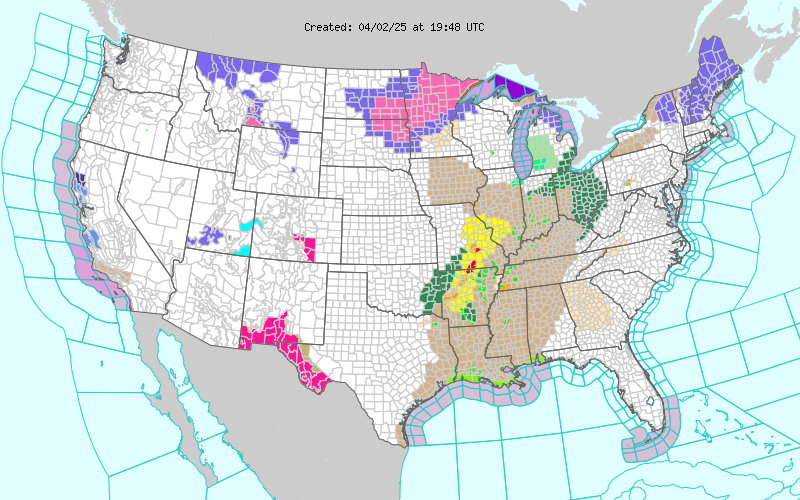
The image is a live image for the National Weather Service server. It gets updated on Real time.
Current Conditions Across the Eastern Zone: Sunday Evening, December 7th
As Sunday evening progresses, a patchwork of sky conditions and varying temperatures defines the Eastern Zone. A cold front is actively pushing through, and its influence is already being felt, particularly in the northern reaches of the region. Most areas are experiencing temperatures ranging from the low 30s to the low 40s Fahrenheit, with winds generally light, setting the stage for a much colder night.
- Southern New England & Mid-Atlantic: Cities like New York, NY, Jersey City, NJ, and Newark, NJ are reporting temperatures in the upper 30s to low 40s, accompanied by mostly cloudy skies and light breezes around 7-9 mph. Further south, Wilmington, DE, and Baltimore, MD, are seeing temperatures in the mid-30s with mostly cloudy conditions and very light winds (3-5 mph).
- Central New England: In areas such as Boston, MA, Bridgeport, CT, and New Haven, CT, temperatures are hovering in the low to mid-30s. Boston and New Haven are mostly cloudy with light winds, while Bridgeport reports partly cloudy skies. Inland, Hartford, CT, Providence, RI, Springfield, MA, and Worcester, MA, are already experiencing colder air, with temperatures in the upper 20s to low 30s under mostly clear skies, indicating the clearing trend is starting here first.
- Northern New England & Western NY: The coldest evening temperatures are found here. Buffalo, NY, is at 22°F with partly cloudy skies and a 7 mph wind. Up in Maine, Portland, ME, is 33°F and mostly cloudy with a 10 mph wind, while Bangor, ME, is already quite chilly at 21°F, experiencing light snow with a gentle 3 mph breeze.
These conditions are a direct precursor to the significant drop in temperatures expected overnight and into Monday. The light snow in Bangor is a harbinger of the moisture being wrung out of the atmosphere as the colder, drier air mass moves in.
Looking Ahead: Your Monday Morning Forecast, December 8th
Monday morning will usher in a decidedly colder and clearer day for much of the Eastern Zone. The Arctic air mass will be firmly entrenched, bringing frigid temperatures and noticeably stronger winds, which will make it feel even colder due to significant wind chill values. While no specific wind chill values are provided in the data, the combination of dropping temperatures and increasing winds strongly suggests that exposed skin will be at risk of frostbite within a relatively short period.
- Widespread Clearing and Sunshine: A welcome sight for many will be the return of sunshine. Most of the region, including major metropolitan areas like Boston, MA (21°F, 12 mph wind), New York, NY (29°F, 16 mph wind), Jersey City, NJ (29°F, 16 mph wind), and Newark, NJ (27°F, 17 mph wind), will wake up to mostly sunny or sunny skies. This clear weather, while beautiful, is a direct result of the dry, cold air mass pushing out any lingering moisture.
- Frigid Temperatures: Expect a widespread freeze. Temperatures will struggle to rise much above the low 30s, even in the southernmost parts of the zone. Many areas will remain in the 20s. Bangor, ME, will be particularly frigid at 15°F with a brisk 16 mph wind. Portland, ME, will drop to 20°F with a strong 20 mph wind. Even cities further south like Hartford, CT, and Providence, RI, will see temperatures in the mid-20s (26°F) with winds around 12 mph.
- Increasing Winds: The most notable change will be the increase in wind speeds. Many areas will experience winds between 10-20 mph. This will create significant wind chill effects, making the already cold air feel even more bitter. Coastal areas, in particular, may feel the brunt of these stronger winds.
- Lingering Clouds: A few exceptions to the widespread sunshine include Wilmington, DE (31°F, 10 mph wind), which is forecast to remain mostly cloudy, and Baltimore, MD (32°F, 10 mph wind), which will be cloudy. These areas might be on the southern fringe of the clearing trend, holding onto more moisture.
This will be a morning where dressing in layers, protecting exposed skin, and allowing extra time for travel are not just recommendations, but necessities.
Understanding the Atmospheric Dynamics: Why This Cold Snap?
The dramatic shift in weather across the Eastern Zone is a classic example of a powerful cold front pushing through, followed by the advection of a deep Arctic air mass. Typically, these events in early December are driven by a strong high-pressure system building over central Canada, which then funnels frigid air southward and eastward across the Great Lakes and into the Northeastern United States. The initial cloudiness observed on Sunday evening is often associated with the frontal passage itself, as warmer, moister air is lifted ahead of the cold front. Once the front clears, the high-pressure system behind it brings stability, clear skies, and significantly colder, drier air.
This particular setup suggests a very dry air mass, which, combined with clear skies overnight, allows for maximum radiational cooling. This is the process where the Earth's surface cools rapidly by radiating heat into space without a cloud blanket to trap it, leading to the sharp overnight temperature drops we're seeing across the region. The increasing winds on Monday morning are a result of the pressure gradient between the departing low-pressure system (associated with the front) and the incoming strong high-pressure system. A tighter pressure gradient means stronger winds, further amplifying the sensation of cold.
Historically, early December cold snaps are not uncommon in the Eastern Zone. While the timing of such events can vary, periods of intense cold are a hallmark of the transition into meteorological winter. These cold fronts play a crucial role in the regional climate, often setting the stage for potential snow events later in the season as the cold air interacts with subsequent moisture-laden systems. Understanding these atmospheric dynamics helps us appreciate the intricate dance of weather patterns that shape our daily lives.
Impact on Daily Life and Travel
The impending cold and wind will undoubtedly have an impact on daily routines and travel plans across the Eastern Zone. While no specific weather advisories are currently in effect based on the provided data, the conditions warrant a high degree of caution and preparedness.
- Commuting Challenges: Morning commutes on Monday, December 8th, will be significantly colder. For those driving, watch out for potential black ice, especially on bridges, overpasses, and shaded roadways where any lingering moisture from Sunday's cloudiness or light precipitation (like in Bangor) could refreeze rapidly. Allow extra time for your journey, and ensure your vehicle is in good winter condition.
- Pedestrian and Outdoor Activity Risks: The combination of low temperatures and strong winds will create dangerously low wind chill values. Anyone spending time outdoors should dress in multiple layers, cover all exposed skin, and be aware of the risks of hypothermia and frostbite. This applies to waiting for public transportation, walking to work or school, or engaging in any outdoor recreation.
- Air Travel: While clear skies are forecast for most major airports, the increased winds could lead to some turbulence for flights, and ground crews will be working in very cold conditions. Passengers should check with their airlines for any potential delays or gate changes, though widespread disruptions due to this particular weather system are not anticipated given the clear skies.
- Marine and Coastal Concerns: Coastal communities and mariners should be particularly wary of the increased winds. Stronger winds over open water can quickly generate rough seas, posing risks to smaller vessels. Even on land, the wind can make outdoor work or activities near the water feel much more piercing.
It's a day to prioritize warmth and safety. Simple precautions can make a significant difference in preventing cold-related incidents.
Agricultural Implications for the Eastern Seaboard
For the agricultural sector across the Eastern Zone, a significant cold snap like the one forecast for December 8th carries specific implications, even as many crops are already dormant for the winter season. While the immediate threat to actively growing crops is minimal due to the time of year, attention shifts to overwintering plants, livestock, and farm infrastructure.
- Overwintering Crops: For hardy winter greens or cover crops that might still be in the ground in parts of the Mid-Atlantic, temperatures dipping into the low 20s and teens could cause damage or even kill off less resilient varieties if they lack adequate snow cover or insulation. Fruit trees, while dormant, are generally resilient to these temperatures, but extreme, prolonged cold without snow cover can sometimes impact root systems or bud development for the following spring.
- Livestock Management: Farmers with livestock will need to ensure animals have ample shelter from the wind and cold, as well as access to unfrozen water. Increased feed rations may be necessary to help animals maintain their body temperature in the frigid conditions. Young or vulnerable animals are particularly susceptible to cold stress.
- Farm Infrastructure: The primary concern for farm infrastructure during such a cold snap is frozen pipes. Water lines to barns, watering troughs, and irrigation systems that haven't been properly winterized are at high risk. Farmers will need to take proactive measures to insulate pipes, drain systems, or keep water flowing to prevent costly damage. Equipment stored outdoors may also be harder to start in extreme cold, requiring extra care and pre-heating.
- Stored Produce: For any produce still in storage facilities, maintaining consistent temperatures is critical. A sudden drop in ambient temperature could strain heating systems or lead to cold spots that might affect the quality of stored fruits and vegetables.
This cold snap serves as a timely reminder for farmers to review their winterization protocols and ensure all aspects of their operations are prepared for sustained periods of freezing weather.
Essential Preparedness Tips for the Winter Chill
With an Arctic air mass settling over the Eastern Zone, taking proactive steps to prepare yourself, your home, and your vehicle is paramount. Being prepared can prevent discomfort, danger, and costly damage.
- For Your Home:
- Check Heating Systems: Ensure your furnace or heating system is in good working order. Replace filters if needed.
- Prevent Frozen Pipes: Insulate exposed pipes, especially in basements, crawl spaces, and exterior walls. Open cabinet doors under sinks to allow warmer air to circulate around pipes. If temperatures drop severely, consider letting faucets drip slowly to keep water moving. Know how to shut off your main water supply in case of a burst pipe.
- Seal Drafts: Use weatherstripping or caulk to seal drafts around windows and doors. This will help keep warm air in and cold air out, reducing heating costs.
- Carbon Monoxide Detectors: With increased use of heating systems, ensure your carbon monoxide detectors are functioning correctly.
- For Your Personal Safety:
- Layer Up: Dress in multiple layers of warm clothing, including a base layer, an insulating middle layer, and a waterproof/windproof outer layer.
- Protect Extremities: Wear a hat, gloves or mittens, and a scarf to cover exposed skin. Frostbite can occur quickly in frigid, windy conditions.
- Footwear: Wear warm, waterproof boots with good traction to prevent slips on potential ice.
- Limit Outdoor Exposure: Minimize time spent outdoors, especially during the coldest parts of the day. If you must be outside, take frequent breaks in a warm place.
- Stay Hydrated and Eat Well: Proper nutrition and hydration help your body regulate temperature.
- For Your Vehicle:
- Check Fluids: Ensure antifreeze levels are adequate and windshield wiper fluid is topped off and rated for freezing temperatures.
- Tire Pressure: Cold weather causes tire pressure to drop, so check and inflate tires to recommended levels.
- Emergency Kit: Keep a winter emergency kit in your car, including blankets, a flashlight, extra warm clothes, jumper cables, a first-aid kit, and some non-perishable food.
- Battery Check: Cold weather is tough on car batteries. If your battery is old, consider having it tested.
By taking these steps, you can significantly enhance your safety and comfort during this intense cold snap.
A Glimpse Beyond: What's Next for the Eastern Zone?
While the immediate focus is on enduring this significant cold snap, the long-range outlook suggests that winter's grip is likely to persist. Following Monday's frigid conditions, temperatures may moderate slightly mid-week, but the overall pattern points towards a continuation of colder-than-average temperatures for the Eastern Zone heading into the second week of December. Forecasters will be closely monitoring the potential for subsequent weather systems to interact with this entrenched cold air, which could bring opportunities for significant wintry precipitation later in the month. For now, the emphasis remains on staying warm and safe as the Arctic blast truly settles in.
This is a time for diligence and community care. Check on elderly neighbors or those who may be vulnerable to the cold. Stay informed through reliable weather sources, and adjust your plans as necessary. The Eastern Zone is resilient, and with proper preparation, we can all navigate the challenges of winter's arrival.
This post is created using the public data provided by the National Weather Service. Please check the Original source for more information.

Comments
Post a Comment
Please leave a comment.