Eastern Zone Winter Forecast: Frigid Cold & Travel Advisories
Bracing for the Chill: Eastern Zone Weather Forecast & Winter Preparation
As the crisp air of early December settles across the Eastern Zone of the United States, residents are preparing for a significant shift towards more pronounced winter conditions. From the rugged coastlines of Maine down to the bustling urban centers of the Mid-Atlantic, a cold air mass is dominating the forecast, bringing clear skies for many but also ushering in frigid overnight temperatures. This detailed outlook provides essential information for planning your week, ensuring safety, and understanding the nuances of the season ahead.
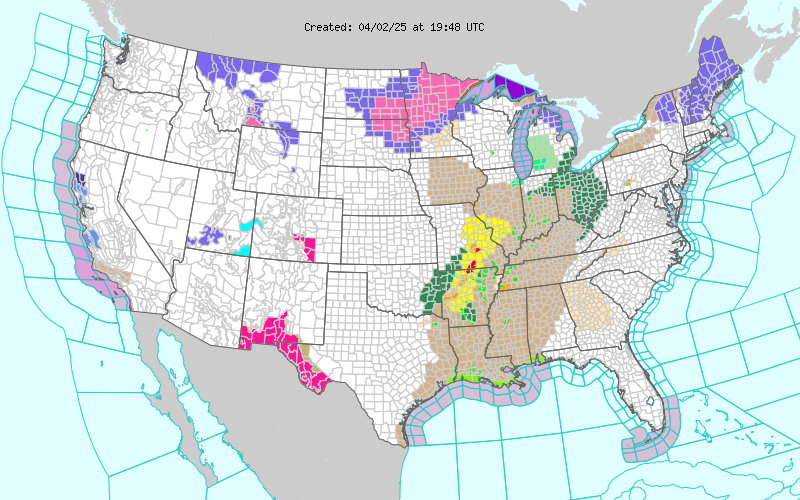
The image is a live image for the National Weather Service server. It gets updated on Real time.
Current Conditions & Daytime Outlook: Monday, December 8th
Today, Monday, December 8th, the Eastern Zone is experiencing a patchwork of conditions, predominantly characterized by cold temperatures and varying degrees of sunshine. A strong high-pressure system is largely responsible for the clear skies seen across much of New England and upstate New York, while a more persistent cloud cover holds sway over parts of the Mid-Atlantic.
- New England: Cities like Boston, MA, are enjoying brilliant sunshine with temperatures around 25°F and brisk winds at 13 mph. Further north, Portland, ME, is seeing sunny skies and 22°F with stronger winds at 15 mph, making it feel even colder. Bangor, ME, is the coldest spot in the region, with a chilly 17°F under sunny skies and 12 mph winds. Inland, Worcester, MA, and Springfield, MA, are also basking in sunshine, with temperatures ranging from 22°F to 24°F and winds between 8-12 mph. Providence, RI, is similarly sunny at 27°F with 12 mph winds.
- Connecticut & Upstate New York: Hartford, CT, and New Haven, CT, are experiencing partly to mostly sunny conditions, with temperatures hovering around 26-28°F and moderate winds of 9-10 mph. Bridgeport, CT, is slightly warmer at 28°F with 12 mph winds under partly sunny skies. In upstate New York, Buffalo, NY, is seeing mostly sunny skies and a milder 22°F with a light 2 mph breeze, indicating a less intense wind chill compared to coastal areas.
- New York City Metro & Mid-Atlantic: The immediate New York City metropolitan area presents a slightly different picture. New York, NY, is mostly cloudy with temperatures around 28°F and notable winds at 14 mph. Nearby, Newark, NJ, and Jersey City, NJ, are partly sunny, with temperatures of 28-29°F and winds around 10-12 mph. Further south, Wilmington, DE, is mostly cloudy at 27°F with 10 mph winds, while Baltimore, MD, is fully cloudy, reaching 32°F with 12 mph winds. The persistent cloud cover in these areas might be attributed to a lingering moisture boundary or a slower clearing trend following a frontal passage.
Overall, daytime conditions demand warm layering, especially for those spending extended periods outdoors. The wind, while not exceptionally strong in all areas, is certainly contributing to a noticeable wind chill factor, particularly in coastal New England and the New York City region. Despite the cold, the widespread sunshine for many offers a picturesque, albeit brisk, early winter day.
Overnight & Early Morning Outlook: Tuesday, December 9th
As Monday transitions into Tuesday morning, December 9th, the Eastern Zone will experience a significant drop in temperatures, with many areas plunging well below freezing. The clear skies that brought sunshine during the day will also allow for maximum radiational cooling overnight, leading to very cold conditions.
- New England: The deepest freeze will grip northern New England. Bangor, ME, is forecast to hit a truly frigid 0°F with calm winds, making it the coldest spot in the entire zone. Portland, ME, will drop to 7°F with 5 mph winds, and Worcester, MA, will see 8°F with a light 2 mph breeze. Other New England cities like Boston, MA (15°F, 5 mph), Providence, RI (14°F, 3 mph), and Hartford, CT (11°F, 1 mph), will all experience single-digit or low-teen temperatures. Mostly clear skies will prevail, meaning minimal cloud cover to trap any warmth.
- Connecticut & Upstate New York: Temperatures will also be very cold here. Springfield, MA, will reach 11°F, while Buffalo, NY, is forecast for 12°F. Coastal Connecticut cities like New Haven, CT (16°F, 5 mph) and Bridgeport, CT (17°F, 5 mph) will be slightly less severe but still well below freezing, under partly cloudy to mostly clear skies.
- New York City Metro & Mid-Atlantic: The urban heat island effect might offer a slight reprieve, but temperatures will still be very cold. Newark, NJ, is expected to drop to 18°F, Jersey City, NJ, to 21°F, and New York, NY, to 23°F. Winds will generally be lighter in these areas (3-9 mph), but the cold will still be biting. Further south, Wilmington, DE (25°F, 5 mph) and Baltimore, MD (25°F, 2 mph) will see temperatures drop to the mid-20s, with partly cloudy conditions.
This widespread freeze necessitates careful planning for overnight and early morning activities. Exposed pipes, outdoor pets, and sensitive plants will require protection. Commuters should anticipate icy patches on untreated roads, especially in shaded areas or on bridges and overpasses, as any residual moisture will freeze solid.
Regional Weather Breakdown & Local Nuances
Understanding the microclimates and regional variations within the vast Eastern Zone is crucial for accurate preparedness. While a broad cold air mass dominates, local factors significantly influence the daily experience.
Northern New England: The Deep Freeze
From Bangor to Portland, and extending inland to Worcester, this region will bear the brunt of the cold. The combination of clear skies and fresh arctic air will lead to some of the lowest temperatures recorded so far this season. The coastal areas, despite proximity to the ocean, will still feel the chill, especially with persistent winds. Inland valleys, like those around Worcester, are prone to radiational cooling, where heat escapes rapidly into the atmosphere, leading to exceptionally cold pockets. Residents here are well-versed in winter preparation, but even seasoned locals should not underestimate the potential for frostbite in exposed skin during the overnight hours when temperatures dip to single digits or even below zero.
Southern New England & Upstate New York: Crisp & Cold
Cities like Boston, Providence, Hartford, and Springfield, along with Buffalo, will experience a classic early December cold snap. Daytime sunshine will be a welcome sight, but the low sun angle means it offers little warmth. The wind will be a significant factor in perceived temperatures, particularly along the coast. Buffalo, often known for its lake-effect snow, appears to be spared any significant precipitation in this forecast, benefiting from the dry, high-pressure system. However, the potential for black ice remains a concern across all these areas as temperatures consistently remain below freezing for extended periods.
Mid-Atlantic Urban Corridor: Cloudier but Still Chilly
From New York City down to Baltimore, the forecast shows more persistent cloud cover, especially during the daytime. This cloud layer acts as a blanket, preventing temperatures from dropping as drastically overnight compared to the clearer New England skies, but it also limits daytime warming. While not as bone-chilling as Maine, temperatures in the 20s and low 30s Fahrenheit still demand respect. The dense urban environment, with its vast expanses of concrete and asphalt, retains some heat, but this effect is often localized. Commuters in this densely populated corridor should be wary of slick conditions, particularly on elevated roadways and bridges, which are often the first to freeze.
Impact on Travel: Navigating the Cold Front
Travelers across the Eastern Zone should exercise caution and plan ahead for Monday evening and Tuesday morning. While no major widespread storms are forecast, the cold temperatures themselves pose significant challenges.
- Road Conditions: The primary concern will be black ice. Any moisture on roads, even from melting snow patches or condensation, will freeze solid overnight as temperatures plummet. This is especially true on bridges, overpasses, and shaded sections of roadways. Drivers should reduce speed, increase following distance, and avoid sudden braking or steering maneuvers.
- Vehicle Preparedness: Ensure your vehicle's antifreeze levels are adequate, tires are properly inflated, and the battery is in good condition. Keep an emergency kit in your car, including blankets, a flashlight, jumper cables, and a fully charged cell phone.
- Air Travel: While direct weather delays are unlikely due to clear skies, extreme cold can sometimes affect ground operations at airports. Check with your airline for any potential minor delays, especially for early morning flights, due to de-icing procedures or equipment sensitivity to cold.
- Pedestrian Safety: Sidewalks and pathways can become treacherous. Wear appropriate footwear with good traction. Be mindful of falling ice from buildings or trees.
Agricultural Considerations in Early December
For the agricultural sector in the Eastern Zone, this cold snap marks a critical period. Most field crops have already been harvested, but livestock and overwintering crops still require attention.
- Livestock Protection: Farmers must ensure adequate shelter, bedding, and unfrozen water sources for all livestock. Young animals are particularly vulnerable to cold stress. Increased feed rations may be necessary to help animals maintain body temperature.
- Orchards and Perennials: While many fruit trees and perennial plants are dormant, extreme cold can still cause damage, especially if there's no insulating snow cover. Young trees or those recently planted are most at risk. Growers may consider methods like mulching around the base of sensitive plants to provide some insulation.
- Soil Conditions: The ground will begin to freeze solid in many areas, particularly in New England. This "frost line" can impact late-season construction or any ground-disturbing activities. For next year's planting, a good hard freeze can help break up soil clumps and reduce pest populations.
- Greenhouses and High Tunnels: Growers utilizing protected agriculture will need to closely monitor heating systems to maintain optimal temperatures for their crops, as heating costs will undoubtedly rise during this period.
Health and Safety Tips for Frigid Conditions
Protecting yourself and your loved ones during this cold snap is paramount. The low temperatures, especially overnight, pose risks that require proactive measures.
- Dress in Layers: The most effective way to stay warm is to wear multiple layers of clothing. Start with a moisture-wicking base layer, add insulating middle layers (fleece, wool), and finish with a waterproof and windproof outer layer. Don't forget hats, gloves, and warm socks.
- Stay Hydrated and Nourished: Your body works harder to stay warm in cold weather, so proper hydration and nutrition are essential. Warm beverages can help maintain core body temperature.
- Monitor for Frostbite and Hypothermia: Be aware of the signs of frostbite (numbness, white or grayish skin) and hypothermia (shivering, confusion, slurred speech). Seek immediate medical attention if these symptoms appear. Children and the elderly are particularly susceptible.
- Home Heating Safety: Ensure your heating system is in good working order. If using alternative heating sources like space heaters or fireplaces, follow all safety guidelines to prevent fires or carbon monoxide poisoning. Never use an oven to heat your home.
- Protect Pipes: Insulate exposed pipes, especially in unheated areas like basements or crawl spaces. Consider letting faucets drip slowly to prevent pipes from freezing and bursting.
- Pet Safety: Bring pets indoors. If they must be outside, ensure they have warm, dry shelter and access to unfrozen water.
Historical Context and Climate Trends
Early December in the Eastern Zone typically marks the true onset of winter's grip, following the often-variable temperatures of late autumn. While this forecast doesn't include extreme snowfall, the widespread sub-freezing temperatures and single-digit lows in northern areas are certainly indicative of a robust cold air mass characteristic of the season. Historically, December sees a significant drop in average temperatures, with increasing chances of frozen precipitation. The absence of major storm systems in this particular forecast suggests a relatively stable, albeit cold, atmospheric pattern, likely dominated by a strong high-pressure ridge. This type of pattern is common for bringing clear, crisp, and cold days to the region, often followed by even colder nights due to radiational cooling. Understanding these historical patterns helps residents appreciate the current weather within a broader climatic context, reinforcing the need for winter preparedness even when major storms are not on the immediate horizon.
Looking Ahead: Sustained Winter Chill
While this forecast focuses on the immediate 24-hour period, the overall pattern suggests that the Eastern Zone will remain under the influence of cold air for the foreseeable future. There are no indications of an immediate warm-up, meaning residents should continue to embrace winter preparedness as a daily routine. This sustained chill is a reminder that winter has arrived, and with it, the need for vigilance regarding heating, travel, and personal safety.
Stay informed by regularly checking local forecasts and advisories. Being prepared is the best defense against the challenges that winter weather can bring.
This post is created using the public data provided by the National Weather Service. Please check the Original source for more information.

Comments
Post a Comment
Please leave a comment.