Eastern Zone Winter Forecast: Snow, Frigid Temps & Travel Warnings
Eastern Zone Braces for Frigid Weekend: Snow, Gusty Winds, and Deep Freeze Expected
As the calendar turns towards mid-December, the Eastern Zone of the United States is gearing up for a classic winter weekend, bringing a mix of snow, biting winds, and significantly colder temperatures. From the northern reaches of Maine down through the Mid-Atlantic, residents should prepare for conditions that will certainly remind everyone that winter has arrived. This detailed forecast for December 14th and 15th, 2025, will help you navigate the challenging weather ahead, ensuring you stay safe and informed.
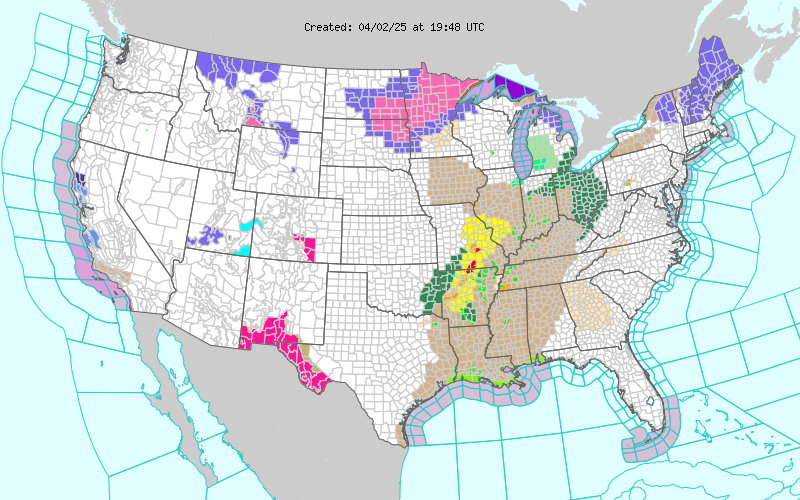
The image is a live image for the National Weather Service server. It gets updated on Real time.
A broad system is poised to sweep across the region, ushering in a noticeable drop in mercury and localized snowfall. While no severe weather alerts have been issued at this time, the combination of accumulating snow, particularly in New England, and plummeting temperatures across the entire zone necessitates careful attention and proactive preparation. We'll delve into the specifics for major metropolitan areas, discuss potential impacts on travel and agriculture, and provide critical advice to keep you and your loved ones secure.
Current Conditions and Immediate Outlook (Saturday, December 14th)
Saturday, December 14th, is setting the stage for the cold snap. Many areas are already experiencing or will soon see the onset of precipitation, primarily in the form of snow or light snow. Temperatures across the Eastern Zone will generally hover in the upper 20s to low 30s Fahrenheit during the day, making for ideal conditions for snow accumulation.
- New England: Cities like Boston, MA, anticipate light snow with temperatures around 32°F, accompanied by moderate winds of 6 mph. By evening, conditions will transition to mostly cloudy with temperatures dropping to 21°F and winds picking up to 18 mph. Springfield, MA, and Hartford, CT, are also likely to see light snow early in the day, with daytime highs around 29°F. Further north, Portland, ME, expects snow with winds at 15 mph and a daytime high of 29°F, while Bangor, ME, has a slight chance of light snow at 27°F.
- Mid-Atlantic: The situation here is a bit more varied. Wilmington, DE, is bracing for areas of blowing snow with temperatures around 29°F and strong winds at 15 mph. Further south, Baltimore, MD, will see partly sunny skies with temperatures around 29°F, but strong winds reaching 20 mph will make it feel much colder.
- New York Tri-State Area: This densely populated corridor will experience a chance of snow showers. New York, NY, Newark, NJ, and Jersey City, NJ, all anticipate slight chances of snow showers, but the most notable factor will be the significant wind speeds, ranging from 20-22 mph, making conditions feel exceptionally raw even with daytime temperatures in the upper 20s. New Haven, CT, and Bridgeport, CT, will also see chances of snow showers with temperatures around 28-29°F and winds between 16-18 mph.
- Western New York: Buffalo, NY, will be on the colder side, with a chance of snow showers and a daytime high of only 19°F, accompanied by 12 mph winds.
The key takeaway for Saturday is the widespread potential for light snow, particularly in New England, and the consistent presence of brisk to strong winds across the entire Eastern Zone. These winds will be a significant factor in perceived temperatures and will contribute to blowing and drifting snow in areas that receive accumulation.
Looking Ahead: The Overnight Chill and Sunday's Frigid Grip (December 15th)
As Saturday transitions into Sunday, December 15th, the weather system will largely move out, leaving behind a frigid air mass that will dominate the region. Overnight temperatures will plummet dramatically, with many areas seeing lows well into the teens, and some even reaching single digits when factoring in wind chill.
- New England: Overnight lows will be stark. Worcester, MA, will drop to 13°F, while Providence, RI, hits 17°F. Boston, MA, will reach 21°F, but with winds still gusting up to 18 mph, the wind chill will be significantly lower. Portland, ME, and Bangor, ME, will experience lows of 17°F and 13°F respectively, with continued winds. Conditions will generally be mostly clear or partly cloudy as the snow departs.
- Mid-Atlantic: Wilmington, DE, will see a low of 19°F, and Baltimore, MD, will cool to 20°F, both under mostly clear skies but still contending with noticeable winds.
- New York Tri-State Area: The cold will be intense here. New York, NY, is forecast for 21°F, Newark, NJ, 17°F, and Jersey City, NJ, 19°F. Crucially, winds will remain strong, ranging from 21-23 mph in these areas, exacerbating the cold and creating dangerously low wind chill values. Most locations will be mostly clear.
- Western New York: Buffalo, NY, will be the coldest of the major cities listed, with an overnight low of 12°F, though winds will diminish to 5 mph, offering a slight reprieve from the wind chill compared to further east.
Sunday morning will greet residents with bright but bitter cold conditions. The lingering effects of strong winds will make outdoor activities challenging and potentially hazardous without proper precautions. Frostbite can occur quickly in such conditions, especially with strong winds. The focus shifts from precipitation to enduring the deep freeze.
Understanding Temperature Trends and Wind Chill
While the actual air temperatures for Saturday and Sunday are undeniably cold, it's the wind chill that truly defines the experience of this winter system. Wind chill is the perceived decrease in air temperature felt by the body on exposed skin due to the flow of air. When strong winds, like those forecast for the Eastern Zone, combine with already low temperatures, the wind chill can make it feel 10 to 20 degrees colder than the thermometer indicates.
For example, New York City's forecast of 21°F overnight with 23 mph winds could result in a wind chill value well into the single digits, or even below zero. This is a critical factor for anyone planning to be outdoors, even for short periods. Exposed skin can become susceptible to frostbite in a matter of minutes under such conditions. Always check local wind chill advisories and dress in layers, covering all exposed skin, especially hands, face, and ears.
Winter Travel Advisories and Road Safety
Travel across the Eastern Zone will be impacted by this weather system. For Saturday, areas experiencing light snow, particularly in New England and parts of the Mid-Atlantic, will see reduced visibility and potentially slick road conditions. Even a light dusting of snow can lead to black ice, especially on bridges and overpasses, which freeze faster than regular roadways.
- Road Conditions: Expect slushy or snow-covered roads in areas like Boston, Springfield, Hartford, and Portland. The I-95 corridor through Connecticut, Rhode Island, and Massachusetts could be particularly challenging. Further south, even without heavy snow, blowing snow in places like Wilmington, DE, can significantly reduce visibility.
- Wind Hazards: Strong crosswinds, especially along open stretches of highway and bridges, will be a concern for high-profile vehicles. Drivers should maintain extra vigilance and a firm grip on the steering wheel.
- Overnight Freezing: As temperatures plummet Saturday night, any melted snow or wet patches on roads will refreeze, creating widespread black ice conditions. This will make Sunday morning commutes treacherous, even if skies are clear.
- Air Travel: While not explicitly stated, winter weather in major hubs like Boston, New York (JFK, LGA, EWR), and Philadelphia can lead to flight delays and cancellations. Travelers should check with their airlines for the latest updates.
Essential Travel Tips:
- Slow Down: Reduce speed significantly, especially on potentially slick surfaces.
- Increase Following Distance: Allow much more space between your vehicle and the one in front of you.
- Avoid Sudden Movements: Brake, accelerate, and turn gently.
- Check Tires: Ensure your tires are properly inflated and have good tread. Winter tires are highly recommended.
- Emergency Kit: Keep an emergency kit in your car with blankets, a shovel, sand/salt, jumper cables, a flashlight, and extra warm clothing.
- Stay Informed: Monitor local news and traffic reports before heading out.
Agricultural Impact and Considerations
For the agricultural sector in the Eastern Zone, this cold snap presents several considerations. While most harvesting is complete by mid-December, the sudden drop in temperatures and potential for snow can still impact operations.
- Livestock: Farmers with livestock must ensure adequate shelter and access to unfrozen water. Increased feed may be necessary to help animals maintain body heat in the frigid conditions. Young and vulnerable animals are particularly susceptible to cold stress.
- Equipment Protection: Freezing temperatures necessitate draining water from irrigation systems, pumps, and other outdoor equipment to prevent pipes from bursting. Storing sensitive machinery indoors or covering it securely is crucial.
- Winter Crops/Cover Crops: Any late-season cool-weather crops or newly established cover crops will need to withstand these conditions. While many are hardy, prolonged deep freezes can still cause damage.
- Orchards and Vineyards: While dormant, extreme cold without sufficient snow cover can sometimes be detrimental to root systems of perennial crops. Farmers will be monitoring conditions closely.
The cold weather is a timely reminder for farmers to finalize their winter preparations, securing infrastructure and ensuring the well-being of their animals and land through the colder months ahead.
Historical Context of Winter Weather in the Northeast
The Eastern Zone, particularly New England and the Mid-Atlantic, is no stranger to severe winter weather. Historically, December often marks the true beginning of winter's grip, with cold air masses frequently descending from Canada and interacting with moisture-laden systems off the Atlantic. Blizzards, ice storms, and prolonged periods of sub-freezing temperatures are all part of the region's climate history.
Notable events like the Great Blizzard of 1888, the Blizzard of '78, and more recent significant snowstorms have shaped the region's resilience and infrastructure. While this weekend's forecast doesn't suggest a record-breaking event, it aligns with typical December patterns, serving as a reminder of the region's inherent vulnerability to winter's unpredictable nature. Understanding this historical context helps residents appreciate the importance of consistent preparedness, regardless of the severity of any single forecast.
Essential Preparedness Tips for the Frigid Weekend
With cold temperatures and potential snow on the horizon, proactive preparation is key to staying safe and comfortable.
- At Home:
- Heating Systems: Ensure your heating system is in good working order. Have a backup heat source if possible (e.g., a fireplace with a supply of seasoned wood).
- Insulation: Check for drafts around windows and doors. Consider temporary insulation kits.
- Pipes: Protect exposed pipes from freezing by insulating them or allowing faucets to drip slightly, especially overnight. Know how to shut off your main water supply.
- Carbon Monoxide: If using alternative heating sources, ensure carbon monoxide detectors are functional and placed correctly. Never use outdoor grills or generators indoors.
- Emergency Kit: Stock an emergency kit with non-perishable food, water, flashlights, extra batteries, a first-aid kit, and any necessary medications.
- Personal Safety:
- Dress in Layers: When going outdoors, wear multiple layers of warm clothing, including a waterproof outer layer.
- Cover Exposed Skin: Wear hats, gloves, scarves, and insulated boots to protect against frostbite.
- Limit Outdoor Exposure: Minimize time spent outdoors, especially during peak wind chill periods.
- Stay Hydrated: Drink plenty of fluids, even if you don't feel thirsty.
- Check on Neighbors: Especially elderly or vulnerable individuals who may need assistance.
- Vehicle Preparedness:
- Fuel Tank: Keep your gas tank at least half full to prevent fuel lines from freezing.
- Battery: Ensure your car battery is in good condition, as cold weather can reduce its efficiency.
- Tires: Check tire pressure, as cold weather can cause it to drop.
- Emergency Kit: Reiterate the importance of a car emergency kit with blankets, a shovel, sand/salt, jumper cables, and a fully charged cell phone.
- Power Outages: While not explicitly forecast, winter weather can always lead to unexpected power outages. Have a plan for alternative lighting, charging devices, and staying warm if the power goes out.
Conclusion
The Eastern Zone is set for a challenging but manageable winter weekend. By staying informed about the latest forecasts, understanding the impact of wind chill, and taking proactive steps to prepare your home and vehicle, you can navigate these conditions safely. Remember, vigilance and preparedness are your best allies against winter's chill. Stay warm, stay safe, and enjoy the beauty of a true winter landscape responsibly.
This post is created using the public data provided by the National Weather Service. Please check the Original source for more information.

Comments
Post a Comment
Please leave a comment.