Eastern Zone Winter Outlook: Snow, Rain & Chilly Temps Ahead
Eastern Zone Winter Outlook: Navigating a Dynamic December 13th
As we delve into the heart of December, the Eastern Zone of the United States is bracing for a quintessential winter day on December 13, 2025. From the Great Lakes to the Atlantic coast, residents can expect a diverse range of conditions, characterized by cold temperatures, the potential for light snow, rain, and a significant wintry blast in certain areas. This comprehensive forecast aims to equip you with the knowledge needed to navigate the day safely and efficiently, providing insights into current conditions, regional breakdowns, and crucial preparedness advice.
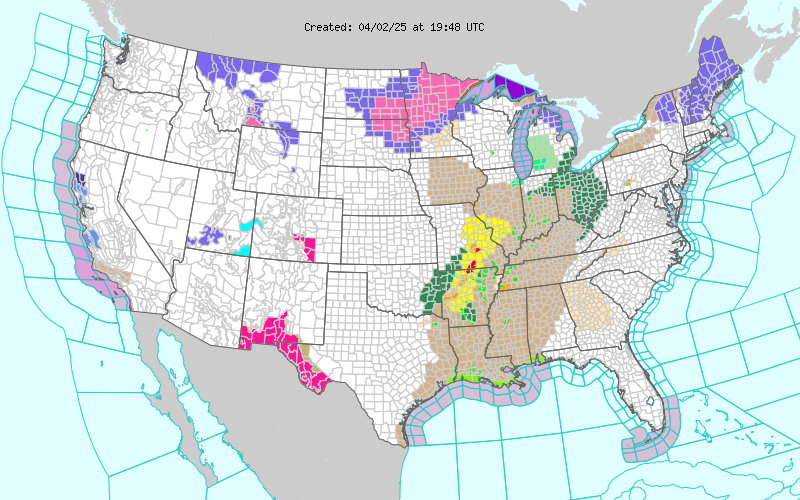
The image is a live image for the National Weather Service server. It gets updated on Real time.
Current Snapshot: A Chilly Start Across the Eastern Seaboard
The morning of December 13th finds much of the Eastern Zone under a blanket of clouds, with temperatures hovering in the crisp 20s and low 30s Fahrenheit. While many areas are experiencing relatively calm conditions, a distinct pattern of cooler air pushing eastward is evident, setting the stage for the day's evolving weather narrative.
- New England's Morning Chill: Cities like Boston, MA, and Providence, RI, woke up to temperatures around 31°F, accompanied by mostly cloudy skies and light winds of 5-6 mph. Further inland, Worcester, MA, and Springfield, MA, are slightly colder at 27-28°F. Up in Maine, Portland is experiencing a brisk 26°F with 10 mph winds and mostly cloudy conditions, while Bangor, having seen a colder 20°F in the early hours, will warm to around 28°F by midday under partly sunny skies.
- Mid-Atlantic's Cloudy Dawn: Moving south, New York, NY, and Jersey City, NJ, are seeing temperatures around 32°F with moderate winds of 7-8 mph under mostly cloudy conditions. Newark, NJ, is a bit cooler at 29°F but also partly sunny. Wilmington, DE, and Baltimore, MD, are the warmest spots this morning, reaching 32-33°F with mostly cloudy skies and gentle breezes.
- Great Lakes Winter Blast: The most significant weather story this morning is unfolding in Buffalo, NY. Residents there are contending with a wintry mix of 30°F, strong 20 mph winds, and active snow showers and patchy blowing snow. This is a stark reminder of winter's grip on the region and demands immediate attention for anyone in or traveling through the area.
Looking Ahead: The Evolving Forecast for December 13th Evening
As the day progresses into evening and overnight hours, the weather pattern across the Eastern Zone will continue its dynamic shift, bringing varied precipitation chances and continued cold temperatures for many.
Southern New England and New York
For much of southern New England and parts of New York, the evening will see temperatures remaining in the low to mid-30s. The primary concern will be the potential for light wintry precipitation.
- Massachusetts: Worcester and Springfield will hover around 31°F with a 5 mph breeze, facing a slight chance of light snow. Boston will reach 34°F with 5 mph winds, remaining mostly cloudy.
- Rhode Island: Providence will see temperatures climb slightly to 35°F with lighter 3 mph winds, also holding a slight chance of light snow.
- Connecticut: New Haven, Hartford, and Bridgeport will experience temperatures between 32-34°F with 3-7 mph winds, all having a chance of light snow.
- New York City Metro: New York, NY, and Jersey City, NJ, will warm up considerably to 38°F, with winds easing to 6-7 mph. The forecast here shifts to a chance of light rain, indicating temperatures might be just above freezing for precipitation to fall as liquid.
Mid-Atlantic Region
Further south, the Mid-Atlantic will see slightly milder temperatures, but still a mix of precipitation types.
- Delaware & New Jersey: Wilmington, DE, and Newark, NJ, are forecast to reach 36°F with 5 mph winds, both with a chance of rain and snow. This mixed precipitation could lead to slushy conditions.
- Maryland: Baltimore, MD, will be the warmest spot in the zone, hitting 40°F with very light 1 mph winds, also carrying a chance of light rain.
Northern New England and Western New York
The colder air will persist in the northern reaches, and Buffalo will remain locked in its deep freeze.
- Maine: Portland will stay mostly cloudy with temperatures around 30°F and 10 mph winds. Bangor, after a partly sunny afternoon, will likely see temperatures drop again overnight.
- Western New York: Buffalo, NY, will experience a dramatic temperature drop to a frigid 18°F by evening, with winds easing slightly to 15 mph but remaining cloudy. The significant temperature plunge here will ensure any lingering moisture freezes rapidly.
Travel Advisories and Commuter Impact
The varied weather conditions across the Eastern Zone will undoubtedly impact travel. Commuters and long-distance travelers need to exercise caution and plan accordingly.
- Buffalo and Western NY: The most severe impact will be felt here. Snow showers and patchy blowing snow in the morning, followed by a sharp temperature drop to 18°F, mean roads could be slick with ice and compacted snow. Visibility may be reduced due to blowing snow. Non-essential travel should be reconsidered. Drivers must reduce speeds, maintain ample following distance, and be aware of black ice, especially on bridges and overpasses.
- Southern New England (MA, CT, RI): With a slight chance of light snow or a chance of light snow, roads could become slick, particularly during the evening and overnight hours. Even a dusting can make untreated surfaces hazardous. Allow extra time for commutes and be mindful of pedestrians.
- Mid-Atlantic (NYC, NJ, DE, MD): The forecast for a chance of light rain or chance of rain and snow means wet roads are likely. If temperatures drop near or below freezing, especially on elevated surfaces, isolated patches of black ice could form. Drivers should remain vigilant, particularly after sunset.
- Air Travel: While no major alerts are currently active, localized snow in Buffalo could lead to flight delays or cancellations. Passengers traveling through this region, or connecting flights, should check with their airlines for the latest updates. Elsewhere, wet runways might lead to minor delays.
Agricultural Outlook: Winter's Embrace on Eastern Farms
December is typically a period of dormancy for many agricultural operations across the Eastern Zone, but the forecasted conditions still hold significance for farmers.
- Soil Moisture: The widespread precipitation, whether snow or rain, contributes to crucial soil moisture reserves for the upcoming spring planting season. Snowfall acts as an insulating blanket, protecting winter cover crops and perennial plants from extreme cold.
- Livestock Management: For livestock farmers, the cold temperatures, especially the frigid conditions in Buffalo, necessitate careful management. Animals require increased caloric intake and adequate shelter to cope with the cold stress. Ensuring access to unfrozen water is also paramount.
- Farm Infrastructure: Freezing temperatures pose risks to pipes and water lines in barns and outbuildings. Farmers should ensure proper insulation and drainage to prevent costly damage. The potential for a rain/snow mix could also create muddy conditions, impacting machinery access and animal mobility.
- Orchards and Perennials: Fruit trees and other perennial crops are in their dormant phase. The cold temperatures are generally beneficial, fulfilling chilling requirements necessary for proper bud break and fruit set in the spring. However, extremely rapid temperature drops, as seen in Buffalo, can sometimes cause issues if plants haven't fully hardened off, though by mid-December, most should be well-acclimated.
Historical Context of December Weather in the Eastern Zone
The weather patterns we observe today are part of a long tapestry of winter in the Eastern United States. December often serves as a transitional month, capable of delivering mild, rainy days one week and significant snowstorms the next. Historically, the region is no stranger to dramatic shifts in temperature and precipitation types.
Major December snowstorms have, at times, paralyzed cities like Boston and New York, leading to significant disruptions. The Great Lakes region, particularly Buffalo, is renowned for its lake-effect snow events, where cold air passing over the relatively warmer waters of Lake Erie and Lake Ontario picks up moisture and deposits it as heavy snowfall downwind. The conditions in Buffalo today are a classic example of early-season lake effect, albeit with less extreme snowfall than some of its historic events.
Understanding this historical context helps us appreciate the resilience of communities in the Eastern Zone and reinforces the importance of preparedness. While today's forecast doesn't suggest a record-breaking storm for most, it underscores the typical variability and challenges that winter brings to this densely populated and economically vital region.
Essential Winter Preparedness Tips
Given the diverse forecast, preparedness is key for everyone in the Eastern Zone. Here are crucial tips to keep you safe and comfortable:
- For Your Home:
- Check Heating Systems: Ensure your furnace or heating system is in good working order.
- Insulate Pipes: Take steps to prevent pipes from freezing, especially in unheated areas like basements and crawl spaces.
- Emergency Kit: Have an emergency kit ready with flashlights, extra batteries, a first-aid kit, blankets, and non-perishable food and water.
- Carbon Monoxide Detectors: If using alternative heating sources, ensure carbon monoxide detectors are functional.
- For Your Vehicle:
- Tires: Check tire pressure and tread. Consider winter tires if you live in areas prone to heavy snow.
- Fluids: Ensure antifreeze levels are adequate and windshield wiper fluid is topped off.
- Emergency Car Kit: Include jumper cables, a flashlight, blankets, a small shovel, sand or cat litter for traction, and a fully charged cell phone.
- Clear Snow/Ice: Always clear all snow and ice from your vehicle before driving, including the roof, to prevent hazards for yourself and others.
- Personal Safety:
- Dress in Layers: When heading outdoors, wear multiple layers of clothing to trap warmth. Include a waterproof outer layer.
- Footwear: Wear waterproof, insulated boots with good traction to prevent slips and falls on potentially icy surfaces.
- Stay Hydrated: Even in cold weather, it's important to drink plenty of fluids.
- Check on Neighbors: Look out for elderly neighbors or those who may need assistance during cold weather.
- Pet Safety:
- Bring Pets Indoors: Keep pets inside during extreme cold.
- Limit Outdoor Time: If pets must go outside, limit their exposure and provide warm shelter.
- Paw Protection: Consider booties for walks to protect paws from ice, salt, and chemicals.
Looking Beyond Today: What This Means for the Weekend
While this forecast focuses on December 13th, the conditions today often hint at broader trends. The presence of cold air and the potential for a rain/snow mix suggest that winter is firmly establishing itself across the Eastern Zone. Residents should remain attentive to future forecasts, as these patterns can quickly evolve into more significant winter weather events. The sharp cold snap in Buffalo, in particular, indicates that frigid air masses are readily available to plunge south and east, keeping the region on alert for further wintry precipitation and sustained cold through the weekend.
Stay informed, stay prepared, and prioritize safety as we navigate the heart of winter in the Eastern Zone.
This post is created using the public data provided by the National Weather Service. Please check the Original source for more information.

Comments
Post a Comment
Please leave a comment.