Eastern Zone Winter Weather Alert: Heavy Snow & Cold Grip Northeast
Eastern Zone Winter Weather Alert: Heavy Snow & Frigid Cold Grip Northeast
As the weekend approaches, residents across the Eastern Zone of the United States are bracing for a significant shift in weather patterns. A potent winter system is poised to deliver heavy snow to key metropolitan areas, particularly from the Mid-Atlantic up through the New York Tri-State area, while much of New England can expect lighter accumulations and colder temperatures. This comprehensive forecast will provide you with all the crucial details, from specific city predictions to vital preparedness strategies, ensuring you stay safe and informed.
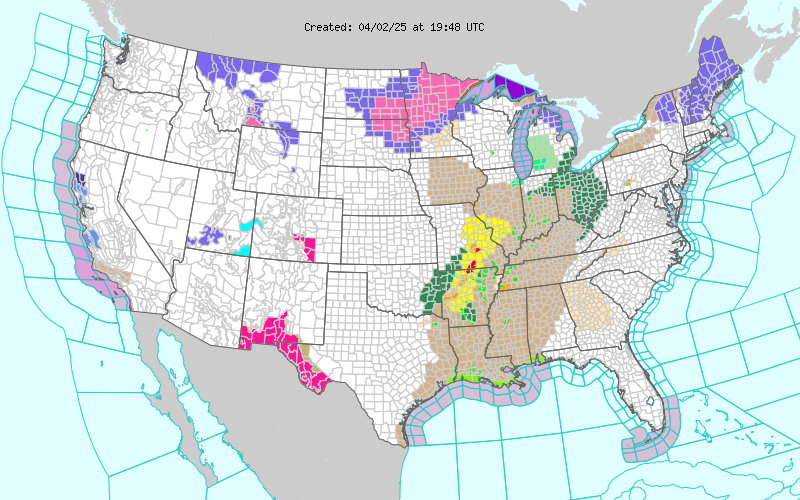
The image is a live image for the National Weather Service server. It gets updated on Real time.
Current Conditions: A Chilly Prelude to Winter's Embrace
As of Friday afternoon and into the evening, the Eastern Zone is experiencing a range of conditions, primarily characterized by cloud cover and steadily dropping temperatures. In the northern reaches, cities like Buffalo, NY, are already feeling the bitter cold, with temperatures around 23°F and brisk winds of 16 mph, under cloudy skies. Further north in Bangor, ME, it's a frigid 27°F with isolated snow showers, giving a taste of what's to come for many.
Moving down the coast, most of New England, including Boston, MA (38°F), Hartford, CT (37°F), Providence, RI (37°F), New Haven, CT (36°F), Worcester, MA (35°F), and Springfield, MA (35°F), are currently cloudy, with moderate winds generally between 6-10 mph. These areas are experiencing temperatures just above or at freezing, setting the stage for potential wintry precipitation as the cold air deepens.
In the Mid-Atlantic and New York Tri-State area, conditions are similar, with cloud cover dominating. Baltimore, MD, is currently the warmest at 43°F, but this relative warmth will be short-lived. Wilmington, DE (40°F), New York, NY (37°F), Newark, NJ (37°F), Jersey City, NJ (38°F), and Bridgeport, CT (35°F) are all reporting cloudy skies, with some areas like Newark, New York, and Jersey City noting a slight chance of light snow already beginning to develop, accompanied by winds ranging from 7-9 mph. This Friday evening serves as a calm before the storm for many, with the main event expected to unfold overnight and into Saturday morning.
The Weekend Outlook: A Wintery Shift Takes Hold
The core of this winter weather system is projected to impact the Eastern Zone significantly from late Friday night through Saturday morning, bringing a widespread blanket of snow and ushering in much colder air. The most substantial impacts are anticipated in a corridor stretching from the Mid-Atlantic up through parts of Southern New England, though every state in the Eastern Zone will feel the chill.
Heavy Snow Targets Mid-Atlantic and NYC Metro
The forecast indicates that areas from Baltimore, MD, to Wilmington, DE, will bear the brunt of the heavy snowfall. By Saturday morning (around 4-5 AM EST), both cities are expected to be experiencing heavy snow, with temperatures dropping to 32°F in Baltimore and 30°F in Wilmington. This could lead to significant travel disruptions and challenging conditions for early risers.
Further north, the populous New York Tri-State area is also preparing for a snowy Saturday morning. New York, NY (32°F, 8 mph wind), Newark, NJ (31°F, 5 mph wind), Jersey City, NJ (32°F, 6 mph wind), and Bridgeport, CT (29°F, 3 mph wind) are all forecast to see snow. This means commuters and weekend travelers in these dense urban areas should anticipate slippery roads and reduced visibility.
Lighter Snow and Frigid Air for New England
While the heaviest snow is expected to track south and west of much of New England, many cities in the region will still experience wintry conditions. By early Saturday morning (around 1-5 AM EST), Providence, RI (28°F), New Haven, CT (31°F), and Hartford, CT (30°F) are all expected to see light snow or light snow likely. Boston, MA (32°F), Worcester, MA (28°F), and Springfield, MA (29°F) have a chance of light snow. Winds will generally be lighter in these areas, typically around 2-3 mph, but the combination of snow and cold will still make for a classic winter morning.
Further north, Portland, ME (28°F) also has a chance of light snow, while Bangor, ME (18°F) will remain bitterly cold and cloudy. The coldest spot in the Eastern Zone will continue to be Buffalo, NY, where temperatures are forecast to plunge to a bone-chilling 12°F by Saturday morning, accompanied by 10 mph winds and partly cloudy skies. Lake effect snow is not explicitly detailed in this data, but the extreme cold suggests a heightened risk for it in the broader Buffalo region.
Understanding the Impact: Travel, Agriculture, and Daily Life
Winter weather, even when anticipated, can have far-reaching effects on various aspects of daily life. This incoming system is no exception, and understanding its potential impacts is crucial for effective preparation.
Travel Advisories: Navigating Snowy Roads and Skies
For those planning to travel late Friday or early Saturday, extreme caution is advised. Road conditions are expected to deteriorate rapidly, especially in the heavy snow band from Baltimore through the New York City metropolitan area. Reduced visibility due to falling snow, along with slick and icy patches, will make driving hazardous. Motorists should:
- Delay non-essential travel: If your trip isn't critical, consider postponing it until conditions improve.
- Allow extra time: If you must travel, build in significant buffer time for slower speeds and potential detours.
- Check road conditions: Utilize state DOT websites and apps for real-time updates on road closures and advisories.
- Ensure your vehicle is ready: Check tire pressure, fill your gas tank, ensure wipers are functional, and have an emergency kit (blankets, flashlight, phone charger, snacks, water, shovel) in your car.
Air travel could also face disruptions. Snow and ice accumulation at major airports in the affected regions (e.g., BWI, PHL, EWR, JFK, LGA) may lead to flight delays or cancellations. Passengers should check with their airlines directly for the latest flight status updates before heading to the airport.
Agricultural Concerns: Protecting Crops and Livestock
While much of the Eastern Zone's agricultural activity slows in winter, this cold snap and snow can still pose challenges. Farmers with overwintering crops like hardy greens or cover crops need to ensure they are adequately protected. The sudden drop in temperature, especially after milder conditions, can stress plants not fully hardened off.
For livestock, ensuring access to unfrozen water, adequate shelter, and sufficient feed is paramount. Animals expend more energy to stay warm in cold weather, so their nutritional needs increase. Farmers should be vigilant in monitoring their herds and flocks, especially young or vulnerable animals, to prevent cold stress and frostbite.
Daily Life: Home Preparedness and Community Safety
Beyond travel, the cold and snow will impact everyday routines. Schools may announce delays or closures, particularly in areas expecting heavier snowfall. Power outages are always a possibility during winter storms, especially if heavy, wet snow combines with strong winds (though winds are generally lighter in this forecast, isolated outages can still occur).
Residents should:
- Stay warm: Dress in layers, ensure heating systems are working efficiently, and seal drafts.
- Prepare for power outages: Have flashlights, extra batteries, and a battery-powered radio readily available. Charge mobile devices.
- Shovel safely: If you're clearing snow, take frequent breaks, lift with your legs, and be aware of the signs of overexertion.
- Check on neighbors: Especially the elderly or those with medical conditions, ensure they are safe and have necessary supplies.
Historical Context: Winter's Enduring Legacy in the Northeast
The Eastern Zone, particularly the Northeast, has a rich and often dramatic history with winter weather. From legendary Nor'easters that dump feet of snow and cause coastal flooding to brutal cold snaps that grip the region for days, residents are no strangers to the challenges of the season. This current system, while not unprecedented, serves as a timely reminder of winter's power.
Historically, the region has seen numerous significant snow events in December. While early winter storms can sometimes catch people off guard, they are a fundamental part of the climate. These events play a critical role in replenishing groundwater, supporting winter sports industries, and shaping the landscape. Understanding this historical context reinforces the importance of consistent preparedness, rather than reacting only when a major storm is imminent. Each winter storm, whether light or heavy, contributes to the region's character and the resilience of its communities.
Essential Preparedness Tips for the Coming Snow
With winter weather on our doorstep, taking proactive steps now can make a significant difference in your comfort and safety. Here's a checklist of essential preparedness tips:
- Emergency Kit: Assemble a kit with non-perishable food, water, a first-aid kit, medications, a battery-powered or hand-crank radio, flashlights, extra batteries, and a whistle.
- Warmth: Ensure you have plenty of blankets, sleeping bags, and warm clothing layers. If you have a fireplace, make sure you have seasoned firewood.
- Heating System Check: Have your furnace or heating system inspected annually. Clean or replace filters as recommended.
- Carbon Monoxide Detector: Ensure your carbon monoxide detectors are working, especially if using alternative heating sources or generators. Never run a generator indoors.
- Food and Water: Stock up on at least a three-day supply of food and water. Include items that don't require cooking or refrigeration.
- Pet Safety: Bring pets indoors. If they must be outside, ensure they have adequate shelter, food, and unfrozen water.
- Stay Informed: Monitor local weather forecasts from reliable sources. Sign up for local emergency alerts.
- Vehicle Preparation: Top off fluids, check antifreeze, ensure good tires, and keep your gas tank at least half full. Have an emergency kit in your car.
- Clear Vents: Ensure all heating and dryer vents are clear of snow and debris to prevent blockages and fire hazards.
As this winter system moves through the Eastern Zone, vigilance and preparedness will be your best allies. Stay warm, stay safe, and stay informed through official weather channels. We will continue to monitor this developing situation and provide updates as they become available.
This post is created using the public data provided by the National Weather Service. Please check the Original source for more information.

Comments
Post a Comment
Please leave a comment.