Mild December Days Ahead: A Comprehensive Look at the Central US Weather Forecast
As December ushers in its first full week, the heartland of America, specifically the Central Zone, is experiencing an uncharacteristically mild and tranquil start to the winter season. Today, December 4th, promises a day of calm weather, offering a pleasant reprieve from the typical early December chill. This detailed forecast delves into the specifics of what residents can expect, from city-specific conditions to broader implications for agriculture, travel, and seasonal preparedness. We'll explore why these mild conditions are noteworthy, how they compare to historical patterns, and what they mean for daily life across the expansive Central region.
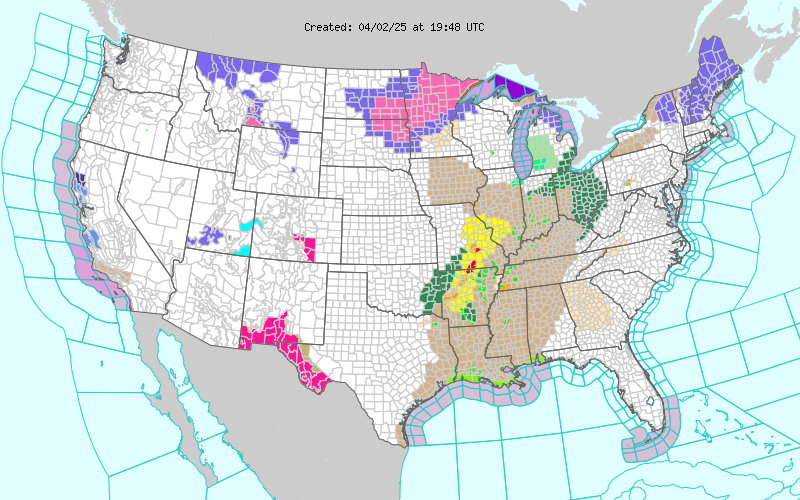
Central Zone Overview: A Calm December 4th
Today's weather across the Central Zone is characterized by a remarkable lack of severe weather alerts, a welcome departure from the volatile conditions that can sometimes mark the transition into winter. From the expansive plains of Nebraska to the bustling urban centers of the Great Lakes, residents can anticipate a day largely free from weather-related concerns. The skies will predominantly feature a mix of sunshine and scattered clouds, creating visually appealing conditions throughout both the daylight hours and into the evening. This serene atmospheric state is a significant factor in the overall mild conditions prevailing across the region. Early December often brings the first substantial cold fronts, sometimes accompanied by snow or freezing rain, making today's gentle weather particularly noteworthy. This mildness sets a pleasant and comfortable tone for the week ahead, allowing for easier commutes, more enjoyable outdoor activities, and a general sense of ease for communities and businesses alike. The absence of strong winds or significant precipitation means a minimal impact on infrastructure and daily routines, providing a brief window of calm before the more typical winter weather inevitably arrives.
City-by-City Breakdown: Diverse Conditions Across the Heartland
While the overall theme for the Central Zone is mildness, specific conditions will vary across its major metropolitan areas, reflecting the diverse geography of the region. Let's take a closer look at what to expect in some key urban centers:
- Chicago, Illinois: The "Windy City" will experience a relatively calm day with daytime highs reaching into the mid-40s Fahrenheit (around 7-9°C). Nighttime lows will settle in the low 30s (around 0-2°C). While proximity to Lake Michigan often brings the threat of lake-effect snow, today's forecast shows no such activity, promising clear to partly cloudy skies and comfortable urban conditions.
- Indianapolis, Indiana: Residents of the Hoosier State's capital can expect a pleasant day with temperatures climbing into the upper 40s Fahrenheit (around 9-10°C). Overnight, temperatures will dip to the mid-30s (around 1-3°C). The city will enjoy mostly sunny skies, making for excellent conditions for any outdoor errands or leisure activities.
- Detroit, Michigan: Similar to its Great Lakes counterparts, Detroit will see daytime highs in the mid-40s Fahrenheit (around 7-9°C), with nighttime temperatures falling to the low 30s (around 0-2°C). The forecast indicates partly cloudy skies, but no significant precipitation or strong winds are expected, ensuring smooth travel and daily routines for metro Detroiters.
- Milwaukee, Wisconsin: This lakeside city will also benefit from the mild air mass, with highs in the mid-40s Fahrenheit (around 7-9°C) and lows in the low 30s (around 0-2°C). While the lake's influence is always a factor, today's conditions are expected to be calm and partly sunny, offering a comfortable environment for residents.
- Denver, Colorado: Further west, at the foot of the Rocky Mountains, Denver will experience a significantly warmer day. Daytime highs are forecast to reach the mid-50s Fahrenheit (around 12-14°C), a notable contrast to the Great Lakes region. Nighttime lows will cool to the upper 20s (around -2-0°C). The "Mile High City" will enjoy abundant sunshine, often characteristic of its high-altitude, continental climate, providing excellent visibility and pleasant conditions for mountain views.
These variations underscore the vastness of the Central Zone, with the Rocky Mountain front often experiencing drier, sunnier, and sometimes warmer conditions due to unique atmospheric dynamics like Chinook winds, while the Great Lakes states are more directly influenced by continental air masses and the proximity of the large bodies of water.
Understanding December Temperatures: A Gentle Start to Winter
The relatively warm daytime temperatures across the Central Zone for early December stand in stark contrast to historical climate patterns for the region. Typically, by the first week of December, much of the Central US has already experienced several freezes, and average daytime highs are often in the 30s or low 40s Fahrenheit. This year's deviation, with many areas seeing temperatures 10 to 15 degrees above average, represents a significant meteorological anomaly. Such mild starts to winter can have a cascade of implications, both positive and potentially challenging.
From an energy consumption standpoint, these warmer temperatures translate directly into reduced heating demands for homes and businesses. This can lead to lower utility bills for consumers and less strain on regional power grids, which is a welcome relief after what can often be a costly heating season. Environmentally, the impact is multifaceted. For ecosystems, a delayed onset of deep cold can postpone full dormancy for some plants, and potentially extend the active period for certain pests. While this might seem benign, a sudden, sharp cold snap after a prolonged mild period could be more damaging to vegetation that hasn't fully hardened off for winter.
Historically, mild Decembers have occasionally occurred, sometimes signaling a milder winter overall, but often they are followed by a compensatory period of intense cold later in the season. Climatologists study these patterns closely, looking for connections to larger atmospheric phenomena like El Niño or La Niña, which can influence jet stream patterns and, consequently, regional temperature and precipitation. While one mild day or week doesn't define an entire winter, it certainly sets a distinct tone and offers a temporary reprieve that residents are likely to appreciate. This gentle start allows for an extended period of outdoor enjoyment and a more gradual transition into the colder months, influencing everything from holiday decorations to personal well-being.
Gentle Breezes and Clear Skies: Impact on Daily Life and Activities
Beyond the mild temperatures, another defining characteristic of today's Central Zone forecast is the presence of light to moderate wind speeds and exceptionally clear skies. Wind speeds are generally expected to remain below 10-15 miles per hour across most areas, which is considered a gentle breeze – barely enough to rustle leaves or cause minor movement in small branches. This lack of strong, biting winds significantly enhances the perceived comfort of the mild temperatures, making outdoor conditions feel even more pleasant.
These calm and clear conditions are a boon for a wide array of outdoor activities. Whether it's an urban stroll through a city park, a leisurely bike ride along a regional trail, or simply enjoying a cup of coffee on a patio, the environment is exceptionally inviting. Photographers will find excellent visibility and crisp light for capturing winter landscapes or cityscapes without the interference of haze or strong gusts. Bird watchers may find it easier to spot migrating species or local residents taking advantage of the calm. For those seeking exercise, the mild air and gentle breezes make for ideal running or walking conditions, allowing for longer periods outdoors without the need for heavy winter gear.
Visibility for motorists and aviators is expected to be excellent across the entire Central Zone. The absence of fog, freezing drizzle, or heavy precipitation means roads will be clear and dry, significantly reducing travel hazards. Air traffic will also benefit, with fewer delays due to weather, ensuring smoother and more punctual flights for both commercial and private aviation. This combination of mild temperatures, light winds, and clear skies creates an optimal environment for both daily commutes and longer-distance travel, contributing to overall safety and efficiency.
Travel and Outdoor Planning: Making the Most of the Mild Weather
With such favorable conditions gracing the Central Zone, this is an opportune moment for residents and visitors to engage in outdoor activities or embark on travel plans without the typical early December weather concerns. For outdoor enthusiasts, the possibilities are plentiful. Consider exploring local hiking trails that might otherwise be icy or snow-covered. Many state and national parks in the Central US offer stunning natural beauty, and a mild December day provides a unique opportunity to experience them in tranquility, perhaps even spotting wildlife before the deeper winter sets in. Biking enthusiasts can enjoy extended rides, and city parks, often bustling in warmer months, offer a peaceful escape for a leisurely walk or a picnic. When planning, remember to dress in layers. While daytime temperatures are mild, mornings and evenings will still be cool, and conditions can change. A waterproof outer layer, even if not immediately needed, is always a wise addition to your pack.
Crucially, there are no major travel advisories in effect for either road or air travel due to weather. This is excellent news for those planning holiday visits or business trips. Roads are expected to be clear and dry, minimizing the risk of skidding or reduced visibility. Airports are unlikely to experience weather-related delays, allowing travelers to proceed with confidence. This window of calm weather provides a stress-free opportunity for travel, a welcome relief during what can often be a chaotic period leading up to the holidays. Always check local road conditions before departing, especially for longer journeys, but the general outlook is highly positive.
For those simply enjoying daily life, the mild weather encourages more time outdoors. Consider visiting outdoor markets, enjoying a meal on a heated patio, or taking children to playgrounds without the need for bulky winter attire. This period offers a final chance to complete outdoor chores, such as gutter cleaning or light yard work, before the inevitable arrival of colder, harsher weather. The key is to embrace these pleasant conditions while they last, making the most of the extended autumn-like feel before winter truly takes hold.
Agricultural Insights: Winter's Embrace on Central Farmlands
The mild December temperatures across the Central Zone have significant implications for the agricultural sector, which forms the backbone of many regional economies. For dormant crops like winter wheat, which is widely planted across the plains, these conditions present a nuanced situation. Mild weather can allow for continued root development and tillering (the production of side shoots), potentially leading to a stronger stand going into spring. However, if the mildness persists for too long, it could also encourage premature growth, making the plants more vulnerable to damage if a sudden, severe cold snap occurs later in the winter. Furthermore, extended mild, damp periods can increase the risk of certain fungal diseases or allow overwintering pests to survive in greater numbers than during a colder winter.
Soil conditions are also affected. Less frequent freezing and thawing cycles mean less soil heaving, which can be beneficial for crop roots. However, a lack of deep freezes might not effectively kill off certain soil-borne pests or pathogens. Moisture levels remain a critical factor; if the mildness is accompanied by sufficient precipitation, it can help replenish soil moisture reserves, which is vital for spring planting. Conversely, a mild, dry winter could exacerbate drought conditions if they were present in the fall.
For livestock management, the current mild weather is largely a positive. Animals require less energy to maintain body temperature, which translates to lower feed costs. Farmers can more easily manage herds outdoors, reducing the need for costly indoor housing and associated labor. However, vigilance is still necessary. Any sudden shift to wet, cold conditions could quickly stress animals, making them susceptible to respiratory illnesses. Historically, early winter weather profoundly influences agricultural planning and yields. Farmers often look to these early patterns for clues about the coming season. A mild December might prompt adjustments in spring planting strategies or pest management protocols. Past mild winters have sometimes led to bumper crops, but also occasionally to increased pest pressure or challenges with spring frost damage following early budding. Adaptability and careful monitoring remain paramount for Central Zone farmers.
Preparing for the Season Ahead: Beyond December 4th
While today's mild weather across the Central Zone offers a pleasant respite, it is crucial to remember that winter is a dynamic season, and conditions can change rapidly. This period of calm should be viewed as an opportunity to ensure full preparedness for the colder, more challenging weather that is inevitably on its way. General home preparedness tips remain essential, even during mild spells. Now is an ideal time to check your home's insulation, seal any drafts around windows and doors, and ensure your heating system is in good working order. Clearing gutters of any remaining leaves and debris is also vital to prevent ice dams when freezing temperatures arrive.
Beyond home maintenance, refreshing your emergency kit is a wise step. This should include non-perishable food and water supplies for at least three days, blankets, a first-aid kit, a battery-powered radio, flashlights with extra batteries, and any necessary medications. Don't forget to prepare your vehicle for winter as well; check tire pressure and tread, ensure all fluids are topped off, and keep an emergency kit in your car that includes jumper cables, a small shovel, a blanket, and a bag of sand or cat litter for traction.
Monitoring local forecasts diligently is perhaps the most important advice. Winter weather patterns can be unpredictable, with sharp temperature drops, heavy snowfall, or ice storms often developing with little long-term warning. Utilize trusted local weather sources and sign up for community alerts to stay informed of any potential shifts. Communities are encouraged to foster a spirit of readiness and mutual support. Knowing your neighbors, especially the elderly or those with special needs, and being prepared to offer assistance can make a significant difference during severe weather events. While we enjoy this gentle start to December, a proactive approach to preparedness will ensure that everyone in the Central Zone is ready for whatever the rest of winter may bring.
Disclaimer: Forecast data is sourced from the National Weather Service (NWS) and is subject to change. This bot processes NWS data for aggregation and is not responsible for forecast accuracy.

Comments
Post a Comment
Please leave a comment.