Southern Chill Grips Region: Dec 15 Forecast & Winter Prep Guide
Southern Chill Grips Region: December 15th Forecast & Winter Preparedness Guide
As we approach the heart of winter, the Southern United States is bracing for a distinctly chilly start to the week of December 15th, 2025. While many envision the South as a bastion of warmth, this mid-December forecast paints a picture of crisp, clear skies and temperatures well below seasonal averages for a significant portion of the region. From the frosty plains of Oklahoma to the brisk air of the Deep South, residents and travelers alike will need to bundle up. However, the Sunshine State offers a mixed bag, with parts of Florida experiencing much milder conditions and even a chance of showers.
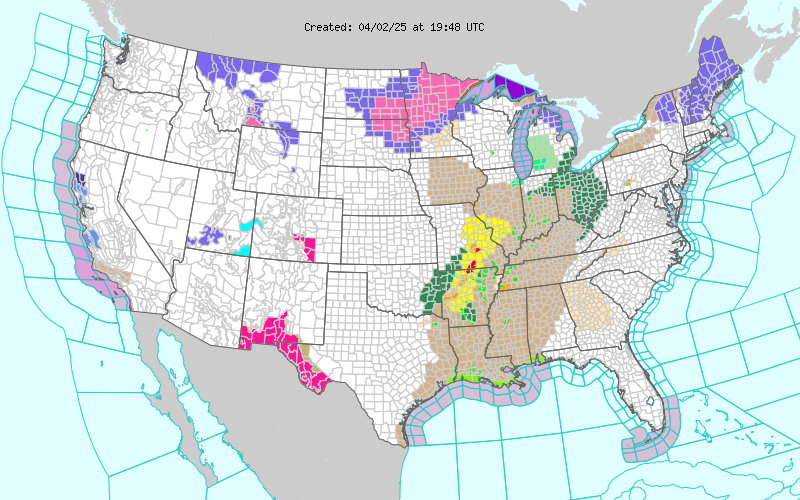
The image is a live image for the National Weather Service server. It gets updated on Real time.
A Chilly Start to Mid-December Across the South
The overarching theme for Monday, December 15th, across much of the Southern Zone is one of significant cold, especially during the overnight and early morning hours. A powerful cold air mass appears to have settled over the central and eastern parts of the region, driving temperatures down into the teens and twenties for many. This is a stark reminder that winter has truly arrived, even in latitudes often associated with milder climates.
Cities like Nashville, Tennessee, are expected to see overnight lows plunge to a frigid 14°F with perfectly clear skies, offering a stunning but undeniably cold start to the day. Birmingham, Alabama, and Atlanta, Georgia, will not be far behind, with lows around 21°F and 23°F respectively, also under mostly clear conditions. Further west, Little Rock, Arkansas, will experience a similarly stark 22°F. These temperatures are cold enough to warrant serious attention to personal safety and property protection, particularly for those unaccustomed to such prolonged cold snaps.
Daytime highs, while improving, will remain well below average for many. Nashville will only reach 37°F, while Birmingham and Atlanta will hover around 40-41°F. Even Oklahoma City, Oklahoma, which sees a significant swing from 23°F overnight to 42°F by day, will still feel the bite of winter. The clear, sunny conditions predicted for many of these areas, while beautiful, will do little to mitigate the underlying cold, making it crucial to dress in layers and limit prolonged outdoor exposure.
Regional Breakdown: A Closer Look at Key Southern Cities
The Southern Zone is vast and diverse, and while a cold air mass dominates much of it, regional variations are significant. Understanding these localized nuances is key to proper preparation and planning.
The Deep South & Southeast: From Alabama to Georgia
For the heart of the Deep South, including cities like Birmingham, AL, and Jackson, MS, the forecast for December 15th is consistently cold and clear. Birmingham is looking at an overnight low of 21°F, rising to 41°F under sunny skies. Jackson, MS, will see 25°F overnight, warming to 43°F. Further east, Atlanta, GA, mirrors this pattern with a 23°F start and a 40°F high. These conditions are ideal for picturesque winter mornings but demand vigilance against freezing temperatures. The lack of significant wind in many of these areas (0-5 mph) will prevent wind chill from being a major factor, but the ambient air temperature itself is a concern. Residents should ensure their heating systems are in good working order and take precautions for outdoor pipes and pets.
Nashville, TN, stands out as one of the coldest spots in this sub-region, with a biting 14°F overnight low, climbing to only 37°F. The clear skies will make for stunning sunrises but underscore the need for extreme caution. The agricultural communities surrounding these cities, particularly those with winter crops or livestock, will need to be especially attentive to these low temperatures.
The Gulf Coast & Lower Mississippi Valley: Louisiana and Texas
Moving south towards the Gulf Coast, the cold snap is still very much present, though perhaps slightly less severe than in the more northern reaches of the Southern Zone. New Orleans, LA, will experience a chilly 37°F overnight, warming to 44°F under sunny skies, with winds dropping from 15 mph to a gentle 5 mph during the day. Baton Rouge, LA, will see similar conditions, starting at 31°F and reaching 45°F. These temperatures are still below freezing for overnight hours, posing a risk for unprotected pipes and sensitive vegetation.
Further west in Texas, Houston is forecast for a 40°F low, rising to 48°F, while Dallas will be colder overnight at 33°F, reaching 47°F. Both cities anticipate mostly clear to sunny conditions. While not as extreme as the northern parts of the South, these temperatures are still quite cold for coastal and southern Texas, where residents might be less prepared for prolonged freezing conditions. The clear skies suggest a lack of precipitation, which is good news for travel, but the cold itself remains the primary concern.
The Sunshine State: Florida's Diverse Forecast
Florida presents a fascinating contrast within the Southern Zone. While much of the state will feel the effects of the colder air, its southern tip remains distinctly tropical. Miami, FL, stands apart with a warm 72°F expected both overnight and during the day. However, this warmth comes with a "Slight Chance Showers And Thunderstorms" overnight, escalating to a "Chance Showers And Thunderstorms" during the day, accompanied by winds up to 20 mph. This suggests a different weather system influencing South Florida, likely a warm front or moisture from the Caribbean, clashing with the colder air mass just to its north.
Central Florida cities like Tampa and Orlando will be cooler than Miami but still considerably milder than the rest of the Southern Zone. Tampa expects 55°F overnight, rising to 65°F with partly cloudy to partly sunny skies and moderate winds. Orlando will see 56°F overnight and 62°F during the day, with mostly cloudy conditions and winds up to 15 mph. This means comfortable but not hot conditions, and still a need for a light jacket. Jacksonville, FL, further north, will feel the colder air more directly, with a brisk 45°F overnight and only 49°F by day, under clear to partly sunny skies but with strong winds up to 20 mph. This wind will make the 49°F feel considerably colder, so residents should prepare for a raw, chilly day.
The Southern Plains: Oklahoma and New Mexico
The western edge of our Southern Zone, encompassing cities like Oklahoma City, OK, and Albuquerque, NM, also experiences distinct winter conditions. Oklahoma City will see a very cold 23°F overnight, warming significantly to 42°F during the day under mostly sunny skies, with winds picking up to 15 mph. This diurnal temperature swing is characteristic of continental climates. Albuquerque, NM, further west and at a higher elevation, will start at 37°F overnight and reach a pleasant 56°F during the day, with partly cloudy to partly sunny conditions and notably calm winds (0 mph). While Albuquerque is part of the "Southern Zone," its high desert climate often marches to a different drum than the humid southeastern states, offering a milder day despite the chilly start.
Understanding the December Chill: Historical Context
While many associate the American South with mild winters, periods of significant cold are a historical reality, especially in December. The arrival of a strong cold air mass, often originating from the Arctic or northern Canada, is a classic winter weather pattern. These cold fronts can sweep down the plains and into the southeastern states, dramatically dropping temperatures within a matter of hours. This particular forecast for December 15th, 2025, with temperatures dipping into the teens and twenties for many, is certainly on the colder side of average for mid-December, but not unprecedented. Historically, the South has experienced severe cold waves, sometimes accompanied by ice or snow, that have caused widespread disruptions. This current forecast, while cold, appears to be primarily a dry cold for most areas, which mitigates some of the risks associated with winter storms but still poses challenges for those unprepared for sustained freezing temperatures.
The absence of widespread precipitation, particularly frozen precipitation, is a silver lining. Ice storms, which are particularly devastating in the South due to infrastructure not being designed for them, are not indicated in this forecast for the majority of the region. However, the clear skies that allow for such significant overnight cooling also mean that any residual moisture could lead to localized black ice formation, especially on bridges and overpasses, even without active snowfall or freezing rain. This phenomenon is a critical hazard during cold, clear mornings following a damp period.
Agricultural Impact & Water Resources
The agricultural sector across the Southern Zone will be keenly watching these temperatures. For states like Tennessee, Arkansas, and Mississippi, where winter wheat is a significant crop, these cold temperatures are generally beneficial, promoting dormancy and strengthening the plants for spring growth. However, extremely low temperatures without snow cover can sometimes lead to winterkill, though the current forecast might not be severe enough to cause widespread damage in established fields. Livestock farmers in these colder regions will need to ensure animals have adequate shelter, unfrozen water sources, and sufficient feed to maintain body heat.
In the warmer parts of the South, particularly the citrus-growing regions of Florida, even a few hours below freezing can be catastrophic. While Miami and central Florida are forecast to remain well above freezing, the cooler temperatures in northern Florida (Jacksonville at 45°F overnight) mean that cold-sensitive crops in that area could be at risk if the cold air pushes further south or if the forecast changes. Growers often employ various methods, such as irrigation or wind machines, to protect vulnerable crops from frost and freeze damage. Water resources, while not directly threatened by a dry cold, can be impacted by increased demand for irrigation to protect crops or by frozen pipes in rural areas.
For homeowners and businesses, the risk of burst pipes is a major concern when temperatures drop significantly below freezing. This is especially true in areas where plumbing is not adequately insulated or where pipes run through unheated spaces like crawl spaces or exterior walls. The cost of repairing burst pipes can be substantial, making preventative measures essential.
Travel Advisories and Safety Tips
Travel across the Southern Zone on December 15th will require careful planning, particularly for those traversing colder regions. While major highways are unlikely to see widespread ice, localized patches of black ice are a significant concern, especially on elevated surfaces like bridges and overpasses, which freeze faster than roads at ground level. Motorists should exercise extreme caution, reduce speed, and increase following distances, particularly during early morning hours.
- Driving: Check tire pressure, ensure your battery is in good condition, and keep your fuel tank at least half full. Pack an emergency kit with blankets, a flashlight, food, and water. Be aware of varying road conditions, especially when transitioning between regions with different temperature profiles.
- Air Travel: While the weather itself isn't severe enough to cause widespread airport closures, colder temperatures can sometimes lead to de-icing delays at airports in the colder zones. Check with your airline for any potential delays or cancellations.
- Personal Safety: Dress in multiple layers, including hats, gloves, and waterproof outer layers if venturing outdoors. Hypothermia and frostbite are real risks even in the South when temperatures drop this low. Limit outdoor exposure, especially for children and the elderly.
- Florida Specifics: Travelers to Miami should be prepared for potential rain and thunderstorms, which could affect outdoor activities and visibility. Stronger winds in Jacksonville could make driving high-profile vehicles more challenging.
Preparing for the Cold: Home and Personal Well-being
Proactive measures are crucial to mitigate the impact of this cold snap. Here's a comprehensive guide to ensure your home and family remain safe and warm:
- Protect Your Pipes: Disconnect garden hoses. Cover outdoor faucets. If you have pipes in unheated areas (crawl spaces, attics, garages), consider insulating them or allowing a slow drip from faucets to prevent freezing. Know where your main water shut-off valve is located in case a pipe bursts.
- Heating Systems: Ensure your furnace or heating system is functioning correctly. Change air filters for optimal efficiency. If using space heaters, follow all safety guidelines: keep them away from flammable materials, never leave them unattended, and avoid using extension cords.
- Insulation & Drafts: Check windows and doors for drafts and seal them if necessary. Use heavy curtains or blinds to help retain heat.
- Fire Safety: With increased use of heating, ensure smoke detectors and carbon monoxide detectors are working. Have a fire escape plan.
- Pet Safety: Bring pets indoors. If they must be outside, ensure they have warm, dry shelter, unfrozen water, and adequate food.
- Vehicle Preparedness: Check antifreeze levels, battery, and tires. Keep an emergency kit in your car.
- Personal Health: Stay hydrated and eat regular meals. Avoid alcohol consumption, as it can lower body temperature. Recognize the signs of hypothermia (shivering, confusion, slurred speech) and frostbite (numbness, white or grayish skin). Seek medical attention if these symptoms occur.
- Community Resources: Be aware of local warming shelters or assistance programs in your area, especially for vulnerable populations. Check on elderly neighbors or those who may need assistance.
Looking Ahead: What to Expect Beyond December 15th
While the immediate forecast for December 15th highlights a significant cold snap for much of the Southern Zone, long-range winter forecasts suggest that such fluctuations are characteristic of a typical Southern winter. We can expect periods of cold air intrusion interspersed with milder, more seasonal temperatures. This pattern is often driven by the oscillation of the jet stream, which can dip south, bringing Arctic air, or retreat north, allowing warmer air from the Gulf of Mexico to dominate. Residents should remain vigilant throughout the winter season, as conditions can change rapidly. Staying informed through reliable weather sources will be paramount for ongoing preparedness. While this particular cold event appears to be transient for many, it serves as an excellent reminder of the importance of winter readiness.
The variability of Southern winters means that while one week might bring freezing temperatures, the next could see a return to pleasant, jacket-weather days. This dynamic climate requires a flexible approach to seasonal planning, whether for outdoor activities, agricultural practices, or home maintenance. Keeping an eye on extended forecasts will help you anticipate future shifts and adjust your plans accordingly.
Stay safe and warm, Southern Zone!
This post is created using the public data provided by the National Weather Service. Please check the Original source for more information.

Comments
Post a Comment
Please leave a comment.