Southern Forecast: Fog, Sun, & Showers Across the Sun Belt Dec 7th
December 7th Southern Forecast: From Foggy Dawns to Afternoon Showers Across the Sun Belt
As December settles in, the Southern Zone of the United States often presents a fascinating tapestry of weather, and December 7th is no exception. From the misty river valleys of Tennessee to the sun-drenched beaches of South Florida, residents and travelers alike can expect a day of significant atmospheric transitions. This forecast delves into the intricacies of today's weather, offering insights into morning fog, dramatic temperature shifts, and the emergence of afternoon rain across various parts of this vibrant region. Understanding these patterns is key to navigating your day safely and efficiently, whether you're commuting, managing agricultural operations, or simply enjoying the unique charm of the American South.
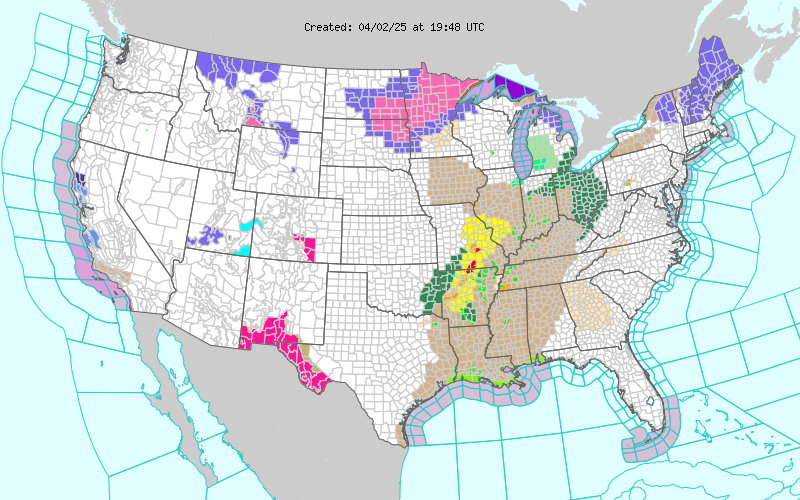
Morning's Misty Veil: Widespread Fog Across the Southern Zone
The dawn of December 7th across much of the Southern Zone is characterized by a pervasive, thick blanket of fog. Cities like Nashville, Birmingham, Little Rock, and even extending into the humid coastal plains of New Orleans, Houston, and central Florida around Orlando, are waking up to significantly reduced visibility. This widespread phenomenon, often referred to as radiation fog, forms when the ground cools rapidly overnight under clear skies, radiating heat away and cooling the moist air directly above it to its dew point. The result is a dense, ground-level cloud that can dramatically alter the morning landscape.
The impact on morning commutes is expected to be substantial. Drivers will encounter conditions where visibility can drop to a quarter-mile or even less in localized areas, making travel hazardous. Air travel may also experience delays, particularly at regional airports where low visibility thresholds can halt takeoffs and landings. For instance, in a city like Nashville, accustomed to both river valley fog and urban haze, this morning's conditions demand extra caution. Similarly, the Gulf Coast cities, with their abundant moisture, are particularly susceptible to such widespread fog events, often leading to slower traffic on major arteries like I-10 and I-59.
For those navigating these misty conditions, safety is paramount. Here are essential tips for driving in foggy weather:
- Slow Down: Reduce your speed significantly. Fog distorts perception of speed and distance.
- Use Low Beams: High beams will reflect off the fog, worsening visibility. Your low beams, or fog lights if equipped, are designed to illuminate the road closer to your vehicle.
- Increase Following Distance: Maintain a much greater distance between your vehicle and the one ahead. Sudden stops are harder to perceive and react to.
- Avoid Sudden Braking: If you need to slow down, do so gradually to give drivers behind you ample warning.
- Use Wipers and Defroster: This helps keep your windshield clear, both inside and out.
- Be Patient: Resist the urge to pass other vehicles. The fog will eventually lift.
- Listen for Traffic: Open your window slightly to hear traffic you might not see.
Pedestrians and cyclists should also be extra vigilant, wearing bright clothing and ensuring they are visible to drivers. This morning's fog is a reminder of nature's subtle power to reshape our daily routines, demanding our respect and careful attention.
Temperature Transformations: A Tale of Two Halves
One of the most striking aspects of today's Southern forecast is the dramatic temperature transformation expected throughout the day. Many areas that start with chilly, near-freezing temperatures under the dense fog will experience a significant warming trend as the sun breaks through. This is a classic characteristic of late autumn and early winter in the South, where the combination of clear overnight skies (leading to radiative cooling and fog formation) gives way to strong solar heating once the sun gains prominence.
For instance, cities like Birmingham, Alabama, or Little Rock, Arkansas, might see morning lows in the mid-30s or low 40s, only to climb into the mid-60s by the afternoon. This 20-30 degree swing is not uncommon and is largely due to the sun's ability to quickly warm the ground and the air once the insulating fog layer dissipates. In contrast, the cooler inland temperatures will stand in stark relief against the consistently warmer climate of Florida, especially its southern reaches. While northern parts of Florida might experience a similar cool start, Miami, for example, is expected to remain comfortably warm throughout the day, a testament to its more tropical latitude and maritime influence.
Historically, December in the South is a month of transition. While occasional cold fronts can usher in truly wintry conditions, many days are characterized by these mild, often spring-like afternoons. The region's climate history shows a pattern of variability, where periods of warmth can be interspersed with brief, sharp cold snaps. This particular December 7th leans towards the milder end of the spectrum for the afternoon, especially once the morning chill lifts. This pattern is crucial for agriculture, allowing for the continued growth of cool-season crops and winter pastures, though the morning fog can sometimes delay field work or impact fruit trees if accompanied by a hard freeze (which is not expected today for most areas).
The significant temperature rise means that layering clothing will be essential. What feels like a brisk winter morning will quickly transform into a pleasant, almost balmy afternoon, particularly in the western and central parts of the Southern Zone. This daily thermal rollercoaster requires adaptability from residents, from choosing appropriate attire to planning outdoor activities around the warming trend.
Afternoon Outlook: Rain Chances Emerge in the East
As the day progresses and the morning fog burns off, a new weather narrative begins to unfold in the eastern half of the Southern Zone: the increasing likelihood of rain showers and even isolated thunderstorms. This shift is primarily driven by a developing weather system pushing moisture inland from the Gulf of Mexico, interacting with a weak frontal boundary. Cities targeted for these afternoon and evening precipitation chances include Orlando, Jacksonville, Jackson, New Orleans, and Birmingham.
In Orlando and Jacksonville, Florida, the transition from a foggy morning to a wet afternoon could be quite abrupt. Residents should be prepared for scattered showers, some of which could be heavy, potentially accompanied by lightning and thunder. While widespread severe weather is not anticipated, localized impacts such as brief periods of reduced visibility due to heavy rain and slick roads are certainly possible. The warm, moist air over Florida is particularly conducive to pop-up showers, even in December, due to the ample moisture available from the surrounding ocean.
Further west, cities like Jackson, Mississippi, and New Orleans, Louisiana, will also see increasing cloud cover and a growing chance of rain by late afternoon and into the evening. These showers are likely to be more widespread than in Florida, potentially bringing steady rain for a few hours. Birmingham, Alabama, situated on the eastern edge of the system's reach, will also experience a chance of rain, though perhaps less intense than areas closer to the Gulf Coast. The potential for localized urban flooding in low-lying areas or where drainage systems are overwhelmed is a consideration, especially in cities like New Orleans, which are historically vulnerable to heavy rainfall.
For anyone with outdoor plans in these affected areas, it's prudent to monitor local weather radar throughout the day. Carrying an umbrella or rain jacket is highly recommended. If you hear thunder, remember the adage: "When thunder roars, go indoors." Postponing non-essential outdoor activities until the rain passes is a wise decision. For travelers, expect potential delays on roads and at airports in these regions due to precipitation and reduced visibility. Staying informed through local weather alerts will be crucial for managing the latter half of your day.
Western South's Clearer Skies: Texas and Beyond
While the eastern half of the Southern Zone grapples with fog and impending rain, the western reaches, particularly across Texas, are set to enjoy a much clearer and brighter day. Cities like Houston and Dallas can anticipate mostly sunny to partly cloudy conditions, offering a welcome contrast to the murkier weather further east. This clear division in weather patterns highlights the vast geographical and climatological diversity within the Southern Zone.
In Houston, after the morning fog dissipates, the day will unfold with ample sunshine and comfortable temperatures, making it an ideal day for outdoor activities. The humidity will likely remain relatively high, but the absence of widespread precipitation will be a relief for residents. Meanwhile, Dallas will also experience mostly sunny skies, but with a notable addition: stronger winds. These winds, likely from the south or southwest, could gust up to 20-30 mph, making the air feel cooler than the actual temperature and potentially creating choppy conditions on larger bodies of water. These stronger winds could also increase the very low risk of brush fires if conditions were drier, though that is not a primary concern for today.
This distinct weather split is often a result of a frontal boundary or a trough of low pressure moving through the eastern South, while a high-pressure system dominates the western areas, ushering in drier, more stable air. For travelers heading west from the rain-affected areas, the transition to clearer skies will be noticeable and welcomed. Road conditions will be significantly better, and visibility will be unimpeded. This makes for smoother travel for those traversing the region from east to west or vice-versa, provided they are aware of the changing conditions. For agriculture in Texas, these clear skies and winds will help dry out any residual moisture from previous systems, benefiting winter wheat and other cool-season crops that prefer drier conditions post-germination.
Florida's Diverse December Day: Sun, Showers, and Warmth
Florida, with its unique peninsular geography, often experiences a microcosm of the entire Southern Zone's weather patterns within its own borders, and December 7th is a perfect example. The state will showcase a diverse array of conditions, from consistently warm and sunny to foggy mornings giving way to afternoon thunderstorms.
In South Florida, specifically Miami, the forecast is consistently warm and sunny. This is the quintessential "winter" day for the region, where temperatures will comfortably sit in the high 70s, accompanied by abundant sunshine and a gentle breeze. Residents and tourists alike can enjoy the beaches, outdoor dining, and other attractions without concern for significant weather disruptions. This stable, pleasant weather is a major draw for snowbirds and vacationers seeking an escape from colder climates, and Miami will deliver on that promise today.
Moving north to Central Florida, Orlando presents a more dynamic weather story. The day will begin with the widespread, dense fog discussed earlier, significantly impacting morning commutes and potentially delaying early theme park openings or outdoor activities. However, as the sun rises higher and the atmosphere warms, the fog will dissipate, only to be replaced by increasing cloudiness and a growing chance of afternoon showers and thunderstorms. These could be localized but potent, bringing heavy downpours and lightning. Visitors to the region's famous attractions should be prepared for potential outdoor ride closures or temporary indoor shelters during these afternoon storms, a common occurrence even in December when moisture is plentiful.
Further north, in Jacksonville, the persistent rain chances will be a defining feature of the day. While it might not be a continuous deluge, residents should expect periods of rain throughout the afternoon and evening. The proximity to the Atlantic Ocean and the influence of the broader weather system will keep rain in the forecast, making it a day best spent indoors or with rain gear readily available. This variability across Florida underscores the importance of checking localized forecasts, as conditions can change dramatically over relatively short distances within the state.
Preparing for the Day Ahead: Travel, Agriculture, and Daily Life
Given the diverse and dynamic weather patterns expected across the Southern Zone today, thoughtful preparation is key for smooth travel, effective agricultural management, and comfortable daily life.
Travel Advisories: For those planning to travel, especially in the morning across the central and eastern South, be acutely aware of the widespread fog. Allow significantly more time for your commute, use low-beam headlights, and maintain extra following distance. If flying, check with your airline for potential delays at airports in Nashville, Birmingham, Little Rock, New Orleans, and Orlando. As the day progresses, travelers in the eastern South (Florida, Mississippi, Alabama, Louisiana) should anticipate slick roads and reduced visibility due to afternoon showers and potential thunderstorms. Keep an eye on local traffic apps and weather alerts. The western South, particularly Texas, will offer much clearer travel conditions, though stronger winds in areas like Dallas could affect high-profile vehicles.
Agricultural Impacts: The morning fog across much of the region, while beautiful, can delay fieldwork for farmers, especially those involved in harvesting delicate crops or applying treatments. For winter pastures, the moisture from the fog and later rain in the east will be beneficial. In Florida, citrus growers will appreciate the warmth, but those in areas expecting afternoon showers should monitor for heavy rainfall which could lead to temporary waterlogging. The clear, windy conditions in Texas will help dry out fields, which is generally favorable for winter wheat and other cool-season crops that need good drainage. Farmers should use this diverse weather to their advantage, planning activities around the specific conditions in their microclimates.
Daily Life and Preparedness: The significant temperature swings from morning to afternoon necessitate a layered approach to dressing. Start with warmer layers in the morning, ready to shed them as the day warms up. For those in the eastern half of the Southern Zone, an umbrella or a light rain jacket will be an essential companion for the afternoon. Ensure your mobile devices are charged, and have a way to receive weather alerts, especially if you're in an area prone to pop-up thunderstorms. Hydration remains important, even on cooler days, particularly if you're active outdoors. For families, planning indoor activities for the afternoon in rain-prone areas might be a good idea. This varied December day reminds us that being prepared and informed allows us to fully embrace the unique character of Southern weather.
Disclaimer: Forecast data is sourced from the National Weather Service (NWS) and is subject to change. This bot processes NWS data for aggregation and is not responsible for forecast accuracy.

Comments
Post a Comment
Please leave a comment.