Southern Skies Dec 7: Fog, Rain, & Mild Winter Forecast
Southern Skies on December 7th: Navigating Fog, Rain, and Winter's Mild Embrace
As we step into December 7th, the Southern Zone of the United States presents a remarkably diverse and dynamic weather picture. From the misty veils of widespread morning fog to the scattered showers gracing coastal areas and the significant temperature variations painting a complex thermal canvas, residents across states like Oklahoma, Arkansas, Tennessee, Mississippi, Louisiana, Florida, and Texas are advised to prepare for a day of shifting conditions. Whether you're commuting to work, planning outdoor activities, or simply tracking the forecast, understanding these nuances is key to a smooth day.
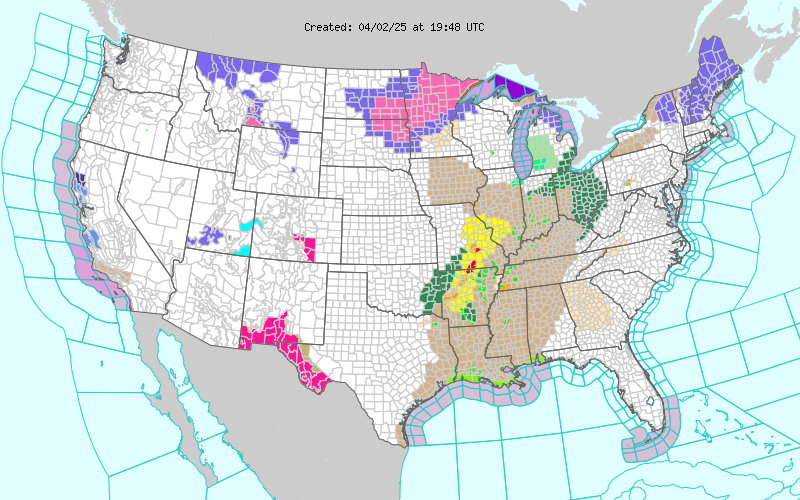
Today's weather narrative is one of contrast and transition. Expect widespread morning fog to significantly impact visibility across a broad swath of the interior South, while Florida and portions of the central Gulf Coast brace for a higher likelihood of rain showers and even isolated thunderstorms. Meanwhile, temperatures will tell a tale of two regions, with cooler starts giving way to remarkably mild afternoons in many areas, particularly as you head further south. This article will delve into the specifics, offering insights and practical advice to help you navigate the day safely and efficiently.
Your December 7th Southern Zone Weather Snapshot
The dominant weather patterns for December 7th across the Southern Zone are clear yet complex. The day begins under a widespread blanket of morning fog, particularly dense across Oklahoma, Arkansas, Tennessee, Mississippi, and Louisiana. This atmospheric phenomenon will significantly reduce visibility, posing immediate challenges for early morning commuters and travelers. As the day progresses, this fog is expected to gradually lift, giving way to more variable conditions.
Simultaneously, a distinct moisture influx from the Gulf of Mexico will fuel scattered showers, primarily impacting Florida and parts of the central Gulf Coast. Cities such as Tampa, Orlando, and Jacksonville in Florida, along with areas around Jackson, Mississippi, and New Orleans, Louisiana, should anticipate a higher chance of precipitation. While widespread severe weather is not expected, localized downpours could certainly disrupt outdoor plans and create slick road conditions.
Temperature-wise, the Southern Zone will experience considerable variations. Northern areas, including cities like Nashville and Little Rock, will start with chilly, near-freezing temperatures, necessitating warm layers. However, as the sun makes an appearance, these regions will warm up to mild, pleasant afternoon highs. In stark contrast, southern cities like Miami and Houston will bask in significantly warmer temperatures throughout the day, maintaining a distinctly mild, almost spring-like feel. This diverse thermal landscape underscores the expansive nature of the Southern Zone and the varied meteorological influences at play.
Morning's Veil: Navigating Widespread Fog Across the South
One of the most significant weather phenomena impacting the Southern Zone this morning is the extensive and often dense fog. This widespread atmospheric condition is currently enveloping vast stretches of Oklahoma, Arkansas, Tennessee, Mississippi, Louisiana, and even extending into parts of eastern Texas and the Florida Panhandle. The formation of this fog is a classic winter scenario: clear skies overnight allowed ground temperatures to cool efficiently, leading to condensation of abundant low-level moisture, often drawn in from the Gulf of Mexico, in the absence of strong winds to disperse it. The result is a thick, opaque layer that significantly hampers visibility.
For millions of commuters and travelers, this means potential delays and hazardous driving conditions. Visibility could drop to a quarter-mile or even less in localized dense fog banks, making even familiar routes feel treacherous. Major interstate corridors such as I-40 through Arkansas and Tennessee, I-55 through Mississippi, and I-10 along the Gulf Coast are particularly susceptible to these visibility concerns. Airports in affected regions may also experience delays, as low visibility can impact flight operations, leading to ripple effects across the travel network.
Safety tips for driving in foggy conditions are paramount:
- Slow Down: Reduce your speed significantly. Fog distort's perception of speed and distance.
- Use Low Beams: Turn on your vehicle's low-beam headlights. High beams will reflect off the fog, making visibility worse.
- Use Fog Lights: If your vehicle is equipped with fog lights, activate them. They are designed to cut through fog more effectively than standard headlights.
- Increase Following Distance: Maintain a much greater distance between your vehicle and the one in front of you. You'll need more time and space to react to hazards.
- Avoid Sudden Stops: Brake gently and well in advance of turns or stops to give drivers behind you ample warning.
- Stay in Your Lane: Resist the urge to drift. Use the lane markings as a guide.
- Pull Over Safely: If visibility becomes too poor to continue, pull completely off the road into a safe area, turn off your lights, and wait for conditions to improve. Do not stop in a travel lane.
- Listen for Traffic: In extremely dense fog, you may hear traffic before you see it. Stay alert to sounds.
These precautions are not merely suggestions; they are critical for ensuring the safety of everyone on the road. The fog is expected to gradually dissipate by late morning or early afternoon in most areas as the sun's warmth penetrates the layer, but the initial hours of the day demand extreme caution.
Rain Chances and Coastal Activity: Florida and the Gulf Coast Under Watch
While the interior South grapples with fog, a different weather story unfolds along the Gulf Coast and across Florida. Here, the atmosphere is primed for showers and potentially isolated thunderstorms, driven by a persistent flow of moisture from the warm waters of the Gulf of Mexico. This moisture, combined with a subtle disturbance or a stalled front, creates an environment conducive to precipitation.
The highest likelihood of rain showers and even some embedded thunderstorms will be concentrated across the Florida Peninsula, affecting major metropolitan areas such as Tampa, Orlando, and Jacksonville. Residents in these areas should be prepared for intermittent rainfall throughout the day. Further west, parts of the central Gulf Coast, including cities like Jackson, Mississippi, and New Orleans, Louisiana, will also see elevated chances of rain, though perhaps less consistently than Florida.
The primary concern with these showers is the potential for localized downpours. While widespread flooding is not anticipated, sudden bursts of heavy rain could lead to temporary ponding on roadways, especially in low-lying areas or urban environments with inadequate drainage. This could impact outdoor plans significantly, from holiday shopping excursions to local community events. Those planning activities like golf, outdoor markets, or even simply enjoying a walk should keep a close eye on local radar and be prepared to seek shelter if conditions worsen.
The Gulf of Mexico plays a crucial role in this forecast. Its warm waters are a constant source of atmospheric moisture, especially during the milder months of winter. When even weak frontal systems or upper-level disturbances interact with this moisture-rich air, showers and storms can quickly develop. While severe weather in December is less common than in spring, isolated strong storms are never entirely out of the question in this region, so staying informed with the latest local forecasts is a prudent measure.
A Tale of Two Temperatures: From Chilly Mornings to Mild Afternoons
December 7th truly exemplifies the diverse climatic zones within the American South, particularly when it comes to temperatures. The region is experiencing a significant contrast, a "tale of two temperatures" that dictates daily planning and wardrobe choices.
In the northern tier of the Southern Zone – encompassing areas like Nashville, Tennessee, and Little Rock, Arkansas – residents woke up to distinctly chilly conditions, with morning lows hovering near or even slightly below freezing. This necessitates warm coats, hats, and gloves for anyone venturing out early. However, as the day progresses and the sun attempts to break through, these areas are expected to warm up considerably, reaching mild and pleasant afternoon highs in the 50s and even low 60s Fahrenheit. This significant diurnal temperature swing means that layering clothing is essential, allowing individuals to adapt comfortably as the day evolves.
Moving further south, the picture changes dramatically. Cities like Miami, Florida, and Houston, Texas, will experience a much warmer day from start to finish. Morning lows will be mild, perhaps in the 60s Fahrenheit, quickly climbing into the 70s by afternoon. This creates a distinctly un-winter-like feel, more akin to a pleasant autumn day or even early spring. The persistent southerly flow of air from the Gulf of Mexico is largely responsible for maintaining these elevated temperatures, preventing any significant cold air intrusions.
Regional breakdown of temperature expectations:
- Northern Interior (AR, TN, Northern MS): Morning lows near freezing (30-35°F), afternoon highs in the upper 50s to low 60s°F.
- Central Gulf Coast (LA, Southern MS, AL, GA): Morning lows in the 40s to low 50s°F, afternoon highs in the mid-60s to low 70s°F.
- Florida Peninsula: Morning lows in the 50s to 60s°F, afternoon highs in the 70s to low 80s°F, accompanied by high humidity.
- Eastern Texas: Morning lows in the 40s to 50s°F, afternoon highs in the mid-60s to low 70s°F.
These temperature variations underscore the importance of checking local forecasts, especially when traveling across state lines within the Southern Zone. What feels like a mild winter day in one city could be a chilly experience just a few hundred miles north, and vice versa. Historically, December in the South is a month of transition, often oscillating between mild, humid spells and sudden, sharp cold fronts. Today's forecast is a perfect illustration of this dynamic meteorological character.
Travel Advisories and Preparedness: Staying Safe on Southern Roads
With a combination of widespread morning fog and scattered rain showers, December 7th presents several travel advisories for those navigating Southern roads. Safety should be the utmost priority for all commuters and travelers.
Fog-Related Hazards: As discussed, dense fog significantly reduces visibility, making it difficult to perceive other vehicles, road signs, and even the road itself. This increases the risk of multi-vehicle accidents, especially on high-speed interstates. In areas where temperatures are cooler, if any precipitation were to fall into the fog, there's a slight, though low, risk of freezing fog or black ice formation on elevated surfaces like bridges and overpasses, even if the air temperature is slightly above freezing. This phenomenon, while rare, can catch drivers completely off guard.
Wet Road Conditions: Where rain is falling, roads will become slick. This reduces tire traction and increases the distance required to stop. Hydroplaning is a significant risk, particularly at higher speeds or with worn tires, where a layer of water between the tires and the road surface causes a vehicle to lose control. Reduced visibility due to rain and spray from other vehicles further complicates driving.
Recommendations for Vehicle Maintenance:
- Tires: Ensure your tires have adequate tread depth. Worn tires are far more susceptible to hydroplaning. Check tire pressure regularly.
- Wipers: Replace old or worn windshield wiper blades. Effective wipers are crucial for maintaining visibility in rain and clearing mist.
- Lights: Verify that all headlights (low and high beams), tail lights, brake lights, and turn signals are fully functional. This is vital for both seeing and being seen.
- Defroster: Ensure your vehicle's defroster and defogger systems are working efficiently to keep your windshield clear.
Emergency Kits: Always keep an emergency kit in your vehicle, especially during winter months. This should include: a flashlight with extra batteries, a first-aid kit, blankets or warm clothing, a fully charged cell phone and portable charger, non-perishable food and water, jumper cables, and basic tools. In foggy or rainy conditions, having these items can be invaluable if you encounter an unexpected delay or breakdown.
General Safety Guidelines:
- Check Forecasts: Before embarking on any journey, consult the latest local weather forecasts and traffic advisories.
- Allow Extra Time: Factor in additional travel time for potential delays caused by weather conditions. Rushing only increases risk.
- Avoid Distractions: Put away your phone and focus entirely on driving. Distracted driving is exponentially more dangerous in adverse weather.
- Be Visible: For pedestrians and cyclists, wear bright clothing, use reflective gear, and carry lights, especially during foggy or rainy periods.
By taking these proactive steps, residents and visitors can significantly mitigate the risks associated with today's varied Southern weather and ensure a safer journey for everyone.
Impact on Agriculture and Outdoor Pursuits
The varied weather patterns across the Southern Zone on December 7th will have distinct implications for both the agricultural sector and outdoor enthusiasts. Farmers, always attuned to the elements, will be making adjustments, while those planning recreational activities will need to consider the conditions carefully.
Agricultural Considerations:
- Fog and Moisture: The widespread morning fog, while a nuisance for drivers, provides a welcome source of moisture for winter crops in states like Oklahoma and Arkansas, where winter wheat is a major commodity. This gentle, consistent moisture can be beneficial for soil health and plant hydration. However, persistent fog can also delay fieldwork, such as late-season harvesting or field preparation for spring planting, as equipment operators wait for conditions to improve.
- Rainfall in Florida/Gulf Coast: For areas receiving scattered showers, particularly in Florida, the moisture can be beneficial for citrus groves and other specialty crops. However, excessive or prolonged rainfall could hinder harvesting operations or increase the risk of fungal diseases if fields remain waterlogged. Livestock farmers should ensure their animals have dry, sheltered areas, particularly with the combination of moisture and varying temperatures.
- Temperature Fluctuations: The mild temperatures across much of the South are generally favorable. They can extend the growing season for some cool-season vegetables and delay dormancy for certain perennial crops. However, sharp temperature drops, even if brief, can stress plants if they haven't adequately hardened off for winter. For livestock, the significant diurnal swings mean ensuring adequate ventilation in barns during warmer afternoons and providing warmth during chilly mornings.
Advice for Outdoor Enthusiasts:
- Hiking and Trail Running: Trails, particularly those in shaded or forested areas, will likely be damp and potentially slippery due to morning dew, fog, or recent rainfall. Hikers should wear appropriate waterproof footwear with good traction and be mindful of reduced visibility in foggy areas. Checking local park advisories for trail closures or conditions is recommended.
- Fishing: While fog can make boat navigation tricky on larger bodies of water, the mild temperatures across much of the South can make for comfortable fishing conditions. Anglers should prioritize safety, especially on foggy mornings, using navigation lights and sound signals.
- Golf: Golf courses in foggy areas will likely experience delays, as visibility is critical for safe play. Even after the fog lifts, courses may remain damp, affecting ball roll and playability. In rainy areas, courses might be closed or have restrictions.
- Local Events and Holiday Preparations: Many communities host outdoor markets, festivals, or holiday-themed events in December. Organizers and attendees should monitor the forecast closely. While mild temperatures are a boon, rain or dense fog could necessitate rescheduling or moving events indoors. For those putting up outdoor holiday decorations, choosing a dry, clear period is advisable for safety and ease of installation.
In essence, today's Southern weather demands adaptability and informed decision-making for anyone whose activities are tied to the outdoors, from large-scale agriculture to individual recreational pursuits.
Beyond December 7th: A Glimpse into the Southern Winter Outlook
As we move past December 7th, the current weather patterns offer a glimpse into what the coming days and weeks might hold for the Southern Zone as winter truly begins to settle in. The prevailing conditions—persistent Gulf moisture, the interplay of mild and chilly air masses, and the potential for frontal passages—suggest a dynamic start to the season.
The continued presence of Gulf moisture indicates that the potential for scattered showers and elevated humidity will likely persist, especially along the immediate Gulf Coast and across Florida, for the foreseeable future. This pattern is often associated with a generally mild winter, where significant, prolonged cold snaps are less frequent, and temperatures tend to hover above average. However, it's crucial to remember that even in a mild winter scenario, sharp cold fronts can still sweep through the region, bringing temporary but noticeable drops in temperature.
Meteorologists will be closely watching for any stronger cold fronts that might push further south and east, as these are the systems that typically clear out the moisture and bring a more definitive winter chill to the entire region. The interaction of these fronts with the lingering Gulf moisture could also lead to more widespread or intense precipitation events, depending on their timing and strength.
For the remainder of early December, residents should anticipate a continuation of these variable conditions. This means being prepared for anything from foggy mornings and damp afternoons to pleasantly mild, sunny days. The Southern winter is rarely static; it's a season of constant atmospheric negotiation between polar air masses and tropical moisture. Staying informed through reliable weather sources, such as the National Weather Service and local meteorologists, remains the best strategy for planning ahead.
The key takeaway is continued vigilance. While the immediate forecast for December 7th provides specific details, understanding the broader atmospheric trends helps in preparing for the unpredictable nature of winter in the South. Whether it's for travel, agriculture, or simply daily life, being proactive and informed is the best defense against whatever the skies may bring.
This post is created using the public data provided by the National Weather Service. Please check the **Original source** for more information.

Comments
Post a Comment
Please leave a comment.