Southern Skies: December 7th Forecast Unveils Fog, Showers, and Crisp Air
Southern Skies: December 7th Forecast Unveils Fog, Showers, and Crisp Air Across the Region
As we navigate into Sunday, December 7, 2025, the vast and diverse Southern United States is poised to experience a mosaic of weather conditions. From the sun-drenched beaches of South Florida to the chilly, clear expanses of the High Plains, this expansive region offers a compelling study in meteorological contrasts. While no severe weather alerts are currently in effect, residents and travelers alike should be prepared for everything from dense morning fog and scattered showers to brisk winds and significant temperature variations. Understanding these localized patterns is key to planning your day and ensuring safety across this dynamic landscape.
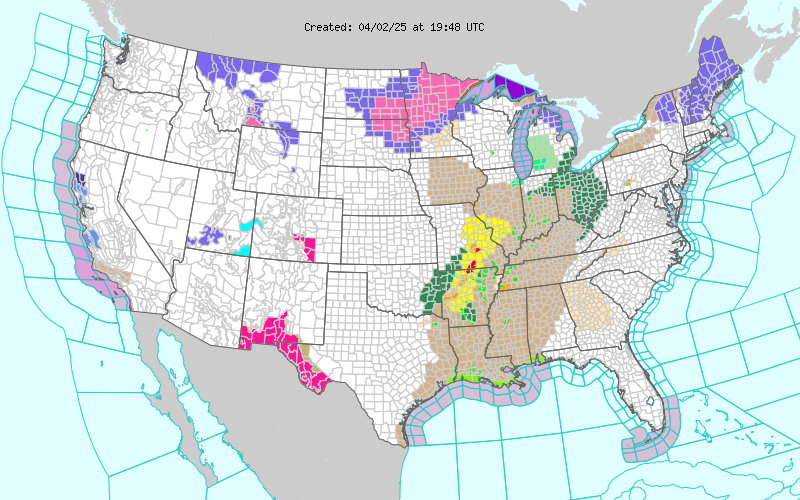
The image is a live image for the National Weather Service server. It gets updated on Real time.
Current Conditions Across the Southern Zone: A Morning Snapshot
The early hours of December 7th present a mixed bag across the Southern Zone. A broad swath of the Gulf Coast and inland South is waking up to widespread or patchy fog, significantly impacting visibility. Cities like New Orleans, LA, Baton Rouge, LA, Houston, TX, Jackson, MS, Nashville, TN, and Atlanta, GA are all reporting areas of fog, with some experiencing "widespread fog" – a condition that demands extra caution for early morning commuters.
- Gulf Coast & Inland South: Temperatures are generally mild to cool, ranging from the low 40s in Birmingham, AL (42°F) and Nashville, TN (34°F) up to the low 60s in Houston, TX (63°F) and New Orleans, LA (60°F). Cloud cover is prevalent, with many areas reporting mostly cloudy or cloudy skies, contributing to the foggy conditions.
- Florida: The Sunshine State lives up to its name in its southernmost reaches, with Miami, FL, enjoying sunny skies and a warm 78°F. Further north, however, Jacksonville, FL, is experiencing rain showers at 58°F, while Tampa, FL, and Orlando, FL, are mostly cloudy at 69°F.
- Western Fringe: A distinct shift to colder, clearer weather is evident in the western parts of our zone. Oklahoma City, OK, is brisk at 37°F with partly sunny skies and a notable 14 mph wind. Dallas, TX, is cooler at 46°F with patchy fog, while Albuquerque, NM, is experiencing a chilly 28°F under sunny skies, marking a stark contrast to the humidity further east.
This diverse morning picture underscores the sheer size and varied climatology of the Southern Zone, where different air masses and geographical features conspire to create distinct local weather experiences.
A Closer Look: Regional Breakdowns and What to Expect
Delving deeper into the regional forecasts for December 7th reveals specific trends and potential impacts for residents and visitors.
Florida's Varied Forecast: Sunshine, Showers, and Humidity
Florida, often a winter haven, showcases its diverse microclimates today. Southern Florida, particularly Miami, will continue to bask in warm, clear conditions, with temperatures holding steady at 78°F through the evening under mostly clear skies. This is ideal weather for beachgoers and outdoor activities, typical of Miami's mild winters.
However, Central and Northern Florida face a different scenario. Tampa and Orlando, after a mostly cloudy morning at 69°F, are expected to see increasing chances of showers and thunderstorms by evening, with temperatures remaining warm at 71°F and 68°F respectively. Jacksonville is already experiencing rain showers at 58°F and is likely to continue seeing them into the night, with temperatures around 60°F. These conditions are indicative of a lingering frontal boundary or moisture-laden air, bringing a damp end to the weekend for many in these areas. While not severe, these showers can impact outdoor plans and create slick road conditions.
Gulf Coast's Misty Mornings and Afternoon Showers
The Gulf Coast states are characterized by widespread morning fog. From Houston, TX (63°F) to New Orleans, LA (60°F), Baton Rouge, LA (57°F), and Jackson, MS (51°F), dense moisture has settled, creating hazardous driving conditions. This phenomenon, often a mix of radiation fog (forming overnight under clear skies with light winds) and advection fog (warm, moist air moving over cooler surfaces), can dramatically reduce visibility to mere feet. Drivers in these areas must exercise extreme caution, utilizing low-beam headlights and allowing extra travel time.
As the day progresses, this fog is expected to lift, giving way to increasing chances of rain showers and even thunderstorms for many of these cities by evening. New Orleans is forecast for a chance of rain showers at 63°F, while Baton Rouge and Jackson both have a chance of showers and thunderstorms, reaching 62°F and 53°F respectively. The combination of humidity and potential convection could lead to localized downpours, though widespread severe weather is not anticipated.
Inland South: Fog, Clouds, and Cooler Temperatures
Moving further inland, the weather pattern shifts towards cooler temperatures and persistent cloud cover, again with morning fog in several key locations. Nashville, TN, started with widespread fog at a chilly 34°F, warming to 43°F under cloudy skies by evening. Similarly, Atlanta, GA, also experienced widespread fog at 38°F, transitioning to mostly cloudy conditions at 46°F by nightfall. These temperatures are more typical for early December in the upper South, reminding residents that winter is indeed approaching.
Birmingham, AL, is mostly cloudy at 42°F in the morning, with a chance of light rain developing by evening as temperatures reach 48°F. Little Rock, AR, follows a similar pattern, cloudy at 41°F, becoming mostly cloudy at 44°F. The lack of significant wind in these areas (0-5 mph) contributes to the stagnant air conditions and the persistence of fog and cloud cover. While precipitation is generally light, it can contribute to damp conditions and potentially slick surfaces.
Western Fringe: Crisp, Clear, and Cold
The western edge of the Southern Zone presents a stark contrast, dominated by colder, clearer air. Oklahoma City, OK, is experiencing a brisk 37°F with partly sunny skies and a noticeable 14 mph wind in the morning, which will make it feel even colder. By evening, temperatures will drop to 35°F under partly cloudy skies with lighter winds. This cold air mass is typical for the Plains during winter, often associated with high-pressure systems bringing dry, stable conditions.
Dallas, TX, starts with patchy fog at 46°F but is expected to clear to mostly clear skies by evening, maintaining a temperature of 46°F with a 10 mph wind. The fog here is likely localized and less widespread than along the coast. Further west, Albuquerque, NM, stands out with the coldest temperatures in the zone, a frigid 28°F under sunny skies, warming to 40°F and mostly clear by evening. The high desert environment and elevation contribute to these significant diurnal temperature swings and clear conditions.
Agricultural Impact and Water Resources
The varied weather across the Southern Zone on December 7th carries implications for the region's diverse agricultural sector. For areas experiencing widespread fog and rain, like the Gulf Coast and parts of Florida, the added moisture can be beneficial for winter crops and pastures, replenishing soil moisture after what might have been drier periods. However, persistent humidity and cloud cover, especially in Florida, can also increase the risk of fungal diseases in certain specialty crops, requiring careful monitoring by growers. For areas with chances of thunderstorms, while the rainfall is welcome, heavy downpours could lead to localized runoff.
In the cooler, inland South, the light rain in places like Birmingham and the general cloudiness will maintain soil moisture without posing significant threats. The colder temperatures in the western fringe, particularly Oklahoma and New Mexico, mean that winter wheat and other cold-hardy crops are likely dormant. Livestock in these areas will require adequate shelter and feed to cope with the colder air, especially with the wind in Oklahoma City contributing to lower wind chill values. Farmers in the high desert of New Mexico will be accustomed to the freezing overnight temperatures, but any sensitive equipment or late-season produce would need protection.
Travel Advisories and Commuter Insights
Travelers across the Southern Zone should pay close attention to local conditions today. The most significant concern for morning commuters, particularly along the Gulf Coast and inland South (Houston, New Orleans, Baton Rouge, Jackson, Nashville, Atlanta), is the widespread or patchy fog. Visibility can drop rapidly, making driving extremely hazardous. Drivers are advised to:
- Reduce Speed: Drive slower than the posted speed limit.
- Use Low Beams: High beams reflect off fog, worsening visibility.
- Increase Following Distance: Allow ample space between your vehicle and the one ahead.
- Be Patient: Avoid sudden braking or lane changes.
For areas in Florida (Tampa, Orlando, Jacksonville) expecting showers and thunderstorms, wet roads will be a concern. Hydroplaning is a risk, so ensure tires are in good condition and reduce speed. Puddles can obscure potholes, so drive with caution.
Air travel could also experience minor delays, especially in airports affected by dense fog. It's always wise to check with your airline for the latest flight status before heading to the airport.
In the colder western parts of the zone (Oklahoma City, Dallas, Albuquerque), while conditions are generally clear, the brisk temperatures could affect vehicle performance. Ensure tire pressure is adequate and check fluid levels, especially if traveling long distances.
Health and Safety Considerations
With such a wide range of temperatures and conditions, health and safety precautions vary significantly across the Southern Zone.
- Foggy Areas: Beyond driving hazards, dense fog can sometimes exacerbate respiratory conditions for sensitive individuals. Staying indoors during peak fog can be beneficial.
- Cooler/Cold Areas (Inland South & Western Fringe): Layering clothing is essential. Even with temperatures in the 30s and 40s, prolonged exposure without proper attire can lead to hypothermia, especially for the elderly, young children, and those experiencing homelessness. Protect exposed skin, and ensure heating systems are functional and safe.
- Warmer Areas (Florida): While much of the region is cool, Miami's 78°F still warrants sun protection, even in December. Staying hydrated is also important for those spending extended time outdoors.
- General Preparedness: Keep an emergency kit in your vehicle, including blankets, water, and a fully charged phone, especially if traveling through areas with varying conditions.
Preparing for the Week Ahead
As December 7th draws to a close, the Southern Zone will continue to see dynamic weather patterns. While today's forecast is largely free of severe weather alerts, it serves as an important reminder of the diverse meteorological forces at play. Keeping an eye on local forecasts from trusted sources will be crucial for the days ahead. Whether you're planning outdoor activities, commuting, or managing agricultural operations, understanding the nuances of the weather is paramount. The Southern United States is a region of constant change, and staying informed is your best defense against unexpected weather impacts. Enjoy the varied beauty of the Southern skies, and stay safe!
This post is created using the public data provided by the National Weather Service. Please check the Original source for more information.

Comments
Post a Comment
Please leave a comment.