Southern Skies: Diverse December Forecast Across the USA's Warm Belt
Southern Skies: A Diverse December Forecast Across the USA's Warm Belt
As December unfolds, the vast and varied landscape of the Southern United States prepares for a meteorological tapestry woven with contrasting conditions. From the sun-drenched coasts of Florida to the cooler, often foggy valleys of the Inland South, residents and travelers alike can expect a dynamic week ahead. This forecast delves into the nuances of these regional differences, offering insights into what to anticipate and how to best prepare for the diverse weather patterns that characterize a Southern December. Understanding these shifts is crucial, not just for daily planning but also for appreciating the intricate climate systems at play across America's warm belt.
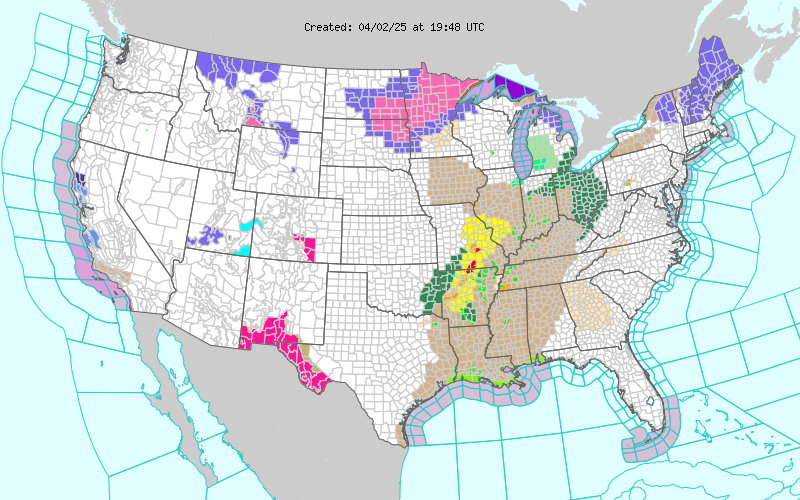
A Tale of Two Souths: Morning Fog to Afternoon Showers
The week begins with a distinct atmospheric split across the Southern Zone, a classic setup for this time of year. Many areas, particularly those inland and near river valleys, will awaken to widespread morning fog. This phenomenon, often a result of radiative cooling under clear skies and light winds, combined with ample ground moisture, can significantly reduce visibility. Drivers should exercise extreme caution during the early morning hours, as visibility can drop to a quarter-mile or less in dense patches. Temperatures during these foggy mornings will remain on the cooler side, hovering in the 40s and low 50s, creating a crisp, almost wintry feel before the sun makes its appearance.
However, as the day progresses, the narrative shifts dramatically. The influence of a developing low-pressure system to the west, coupled with increasing solar insolation, will usher in a noticeable warming trend. By afternoon, temperatures are expected to climb into the upper 60s and even low 70s in some areas, particularly closer to the Gulf Coast. This warming will also bring with it an increasing chance of rain showers. These showers, while generally scattered, could become more organized in certain locales, particularly as moisture is drawn northward from the Gulf of Mexico. This diurnal swing from cool, foggy mornings to mild, potentially wet afternoons is a hallmark of transitional seasons in the South, demanding adaptability in daily routines and wardrobe choices.
Historically, December in the South can be quite unpredictable. While typically milder than northern states, periods of significant warmth are often punctuated by cold fronts that bring sharp temperature drops. This week's forecast aligns with this pattern, showcasing the region's susceptibility to both lingering warmth and the early whispers of winter. Agricultural operations, from citrus groves in Florida to winter wheat fields in Oklahoma, closely monitor these temperature fluctuations and moisture levels, as both can critically impact crop health and yield. For instance, prolonged fog can delay field work, while unexpected afternoon showers can be a boon or a hindrance depending on the crop's needs.
Coastal Florida's December Outlook: Warmth and Wet Weather
Florida, often dubbed the "Sunshine State," lives up to its name for warmth this December, but with a significant caveat: expect considerable wet weather. Cities like Tampa, Orlando, Miami, and Jacksonville are all slated to experience consistently high temperatures, with daytime highs frequently reaching the upper 70s and even brushing the low 80s, feeling more like late spring than early winter. These temperatures are well above the seasonal averages for December, offering a pleasant escape for many seeking warmth.
However, this warmth comes hand-in-hand with a substantial chance of rain and even thunderstorms. Moisture streaming in from the Gulf of Mexico and the Atlantic, fueled by the warm air, will create an unstable atmosphere. Forecast models indicate a 60-80% chance of showers and thunderstorms across much of the Florida peninsula throughout the forecast period. While not every day will be a washout, residents and visitors should be prepared for intermittent heavy downpours, localized flooding in low-lying areas, and the potential for lightning. These conditions could significantly impact holiday travel, particularly at major airports like Orlando International (MCO) and Miami International (MIA), where flight delays due to weather are always a possibility. Road travel, especially on interstates like I-4, I-75, and I-95, could also be challenging with reduced visibility and slick conditions.
Outdoor activities, a cornerstone of Florida's appeal, will require careful planning. Theme park visitors, beachgoers, and those planning excursions to the Everglades should monitor radar updates closely and have contingency plans for indoor alternatives. The persistent warmth and moisture also have implications for the state's agricultural sector, particularly citrus growers who are vigilant about disease prevention in humid conditions. This December's forecast for Florida underscores the state's unique subtropical climate, where warmth and rain often coexist, even during the cooler months.
Gulf Coast and Lower Mississippi Valley: Foggy Starts and Scattered Showers
Moving westward along the Gulf Coast and into the Lower Mississippi Valley, a slightly different weather narrative unfolds, though morning fog remains a common theme. In iconic cities such as New Orleans, Jackson, and Houston, mornings will frequently begin with patchy fog. This fog is often thicker and more persistent in low-lying areas, near bodies of water, and especially along river systems like the Mississippi, where moisture is abundant and inversions are common. Light and calm winds will contribute to the longevity of these foggy conditions, making for challenging commutes until late morning.
As the fog lifts, temperatures will climb to mild levels, typically ranging from the mid-60s to low 70s. The region will experience mostly cloudy to partly sunny skies, with a slight chance of scattered rain showers developing in the afternoon. These showers are expected to be less intense and widespread than those anticipated in Florida, often driven by weak frontal boundaries or localized sea breeze convergence near the coast. The overall pattern suggests a relatively calm weather period, punctuated by these brief, light rain events.
The agricultural landscape of this region, encompassing vast areas of rice, cotton, and sugarcane, is less immediately impacted by these mild, scattered showers in December, as many crops are dormant or harvested. However, the consistent moisture can influence soil conditions for spring planting. For maritime activities in the Gulf, while no major storms are expected, patchy morning fog can affect shipping and fishing operations, requiring adherence to navigational warnings. Residents should enjoy the mild temperatures but remain mindful of the reduced visibility during morning drives.
Inland South: Chilly Mornings and Clearing Skies
Further north and inland, encompassing cities like Nashville, Little Rock, and Oklahoma City, the December forecast presents another variation on the Southern theme: distinctly chilly mornings followed by a gradual warming trend and clearing skies. These areas, being further removed from the moderating influence of the Gulf, are more susceptible to colder air masses settling in overnight, especially under clear skies. Morning temperatures will frequently dip into the low to mid-30s, with some isolated spots potentially seeing light frost. Like their coastal counterparts, these inland regions will also contend with areas of fog, particularly in river valleys and low-lying terrains, which can be quite dense and slow to dissipate.
However, the afternoon promises a welcome transition. As high pressure builds and the sun gains strength, the fog will burn off, giving way to mostly cloudy or partly sunny skies. Temperatures will rebound nicely, reaching the upper 50s and low 60s, a moderate and comfortable warming compared to the morning chill. The chance of rain in these inland areas is generally lower than along the coast, with most of the moisture expected to remain further south and east. This pattern creates pleasant afternoons ideal for outdoor errands or light recreation, provided one dresses in layers to accommodate the significant temperature swing.
Historically, December in these parts of the South can swing between mild and genuinely cold. While this forecast leans towards the milder side for afternoons, the potential for freezing temperatures overnight means that early winter preparations, such as protecting sensitive plants or checking heating systems, remain prudent. For agricultural producers in Oklahoma and Arkansas, particularly those growing winter wheat, these temperature fluctuations are closely watched. A period of consistent cold is often beneficial for vernalization, but extreme, sudden drops without snow cover can be damaging. This week's pattern, with its gradual warming, is generally favorable.
Navigating the Conditions: Travel and Safety Advisories
With such diverse weather across the Southern Zone, specific travel and safety advisories are paramount. For drivers, the widespread morning fog is the most immediate concern. When encountering fog, reduce your speed significantly, use your low-beam headlights (high beams reflect off the fog, worsening visibility), and increase your following distance. Avoid sudden braking or lane changes. If visibility becomes too poor, pull safely off the road and wait for conditions to improve. Remember, the danger of fog lies not just in reduced visibility, but also in the unpredictable nature of its density, which can change rapidly.
In areas experiencing afternoon showers and potential thunderstorms, particularly across Florida and parts of the Gulf Coast, wet roads will be a hazard. Hydroplaning is a serious risk, so slow down, ensure your tires are properly inflated, and maintain extra braking distance. During thunderstorms, lightning is a significant threat. If you hear thunder, seek immediate shelter indoors. Avoid open fields, tall trees, and bodies of water. For those traveling by air, monitor flight statuses closely, as delays and cancellations are possible due to convective weather. Marine advisories should also be heeded, as even localized squalls can pose risks to small craft.
General safety precautions for varying temperatures are also important. With morning lows potentially reaching freezing inland and afternoon highs soaring to the 80s in Florida, dressing in layers is key. Ensure heating systems are in good working order, especially in the Inland South, and check on elderly neighbors or those who may be vulnerable to cold. Pet owners should also ensure their animals have adequate shelter from the elements, whether it's the morning chill or afternoon rain. Staying informed through local weather alerts and official channels is the best defense against unexpected weather impacts.
Preparing for December's Diverse Weather: What You Need to Know
Given the forecast, proactive preparation will ensure a smooth week across the Southern Zone. For appropriate attire, think layers. A light jacket or sweater will be essential for cool, foggy mornings, easily shed as temperatures rise in the afternoon. Waterproof outerwear is a must for Florida and parts of the Gulf Coast, where rain chances are significant. Comfortable, closed-toe shoes are advisable, especially if you plan to be outdoors, to navigate potentially wet or damp conditions.
Home preparedness should focus on both moisture management and temperature regulation. In rain-prone areas, ensure gutters are clear to prevent overflow and foundation issues. Secure any outdoor items that could be blown around by stronger winds associated with thunderstorms. For the Inland South, where morning temperatures can dip, consider bringing in sensitive potted plants overnight. While widespread hard freezes are not expected, it's always a good practice to know how to protect exposed pipes if temperatures were to unexpectedly plummet.
When planning outdoor activities, flexibility is your best friend. In Florida, consider indoor attractions or schedule outdoor events for times when rain chances are lowest. Always have a backup plan. For those in the Inland South, mornings might be best spent indoors, saving outdoor walks or chores for the milder afternoons. This is also a good time to check your vehicle's tires and wipers, ensuring they are in good condition for both wet roads and reduced visibility. Remember, the weather in the South can change quickly, so a quick check of the local forecast before heading out is always a wise decision.
In summary, this December forecast for the Southern Zone is a vibrant reminder of the region's climatic diversity. From the subtropical warmth and rain of Florida to the distinct temperature swings of the Inland South, understanding and preparing for these conditions will allow everyone to navigate the week safely and comfortably. Stay informed, stay prepared, and enjoy the unique character of a Southern December.
Disclaimer: Forecast data is sourced from the National Weather Service (NWS) and is subject to change. This bot processes NWS data for aggregation and is not responsible for forecast accuracy.

Comments
Post a Comment
Please leave a comment.