Southern Skies: Diverse Weather Patterns Unfold Across the US South
Southern Skies: Diverse Weather Patterns Unfold Across the US South
The vast and vibrant Southern United States is once again showcasing its remarkable meteorological diversity. As we navigate through the heart of December, residents and travelers alike can expect a mosaic of conditions, ranging from balmy, near-summer warmth in the deepest South to crisp, wintry air further inland and westward. While no major widespread severe weather alerts are currently in effect, localized rain chances will develop overnight, bringing a subtle shift to an otherwise generally tranquil day. Understanding these nuanced regional differences is key to staying comfortable and prepared during this dynamic period.
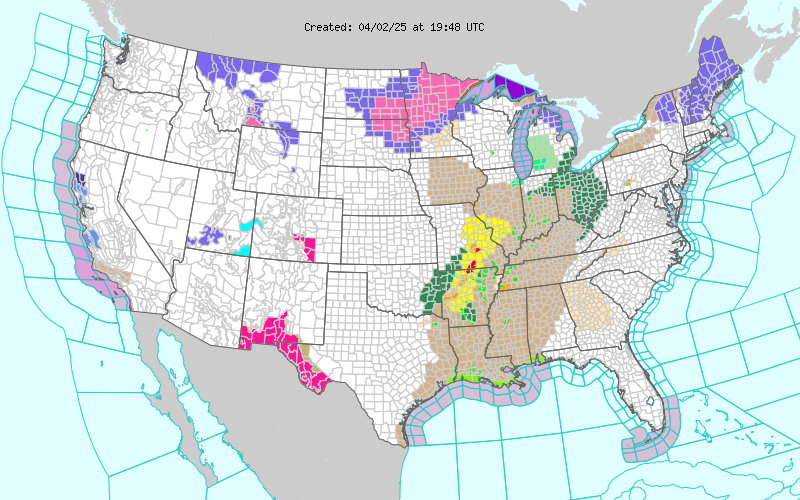
The image is a live image for the National Weather Service server. It gets updated on Real time.
A Tale of Two Seasons: Diverse Conditions Across the Southern US
Today's forecast for the Southern Zone paints a clear picture of climatic contrasts, a hallmark of this expansive region during the winter months. From the sun-drenched beaches of Florida to the chillier plains of Oklahoma, temperatures vary dramatically, influencing everything from daily routines to agricultural planning. The overarching theme for the day is generally pleasant, with ample sunshine gracing many areas. However, as evening approaches, a developing system will introduce increasing cloud cover and scattered rain chances across several states, particularly in the central and eastern portions of the zone. This atmospheric dance between warm, moist Gulf air and cooler continental air masses is a classic winter scenario for the South, creating a fascinating blend of conditions.
The subtropical warmth that often defines the Gulf Coast and Florida peninsula remains a dominant feature. Cities like Miami and Baton Rouge are enjoying temperatures well into the upper 60s and 70s Fahrenheit, fostering conditions more akin to late autumn than mid-December. This pleasant warmth, however, gives way to a more traditional winter chill as one moves north and west. Nashville, Tennessee, for instance, will struggle to get out of the low 40s today, while Oklahoma City is bracing for temperatures that barely climb above freezing. This significant temperature gradient is a classic setup for dynamic weather, even if the immediate forecast suggests relative calm. The lack of widespread severe weather alerts is certainly good news for the region, but it's crucial not to become complacent. Localized precipitation, even light rain, can still impact travel and outdoor activities. The transition from mostly sunny or partly cloudy days to increasingly cloudy nights with developing rain showers is a pattern worth noting for anyone with evening plans or those involved in sensitive outdoor operations. The Southern Zone, with its varied topography and proximity to both the Gulf of Mexico and continental air masses, is always a region where vigilance pays off, ensuring that residents are prepared for any subtle shifts in the weather narrative.
Detailed Regional Breakdown & Hourly Forecasts
Let's delve into the specifics, city by city, to provide a clearer, more granular picture of what to expect across this diverse Southern landscape for today and tonight, December 13th, 2025.
Florida's Sunshine & Emerging Showers
The Sunshine State largely lives up to its name for much of the day, though some areas will see a shift by nightfall, particularly in the southern reaches.
- In Miami, FL, expect a warm day at 78°F with mostly sunny skies and moderate winds around 13 mph. The evening will remain very warm at 76°F, but a "Chance of Showers and Thunderstorms" emerges, accompanied by 10 mph winds. This suggests a front or moisture pushing in from the south or east, bringing a notably tropical feel to the forecast.
- Tampa, FL, will experience a partly sunny day at 69°F with light winds of 6 mph, transitioning to mostly cloudy by nightfall with temperatures settling at 64°F and very light 2 mph winds.
- Orlando, FL, mirrors Tampa's pleasant daytime, with mostly sunny conditions and 69°F, and light 5 mph winds. The night cools to 61°F, becoming partly cloudy with virtually no wind, making for a comfortable evening.
- Further north, Jacksonville, FL, enjoys a sunny day at 63°F with minimal 2 mph winds, leading to a mostly clear night at 57°F, maintaining light winds.
Florida overall enjoys comfortable, mild conditions, but Miami residents should be prepared for potential evening rain and thunder, a distinct contrast to the clear skies elsewhere in the state.
The Central South: Rain Chances Emerge
Moving inland, a pattern of daytime pleasantness gives way to increasing chances of precipitation overnight, affecting several key metropolitan areas.
- Birmingham, AL, the primary city for this zone, will see a mostly sunny day at 57°F with calm winds. By night, temperatures will be 55°F, and "Light Rain Likely" is in the forecast with light 5 mph winds, signaling a damp close to the day.
- Jackson, MS, has a "Rain Showers Likely" forecast for the day at 59°F with no wind, indicating an earlier start to the wet weather here. The night brings a "Chance of Rain Showers" at 58°F with light 5 mph winds, maintaining the damp conditions.
- Atlanta, GA, enjoys a sunny day at 54°F with light 5 mph winds. The night cools slightly to 54°F, with a "Chance of Rain Showers" and similar light winds, suggesting a relatively mild but potentially wet evening.
- Baton Rouge, LA, is set for a mostly sunny day, a warm 70°F with light 5 mph winds. The night will drop to 55°F, bringing a "Chance of Rain Showers" with calm conditions, a notable temperature swing from day to night.
- New Orleans, LA, will be sunny and warm at 68°F with light 5 mph winds during the day. The night will be partly cloudy at 58°F with calm winds, offering a pleasant evening without the rain chances seen elsewhere in the region.
For these central Southern states, the message is clear: enjoy the pleasant daytime conditions, but have an umbrella ready for the evening and overnight hours as moisture begins to move in.
Cooler Western & Inland South
The western and more inland reaches of the Southern Zone present a decidedly cooler, and in some cases, truly wintry picture, highlighting the vast climatic differences within the region.
- Dallas, TX, will experience a mostly cloudy day at 51°F with calm winds, transitioning to a mostly cloudy night at 53°F with moderate 10 mph winds. While not freezing, it will be a crisp day.
- Houston, TX, is warmer, with a mostly cloudy day at 69°F and light 5 mph winds. The night remains warm at 68°F, with a "Slight Chance of Showers and Thunderstorms" and light winds, keeping a hint of Gulf moisture.
- Little Rock, AR, will be mostly cloudy all day and night, with temperatures around 41°F during the day (5 mph winds) and 40°F at night (10 mph winds). No precipitation is indicated, but it will feel damp and chilly.
- Nashville, TN, is significantly colder, with a mostly sunny day at a brisk 40°F and calm winds. The night drops to a chilly 34°F, becoming cloudy with moderate 10 mph winds, indicating a true winter feel.
- Oklahoma City, OK, is the coldest spot in our forecast, with a partly sunny day at a brisk 34°F and light 5 mph winds. The night plummets to 30°F, becoming mostly cloudy with strong 16 mph winds. This is a true winter day for Oklahoma City, with wind chill making it feel even colder.
- Finally, on the western edge, Albuquerque, NM, enjoys a sunny day at 44°F with calm winds, leading to a clear night at 45°F with light 5 mph winds. While sunny, the temperatures are firmly in the cool range.
Travelers and residents in these areas should be prepared for colder conditions, especially overnight, with strong winds in Oklahoma City adding significantly to the wind chill factor. Layering and proper insulation will be key for comfort.
Agricultural Impact: Navigating Winter's Whims
The diverse weather patterns across the Southern Zone have profound implications for the region's robust agricultural sector. From the citrus groves of Florida to the winter wheat fields of Texas and Oklahoma, farmers are constantly monitoring conditions to protect their livelihoods and plan for future seasons. The subtle shifts in temperature and precipitation outlined in this forecast, while not extreme, require careful consideration from agricultural producers.
The warm temperatures in Florida are generally beneficial for citrus crops, allowing continued growth and maturation without the threat of damaging freezes. However, the "Chance of Showers and Thunderstorms" in Miami, while localized, could bring much-needed moisture to some areas or, if intense, temporary disruptions to harvesting schedules. For other row crops and vegetables grown throughout the state, consistent warmth without extreme heat or cold is ideal for maximizing winter production and ensuring a steady supply to markets.
Moving into the central Southern states like Mississippi, Alabama, Louisiana, and Georgia, the developing "Rain Showers Likely" or "Chance of Rain Showers" overnight is a mixed blessing. While many agricultural lands could benefit from additional moisture for soil hydration, especially for winter pasture growth and perennial crops, excessive or prolonged rain could delay critical fieldwork. Farmers with late-season harvests, such as pecans or cotton, or those preparing fields for spring planting, will need to assess soil saturation carefully to prevent compaction and ensure optimal conditions for machinery operation. Livestock producers in these areas will also need to manage muddy conditions, which can lead to health issues for animals.
The colder temperatures in states like Tennessee, Arkansas, and particularly Oklahoma and New Mexico, present a different set of challenges. Winter wheat, a major crop in parts of Oklahoma and Texas, is typically hardy and can withstand freezing temperatures, especially when protected by a blanket of snow or good soil moisture. However, sustained cold without adequate protection can lead to winterkill, impacting future yields. Livestock producers in these colder zones must ensure animals have access to shelter, adequate feed, and unfrozen water, especially with overnight temperatures dipping below freezing in Nashville and Oklahoma City. The strong winds in Oklahoma City will exacerbate the cold, increasing stress on outdoor animals and requiring additional caloric intake to maintain body temperature.
Farmers across the Southern Zone are adept at adapting to these varied conditions, often relying on historical weather patterns, advanced meteorological data, and modern forecasting tools to make informed decisions. This period of temperature contrasts serves as a potent reminder of the constant vigilance required in agricultural management, where every degree and every drop of rain can influence the success of a growing season.
Travel Advisories & Road Conditions
For those planning to travel across the Southern Zone, the forecast for today and tonight presents a generally favorable picture, but with specific caveats that warrant attention, particularly as night falls and conditions evolve.
Daytime travel across most of the region should be smooth and largely unimpeded. Sunny or partly cloudy skies will prevail over wide swaths of the South, coupled with light to moderate winds. The warm conditions in Florida and parts of the Gulf Coast make for particularly pleasant driving, ideal for those embarking on holiday journeys or local excursions. Visibility will be good, and roads will generally be dry, allowing for comfortable travel.
However, as we transition into the evening and overnight hours, the developing "Light Rain Likely" or "Chance of Rain Showers" in states like Alabama, Mississippi, Georgia, and parts of Louisiana and Texas warrants careful attention. Wet roads can significantly increase braking distances and reduce tire traction, posing a heightened risk for accidents. Drivers should proactively reduce speed, increase following distances to allow for more reaction time, and be extra cautious, especially on bridges and overpasses where surfaces can become slick more quickly due to cooler temperatures and reduced air circulation. Visibility may also be reduced during rain showers, necessitating the use of headlights and careful observation of surroundings.
In the colder western and inland areas, particularly in Oklahoma City and Nashville where overnight temperatures drop to or below freezing, there's a slight, though currently unforecasted, risk of patchy black ice. This can occur if any residual moisture is present on roads from earlier precipitation or condensation, freezing on contact with cold surfaces. While no ice is explicitly forecast, it's a good practice to be aware of this possibility when temperatures hover around the freezing mark, especially in shaded areas or on less-traveled roads. The strong winds in Oklahoma City could also make driving high-profile vehicles more challenging, requiring drivers to maintain a firm grip on the steering wheel and be prepared for sudden gusts.
Always check local traffic reports and the latest weather updates from reputable sources before embarking on an overnight journey. Ensure your vehicle's tires are properly inflated and have adequate tread, windshield wipers are in good condition, and headlights and taillights are functioning correctly. A well-maintained vehicle is your first line of defense against adverse road conditions.
Essential Preparedness Tips for the Shifting South
Given the broad spectrum of weather conditions across the Southern Zone, a versatile and proactive approach to preparedness is not just advisable, but essential for ensuring comfort and safety for all residents and visitors.
- Layer Up: For those in the cooler northern and western parts of the zone (Tennessee, Arkansas, Oklahoma, New Mexico, North Texas), layering clothing is absolutely essential. While daytime temperatures might be tolerable, the significant drop overnight necessitates warmer attire. Even in the warmer states, a light jacket or sweater for evening outings is a good idea, as temperatures can still dip noticeably after sunset.
- Rain Readiness: If you're in an area expecting "Rain Showers Likely" or "Chance of Rain Showers" (Alabama, Mississippi, Georgia, parts of Louisiana and Texas), keep an umbrella or raincoat handy. Ensure your home's gutters are clear and downspouts are directed away from foundations to effectively manage rainwater runoff and prevent potential water damage.
- Vehicle Checks: Regardless of your specific location within the Southern Zone, ensure your vehicle is ready for the varied winter conditions. Check tire pressure, wiper fluid levels, and battery health, as colder temperatures can strain automotive systems. If traveling to colder areas, confirm your anti-freeze levels are adequate.
- Home Heating: In areas like Nashville and Oklahoma City, where overnight temperatures dip below freezing, ensure your heating system is working efficiently and has been recently serviced. Seal any drafts around windows and doors to conserve energy and stay warm, which can also help reduce utility bills.
- Protect Pipes: For areas expecting freezing temperatures, it's wise to take precautions to prevent pipes from freezing and bursting. This includes insulating outdoor spigots, wrapping pipes in unheated areas (like crawl spaces or garages), and allowing indoor faucets to drip slightly to maintain water flow during extreme cold.
- Emergency Kit: Even in mild weather, a basic emergency kit is always a good idea. Include essentials like flashlights, extra batteries, a first-aid kit, non-perishable food, and water. For colder regions, include blankets or sleeping bags.
- Stay Informed: The most crucial tip is to stay updated with local forecasts. Weather conditions can change rapidly, and being aware of the latest information from reputable sources like the National Weather Service is paramount for making timely decisions regarding travel, outdoor activities, and personal safety.
Even without severe alerts, proactive preparation ensures comfort and safety for everyone in the Southern Zone, allowing you to enjoy the unique charm of a Southern winter without unexpected disruptions.
Historical Context: Winter Weather in the Southern States
The current forecast, with its stark contrasts between warm coastal areas and chilly inland regions, is a classic representation of winter's dynamic personality in the Southern United States. Historically, this region has always been a battleground for air masses, with warm, moist air from the Gulf of Mexico frequently clashing with cold, dry air masses descending from the continental interior. This meteorological tug-of-war is what gives Southern winters their unique and often unpredictable character.
Southern winters are notoriously variable. While many outside the region associate the South primarily with mild, pleasant winters, history is replete with examples of significant cold snaps, crippling ice storms, and even substantial snow events that can paralyze communities unaccustomed to such conditions. For instance, while Oklahoma City is experiencing a cold day today, it's not unheard of for the city to see heavy snowfall, sometimes even impacting areas further south into Texas and Arkansas. Similarly, states like Georgia and Alabama, which are forecasting rain today, have, in past winters, faced crippling ice storms that have caused widespread power outages, brought down trees, and created treacherous travel conditions for days on end.
Conversely, prolonged periods of unseasonably warm weather, like those currently enjoyed in parts of Florida and the Gulf Coast, are also a common feature of Southern winters. These warm spells can have a dual impact: they can be a boon for tourism, outdoor recreation, and local economies, but they can also confuse local flora and fauna. Premature budding of plants or altered migration patterns of birds and insects can leave them vulnerable to subsequent, inevitable cold fronts that eventually push through the region, sometimes leading to significant ecological stress.
The absence of widespread significant weather alerts in today's forecast should not diminish the understanding that winter in the South demands respect and readiness. This region's climate history teaches us to expect the unexpected and to appreciate the intricate dance between tropical and arctic influences that shapes its unique weather tapestry. The current conditions, with their wide range of temperatures and localized rain chances, serve as a gentle reminder of this inherent variability, urging residents to remain adaptable, informed, and prepared for whatever the Southern winter may bring next.
As the day progresses across the Southern Zone, residents will experience a spectrum of weather, from delightful warmth to brisk, wintry air, with an increasing chance of rain showers emerging overnight for many. While no major weather advisories are in place, staying informed about localized conditions is always prudent. Embrace the unique character of Southern winter, prepare for the slight shifts, and enjoy the beauty of this diverse region.
This post is created using the public data provided by the National Weather Service. Please check the Original source for more information.

Comments
Post a Comment
Please leave a comment.