Southern Skies: Navigating a Diverse December Day Across the U.S. South
Southern Skies: Navigating a Diverse December Day Across the U.S. South
As we navigate the heart of December, the Southern United States presents a fascinating tapestry of atmospheric conditions. From the misty mornings along the Gulf Coast to the crisp, clear skies in the western Plains, Sunday promises a day of significant weather diversity. This detailed forecast will guide you through the day's dominant patterns, offering crucial insights for travel, agriculture, and daily life across this expansive and vibrant region. Understanding these nuances is key to appreciating the complex interplay of factors that shape our daily weather.
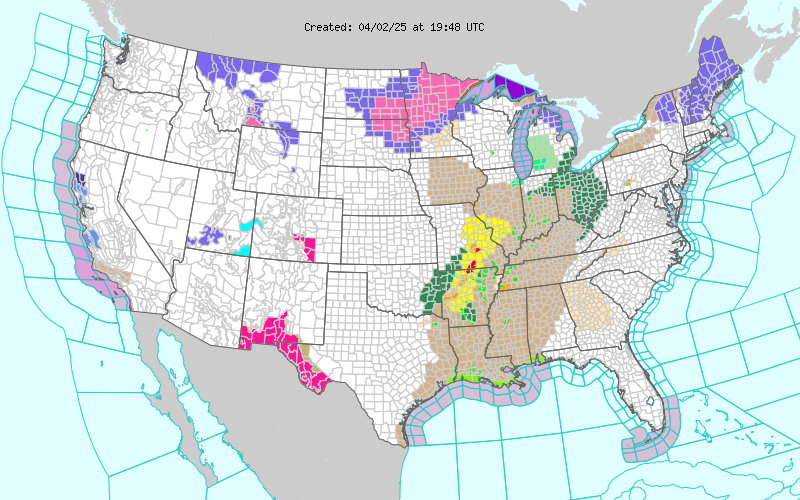
A Snapshot of Sunday's Weather Across the Southern Zone
Sunday across the Southern Zone is characterized by a trio of dominant weather patterns: a widespread veil of morning fog, the potential for afternoon showers, particularly in the Southeast, and a striking range of mild temperatures. This combination creates a dynamic environment that demands attention from residents and travelers alike. The day begins with many areas shrouded in mist, giving way to varied conditions as the sun climbs higher.
Regional variations will be pronounced. The Gulf Coast states and Florida are bracing for higher humidity and increased chances of rainfall, indicative of a persistent moisture flow from the Gulf of Mexico. Moving westward into the Plains, conditions are expected to be considerably drier and, in some areas, cooler, reflecting the influence of different air masses. This stark contrast highlights the vast geographical and meteorological diversity within the Southern U.S.
For major metropolitan areas, the outlook is equally varied. Cities like New Orleans, Houston, and Orlando will contend with lingering moisture and warmer temperatures, while Nashville, Atlanta, and Birmingham will experience a cooler start before temperatures moderate. Oklahoma City and areas further west will likely see clearer skies after the morning fog dissipates, enjoying a drier, albeit still mild, December day. Understanding these localized forecasts is essential for planning your day effectively.
Morning's Veil: Widespread Fog Impacts Travel and Visibility
The early hours of Sunday will see a significant portion of the Southern Zone enveloped in patchy to widespread fog, creating challenging conditions for morning commuters and travelers. This dense atmospheric phenomenon is expected to affect a broad swath of cities, including Nashville, Birmingham, Jackson, Little Rock, New Orleans, Baton Rouge, Houston, Orlando, Atlanta, and Oklahoma City. Visibility will be severely reduced in many locations, making for treacherous driving conditions and potential delays for air travel. This type of radiation fog often forms overnight under clear skies and light winds, trapping moisture close to the ground as temperatures drop.
For drivers and commuters navigating reduced visibility, essential safety tips cannot be overstated. It is paramount to slow down significantly, maintain an increased following distance from other vehicles, and use your low-beam headlights. High beams will only reflect light back into your eyes, worsening visibility. Avoid sudden braking or lane changes. If visibility becomes too poor, consider pulling safely off the road until conditions improve. Patience and caution are your best allies during these foggy mornings.
Historically, winter fog events are a common feature in the Southern U.S. The region's topography, proximity to warm bodies of water like the Gulf of Mexico, and typical December weather patterns often create ideal conditions for fog formation. These events, while beautiful, can have significant impacts on transportation infrastructure, leading to major traffic delays, flight cancellations, and even multi-vehicle accidents. Their typical duration varies, but many widespread fog events can persist for several hours after sunrise, only dissipating as the sun's warmth begins to burn off the moisture. Understanding these historical patterns helps us appreciate the recurrent nature of this atmospheric phenomenon and the importance of preparedness.
Southeastern Showers: Rain Chances from Florida to the Gulf Coast
As the morning fog gives way, the focus shifts to the Southeastern quadrant of the Southern Zone, where rain showers and even isolated thunderstorms are on the forecast. Florida, from Tampa and Orlando to Jacksonville and Miami, can expect varying probabilities and intensities of rainfall throughout the afternoon. Similarly, the Gulf Coast region, encompassing cities like Jackson, New Orleans, Baton Rouge, and Birmingham, will also see increased chances of precipitation. These showers are likely to be sporadic but could be heavy at times, especially in areas where atmospheric instability is higher. While widespread severe weather is not anticipated, localized downpours could lead to temporary standing water on roads.
The potential impacts of these showers and thunderstorms extend beyond mere inconvenience. Outdoor activities, from local festivals and sporting events to recreational outings, could be disrupted. Organizers and participants should monitor local forecasts closely and have contingency plans in place. Agriculturally, these rain events can have mixed effects. While some winter crops, like citrus in Florida or certain vegetable varieties, benefit from the moisture, excessive rainfall can hinder field access for farmers, potentially impacting planting schedules or harvesting operations. The timing and duration of these showers are critical for growers managing their fields.
Insights into typical December rainfall patterns for these moisture-rich regions reveal that the Gulf Coast and Florida often experience significant precipitation during the winter months. This is largely due to the continued flow of moist air from the Gulf of Mexico and occasional frontal systems sweeping through the region. This consistent moisture contributes to the region's lush landscapes and supports its diverse agricultural sector. However, it also means that the ground can become saturated, increasing the potential for localized flooding in low-lying areas or urban environments with inadequate drainage. Residents should be mindful of flood advisories and avoid driving through standing water.
Mild Winter Warmth: Temperature Trends Across the Southern States
One of the most striking features of Sunday's forecast is the significant temperature range observed across the Southern Zone, underscoring the vast geographical expanse and diverse meteorological influences at play. Morning lows in the cooler, northern reaches, such as Nashville, Atlanta, and Birmingham, could dip into the chilly 30s. However, as the day progresses, afternoon highs in the southernmost and coastal areas will soar. Miami, for instance, could see temperatures reaching into the upper 70s, even touching the low 80s, while Houston will enjoy comfortable highs in the mid-70s. This dramatic swing from near-freezing to summer-like warmth within the same region is a testament to the dynamic nature of December weather in the South.
A clear comparison can be drawn between the cooler, drier conditions prevailing in the western parts of the zone, exemplified by cities like Oklahoma City and Albuquerque, and the milder, wetter eastern and coastal areas. This dichotomy is often a result of prevailing air masses and the position of frontal boundaries. A cooler, drier continental air mass might be influencing the western Plains, while a warmer, more humid maritime air mass from the Gulf of Mexico dominates the eastern and southeastern states. This interaction creates a distinct temperature gradient, influencing everything from cloud cover to precipitation chances.
These mild December temperatures have a profound influence on local ecosystems, energy consumption, and daily life. For ecosystems, extended periods of mild weather can affect the dormancy cycles of plants, potentially leading to early budding or confusion for migratory birds. Insect activity might also persist longer than usual. From an energy consumption standpoint, many households in the warmer areas might still be running air conditioning, or at least fans, rather than heating systems, which is atypical for mid-December. For daily life, these pleasant temperatures encourage outdoor activities, from golf to hiking, and influence clothing choices, allowing for lighter attire than one might expect for winter. However, it also means being prepared for rapid temperature drops if a cold front were to push through.
Navigating the Day: Essential Travel and Preparedness Tips
Given the diverse weather conditions across the Southern Zone, comprehensive advice for safe travel is paramount. For those encountering morning fog, the primary precaution is to reduce speed significantly. Use your low-beam headlights and fog lights if available; high beams will only worsen visibility by reflecting off the moisture particles. Increase your following distance to allow ample time for braking. If you encounter dense fog, avoid sudden stops or lane changes. If visibility becomes dangerously low, pull off the road safely, turn on your hazard lights, and wait for conditions to improve. For areas expecting rain, be mindful of wet roads, which can drastically reduce tire traction and increase stopping distances. Watch out for hydroplaning, especially at higher speeds or during heavy downpours. Ensure your tires are properly inflated and have adequate tread depth.
For residents and visitors planning outdoor activities or attending events, flexibility and preparedness are key. In foggy areas, outdoor plans might need to be delayed until visibility improves. In the Southeast, where showers are expected, carrying an umbrella or a light rain jacket is advisable. Many events might have indoor alternatives or contingency plans, so checking event websites or social media for updates is a good practice. Even in the milder, sunnier areas, dressing in layers is always a wise choice, as temperatures can still fluctuate throughout the day, especially from morning to afternoon. Don't forget sun protection in the warmer, clearer zones, as UV radiation can still be strong even in December.
Practical tips for home preparedness can also enhance comfort and safety during these varying conditions. In humid coastal regions, running a dehumidifier can help manage indoor air quality and prevent mold growth. For areas expecting rain, ensure your gutters and downspouts are clear to prevent water from pooling around your home's foundation. With temperatures ranging from chilly to warm, ensure your heating and cooling systems are functioning efficiently. A mild December can sometimes lull us into a false sense of security, so it's always good to have an emergency kit ready, including flashlights, extra batteries, and any necessary medications, just in case of unexpected power outages or weather shifts.
Beyond the Forecast: Understanding December's Climate in the South
To truly appreciate Sunday's weather, it's beneficial to place it within the broader context of December's climate in the Southern Zone. Historically, early December in much of the South marks the transition from a relatively mild autumn to the cooler, but often still temperate, winter months. Current conditions, characterized by widespread fog and mild temperatures, align somewhat with long-term averages for many areas, particularly the prevalence of moisture along the Gulf Coast. However, the extent of the warmth in Florida and parts of Texas is notably on the higher side of the historical average, suggesting a slightly warmer-than-usual start to the meteorological winter for some regions. This variability is a hallmark of Southern climate, influenced by a complex interplay of global and regional factors.
Agricultural considerations are always at the forefront during such dynamic weather. The morning fog, while impacting visibility, can also deposit dew, providing some moisture to winter crops like wheat and oats in the Plains, or various cover crops planted for soil health. However, persistent dampness from fog can also increase the risk of fungal diseases in certain vulnerable crops. Mild temperatures, while generally beneficial for livestock, allowing for extended grazing periods and reducing feed costs, can also pose challenges. Unseasonably warm weather might disrupt the natural dormancy cycles of fruit trees or certain perennial crops, potentially impacting future yields. Farmers are constantly balancing these immediate impacts with long-term crop health and planning for future planting cycles, adapting to the nuances of each season.
Broader climate insights suggest that these daily weather events fit into a larger picture of seasonal and long-term climate trends in the Southern United States. The region is experiencing shifts, including a general trend towards warmer winters and changes in precipitation patterns. Phenomena like El Niño or La Niña, which influence global weather, can have significant impacts on the Southern U.S. during winter, often dictating whether a season leans towards wetter/cooler or drier/warmer conditions. Understanding these larger climate drivers helps us contextualize individual weather events and anticipate future trends, allowing for better long-term planning for everything from urban infrastructure to agricultural strategies. This December day, with its blend of fog, rain, and warmth, serves as a vivid reminder of the South's ever-changing, yet consistently fascinating, atmospheric character.
Stay informed, stay safe, and enjoy the diverse beauty of the Southern skies this Sunday.
This post is created using the public data provided by the National Weather Service. Please check the Original source for more information.

Comments
Post a Comment
Please leave a comment.