Southern Skies: A Tale of Two Seasons Across the US South This December
Southern Skies: A Tale of Two Seasons Across the US South This December
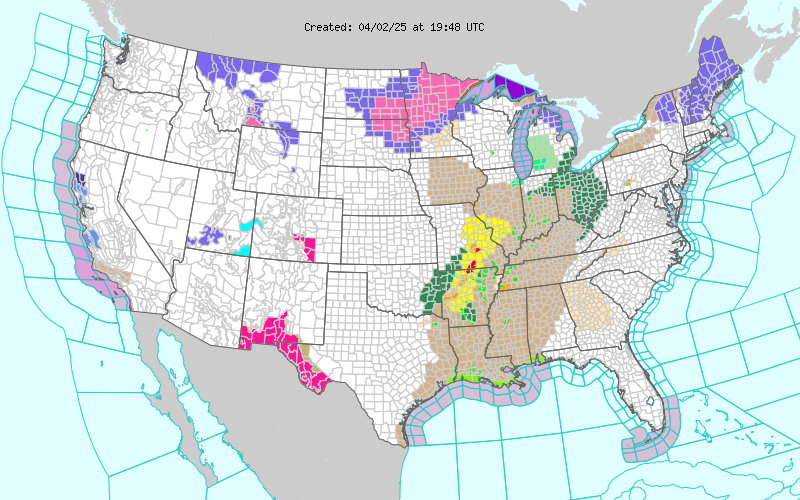
As December unfolds, the vast and varied landscape of the American South presents a fascinating meteorological mosaic. From the sun-drenched beaches of Florida to the crisp, often frosty plains of Oklahoma and the rolling hills of Tennessee, this expansive region is truly a land of climatic contrasts. This month, residents and visitors alike will experience everything from enduring warmth to the definite chill of early winter, often within a single day's journey.
Understanding these diverse weather patterns is key to planning for travel, outdoor activities, and daily life. We'll delve into the specific forecasts for key sub-regions, offering insights into temperatures, precipitation, and what these conditions mean for the local environment and economy. Prepare to navigate a Southern December that promises both balmy breezes and bracing cold fronts, a true testament to the region's dynamic climate.
A Regional Overview: Contrasting Climates Unfold
The Southern Zone, a sprawling expanse stretching from the subtropical Gulf Coast deep into the Mid-South, is rarely uniform in its December weather. This year is no exception, with a clear delineation emerging between the consistently mild conditions of the Florida peninsula and the noticeably colder air gripping states further north and west. This stark difference isn't just a matter of a few degrees; it represents entirely different seasonal experiences.
While Miami might be enjoying temperatures perfect for a swim, Oklahoma City residents will be bundling up against a genuine winter chill. The Gulf Coast states, nestled in between, will experience a more temperate but often wetter December, influenced by the warm waters of the Gulf of Mexico. This detailed breakdown aims to provide a comprehensive guide, ensuring you're well-informed whether you're planning a holiday getaway or simply preparing for the weeks ahead in your hometown.
Florida's Enduring Warmth: Sunshine and Mild Breezes Beckon
For those dreaming of a warm escape as winter descends upon much of the nation, Florida remains the quintessential haven. Throughout December, the Sunshine State is expected to live up to its name, offering consistently pleasant conditions that are a magnet for tourists and a joy for residents. Cities like Miami, Tampa, Orlando, and Jacksonville will experience daily high temperatures comfortably ranging from the low to mid-70s°F (21-26°C).
Overnight lows will typically settle into the 50s°F (10-15°C), rarely dipping to levels that would require heavy winter attire. Skies will be predominantly clear and sunny, punctuated by only occasional, brief showers that tend to pass quickly, leaving behind refreshed air and brilliant blue skies. Light to moderate breezes, often from the east or southeast, will provide a gentle cooling effect, particularly along the extensive coastline, making conditions ideal for beach visits, golfing, and all manner of outdoor pursuits. Historically, December is one of Florida's most appealing months, offering a delightful respite from the colder climates elsewhere, and this year's forecast aligns perfectly with that cherished tradition, ensuring its continued appeal as a premier winter destination.
Chilly Grip on the Central South: From Oklahoma to Tennessee
In stark contrast to Florida's persistent warmth, the heart of the Central South will firmly embrace the early stages of winter this December. Residents in cities such as Oklahoma City, Nashville, and Little Rock should prepare for a noticeable drop in temperatures, signaling a clear shift from autumn's lingering mildness. Daily highs across this sub-region are anticipated to hover in the 40s°F to low 50s°F (4-12°C), making warm outerwear a daily necessity.
The nights will be particularly crisp, with overnight temperatures frequently plunging into the 20s°F (-6 to -1°C), bringing with it the potential for widespread frost. While significant snowfall is not widely predicted for most of the month, these cold snaps mean that icy patches on roads and sidewalks could become a concern, particularly during early morning hours. Skies will generally range from mostly clear to partly cloudy, with light to moderate winds, often from the north following a cold front, intensifying the feeling of chill. This seasonal transition has practical implications for daily life, including increased energy consumption for heating homes and a natural shift towards indoor activities and events, as communities prepare for the deeper winter months ahead.
Gulf Coast's Mixed Bag: Rain Chances and Moderate Temperatures
The Gulf Coast, encompassing vibrant cities like New Orleans, Houston, and Jackson, MS, will experience a December that offers a blend of moderate temperatures and a higher likelihood of precipitation. This region often finds itself in a dynamic meteorological zone, influenced by both continental air masses and the moisture-rich atmosphere of the Gulf of Mexico. Daily high temperatures are expected to be comfortable, generally ranging from the mid-50s°F to low 60s°F (10-17°C), with overnight lows typically falling into the 40s°F (4-9°C).
However, the defining characteristic for this area will be the increased probability of scattered rain showers. As frontal systems move across the region, they tend to tap into Gulf moisture, leading to periods of light to moderate rain. While not necessarily constant downpours, an umbrella or waterproof jacket will be a wise companion for those venturing out. The humidity levels, while not as oppressive as the summer months, will be noticeably higher than in the drier Central South. This mixed bag of conditions means that outdoor plans will require careful monitoring of the daily forecast, as a sunny morning could easily give way to an afternoon shower, impacting everything from city strolls to holiday market visits.
Navigating the Southern Landscape: Travel and Outdoor Advisories
For travelers planning to explore the diverse Southern landscape this December, preparation is paramount. The significant climatic variations across the zone necessitate a thoughtful approach to packing and planning. A road trip from the balmy beaches of South Florida to the chilly interior of Arkansas, for instance, could involve a temperature swing of 30 to 40 degrees Fahrenheit. Layering is not just recommended; it's essential.
For Florida, light clothing, swimwear, and perhaps a light sweater or jacket for cooler evenings will suffice. However, venturing into the Central South demands genuine winter gear: heavy coats, hats, gloves, and sturdy, waterproof footwear. The Gulf Coast calls for versatile clothing, including waterproof outer layers, to handle both moderate temperatures and potential rain showers. Outdoor activities will vary greatly by region; Florida's parks and beaches remain prime, while the Central South offers brisk hiking opportunities, but vigilance for icy conditions is crucial. The varied weather can also impact local events, from outdoor festivals needing contingency plans to agricultural operations requiring specific protections. Always consult local advisories and event schedules before finalizing plans.
Historical Context and Agricultural Implications
December's weather in the Southern Zone, while presenting distinct regional differences this year, largely aligns with historical patterns. The region has always been characterized by its climatic diversity in winter, with cold snaps being a regular feature in the northern reaches, though prolonged periods of extreme cold are less common than in more northerly latitudes. Florida's consistent warmth, for example, is a historical anomaly compared to much of the continental U.S. This year's forecast, therefore, reflects a typical December, albeit with its usual regional distinctions, rather than any extreme deviation from long-term averages.
The agricultural sector, a cornerstone of the Southern economy, is particularly sensitive to these weather patterns. In Florida, the mild, sunny conditions are ideal for the ripening and harvesting of citrus fruits and a variety of winter vegetables such as tomatoes and strawberries. This sustained warmth minimizes the risk of damaging freezes, which are a constant, albeit later-season, concern for Florida growers. Conversely, the colder temperatures in the Central South are beneficial for meeting the chilling requirements of certain fruit trees, like peaches and apples, and preparing the soil for spring planting. Winter wheat and other cool-season crops in these areas are typically dormant or slow-growing, benefiting from consistent cold. Farmers here are more vigilant about sudden, deep freezes or ice storms. Along the Gulf Coast, moderate temperatures and intermittent rainfall support winter pasture growth for livestock and help maintain crucial soil moisture for early spring planting preparations. However, excessive rainfall in this region could lead to localized flooding or hinder field access. While this forecast reflects short-term patterns, the broader climate trend for the South indicates increasing variability in winter weather, with occasional extreme events becoming more pronounced, underscoring the need for adaptive agricultural practices and long-term planning.
Staying Prepared: Essential Tips for Residents and Visitors
Regardless of where you are in the Southern Zone this December, preparedness is key to safely and comfortably navigating the varied conditions. For those in Florida enjoying the warmth, remember to stay hydrated, apply sunscreen, and be mindful of heat exposure even in what locals call "winter." Air conditioning might still be necessary indoors, especially during peak afternoon hours. In the Central South, where the cold grip is firm, ensure your home's heating system is in good working order, insulate pipes to prevent freezing, and dress in multiple layers when outdoors. Protecting pets from the cold is also crucial in these areas.
Along the Gulf Coast, where moderate temperatures meet rain chances, keep gutters clear and ensure proper drainage around your property to mitigate any potential issues from increased rainfall. Always have rain gear readily accessible. For anyone traveling by vehicle across the region, perform a thorough check of your tires, fluid levels, and battery. Be prepared for both dry, warm roads and potentially wet or icy patches as you move northward. An emergency kit in your car, stocked with blankets, water, and basic tools, is always a wise precaution. Most importantly, consistently monitor local weather alerts and forecasts from reliable sources like the National Weather Service or local news outlets. Weather conditions can change rapidly, and having an emergency plan in place, including communication strategies, will ensure you're ready for any unexpected shifts. Stay informed, stay prepared, and enjoy the unique tapestry of Southern December weather.
Disclaimer: Forecast data is sourced from the National Weather Service (NWS) and is subject to change. This bot processes NWS data for aggregation and is not responsible for forecast accuracy.

Comments
Post a Comment
Please leave a comment.