Southern US Weather Alert: Arctic Blast Follows Weekend Rain
Southern US Weather Alert: Arctic Blast Follows Weekend Rain
The Southern United States is bracing for a significant shift in weather patterns this weekend, transitioning from mild, damp conditions to a starkly colder, clear, and windy environment. A potent cold front is poised to sweep across the region, bringing with it a dramatic drop in temperatures that will usher in true winter weather for many areas, particularly those inland. While some parts of Florida will maintain their characteristic warmth, the majority of the Southern Zone, from the plains of Oklahoma and Texas eastward through the Deep South, will experience a profound change.
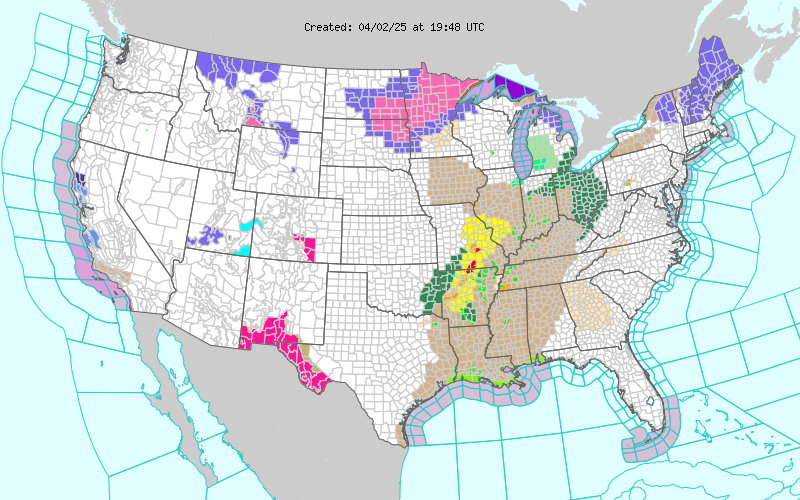
The image is a live image for the National Weather Service server. It gets updated on Real time.
This forecast demands attention from residents, travelers, and agricultural communities alike. Understanding the nuances of this cold air intrusion, its historical context, and the necessary preparedness steps will be crucial for navigating the coming days safely and comfortably. Our detailed analysis will delve into specific city forecasts, explore the broader meteorological drivers, and offer practical advice to ensure you are well-informed.
Current Conditions: A Look Across the Southern Zone (Evening, December 13th)
As we head into the evening hours of December 13th, the Southern Zone presents a varied weather tapestry. Many areas are experiencing mild temperatures, but the leading edge of a weather system is already making its presence felt with scattered precipitation.
- Florida Peninsula: Miami, Florida, is experiencing warm conditions at 76°F, with showers and thunderstorms likely. Tampa and Orlando are slightly cooler, around 64-66°F, under partly cloudy skies with light winds. Jacksonville, at 58°F, is also partly cloudy with minimal wind.
- Gulf Coast & Deep South West: Houston, Texas, is warm at 70°F with a slight chance of showers and thunderstorms. New Orleans and Baton Rouge, Louisiana, are both around 56-58°F, with New Orleans partly cloudy and Baton Rouge having a slight chance of rain showers. Jackson, Mississippi, registers 61°F with a chance of rain showers.
- Deep South Inland: Birmingham, Alabama, is seeing light rain likely at 56°F. Atlanta, Georgia, is at 57°F with a chance of rain showers. Nashville, Tennessee, is cloudier and cooler at 40°F. Little Rock, Arkansas, is mostly cloudy at 41°F. Winds in these areas are generally light, ranging from 5 to 10 mph.
- South Central Plains: Dallas, Texas, is cooler at 51°F with a slight chance of drizzle and moderate winds of 15 mph. Oklahoma City, Oklahoma, is quite chilly at 34°F under mostly cloudy skies with brisk 14 mph winds. Further west, Albuquerque, New Mexico, enjoys mostly clear skies at 46°F with light winds.
The pattern clearly indicates a warmer, wetter influence across the eastern Gulf Coast and Florida, while a colder, more unsettled air mass is already impacting the central and western portions of the zone, signaling the impending arrival of a significant cold front.
Tomorrow's Outlook: December 14th Forecast
The morning of December 14th will reveal a dramatically different weather landscape across much of the Southern Zone, as the cold front asserts its dominance. Temperatures will plummet, and skies will generally clear out behind the system, though strong winds will persist in many areas.
- Florida Peninsula: Miami will remain warm at 75°F with a chance of rain showers and moderate 6 mph winds. Tampa and Orlando will see pleasant conditions, reaching 69-70°F under mostly sunny skies with light to moderate winds (3-5 mph). Jacksonville will be sunnier and cooler than Miami, at 65°F, but with a noticeable 13 mph wind.
- Gulf Coast & Deep South West: A significant temperature drop is forecast here. Houston, Texas, will cool down to 56°F under cloudy skies with 15 mph winds. Jackson, Mississippi, will be much colder at 35°F, mostly sunny with 15 mph winds. Baton Rouge and New Orleans, Louisiana, will see temperatures around 50-56°F, with New Orleans mostly cloudy and Baton Rouge partly sunny, both experiencing 15 mph winds.
- Deep South Inland: This region will experience the most drastic temperature plunge. Nashville, Tennessee, is forecast to be a frigid 17°F and sunny, with strong 15 mph winds. Little Rock, Arkansas, will reach only 24°F, sunny with 15 mph winds. Birmingham, Alabama, will drop to 30°F, sunny but very windy at 20 mph. Atlanta, Georgia, will be cold at 37°F, sunny with 15 mph winds.
- South Central Plains: These areas will remain quite cold. Oklahoma City, Oklahoma, will be a very cold 20°F and sunny with 10 mph winds. Dallas, Texas, will only reach 33°F, mostly sunny with 15 mph winds. Albuquerque, New Mexico, will be 32°F and sunny with lighter 5 mph winds.
The takeaway for Sunday morning is clear: bundle up! The widespread sunshine will be deceptive, as strong winds will make the already frigid temperatures feel even colder, especially across the central and eastern parts of the Southern Zone.
Regional Deep Dive: City-Specific Forecasts and Impacts
Florida Peninsula: Continued Warmth with Lingering Moisture
Florida stands somewhat apart from the rest of the Southern Zone this weekend. While a cold front will eventually pass through, its impact will be moderated by the peninsula's maritime influence. Miami will continue its pattern of warmth and humidity, with a persistent chance of showers and thunderstorms on Saturday evening, transitioning to a chance of rain showers on Sunday morning. Temperatures will remain in the mid-70s. This pattern can be attributed to the lingering tropical moisture and the Gulf Stream's warming effect. Further north, Tampa and Orlando will enjoy mostly sunny skies on Sunday after partly cloudy conditions, with pleasant temperatures in the high 60s to low 70s. Jacksonville will experience a cooler, sunnier Sunday, with temperatures reaching 65°F, but a brisk 13 mph wind will add a noticeable chill. For those in Florida, the main concern will be localized heavy downpours in the south and potentially strong rip currents along the Atlantic coast due to distant weather systems.
Gulf Coast & Deep South West: A Rapid Chill
The Gulf Coast will experience a rapid transition. Houston, after a warm and potentially showery Saturday evening at 70°F, will see a dramatic drop to 56°F by Sunday morning, accompanied by cloudy skies and 15 mph winds. This significant temperature swing can be jarring. New Orleans and Baton Rouge will follow a similar trajectory, cooling from the mid-50s on Saturday evening to the low to mid-50s on Sunday morning, with increasing winds. Jackson, Mississippi, will feel an even more pronounced chill, plummeting from 61°F with rain chances to a brisk 35°F and mostly sunny conditions by Sunday morning. The rapid cooling, combined with lingering moisture, could lead to damp conditions feeling particularly raw. Residents should be prepared for the sudden onset of colder weather.
Deep South Inland: The Heart of the Arctic Blast
This region will bear the brunt of the cold air intrusion. Nashville, Tennessee, will go from 40°F and cloudy on Saturday evening to a startling 17°F and sunny with 15 mph winds on Sunday morning. This is a significant drop that could bring frost and freeze conditions. Birmingham, Alabama, will see a similar plunge from 56°F with rain to 30°F and sunny, but with powerful 20 mph winds, making it feel much colder. Atlanta, Georgia, will cool from 57°F to 37°F, sunny with 15 mph winds. Little Rock, Arkansas, will drop from 41°F to 24°F, sunny with 15 mph winds. The combination of sub-freezing temperatures and strong winds will create dangerously cold wind chill values, making outdoor activities uncomfortable and potentially hazardous without proper protection. This is a classic winter cold front impact for the region, often leading to a hard freeze.
South Central Plains: Frigid and Clear
The westernmost parts of the Southern Zone, including the South Central Plains, will also experience very cold conditions. Oklahoma City, already at 34°F on Saturday evening, will drop to a biting 20°F and sunny by Sunday morning, with 10 mph winds. Dallas, Texas, will cool from 51°F with a chance of drizzle to a freezing 33°F and mostly sunny conditions, with 15 mph winds. Albuquerque, New Mexico, will be cold but clear, dropping from 46°F to 32°F, sunny with lighter 5 mph winds. The dry cold air mass will dominate this area, bringing crisp, clear, but very cold days. For these areas, the primary concern will be the sustained low temperatures and the need for adequate heating.
Understanding the Weather Patterns: A Historical Perspective
December in the Southern United States is a month of transition, often characterized by the increasing frequency and strength of cold fronts pushing down from the north. This particular pattern, with a significant cold air mass following a period of mild, moist conditions, is not uncommon for mid-December. The interaction between Arctic or Polar air masses descending from Canada and the ample moisture available from the Gulf of Mexico is a classic recipe for dynamic weather in the South. While this forecast doesn't indicate widespread severe winter precipitation like ice or heavy snow for most areas (except for the initial rain), the dramatic temperature drop itself is a hallmark of winter's arrival.
Historically, such cold snaps in December can have lasting impacts, particularly if they are sustained. The jet stream, currently allowing this cold air to dive deep into the US, plays a crucial role in steering these systems. The clearing skies behind the front are due to the dry, stable nature of the high-pressure system associated with the cold air. Residents of the South are accustomed to these temperature swings, but the magnitude of this particular drop, especially for cities like Nashville and Birmingham, is notable and warrants careful attention.
Agricultural Impact & Water Resources
The impending cold snap carries significant implications for the agricultural sector across the Southern Zone. In areas like Oklahoma and Texas, where winter wheat is a key crop, very low temperatures, especially if prolonged, can stress plants. However, a protective layer of snow or adequate soil moisture can often mitigate the worst effects. For states like Florida, the concern shifts to tender crops such as citrus and vegetables, which are highly susceptible to frost. While Miami remains warm, the cooler temperatures in central and northern Florida will require growers to monitor conditions closely and potentially implement frost protection measures.
Livestock in all affected states will require extra care, including access to shelter and unfrozen water. Farmers should ensure watering systems are protected from freezing. The rapid temperature change can also affect water infrastructure, with an increased risk of burst pipes if not adequately insulated, particularly in older homes and agricultural buildings. While this event is not expected to cause widespread drought or flood issues, the sudden shift in temperature can impact water demand and energy consumption for heating, placing a strain on local utilities.
Travel Advisories and Safety Tips
Travelers across the Southern Zone should exercise caution and plan accordingly for the weekend's weather changes. The initial rain showers in many areas on Saturday evening, followed by rapidly dropping temperatures, could lead to slick roads. While widespread freezing rain or ice is not explicitly forecast, isolated patches of black ice could form on bridges and overpasses, especially in the colder inland areas like Nashville, Little Rock, and Oklahoma City, where temperatures plummet well below freezing. Drivers should reduce speed, increase following distance, and be aware of changing road conditions.
Air travel might experience minor delays due to the weather systems, particularly in areas with initial rain and thunderstorms like Miami. Passengers should check with their airlines for the latest flight status updates. For those planning outdoor activities, the combination of strong winds and low temperatures will create dangerous wind chill values. Dress in layers, cover exposed skin, and limit time outdoors to prevent hypothermia and frostbite. Boaters in coastal areas should be mindful of increased winds and potentially rougher waters.
Preparing for the Shift: What You Need to Know
Preparation is key to safely navigating this weekend's weather. Here are essential tips for residents across the Southern Zone:
- Stay Warm: Ensure your heating system is in good working order. Stock up on extra blankets. Dress in layers, even indoors, especially if your home is prone to drafts.
- Protect Pipes: Insulate exposed pipes, especially those outdoors or in unheated areas. Consider letting faucets drip slowly to prevent freezing.
- Vehicle Readiness: Check tire pressure, windshield wiper fluid, and antifreeze levels. Keep your gas tank at least half full to prevent fuel lines from freezing. Have an emergency kit in your car, including blankets, a flashlight, and jumper cables.
- Outdoor Safety: Bring pets indoors or ensure they have adequate shelter, food, and unfrozen water. Cover sensitive plants or bring them inside. Secure any outdoor items that could be blown away by strong winds.
- Emergency Supplies: Have a basic emergency kit ready, including non-perishable food, water, a battery-powered radio, and extra batteries.
- Stay Informed: Monitor local weather forecasts from reliable sources for any updates or specific advisories for your area.
By taking these proactive steps, you can minimize the impact of the cold front and ensure the safety and comfort of your household.
Beyond the Weekend: A Glimpse Further Ahead
While this particular forecast focuses on the immediate impact of the cold front through Sunday morning, the broader weather patterns suggest that the colder air mass will likely linger for a few days into the start of the new week for many parts of the Southern Zone. While temperatures might rebound slightly, they are expected to remain below average for early December. Residents should anticipate continued chilly mornings and crisp days, reinforcing the arrival of winter. Long-range forecasts will be crucial for understanding the duration of this cold snap and when a more significant warming trend might return.
This weekend serves as a powerful reminder that even in the traditionally warmer Southern states, winter weather can arrive swiftly and dramatically. Staying informed and prepared is the best defense against nature's unpredictable shifts.
This post is created using the public data provided by the National Weather Service. Please check the Original source for more information.

Comments
Post a Comment
Please leave a comment.