Southern US Winter Forecast: Crisp Air, Sunshine, and Frost Advisories
Southern US Winter Forecast: Crisp Air, Sunshine, and Frost Advisories
As we approach the middle of December 2025, the Southern United States is bracing for a significant shift in its winter weather patterns. While some areas, particularly the Sunshine State, will enjoy relatively mild conditions, a substantial portion of the region is set to experience a noticeable chill, bringing crisp, clear skies alongside widespread frost advisories. This forecast details the conditions across the Southern Zone for Monday, December 15th, and into the overnight hours of Tuesday, December 16th, providing crucial insights for residents, travelers, and agricultural interests alike.
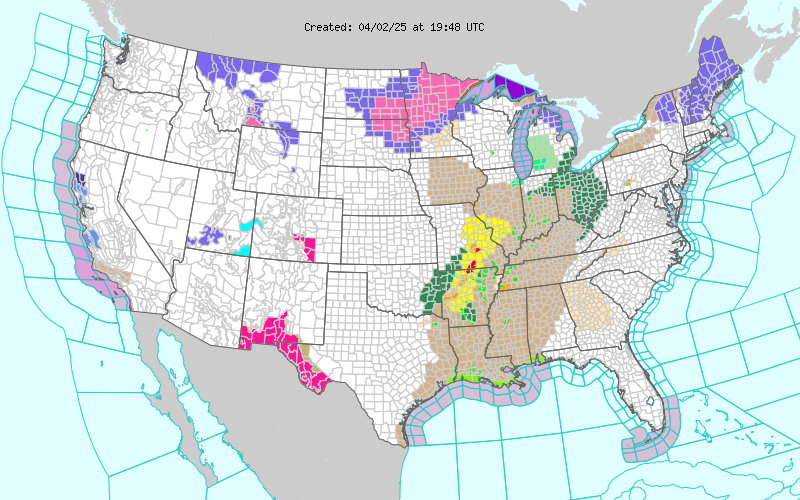
The image is a live image for the National Weather Service server. It gets updated on Real time.
Current Conditions Across the Southern Zone
The Southern Zone presents a striking dichotomy in its weather outlook. From the central plains of Oklahoma and Texas, stretching eastward through the Deep South and into the Mid-Atlantic states, a dominant cold air mass has settled in, bringing temperatures well below seasonal averages for many. Meanwhile, the Florida peninsula largely escapes the most intense cold, maintaining a distinctly warmer, albeit windy, profile.
The Deep South and Mid-South Chill
- Nashville, TN: Expect a chilly day with a high of only 29°F, under sunny skies. The overnight low will dip further to 27°F, remaining clear. This marks a significant cold snap for Music City, requiring appropriate winter attire.
- Little Rock, AR: Sunny conditions will prevail with a high of 31°F. Temperatures will fall to 30°F overnight, with mostly clear skies.
- Birmingham, AL: Our primary city will see a sunny day with a high of 36°F, dropping to a frosty 27°F overnight under clear skies.
- Atlanta, GA: The Peach State capital will experience sunny weather with a high of 35°F, plummeting to 30°F overnight with clear conditions.
- Jackson, MS: A sunny day awaits with a high of 36°F, but residents should prepare for a widespread frost overnight as temperatures hit 31°F.
- Baton Rouge, LA: Sunny skies and a high of 40°F will give way to areas of frost overnight as temperatures drop to 35°F.
- New Orleans, LA: The Crescent City will enjoy sunny conditions with a high of 41°F, with overnight temperatures holding steady at 40°F under mostly clear skies, avoiding the deeper freeze seen elsewhere.
Texas and Oklahoma: Crisp and Clear
- Oklahoma City, OK: Partly sunny conditions with a high of 36°F. Overnight, temperatures will rise slightly to 40°F under mostly clear skies, but still feeling brisk.
- Dallas, TX: Sunny with a high of 41°F. Overnight, temperatures will be 43°F under mostly cloudy skies.
- Houston, TX: Sunny and 42°F during the day, with overnight temperatures at 43°F under mostly cloudy skies.
Florida: Warmth and Wind
Florida stands apart with significantly warmer temperatures, though strong winds will be a notable factor, particularly along the coast.
- Miami, FL: The warmest spot in the zone, with a high of 73°F and a slight chance of showers and thunderstorms. Overnight, temperatures remain mild at 71°F with partly cloudy skies and sustained winds up to 17 mph.
- Tampa, FL: Partly sunny with a high of 63°F and winds around 12 mph. Overnight, it will be partly cloudy with a low of 52°F and lighter winds at 6 mph.
- Orlando, FL: Partly sunny and 63°F with winds up to 15 mph. Overnight, temperatures will drop to 51°F under partly cloudy skies with winds at 5 mph.
- Jacksonville, FL: Partly sunny with a high of 49°F, but notably windy at 17 mph. Overnight, temperatures will drop to 41°F under mostly clear skies with winds around 7 mph.
New Mexico: Mild Western Edge
- Albuquerque, NM: Enjoying partly sunny conditions with a high of 47°F, cooling to 39°F overnight under mostly clear skies. Winds will be light.
A Closer Look: Regional Highlights
The widespread clear skies across the majority of the Southern Zone are a direct result of a dominant high-pressure system. This system, while bringing beautiful, sunny days, also allows for efficient radiational cooling overnight, leading to the significant temperature drops and frost conditions observed in many areas. The lack of cloud cover acts like removing a blanket, allowing heat to escape rapidly into the atmosphere.
The frost advisories for cities like Jackson, MS, and Baton Rouge, LA, are particularly important. Frost forms when surface temperatures drop to 32°F (0°C) or below, and water vapor in the air freezes onto surfaces. Even if the air temperature remains slightly above freezing, ground-level temperatures can be colder, leading to frost. This can be damaging to sensitive plants and create hazardous conditions on roads.
Miami's forecast stands out with its warm temperatures and a "slight chance of showers and thunderstorms." This indicates that while the main cold front has pushed south, a lingering pocket of moisture or an isolated disturbance is affecting the southernmost tip of Florida, maintaining a tropical air mass that resists the widespread chill. The elevated wind speeds across much of Florida, from Tampa to Miami and Jacksonville, suggest a tighter pressure gradient, likely associated with the edge of the departing weather system or a strengthening sea breeze interaction.
Understanding December Weather in the South
December in the Southern United States is a month of transition, often characterized by a delicate balance between lingering warmth and the increasing frequency of cold air intrusions from the north. While average December temperatures can vary widely across the vast Southern Zone – from the mild 60s in South Florida to the chilly 30s and 40s in the northern reaches of Tennessee and Arkansas – significant cold snaps like the one currently observed are not uncommon.
Historically, the region experiences several cold fronts throughout the winter months. These fronts originate from Arctic or Canadian air masses that push southward, often bringing with them dry, clear, and very cold air. The current pattern aligns with a classic cold air advection event, where northerly winds transport frigid air deep into the South. What makes this particular event notable for many areas is the combination of clear skies and calm winds, which are ideal conditions for radiational cooling and the formation of frost. While residents of the upper Midwest or Northeast might consider temperatures in the 20s or 30s mild for December, for many parts of the Deep South, these temperatures represent a significant departure from the norm and can pose challenges for infrastructure and agriculture not always designed for prolonged freezing conditions.
The contrast with Florida highlights the unique geographical influence of the Gulf of Mexico and the Atlantic Ocean. These warm bodies of water temper the climate, often preventing the most severe cold from penetrating the peninsula, especially its southern half. However, even Florida can experience damaging freezes when particularly strong cold fronts combine with specific atmospheric conditions, though that is not the case for Miami in this forecast period.
Agricultural and Ecological Impacts
The arrival of cold temperatures and widespread frost has considerable implications for the Southern Zone's diverse agricultural sector and local ecosystems.
- Frost Protection: For regions experiencing frost, particularly Jackson, MS, and Baton Rouge, LA, farmers and home gardeners must take precautions. Sensitive crops, such as citrus in northern Florida (though less affected in the immediate forecast), winter vegetables, and ornamental plants, are vulnerable to frost damage. Covering plants with blankets or tarps, or using overhead irrigation to create an insulating layer of ice, are common strategies.
- Winter Crops: In areas like Texas and Oklahoma, where winter wheat is a significant crop, these temperatures are generally manageable. Winter wheat is typically dormant during this period and can tolerate cold, but extreme or prolonged freezes without snow cover can still be a concern.
- Livestock: Farmers with livestock need to ensure animals have adequate shelter from the cold and wind, especially overnight. Access to unfrozen water is also critical, as animals require more energy to stay warm in cold weather.
- Ecosystems: Native plants and wildlife are generally adapted to seasonal cold, but sudden or unusually deep freezes can stress ecosystems. Aquatic life in shallow ponds can be affected by ice formation, and certain insect populations may be reduced, which can have cascading effects on the food chain. Birds and other animals may seek shelter in urban areas or rely on stored food sources.
Travel and Outdoor Activity Advisories
For those planning travel or outdoor activities across the Southern Zone, understanding these varied conditions is paramount.
- Road Conditions: In areas with overnight temperatures dropping below freezing and potential for frost (e.g., Birmingham, Nashville, Little Rock, Jackson, Baton Rouge, Atlanta), there is a risk of black ice forming on roads, especially bridges and overpasses, during the early morning hours. Drivers should exercise extreme caution, reduce speed, and allow for extra stopping distance.
- Air Travel: While no specific air travel advisories are in place, the clear conditions generally mean good visibility. However, in colder northern parts of the zone (e.g., Nashville, Atlanta), ground crews may face challenges with colder equipment, and de-icing procedures could cause minor delays if any lingering moisture is present.
- Outdoor Recreation: For those venturing outdoors in the colder regions, layering clothing is essential. Hats, gloves, and waterproof outer layers are recommended to prevent hypothermia. Stay hydrated, as cold, dry air can still lead to dehydration. In Florida, the strong winds, particularly along coastal areas from Tampa to Miami and Jacksonville, will impact boating, paddleboarding, and other water sports. Small craft advisories may be in effect, and beachgoers should be mindful of potential rip currents or choppy waters.
- Holiday Travel: With the holiday season in full swing, many will be traveling. It is always wise to check the latest local forecasts for your destination and along your route. Pack accordingly for diverse conditions if traveling across the breadth of the Southern Zone.
Preparing for the Chill: Essential Tips
Even without severe winter storms, cold temperatures and frost can pose risks. Taking proactive steps can ensure safety and comfort.
- Home Preparedness:
- Protect Pipes: Drip faucets, especially those on exterior walls, to prevent pipes from freezing and bursting. Insulate exposed pipes.
- Heating Systems: Ensure your heating system is in good working order. If using space heaters, follow safety guidelines, keeping them away from flammable materials and never leaving them unattended.
- Carbon Monoxide Detectors: If using alternative heating sources, ensure carbon monoxide detectors are functioning correctly.
- Seal Drafts: Close gaps around windows and doors to keep warm air in and cold air out.
- Personal Safety:
- Layer Up: Dress in multiple layers of warm clothing, including hats, gloves, and scarves, when outdoors.
- Stay Hydrated: Drink plenty of fluids, even if you don't feel thirsty, as cold air can be dehydrating.
- Check on Vulnerable Neighbors: Elderly individuals, young children, and those with medical conditions are more susceptible to cold-related illnesses. Offer assistance if needed.
- Pet Safety:
- Bring Pets Indoors: If possible, bring pets inside during cold weather.
- Provide Shelter: If pets must remain outdoors, ensure they have adequate, insulated shelter from wind and cold, along with access to unfrozen water and extra food.
- Vehicle Readiness:
- Check Fluids: Ensure antifreeze levels are adequate.
- Tire Pressure: Cold weather can reduce tire pressure; check and inflate to recommended levels.
- Emergency Kit: Keep an emergency kit in your car with blankets, a flashlight, food, water, and jumper cables.
- Garden Protection:
- Cover Plants: Use burlap, old sheets, or commercial frost cloths to cover sensitive plants before nightfall.
- Watering: Lightly water plants before a freeze; moist soil retains heat better than dry soil.
Looking Ahead: What to Expect
The current forecast indicates that the clear, cold conditions across much of the Southern Zone will persist through the overnight hours of December 15th and into the early morning of December 16th. While daytime temperatures on Tuesday may see a slight moderation in some areas as the sun rises higher, the underlying cold air mass will remain influential. Florida, meanwhile, will continue its warmer trend, though with potentially less wind as the pressure gradient eases. Residents throughout the Southern Zone should remain vigilant, continue to monitor local forecasts, and take appropriate precautions to stay safe and warm.
This period of crisp winter weather offers a beautiful, albeit chilly, backdrop for the holiday season. Enjoy the sunshine, but remember to dress warmly and prepare for the realities of a Southern winter.
This post is created using the public data provided by the National Weather Service. Please check the Original source for more information.

Comments
Post a Comment
Please leave a comment.